Orthopedic Care: What You Need to Know About Bone and Joint Health
When your orthopedic care, medical treatment for bones, joints, muscles, and connective tissues. Also known as musculoskeletal care, it becomes part of your life, it’s not because you’re old—it’s because your body is telling you something’s off. Whether it’s a knee that won’t bend, a shoulder that locks up, or a fracture that won’t heal right, orthopedic care is about getting you moving again without pain holding you back. This isn’t just about surgery. It’s about knowing when to see a specialist, what recovery really looks like, and how to avoid common mistakes that slow you down.
Most people think an orthopedic surgeon, a doctor trained to treat injuries and diseases of the musculoskeletal system through surgery and non-surgical methods is only for big operations. But they’re also the ones who spot early signs of joint damage, decide if you need physical therapy instead of a scalpel, or tell you when a knee replacement is truly necessary. And it’s not just about age. A 70-year-old with strong bones and good health can recover better than a 50-year-old with diabetes or obesity. knee replacement, a surgical procedure to replace a damaged knee joint with an artificial one isn’t a last resort—it’s a tool. But only if you’re the right candidate. That’s why knowing the risks, the recovery timeline, and what happens after you leave the hospital matters more than the surgery itself.
Joint pain doesn’t always mean arthritis. Sometimes it’s a pinched nerve, a torn tendon, or even something simple like poor posture. That’s why seeing the right doctor—whether it’s an orthopedic surgeon, a rheumatologist, or a physiatrist—makes all the difference. And if you’ve had a fracture, especially after 60, healing isn’t just about waiting. It’s about nutrition, movement, and avoiding falls. Bone healing slows down with age, but it doesn’t stop. With the right care, most people get back to walking, climbing stairs, and even gardening. The key is knowing what to expect, not guessing.
You’ll find real stories here—not textbook theory. How long you really stay in rehab after a knee replacement. Why you can’t shower right after surgery. Who shouldn’t get a knee replacement, even if they’re desperate. What rotator cuff repair actually involves, and why it’s one of the top five procedures in India. We cover the myths, the mistakes, and the quiet wins that don’t make headlines. No fluff. No jargon. Just what you need to make smarter choices for your bones and joints.

11
SeptemberWhat to Expect at Your First Orthopedic Surgeon Visit
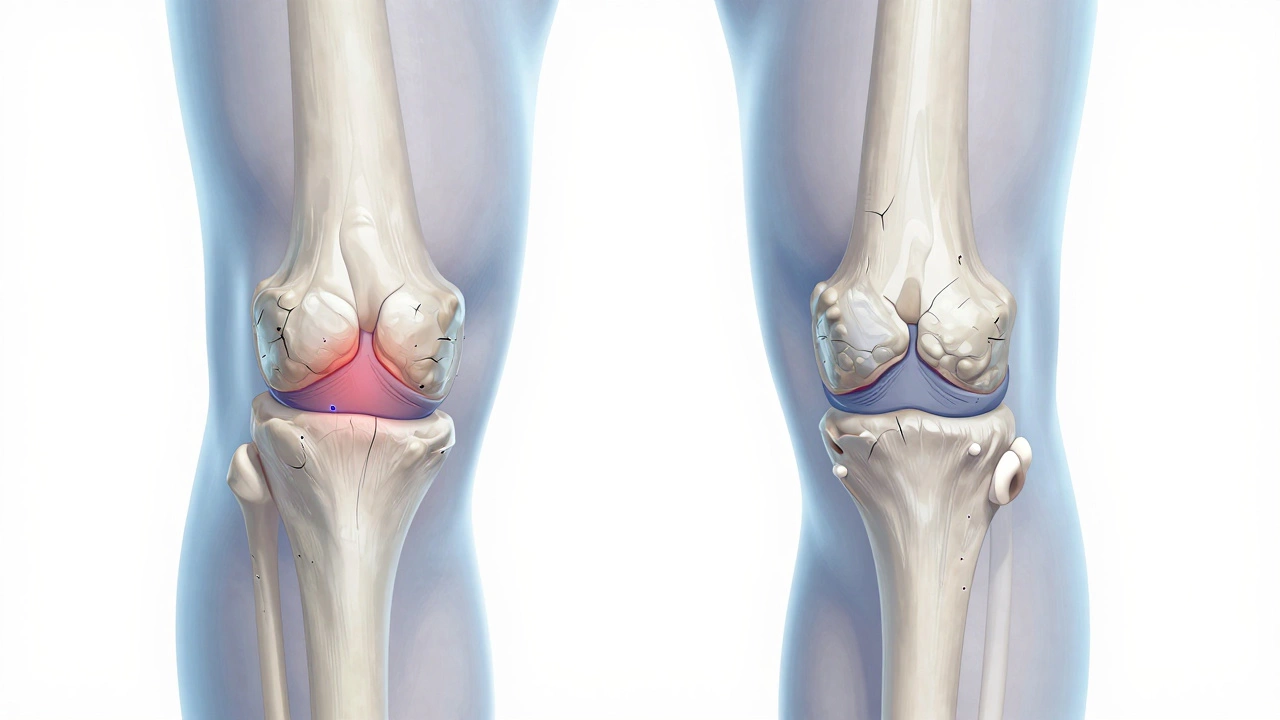
Learn what actually happens during your first orthopedic surgeon visit. From physical exams to imaging decisions, understand the diagnostic process and how to prepare.
7
JulyWhat Happens If You Wait Too Long for Knee Replacement Surgery?
Waiting too long for knee replacement can cause permanent joint damage, muscle loss, and increased surgery risks. Learn the hidden costs of delaying orthopedic care.

9
JuneThe 3 Most Painful Surgeries: Knee Replacement, Spinal Fusion & Whipple
Discover the three most painful surgeries: knee replacement, spinal fusion, and the Whipple procedure. Learn why they hurt, recovery timelines, and pain management tips.

5
JuneHow to Sit on the Toilet After Knee Surgery: Safe Positioning & Tools
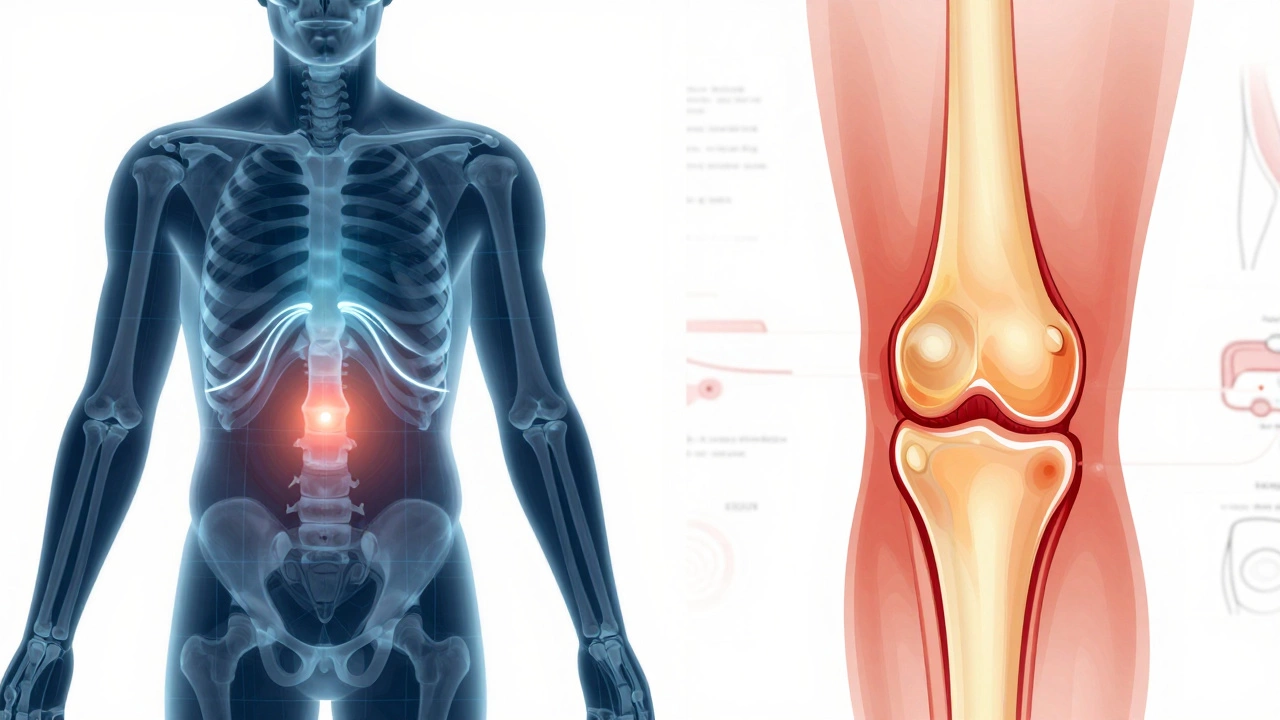
Learn the safe way to use the toilet after knee replacement surgery. Discover essential tools like raised seats and frames, step-by-step techniques to avoid bending past 90 degrees, and tips to prevent falls during recovery.
29
MayWhich Test Is Best for Bones and Joints? A Complete Guide to X-Rays, MRI, CT, and Ultrasound
Confused about bone and joint tests? Learn when to choose X-ray, MRI, CT, Ultrasound, or DEXA scans for accurate diagnosis of fractures, arthritis, and soft tissue injuries.

17
MarchWhat to Wear to an Orthopedic Appointment: Practical Guide for Comfort and Clarity
What you wear to an orthopedic appointment can make your exam faster, more accurate, and less painful. Learn what clothes to pick-and what to avoid-for knee, shoulder, back, or post-surgery visits.

13
MarchWhat Is the Hardest Part of Knee Replacement Recovery?
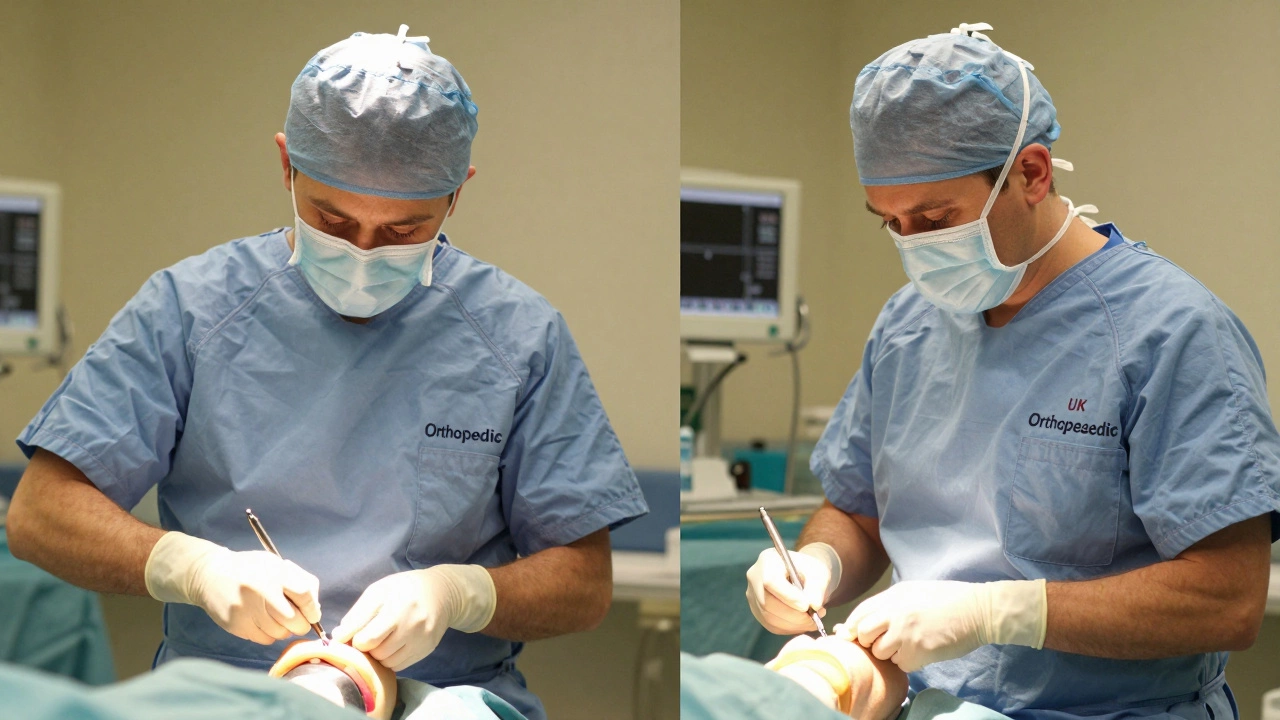
The hardest part of knee replacement recovery isn't pain - it's regaining mobility after weeks of stiffness and frustration. Learn what really works, what to expect, and how to stay on track.
24
FebruaryWhat Is the Difference Between Orthopedic and Orthopaedic?
Orthopedic and orthopaedic refer to the same medical specialty. The difference is purely spelling - American vs. British English. Both are correct and used in hospitals worldwide.

6
FebruaryTotal Knee Replacement Recovery: How Much Time Off Work Do Most People Need?
Find out how long most people typically take off work after a total knee replacement. Learn about factors affecting recovery time, workplace considerations, and tips for a smooth return to your job. Get real-world data to plan your recovery effectively.

16
JanuaryWhat Is the Hardest Orthopedic Surgery to Recover From?
Spinal fusion is the hardest orthopedic surgery to recover from due to prolonged healing, strict movement restrictions, and slow rehabilitation. Recovery takes 6 to 12 months and requires patience, physical therapy, and lifestyle changes.

26
DecemberWhat Is the Best Age to Have a Knee Replacement?
There’s no perfect age for a knee replacement-it’s about pain, mobility, and quality of life. Whether you’re 45 or 85, if your knee is stopping you from living, it’s time to consider surgery.

12
DecemberWhat Happens When You Go to an Orthopedic Doctor? A Step-by-Step Guide
Find out what really happens during an orthopedic visit-from the first questions to possible treatments. Learn how doctors diagnose joint and muscle pain without jumping to surgery.
Recent posts
-
 10 Feb 2026
How to Get Flawless Skin: Simple, Science-Backed Steps That Actually Work
-
 5 Jul 2025
Ashwagandha Side Effects: Why You Might Feel Strange After Taking It
-
 15 Mar 2025
Can an American See a Doctor in Canada? Exploring Cross-Border Healthcare
-
 15 Feb 2025
Can I Get a Prescription for Wegovy Online?
-
 21 Jul 2026
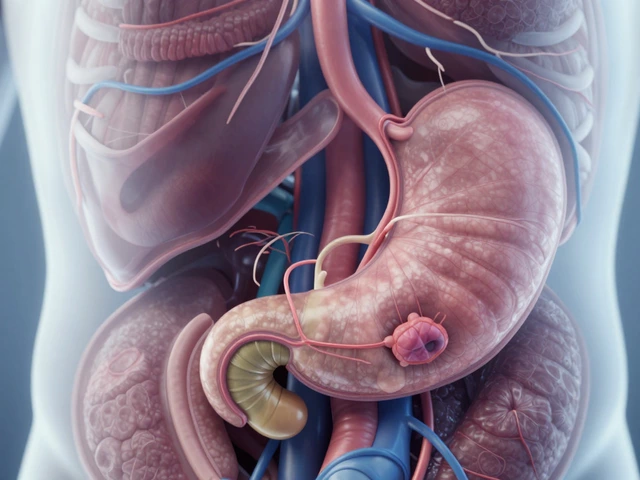
Which Cancer Has the Lowest Survival Rate? Understanding Pancreatic, Lung, and Liver Cancers