Knee Replacement Urgency Calculator
Symptom Assessment
Surgical Risk & Complexity Score
Based on duration, weight, and severity
Projected Impacts of Delay
Muscle Loss
Minimal atrophy expected.
Recovery Time
Standard timeline.
Fall Risk
Baseline level.
Joint Pressure
Normal load.
You know your knee hurts. It aches when you climb stairs, swells after a long walk, and sometimes wakes you up at night. Your doctor has likely mentioned knee replacement is a surgical procedure to replace damaged joint surfaces with artificial implants to relieve pain and restore function. But you hesitate. Maybe you’re scared of surgery, or you think the pain will just go away if you rest enough. The hard truth? Waiting too long doesn’t make the problem disappear. It makes it worse.
I’ve seen this pattern countless times in clinics across Bangalore. Patients wait years, hoping for a miracle pill or exercise routine that fixes severe osteoarthritis. By the time they finally agree to surgery, their quality of life has plummeted, and the recovery becomes harder than it needed to be. Let’s look at exactly what happens to your body-and your future mobility-when you put off this decision.
The Silent Progression of Joint Damage
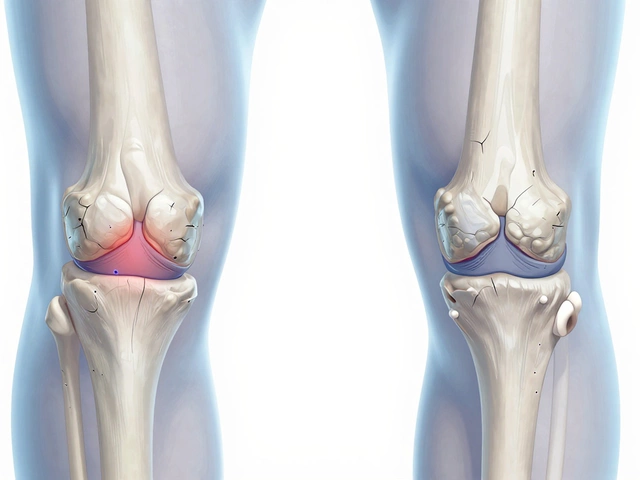
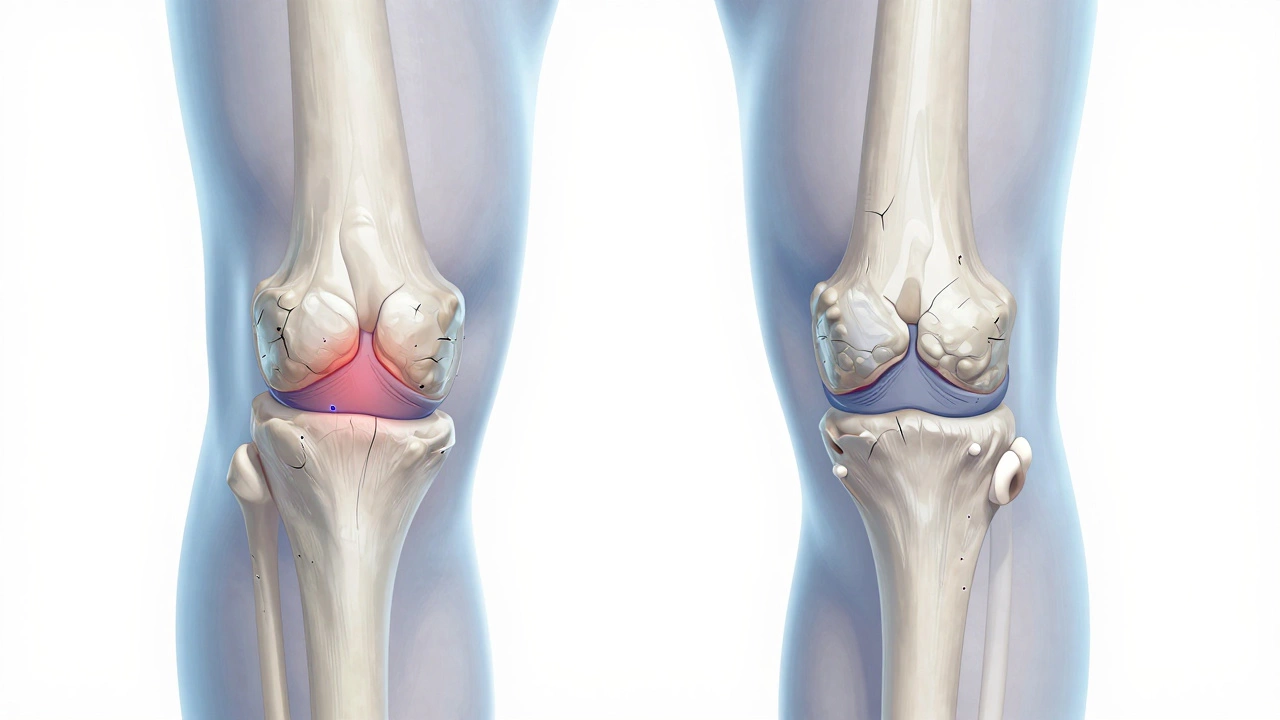
Osteoarthritis isn’t static. It’s a progressive disease. When cartilage wears down, the bone underneath starts to take the brunt of your body weight. Without the cushioning effect of healthy cartilage, bones grind against each other. This friction causes micro-fractures and stimulates the growth of bone spurs, known as osteophytes.
If you wait too long, these structural changes become irreversible. The joint space narrows significantly. In advanced cases, the alignment of the leg shifts. A knee that was once straight may begin to bow inward (varus deformity) or outward (valgus deformity). This misalignment puts uneven stress on the remaining healthy tissue, accelerating the breakdown process. Once the bone structure itself deforms, simple treatments like injections or physical therapy stop working entirely. Surgery becomes not just an option, but a necessity to correct the mechanical failure.
Muscle Atrophy: The Hidden Cost of Pain
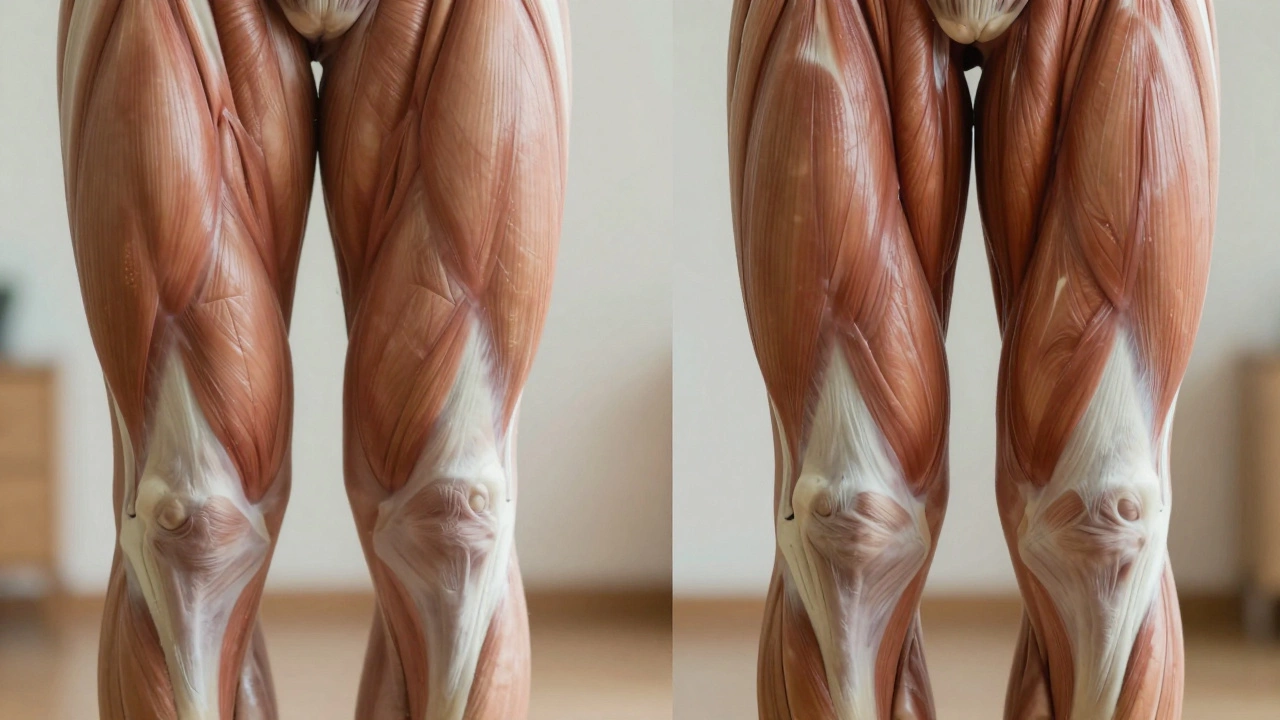
Pain teaches you to move less. You start avoiding walking, squatting, or even standing for long periods because it hurts. This is called "antalgic behavior." While it feels protective in the short term, it triggers a vicious cycle. The quadriceps muscles-the large muscles on the front of your thigh-are crucial for stabilizing the knee. When you don’t use them, they shrink. This is muscle atrophy.
Here’s why this matters for your surgery: Strong muscles are essential for a successful recovery. They act as shock absorbers and help you regain movement faster after the implant is placed. If you wait until your muscles are severely weakened, your rehabilitation period stretches out. You’ll spend more weeks relying on walkers or crutches. Studies show that patients with significant pre-operative muscle loss often have lower functional scores six months post-surgery compared to those who operated while their strength was still relatively preserved. You aren’t just saving your joint; you’re trying to save your muscle mass.
Increased Risk of Falls and Fractures
A stiff, painful knee affects your balance. When one leg gives way unexpectedly or refuses to bend properly, your center of gravity shifts. This instability dramatically increases your risk of falling. For older adults, a fall can be catastrophic. Hip fractures, wrist injuries, and head trauma are common consequences.
Consider the statistics: Adults over 65 are already at higher risk for falls due to age-related balance issues. Adding a dysfunctional knee into the mix multiplies that danger. A single fall can lead to a loss of independence that no amount of knee surgery can easily reverse. Getting the surgery done before your mobility deteriorates to the point where you’re stumbling around is a proactive safety measure, not just a pain relief strategy.
Impact on Overall Health and Weight
Chronic pain is exhausting. It disrupts sleep, increases stress hormones, and lowers your motivation to engage in daily activities. Many people with severe knee arthritis lose interest in hobbies, social events, and exercise. This sedentary lifestyle often leads to weight gain.
Extra weight puts exponentially more pressure on your knees. For every pound of body weight, your knees experience about four pounds of pressure during walking. So, gaining ten pounds adds forty pounds of force to your joints with every step. This extra load accelerates arthritis progression in the affected knee and can even trigger arthritis in the opposite knee or your hips. Furthermore, obesity is linked to higher risks of cardiovascular disease, type 2 diabetes, and blood clots. All of these conditions complicate anesthesia and increase surgical risks. Delaying surgery allows these systemic health issues to pile up, making the eventual operation riskier than it would have been earlier.
Psychological Toll of Chronic Pain
We often treat physical and mental health as separate, but they are deeply connected. Living with constant, unrelenting pain takes a heavy psychological toll. Anxiety about moving, fear of falling, and frustration over lost independence can lead to depression.
Patients who wait years for relief often report feeling isolated. They withdraw from friends and family because they can’t keep up. This social isolation worsens mental health outcomes. Conversely, studies indicate that successful knee replacement surgery not only improves physical function but also significantly boosts mood and quality of life scores. Addressing the pain source early helps preserve your mental well-being and keeps you engaged with life.
| Factor | Early Intervention (Moderate Arthritis) | Delayed Intervention (Severe Arthritis) |
|---|---|---|
| Muscle Strength | Better preserved, easier rehab | Significant atrophy, longer recovery |
| Joint Alignment | Minimal deformity, standard implants | Severe deformity, may need complex revision |
| Surgical Complexity | Standard procedure, shorter operating time | Potentially longer surgery, higher complication risk |
| Recovery Speed | Faster return to daily activities | Slower progress, extended physiotherapy |
| Overall Health Risks | Lower comorbidity burden | Higher risk of obesity, heart issues, falls |
When Is It Actually Time?
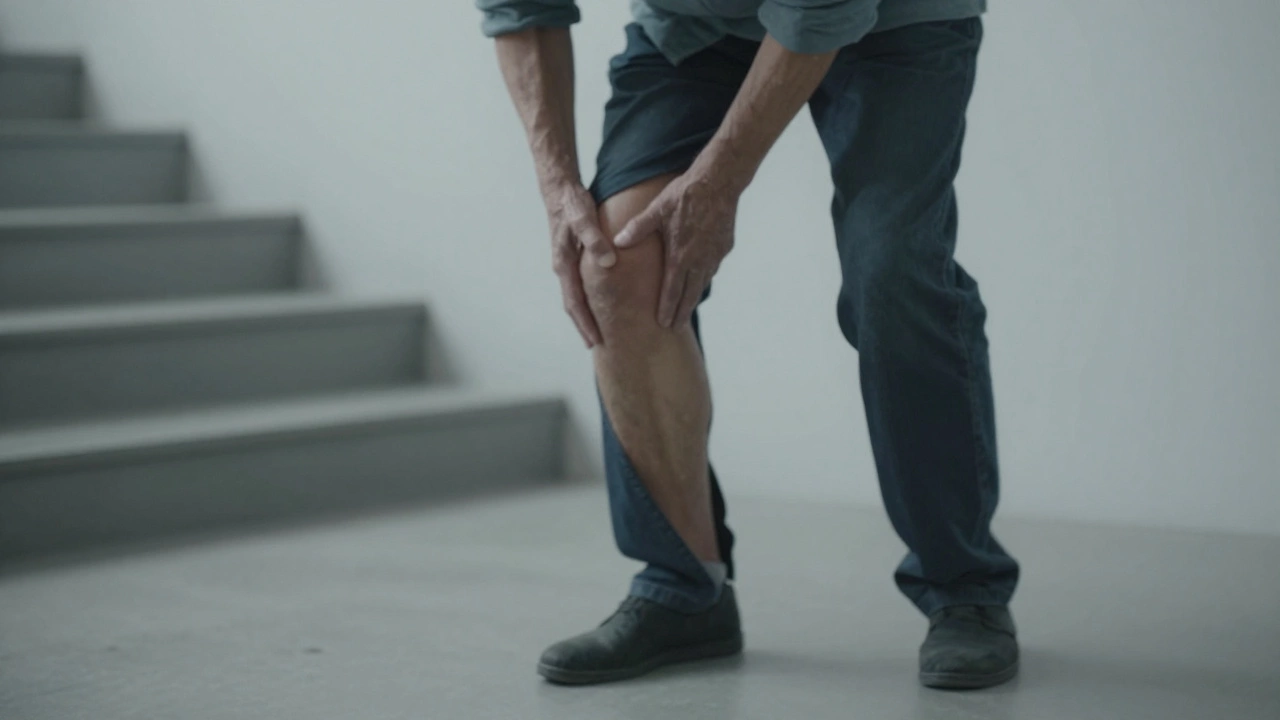
So, how do you know you haven’t waited too long? There’s no single clock ticking down, but there are clear signs that waiting further is harmful. Consult your orthopedic surgeon if:
- Pain interferes with sleep most nights.
- You cannot walk more than a few blocks without stopping.
- Over-the-counter pain medications no longer provide relief.
- Your knee locks, catches, or gives way frequently.
- You have noticed visible bowing or bending of the leg.
- Simple tasks like putting on socks or getting out of a chair require assistance.
If you check three or more of these boxes, you are likely in the window where surgery offers the best risk-to-reward ratio. Waiting beyond this point rarely improves the situation; it usually complicates it.
Mitigating Risks While You Decide
If you’re still on the fence, don’t just sit still. Use this time wisely to prepare your body for surgery, whenever that day comes. Focus on low-impact exercises like swimming or stationary cycling to maintain muscle strength without grinding the joint. Work with a physical therapist to learn proper gait mechanics. Maintain a healthy weight through diet. These steps won’t cure the arthritis, but they will keep your baseline fitness higher, ensuring that when you do decide to operate, your body is resilient enough to handle the recovery.
Remember, knee replacement is one of the most successful surgeries in modern medicine. It restores freedom. Don’t let fear or procrastination steal that freedom for years longer than necessary. Your future self will thank you for acting while you still can.
Does delaying knee surgery make the surgery itself more difficult?
Yes. As arthritis progresses, bone deformities and scar tissue increase. Severe misalignment may require more complex surgical techniques, such as using constrained implants or performing bone cuts to realign the leg. This can extend operating time and potentially increase the risk of complications like nerve injury or stiffness post-surgery.
Can I reverse muscle loss before knee replacement?
You can improve muscle strength, but reversing severe atrophy completely is challenging. Pre-habilitation exercises prescribed by a physical therapist can boost quadriceps strength, which correlates with better post-surgical outcomes. However, significant muscle wasting takes months to rebuild, so starting sooner is always better.
Is there an age limit for knee replacement?
There is no strict upper age limit. Surgeons evaluate biological age rather than chronological age. A healthy 80-year-old may be a better candidate than a sedentary 60-year-old with multiple health issues. The key factors are overall health, mobility needs, and ability to participate in rehabilitation.
Will my knee replacement last if I wait too long?
The longevity of the implant depends largely on surgical technique, implant materials, and patient activity levels, not necessarily on how long you waited. However, severe deformities caused by waiting can affect how well the implant aligns, which might impact its long-term wear. Proper alignment is critical for a prosthesis lasting 15-20 years.
What are the risks of having knee surgery later in life?
Risks include deeper vein thrombosis (blood clots), infection, and slower wound healing. These risks increase with age and comorbidities like diabetes or heart disease, which often develop or worsen during the years spent delaying surgery. Maintaining good general health while deciding can mitigate some of these risks.