Surgical Recovery & Pain Estimator
Patient Profile
Select your profile and click calculate.
Configure your patient profile on the left to generate a personalized recovery estimation based on medical averages.
Imagine a pain so intense it feels like your bones are grinding against each other while someone pours hot lead into your veins. That is not an exaggeration; that is the reality for patients undergoing some of the most complex procedures in modern medicine. While every person experiences pain differently, medical professionals and patient reports consistently point to three specific surgeries as the absolute worst offenders when it comes to post-operative suffering. If you are facing one of these operations, or if you are simply curious about the limits of human endurance, understanding what makes these procedures so brutal can help you prepare mentally and physically.
The title of "most painful" is often debated because pain is subjective. However, when we look at the volume of tissue damage, the complexity of nerve involvement, and the length of recovery required, three procedures stand out above the rest: knee replacement, total spinal fusion, and the Whipple procedure. Let’s break down why these three top the list, what the pain actually feels like, and how doctors manage it.
1. Total Knee Replacement (TKR)
You might be surprised to see knee replacement on this list. After all, it is one of the most common surgeries performed worldwide, with over 800,000 procedures done annually in the United States alone. But common does not mean easy. In fact, the sheer frequency of the surgery highlights just how debilitating arthritis can be, and the fix involves significant trauma to the body.
Total Knee Replacement is a surgical procedure where damaged cartilage and bone in the knee joint are removed and replaced with artificial components made of metal alloys, ceramics, and plastic polymers. Also known as Total Knee Arthroplasty, it was first widely adopted in the 1970s and has since restored mobility to millions.
Why is it so painful? The surgeon has to cut through thick skin, fat, and muscle layers to access the joint. Then, they must shave away the ends of the femur and tibia-the two main bones in your leg-to fit the new implant. This isn't just a surface-level tweak; it is deep structural modification. Immediately after surgery, patients often report a burning, throbbing sensation that radiates up the thigh and down the calf. The pain peaks within the first 48 hours, often described as a 9 or 10 on the pain scale before medication kicks in.
The real challenge, however, is not just the initial cut-it is the rehabilitation. To get your knee moving again, you have to force it into positions that trigger severe spasms and sharp pains. Physical therapy starts almost immediately, sometimes within hours of waking up from anesthesia. You will be bending your leg against its natural resistance, which feels like tearing apart fresh wounds. For many, this phase lasts weeks, with flare-ups of intense pain whenever they push too hard during exercises.
- Immediate Pain Source: Bone cutting and soft tissue dissection.
- Pain Duration: Acute severe pain for 3-7 days; moderate pain for 6-12 weeks.
- Key Challenge: Balancing pain relief with the need for aggressive physical therapy.
2. Total Spinal Fusion
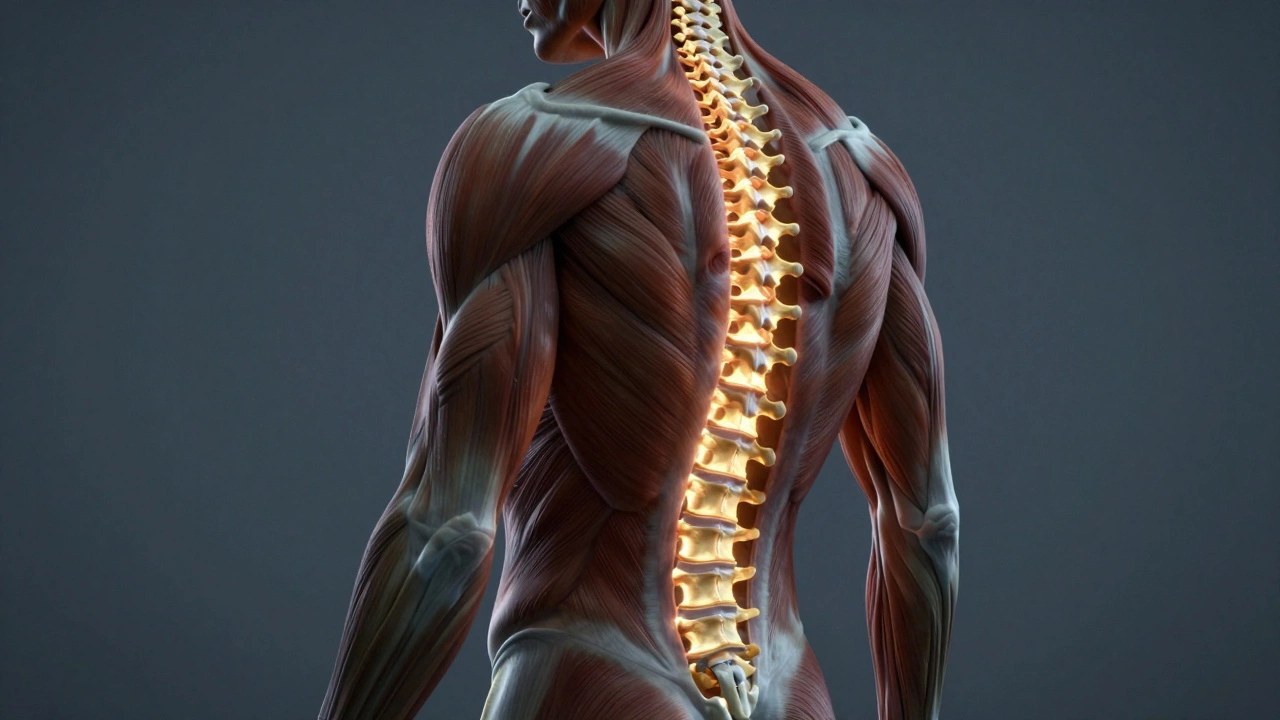
If knee replacement hurts because it affects movement, spinal fusion hurts because it affects your entire central nervous system's support structure. This surgery is typically reserved for severe cases of degenerative disc disease, scoliosis, or spinal instability. It involves permanently joining two or more vertebrae together so they heal into a single solid bone.
Spinal Fusion is a complex orthopedic surgery that connects two or more vertebrae in the spine using bone grafts and hardware such as screws, rods, and cages. The goal is to eliminate motion between the bones to reduce pain caused by abnormal movement.
The pain here is multifaceted. First, there is the surgical trauma itself. Depending on whether the approach is anterior (from the front), posterior (from the back), or lateral (from the side), surgeons may have to detach large muscles from the spine to access the vertebrae. These muscles are then reattached, but they remain inflamed and sensitive for months. Patients often describe a deep, aching soreness across their entire back, accompanied by sharp, electric-shock-like sensations if nerves were irritated during the procedure.
Secondly, the position required for recovery adds to the misery. You cannot twist, bend, or lift anything heavier than a cup of coffee for several months. Sleeping becomes a nightmare because finding a comfortable position that doesn't strain the healing spine is nearly impossible. Many patients report feeling like they are wearing a rigid corset made of fire. The psychological toll is also significant; being unable to move freely for such a long period leads to frustration and heightened sensitivity to pain signals.
| Feature | Knee Replacement | Spinal Fusion |
|---|---|---|
| Primary Pain Type | Throbbing, burning, mechanical | Deep ache, sharp nerve zaps, muscular spasm |
| Mobility Impact | High impact initially, improves quickly | Severe restriction for 3-6 months |
| Rehabilitation Intensity | Aggressive early movement required | Strict immobilization followed by gentle strengthening |
| Average Hospital Stay | 1-3 days | 3-5 days |
3. The Whipple Procedure (Pancreaticoduodenectomy)
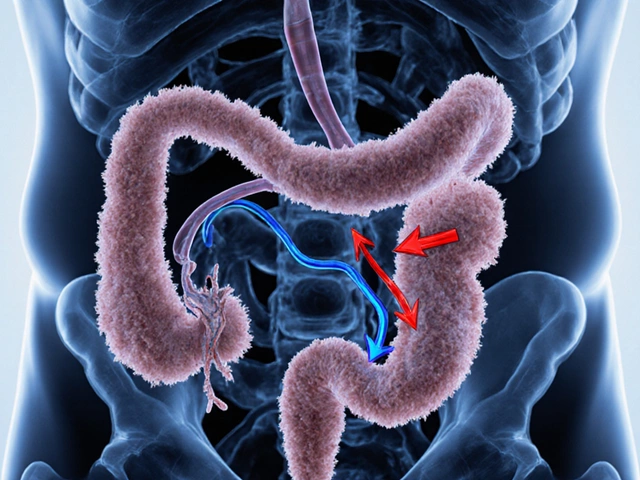
While knee and spine surgeries affect orthopedic structures, the Whipple procedure enters the realm of visceral pain-pain coming from internal organs. This is widely considered one of the most difficult abdominal surgeries a human can endure. It is primarily used to treat pancreatic cancer, bile duct cancer, or tumors in the duodenum.
Whipple Procedure is a major abdominal surgery involving the removal of the head of the pancreas, the gallbladder, part of the stomach, and part of the small intestine, followed by reconstructing the digestive tract. Named after Dr. Allen Oldfather Whipple who developed it in 1936, it remains a benchmark for surgical complexity.
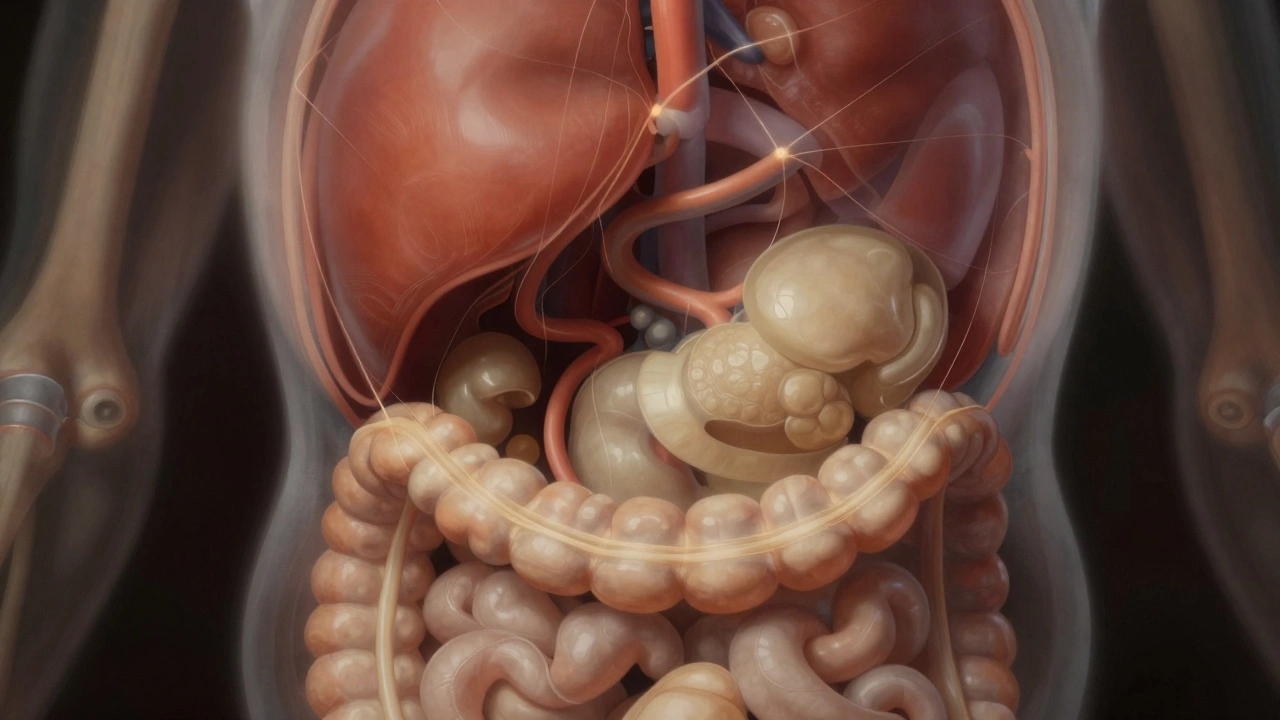
Why is it so painful? The abdomen is packed with sensitive organs and nerves. During a Whipple, the surgeon removes multiple organs and then reconnects the remaining ones in a new configuration. This means creating new connections between the pancreas, bile duct, and intestine. Any leakage or inflammation at these connection sites causes excruciating internal pain. Unlike external incisions, you cannot point to exactly where it hurts; the pain is diffuse, deep, and nauseating.
Post-operatively, patients spend days connected to tubes and drains. Moving even slightly triggers sharp pains in the upper abdomen. Eating becomes a source of anxiety and discomfort as the digestive system struggles to adapt to its new layout. Gas buildup, bloating, and constipation add layers of pressure and pain. The recovery timeline is measured in months, not weeks, and the risk of complications like infections or fistulas keeps the pain levels high for longer periods compared to other surgeries.
Managing the Unmanageable: Pain Control Strategies
Knowing that these surgeries are painful is terrifying, but modern medicine has developed robust strategies to keep you functional and humane during recovery. Pain management is no longer just about handing out pills; it is a multi-layered approach.
- Regional Anesthesia: For knee replacements, epidurals or nerve blocks are commonly used. These numb the specific area for 12-24 hours, giving you a pain-free window to start moving. For spinal fusions, catheter-based infusions can deliver continuous local anesthetics directly to the surgical site.
- Multimodal Analgesia: Instead of relying solely on opioids (which cause drowsiness and constipation), doctors combine different types of painkillers. This includes NSAIDs (like ibuprofen) for inflammation, acetaminophen for general pain, and gabapentin for nerve pain. Each drug targets a different pain pathway, allowing lower doses of each and fewer side effects.
- Cryotherapy and Ice Packs: Simple but effective, especially for knee replacements. Reducing swelling reduces pressure on nerves, which directly lowers pain intensity.
- Psychological Support: Anxiety amplifies pain. Techniques like guided imagery, meditation, and cognitive behavioral therapy (CBT) help patients cope with the mental aspect of suffering, making the physical pain feel more manageable.
What to Expect: A Realistic Timeline
Preparation is key to surviving the pain. Here is a rough guide to what you can expect in the first few weeks for each surgery.
Knee Replacement: Days 1-3 are the hardest. You will likely use a PCA (Patient-Controlled Analgesia) pump to self-administer pain medication. By week 2, the acute pain subsides, but stiffness sets in. Weeks 3-6 involve consistent soreness during therapy sessions. Most people return to light daily activities by month 3.
Spinal Fusion: Days 1-5 involve significant muscle soreness and difficulty sleeping. Weeks 2-4 are characterized by constant low-grade pain and fatigue. Months 2-6 see gradual improvement, but heavy lifting and twisting remain off-limits. Full bone fusion takes 6-12 months, meaning some level of discomfort can persist for a year.
Whipple Procedure: Days 1-7 are critical, with pain managed in an ICU or step-down unit. Weeks 2-4 involve dealing with digestive issues and wound care. Months 2-6 focus on regaining strength and adjusting diet. Fatigue and occasional abdominal discomfort can last up to a year.
When to Seek Help
Pain is expected, but not all pain is normal. Watch out for red flags that indicate complications rather than standard recovery pain. These include:
- Sudden, sharp increases in pain that do not respond to medication.
- Signs of infection: fever, chills, redness, or pus at the incision site.
- Numbness or weakness in limbs that worsens instead of improves.
- Shortness of breath or chest pain (potential blood clot).
If any of these occur, contact your surgeon immediately. Early intervention can prevent minor issues from becoming major crises.
Which surgery has the longest recovery time?
The Whipple procedure generally has the longest and most complex recovery time, often taking 6 to 12 months for full normalization of digestion and energy levels. Spinal fusion also requires a long recovery of 6-12 months for complete bone healing, though functional improvement happens earlier.
Is knee replacement pain worse than hip replacement?
Generally, yes. Knee replacement tends to be more painful initially because the knee joint has less cushioning and more superficial nerves than the hip. Hip replacements often allow for quicker mobilization and less immediate post-operative pain, although both are significant procedures.
How long does severe pain last after spinal fusion?
Severe pain typically lasts for the first 1-2 weeks. After that, it transitions to moderate, manageable pain that gradually decreases over the next 3-6 months. Some residual soreness may persist for up to a year as the bones fully fuse.
Can you avoid pain medications after these surgeries?
It is highly unlikely and not recommended. Avoiding pain medication can hinder recovery, especially for knee replacements where movement is crucial. Unmanaged pain leads to muscle guarding, reduced mobility, and higher risks of complications like blood clots. Work with your doctor to find a balanced regimen.
What is the success rate of the Whipple procedure?
In high-volume centers, the survival rate for the Whipple procedure is over 95%. However, complication rates can range from 30% to 50%, which contributes to the intense recovery experience. Choosing an experienced surgical team is critical for better outcomes and pain management.