Orthopedic Appointment Clothing Checker
Check Your Outfit
Walking into an orthopedic appointment can feel overwhelming. You’ve got knee pain, a stiff shoulder, or maybe a recent injury that’s making it hard to move. But one thing you can control? What you wear. It’s not just about looking presentable-it’s about making the exam faster, more accurate, and less uncomfortable.
Think of your clothes as part of the diagnostic tool. If your pants are too tight or your shirt doesn’t open easily, the doctor might miss key signs. Or worse-you end up struggling to change into a gown while in pain. That’s why what you wear matters more than most people realize.
Start with the basics: Comfort and access
Orthopedic exams aren’t like regular checkups. The doctor needs to see, touch, and move your joints. That means your clothes need to allow easy access to your hips, knees, ankles, shoulders, neck, or spine-depending on what’s bothering you.
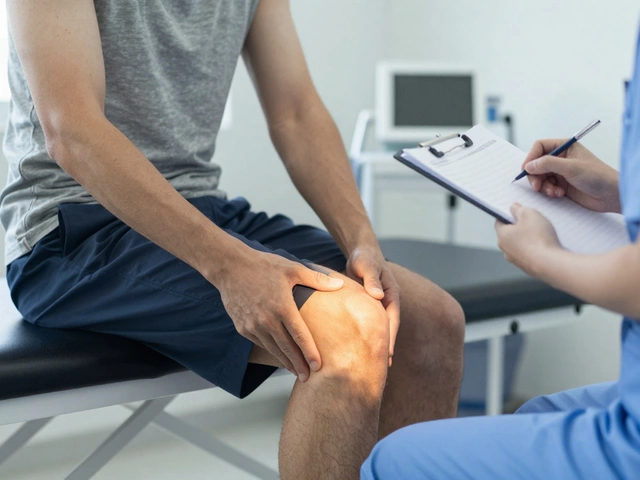
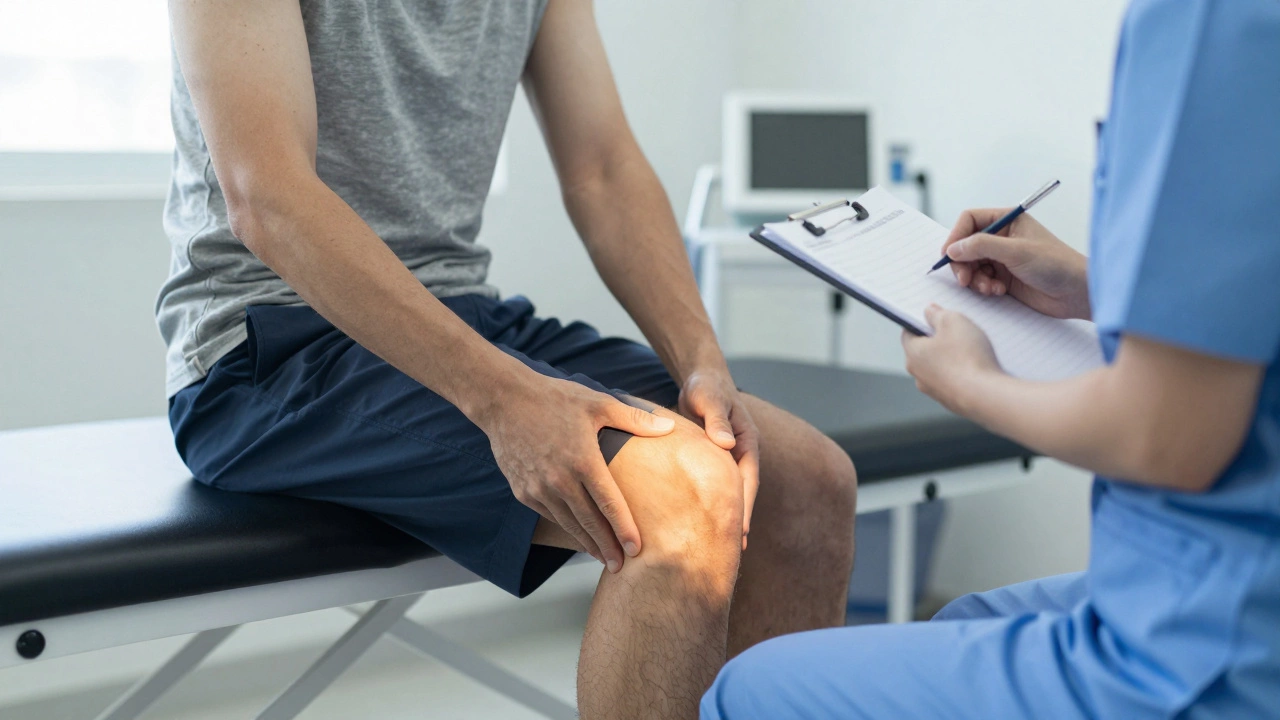
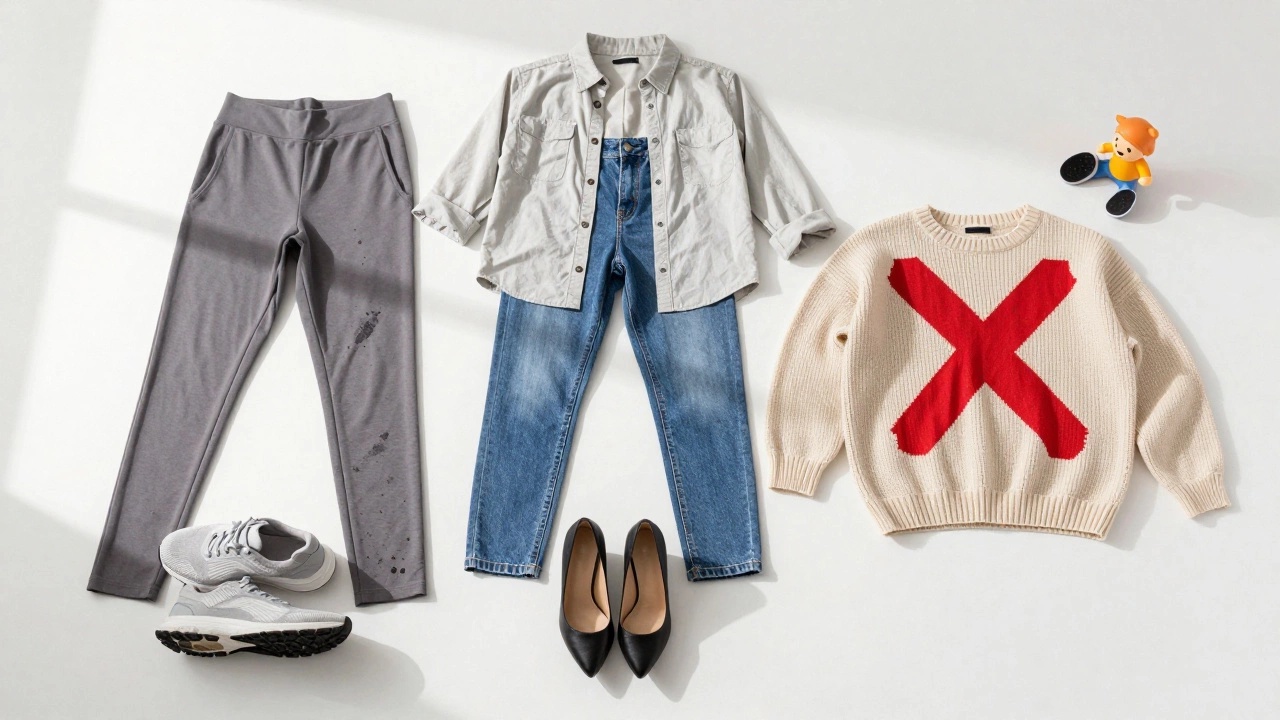
For knee or hip issues: Wear shorts or loose-fitting pants that roll up easily. Skinny jeans? Avoid them. They’re tight, hard to pull up, and won’t let the doctor see your full range of motion. Athletic leggings or yoga pants work better, especially if they’re stretchy and not too thick. If you’re wearing long pants, make sure they have an elastic waistband so they don’t dig in when you sit or lie down.
For shoulder or neck pain: Go for a tank top, sleeveless shirt, or a button-up that opens all the way. A zip-up hoodie is okay if you can unzip it fully. Avoid high-necked shirts or thick sweaters. You might need to expose your upper back, collarbone, or shoulder blades for X-rays or manual tests. If you’re unsure, bring a change of top.
For back or spine problems: A loose T-shirt or a shirt that buttons down the front is ideal. Avoid one-piece outfits like jumpsuits or dresses without zippers. You may need to lie flat on the table, bend forward, or twist slightly. Tight clothing can restrict movement and make the exam harder for both you and the doctor.
Footwear: Don’t underestimate it
Shoes are often overlooked, but they matter. If you’re having foot, ankle, or lower back pain, the doctor might ask you to walk or stand on one leg. Flip-flops? They’re unsafe and unhelpful. Sandals with straps? Better, but still not ideal.
Wear supportive, closed-toe shoes-like sneakers or walking shoes. Even if you’re in pain, having stable footwear lets the doctor assess your gait properly. If you wear orthotics or special insoles, bring them along. The doctor might want to see them.
If you’re coming in for a knee replacement follow-up or post-surgery check, you might be asked to remove your shoes entirely. Having socks on helps avoid cold floors and keeps things sanitary.
What to avoid
Some outfits are just asking for trouble. Here’s what to skip:
- Dresses or skirts without shorts underneath
- High heels or unstable footwear
- Jeans with metal rivets or thick denim
- Overly tight leggings or compression wear (they can hide swelling or muscle changes)
- Multiple layers or bulky sweaters
- Accessories like large necklaces or hoop earrings (they can interfere with neck exams or X-ray imaging)
Also, avoid wearing jewelry that could get in the way. A bulky watch might block wrist movement during testing. Rings? Fine, but if you’re having hand surgery, you might be asked to remove them. It’s easier to leave them at home.
What to bring
Even if you dress right, it helps to be prepared. Pack these items:
- A change of shorts or pants (if you’re unsure about what you’re wearing)
- A T-shirt or tank top (especially if you’re seeing a shoulder specialist)
- Your orthotics or custom shoe inserts
- A list of your symptoms: When did it start? What makes it worse? What helps?
- Any previous imaging reports (X-rays, MRIs) or doctor’s notes
Some clinics have gowns, but they’re often thin, cold, and don’t fit well. If you’re bringing your own clothes, you’re more likely to stay comfortable and cooperative during the exam.
Special cases: Kids, seniors, and post-surgery patients
If you’re bringing a child: Dress them in easy-to-remove clothes. Onesies or snap-button pajamas work better than pull-on pants. For toddlers, avoid ones with zippers that get stuck. Bring a favorite toy or blanket-it helps them relax.
For older adults: Loose-fitting clothes with Velcro or elastic waistbands are best. Many seniors have arthritis in their hands, so buttons or zippers can be hard to manage. Elastic shorts or sweatpants with drawstrings make changing easier.
Post-surgery patients: Wear clothes that don’t need to go over your bandage or cast. Button-up shirts, loose pants, or slip-on shoes are ideal. If you had hip surgery, avoid crossing your legs. Flat shoes without heels help you walk safely. If you’re using a walker or crutches, make sure your clothes don’t get caught in them.
What the doctor really sees
It’s not just about mobility. Your clothes give clues too. Swelling? Tight pants can hide it. Skin changes? A thick sweater hides redness or bruising. Muscle atrophy? Compression gear can mask it. The more visible your body is, the better the doctor can spot problems.
One patient in Bangalore came in with chronic knee pain. She wore jeans and a long tunic. The doctor couldn’t see her swelling or muscle tone. After she changed into shorts, they noticed clear asymmetry in her thigh muscles. That led to a diagnosis of quadriceps atrophy-something they’d have missed otherwise.
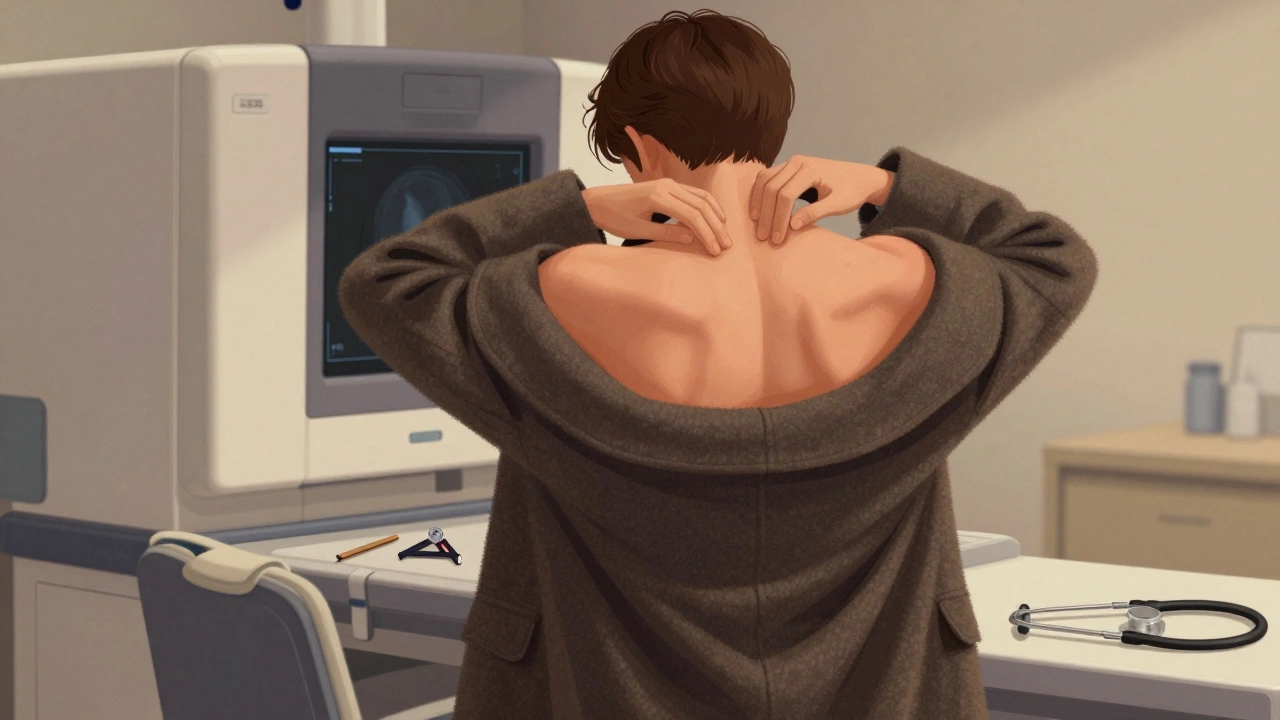
Another man with lower back pain wore a thick wool coat. He couldn’t bend forward properly. Once he took it off, the doctor saw his spine curvature clearly. Simple changes, big impact.
Final checklist
Before you leave for your appointment, run through this quick list:
- Are your pants loose enough to roll up or pull down?
- Can you move your arms freely without tight sleeves?
- Are your shoes stable and easy to slip off?
- Did you bring a change of top or shorts?
- Are your orthotics or braces ready to show?
- Are you wearing minimal jewelry?
It sounds simple, but getting this right can cut your appointment time in half. No fumbling with buttons. No awkward gown changes. Just clear, focused care.
Remember: This isn’t about fashion. It’s about function. You’re not going to a party. You’re going to get answers. Wear something that helps the doctor help you.
Can I wear leggings to an orthopedic appointment?
Yes, but only if they’re loose, stretchy, and not too thick. Tight or compression leggings can hide swelling, muscle changes, or skin discoloration. Opt for yoga-style leggings that you can easily pull down or roll up. If you’re seeing a specialist for your hips or knees, shorts are still the best option.
Do I need to change into a gown?
Some clinics provide gowns, but they’re often too thin, don’t fit well, and can be cold. If you wear the right clothes-like shorts and a tank top-you likely won’t need one. Always ask ahead of time. Many orthopedic offices now encourage patients to wear their own clothes to make exams faster and more comfortable.
What if I’m having surgery soon?
If you’re prepping for surgery, wear clothes that don’t need to go over your surgical site. For example, after knee surgery, wear loose pants or shorts. After shoulder surgery, wear button-up shirts. Avoid anything with zippers or tight necklines. Your doctor or nurse will give you specific advice based on your procedure.
Should I bring my orthotics or braces?
Yes, always. If you use shoe inserts, knee braces, or wrist splints, bring them. The doctor may need to check their fit, wear pattern, or how they’re affecting your movement. Sometimes, the problem isn’t your body-it’s the device you’re using.
Is it okay to wear makeup or nail polish?
Yes, but if you’re having hand, wrist, or finger surgery, you may be asked to remove nail polish. It’s not about appearance-it’s because the doctor needs to check your nail bed color to assess blood flow. Clear or light polish is usually fine. Avoid dark colors if you’re unsure.