Ayurvedic Body Type Detector
1. How do you typically feel during seasonal changes?
2. Describe your digestion and hunger patterns.
3. What is your preferred sleep pattern?
Your Primary Dosha
Have you ever felt heavy, sluggish, or brain-fogged despite sleeping enough? In Western wellness, people often blame dehydration or lack of exercise. In Ayurveda, an ancient Indian medical system dating back over 3,000 years, there is a more specific culprit: Ama. This term refers to toxic metabolic waste that accumulates when digestion is weak.
Many health enthusiasts today confuse detoxing with drinking kale juice or taking expensive supplements. While those have their place, traditional Ayurvedic cleansing is a rigorous, systematic medical process designed to restore your body's natural intelligence. This is known as Panchakarma, which literally means "five actions." It is not a weekend cleanse; it is a complete physiological reset tailored to your unique constitution.
Understanding Your Body Type Before Detox
You cannot detox effectively without understanding what needs detoxifying. Unlike generic diets, Ayurveda starts with identifying your Dosha. These are the three biological energies that control your physical and mental functions:
- Vata: Controls movement, breath, and nervous impulses. It relates to air and space elements.
- Pitta: Governs digestion, metabolism, and transformation. It relates to fire and water.
- Kapha: Manages structure, lubrication, and stability. It relates to earth and water.
If you have high Vata, your detox might involve grounding oils and warmth. If you have high Pitta, cooling herbs and gentle purgation are better. Attempting to follow a friend's detox plan can sometimes worsen your imbalance. For example, sweating excessively is great for Kapha types who feel sluggish, but it could cause anxiety and dry skin in Vata types.
The Three Stages of Ayurvedic Cleansing
A proper Ayurvedic detox follows a strict chronological order called the Tridha Karma protocol. Skipping stages is common in home versions but rarely effective or safe without supervision.
1. Pre-Purification (Purvakarma)
Before removing toxins, you must mobilize them deep tissues. Think of trying to clean dust stuck to a wall; you need to loosen it first.
| Therapy Name | Purpose | Typical Experience |
|---|---|---|
| Abhyanga | Warm oil massage | Feeling grounded, skin hydration increases |
| Swedana | Herbal steam session | Mild heat breaks down toxins |
| Snehana | Internal oil intake | Lubricates gut to soften constipation |
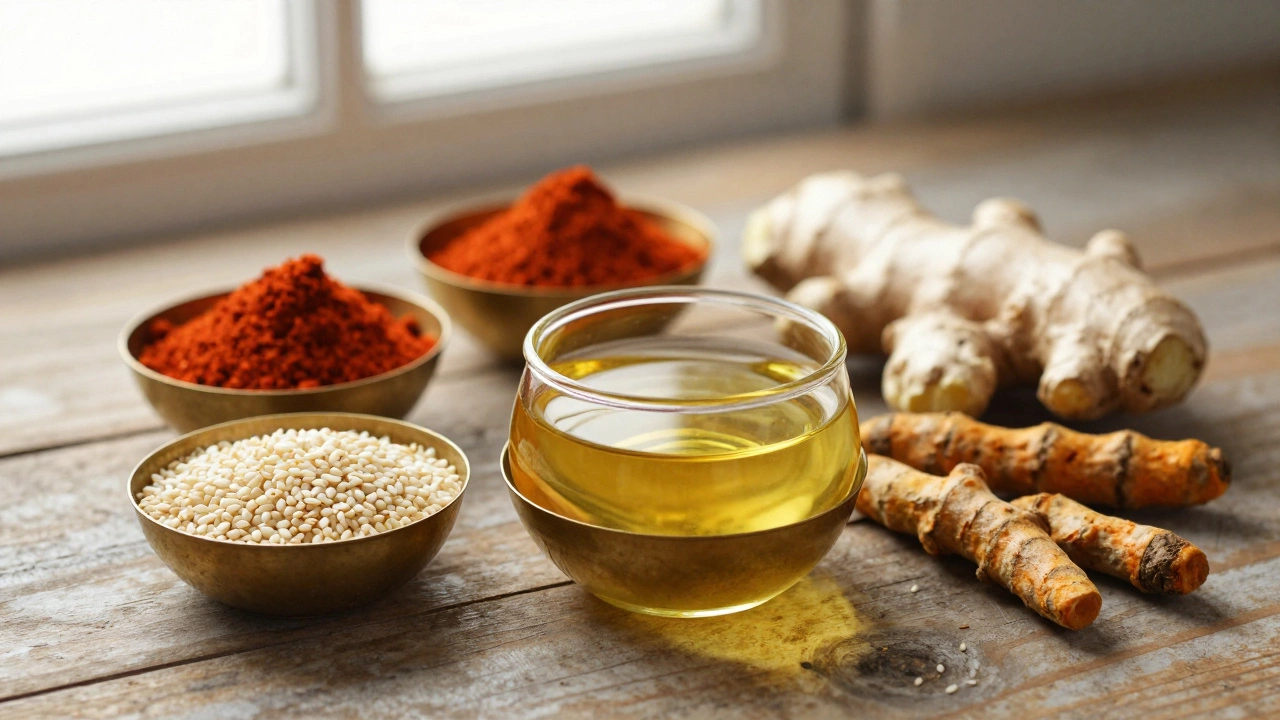
This stage often involves consuming medicated ghee or warm sesame oil daily while undergoing full-body massages. By the end of this phase, toxins leave the fat cells and move toward the digestive tract.
2. Purification (Panchakarma Proper)
This is the core evacuation phase. There are five primary treatments, though a doctor will select only the ones you need based on your health status.
- Vamana (Emesis): Therapeutic vomiting. Used to eliminate excess mucus and Kapha congestion from the stomach and chest. Often recommended for chronic sinus issues or asthma.
- Virechana (Purgation): Controlled laxative therapy. This cleanses the small intestine and liver to balance Pitta. It helps remove deep-seated heat, skin rashes, and liver toxicity.
- Basti (Enema): Medicinal enemas using decoctions or oils. This is primarily for balancing Vata. Since Vata resides in the colon, cleansing here regulates nerves, spine health, and sleep patterns.
- Nasya (Nasal Administration): Dripping medicated oils or powders into the nose. It clears sinuses and improves cognitive function by targeting the head.
- Raktamokshana (Bloodletting): Removing impure blood. Less common today, usually replaced by cupping (Jamu) for similar circulation benefits.
3. Post-Treatment Restoration (Paschatkarma)
The most overlooked part of detoxing is recovery. Your body has been emptied, so the channels (Srotas) are empty and vulnerable. Eating heavy or cold food immediately can reintroduce toxins rapidly.
You must start with light, liquid diets-like rice gruel cooked in milk and spices (Kichari). Over weeks, you gradually return to solid foods. During this time, herbal rasayanas (rejuvenators) like Ashwagandha or Amalaki are often prescribed to rebuild tissue strength (Dhatu).

Detox at Home: Safe Remedies vs. Clinical Procedures
Not everyone can afford a week-long residential retreat in Kerala or Varanasi. Fortunately, modified routines exist for the home setting. However, they yield gentler results than clinical treatments.
Trimonthly Routine: Try doing a lighter version during seasonal transitions, typically Spring (Holi season) and Autumn (Diwali season). This aligns with Ritucharya, the practice of adapting lifestyle to seasons. In 2026, many clinics offer hybrid models where you stay at home for pre-oiling and report only for the actual purge procedure under observation.
If you attempt mild self-care, consider:
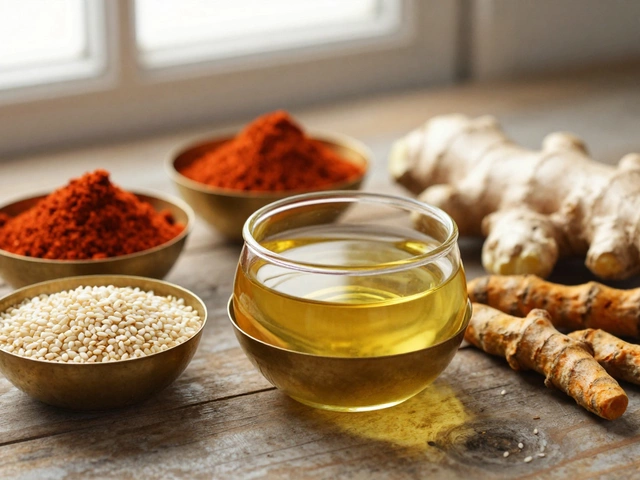
- Ginger Tea: Stimulates Agni (digestive fire) to burn Ama naturally.
- Triphala: A blend of three fruits taken at night. It is a gentle bowel tonic that cleanses the colon without harsh cramping.
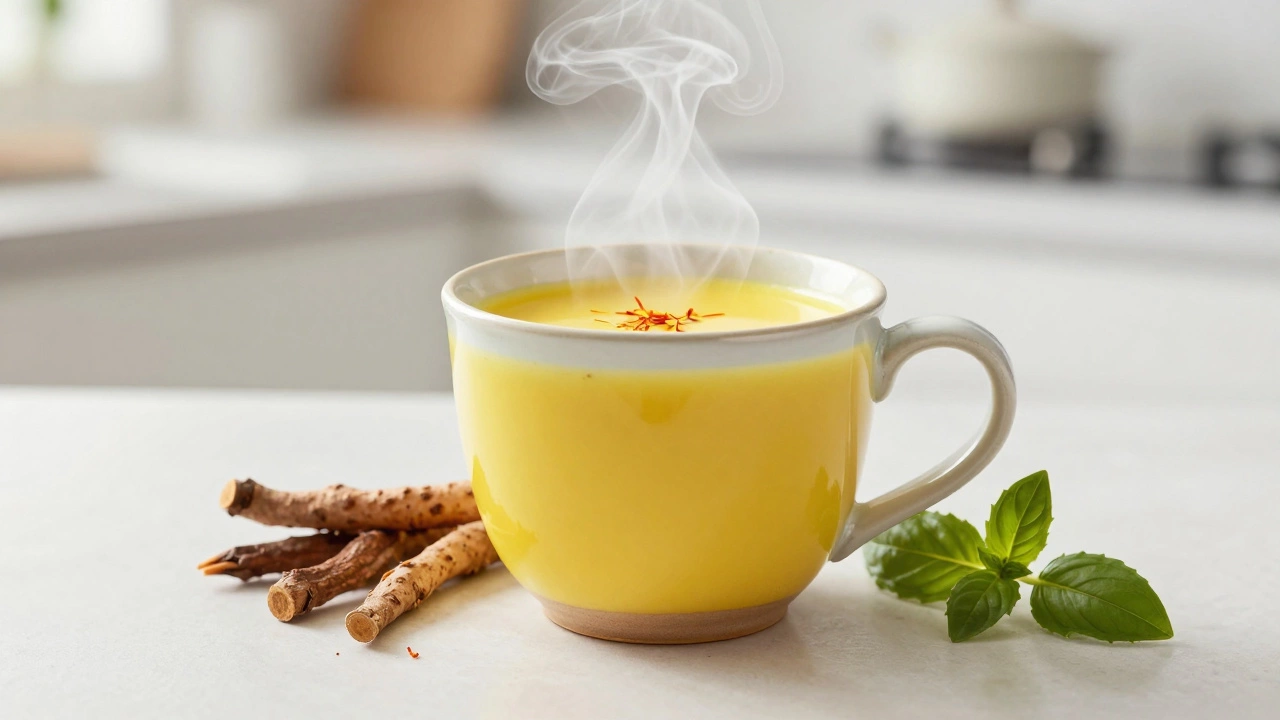
- Turmeric Milk: Anti-inflammatory properties help channelize the lymphatic system.
Avoid aggressive fasting unless directed by a physician. Modern research suggests prolonged fasting can trigger cortisol spikes, which is counter-productive to stress-related imbalances.
Who Should Not Detox?
While Ayurveda emphasizes prevention, purification therapies are potent medical procedures. They are not safe for everyone. Certain groups require absolute contraindication checks.
- Pregnant women: Strong purgatives can induce labor or fetal stress.
- Elderly with low vitality: The body may lose essential nutrients too quickly (Ojas depletion).
- Chronic Hypotension: Rapid fluid loss from purging can lead to dangerous drops in blood pressure.
- Post-acute illness: Never detox immediately after an infection; wait until full energy returns.
Always consult an Ayurvedic physician before starting internal oils or enemas. Improper Basti therapy, for instance, can damage intestinal mucosa if the wrong temperature or pressure is applied.
Common Misconceptions About Panchakarma
One major myth is that Panchakarma cures cancer or diabetes instantly. While it supports metabolic health significantly, it is a systemic reset, not a replacement for critical medication management. Another error is viewing detox as weight loss. While water weight drops, the goal is metabolic efficiency, not calorie reduction alone.
In 2026, evidence-based Ayurveda integrates with functional medicine labs. Doctors now measure inflammatory markers like CRP (C-Reactive Protein) before and after treatment to show objective improvement, moving beyond just feeling symptoms improve.
How long does a typical Panchakarma program last?
A standard clinical program usually lasts between 7 to 21 days. The exact duration depends on your Dosha imbalance and how deep the toxins are embedded in your tissues. Shorter courses (3-5 days) are possible for maintenance, but fewer than three days is generally considered insufficient for deep cleansing.
Will I feel sick during the detox process?
You may experience some mild discomfort, such as loose stools, dizziness, or fatigue, especially during the initial mobilization phase. However, experienced therapists monitor your vitals closely. Severe pain or distress should be reported immediately, as it indicates an improper dosing or reaction requiring adjustment.
Can I eat my normal food after the detox?
You must transition slowly. Jumping straight to processed foods, caffeine, or alcohol will reverse the benefits. Start with warm, cooked meals like Kitchari for a week. Then, introduce raw vegetables and dairy over two weeks. Returning to a sedentary or junk-food lifestyle renders the detox pointless.
Is Ayurvedic detox better than juice cleanses?
Juice cleanses are essentially sugar infusions that rest the digestive tract but do not actively remove stored toxins. Panchakarma uses specific oils, heat, and herbs to bind toxins to the gut lining and expel them. Additionally, Panchakarma strengthens digestion (Agni), whereas many juice fasts weaken it due to lack of protein and fats.
When is the best season for Ayurvedic detox?
The ideal times are the transition periods between seasons, specifically mid-Spring (Chaitra) and mid-Autumn (Kartika). These seasons coincide with changing temperatures which naturally disturb bodily humors, making them easier to treat. Winter and extreme summer are generally less suitable for heavy purgation therapies.
Taking charge of your health through these ancient methods requires patience and discipline. By addressing the root cause of toxicity rather than just suppressing symptoms, you set the foundation for long-term vitality that extends far beyond a quick fix.