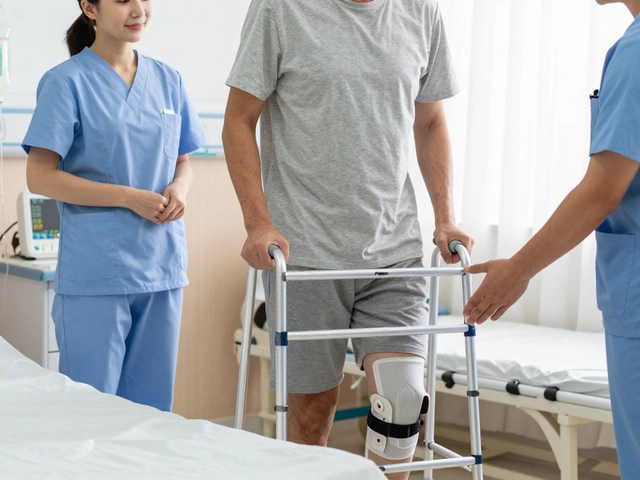
Orthopedic Care: What You Need to Know About Bone and Joint Health
When your orthopedic care, medical treatment for bones, joints, muscles, and connective tissues. Also known as musculoskeletal care, it becomes part of your life, it’s not because you’re old—it’s because your body is telling you something’s off. Whether it’s a knee that won’t bend, a shoulder that locks up, or a fracture that won’t heal right, orthopedic care is about getting you moving again without pain holding you back. This isn’t just about surgery. It’s about knowing when to see a specialist, what recovery really looks like, and how to avoid common mistakes that slow you down.
Most people think an orthopedic surgeon, a doctor trained to treat injuries and diseases of the musculoskeletal system through surgery and non-surgical methods is only for big operations. But they’re also the ones who spot early signs of joint damage, decide if you need physical therapy instead of a scalpel, or tell you when a knee replacement is truly necessary. And it’s not just about age. A 70-year-old with strong bones and good health can recover better than a 50-year-old with diabetes or obesity. knee replacement, a surgical procedure to replace a damaged knee joint with an artificial one isn’t a last resort—it’s a tool. But only if you’re the right candidate. That’s why knowing the risks, the recovery timeline, and what happens after you leave the hospital matters more than the surgery itself.
Joint pain doesn’t always mean arthritis. Sometimes it’s a pinched nerve, a torn tendon, or even something simple like poor posture. That’s why seeing the right doctor—whether it’s an orthopedic surgeon, a rheumatologist, or a physiatrist—makes all the difference. And if you’ve had a fracture, especially after 60, healing isn’t just about waiting. It’s about nutrition, movement, and avoiding falls. Bone healing slows down with age, but it doesn’t stop. With the right care, most people get back to walking, climbing stairs, and even gardening. The key is knowing what to expect, not guessing.
You’ll find real stories here—not textbook theory. How long you really stay in rehab after a knee replacement. Why you can’t shower right after surgery. Who shouldn’t get a knee replacement, even if they’re desperate. What rotator cuff repair actually involves, and why it’s one of the top five procedures in India. We cover the myths, the mistakes, and the quiet wins that don’t make headlines. No fluff. No jargon. Just what you need to make smarter choices for your bones and joints.
17
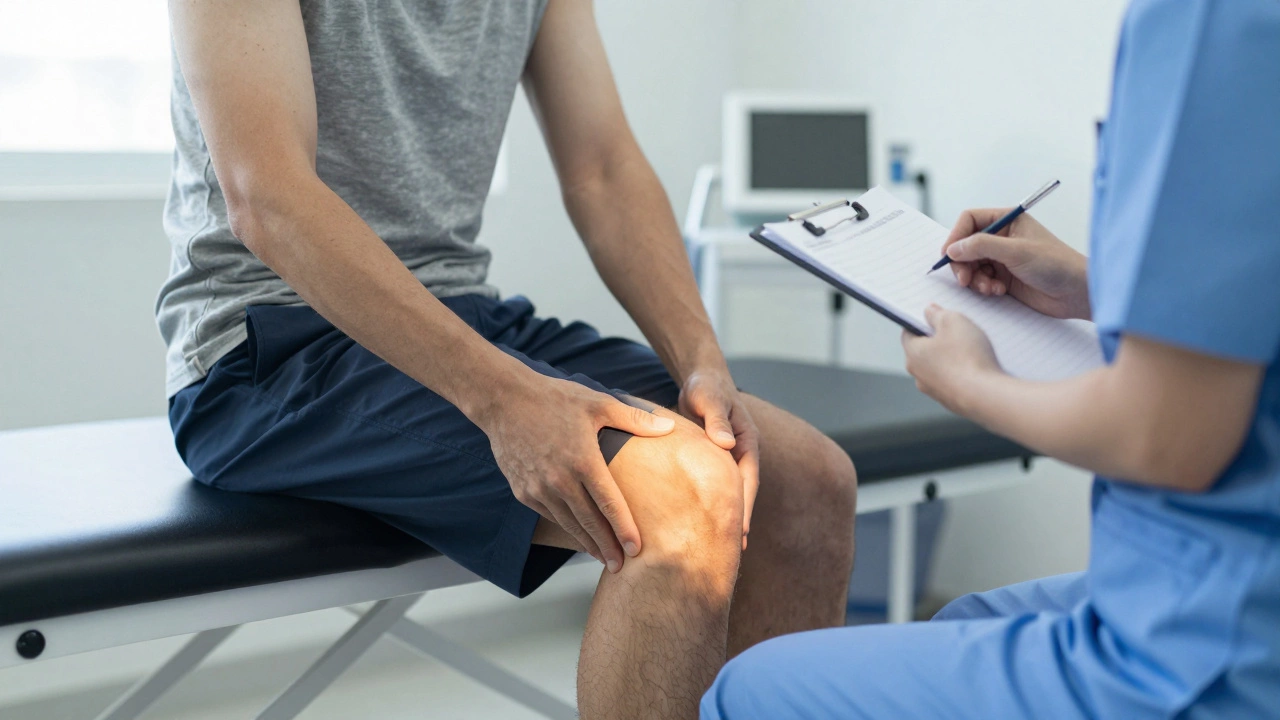
MarchWhat to Wear to an Orthopedic Appointment: Practical Guide for Comfort and Clarity
What you wear to an orthopedic appointment can make your exam faster, more accurate, and less painful. Learn what clothes to pick-and what to avoid-for knee, shoulder, back, or post-surgery visits.
13
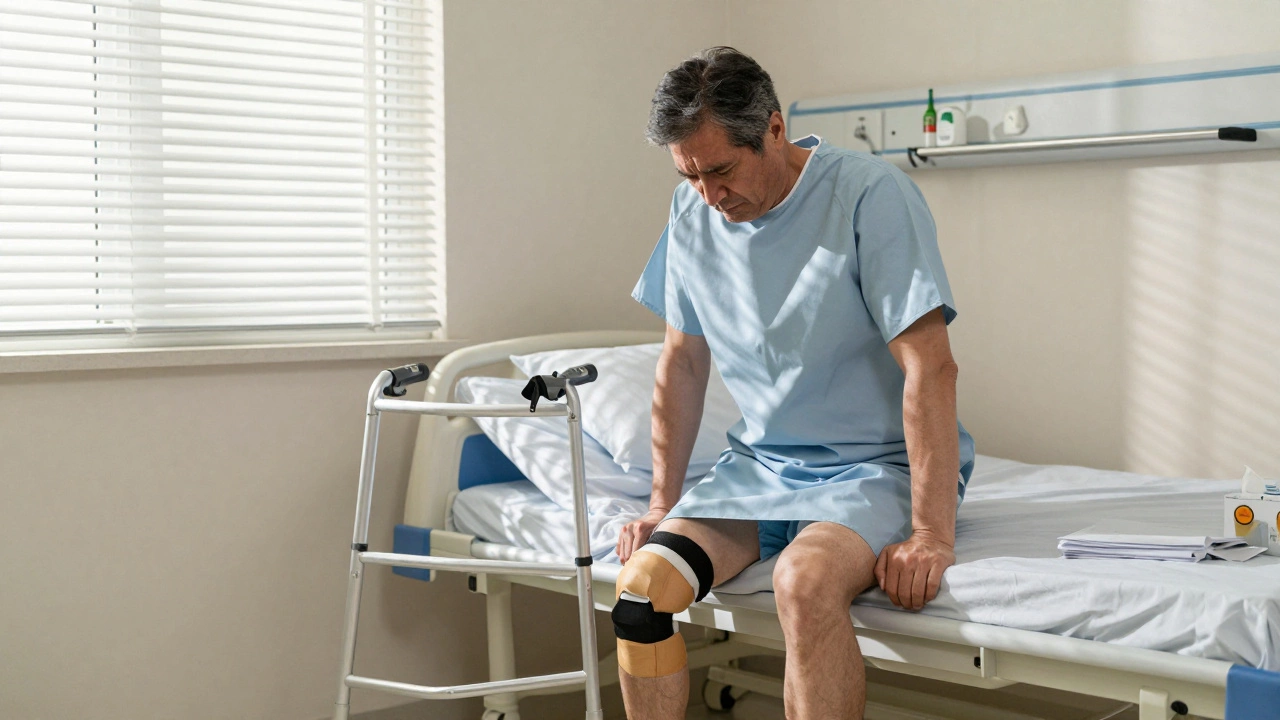
MarchWhat Is the Hardest Part of Knee Replacement Recovery?
The hardest part of knee replacement recovery isn't pain - it's regaining mobility after weeks of stiffness and frustration. Learn what really works, what to expect, and how to stay on track.
24
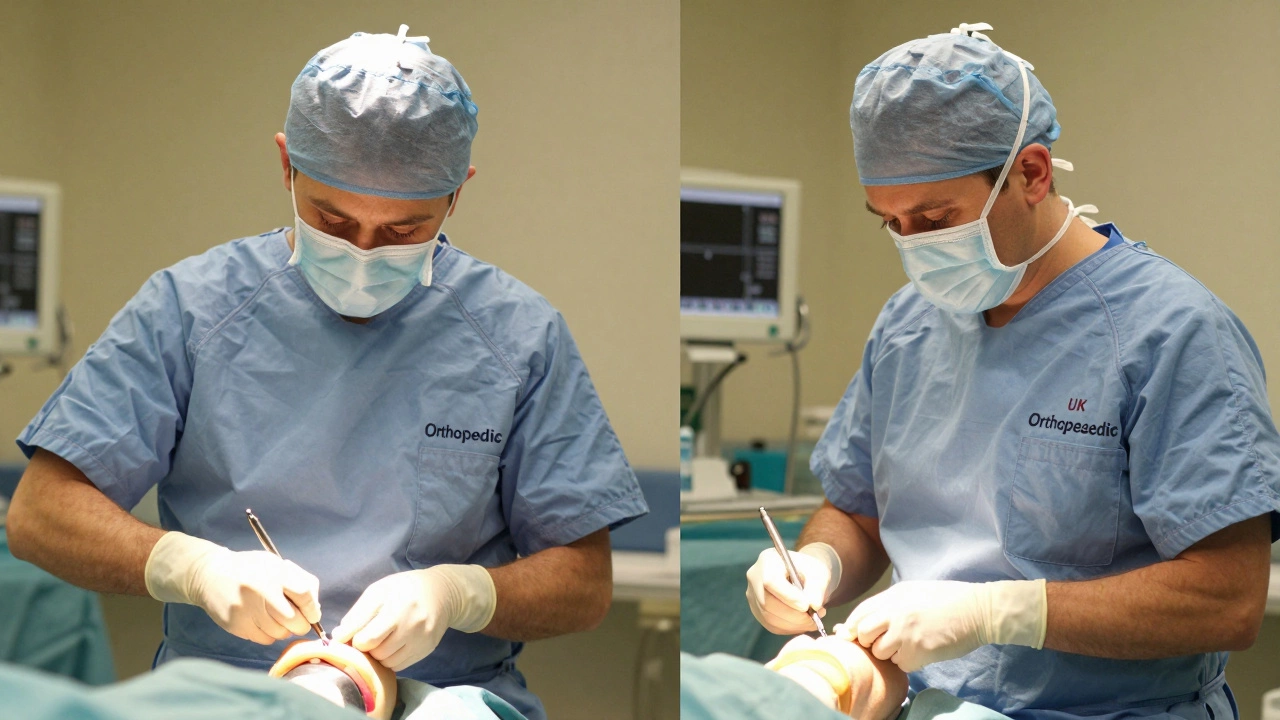
FebruaryWhat Is the Difference Between Orthopedic and Orthopaedic?
Orthopedic and orthopaedic refer to the same medical specialty. The difference is purely spelling - American vs. British English. Both are correct and used in hospitals worldwide.

6
FebruaryTotal Knee Replacement Recovery: How Much Time Off Work Do Most People Need?
Find out how long most people typically take off work after a total knee replacement. Learn about factors affecting recovery time, workplace considerations, and tips for a smooth return to your job. Get real-world data to plan your recovery effectively.

16
JanuaryWhat Is the Hardest Orthopedic Surgery to Recover From?
Spinal fusion is the hardest orthopedic surgery to recover from due to prolonged healing, strict movement restrictions, and slow rehabilitation. Recovery takes 6 to 12 months and requires patience, physical therapy, and lifestyle changes.
26
DecemberWhat Is the Best Age to Have a Knee Replacement?
There’s no perfect age for a knee replacement-it’s about pain, mobility, and quality of life. Whether you’re 45 or 85, if your knee is stopping you from living, it’s time to consider surgery.

12
DecemberWhat Happens When You Go to an Orthopedic Doctor? A Step-by-Step Guide
Find out what really happens during an orthopedic visit-from the first questions to possible treatments. Learn how doctors diagnose joint and muscle pain without jumping to surgery.

5
DecemberHow Long Do You Stay in Hospital After Full Knee Replacement?
Most patients leave the hospital 1 to 3 days after full knee replacement. Recovery depends on health, mobility, and home support. Early movement and following rehab steps are key to a smooth recovery.
30
OctoberHow Long Do Orthopedic Surgeries Take? Real-Time Estimates for Common Procedures
Learn how long common orthopedic surgeries take-from knee replacements to spinal fusions-and what affects the duration. Get realistic timelines for surgery and recovery.
27
OctoberWhat Surgery Has the Longest Recovery Time? Top 5 Procedures and What to Expect
Spinal fusion and complex orthopedic surgeries often take 12 to 18 months to fully recover from. Learn which procedures demand the longest healing times and how to support your body through recovery.
26
OctoberWhat Is the 5th Most Common Orthopedic Surgery? - Rotator Cuff Repair Explained
Discover why rotator cuff repair is the 5th most common orthopedic surgery, its procedure details, recovery timeline, costs, and how it compares to other top surgeries.
24
OctoberWhich Doctor Treats Joint and Muscle Pain Best?
Learn which doctors treat joint and muscle pain, compare specialties, and get a clear guide to choosing the right professional for lasting relief.