⚠️ Safety Notice: This tool provides general information only. Always consult your healthcare provider before combining herbs with medications.
Select Herbs
Select Medications
Select options above and click "Check Interactions"
You might think that because something comes from nature, it’s safe to combine freely. That feeling usually hits hard when you see unexpected side effects like bleeding gums, sudden dizziness, or a racing heart. Many people treat herbal supplements as candy rather than medicine. While plants have healing properties, they contain active chemicals that behave like drugs in your body. If you stack them carelessly, you aren’t just adding benefits; you’re changing the chemical rules inside your cells.
The Hidden Chemistry of Herbs
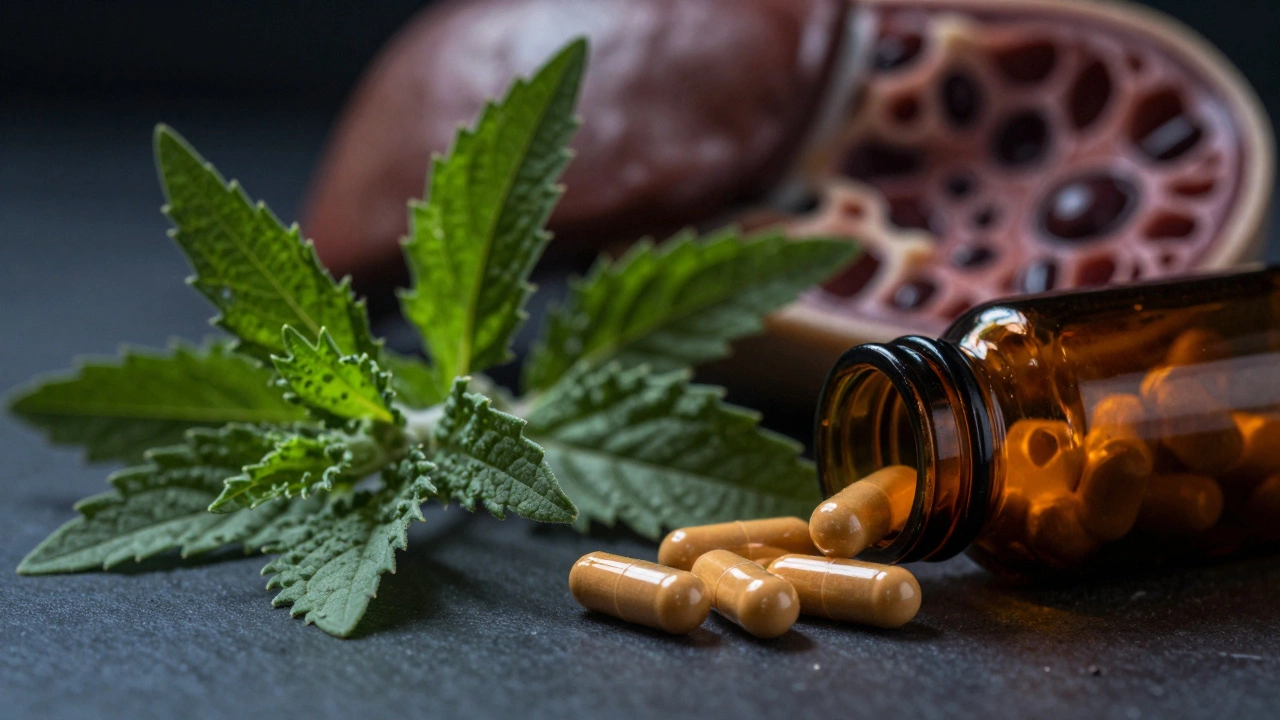
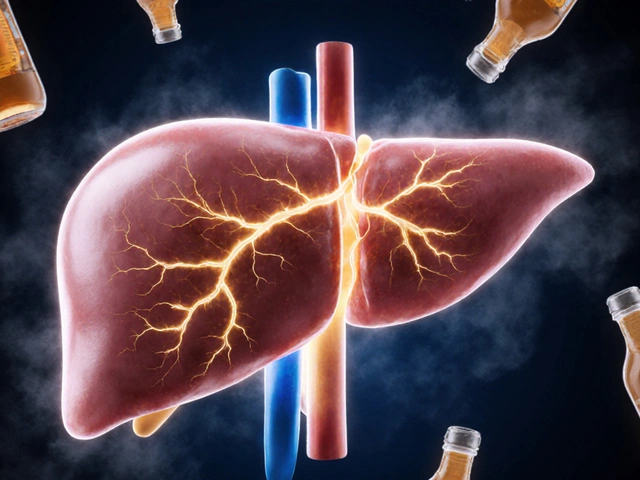
To understand why certain pairs are dangerous, you need to look at your liver. Your liver has a cleanup crew called enzymes. Specifically, a group known as Cytochrome P450 enzymes processes most medications and plant compounds. When you introduce a herb that boosts these enzymes, it speeds up the breakdown of other drugs, making them useless before they work. Conversely, if an herb slows these enzymes down, the medication builds up to toxic levels.
This isn’t just theory. It happens every day in pharmacies. Think of it like cooking. If you add too much salt to a dish that already has salty broth, the meal becomes inedible. In your body, mixing the wrong ingredients can turn a beneficial treatment into a poisoning risk. The goal here is to spot those risky pairs before they harm you.
Dangerous Pairings for Blood Thinning
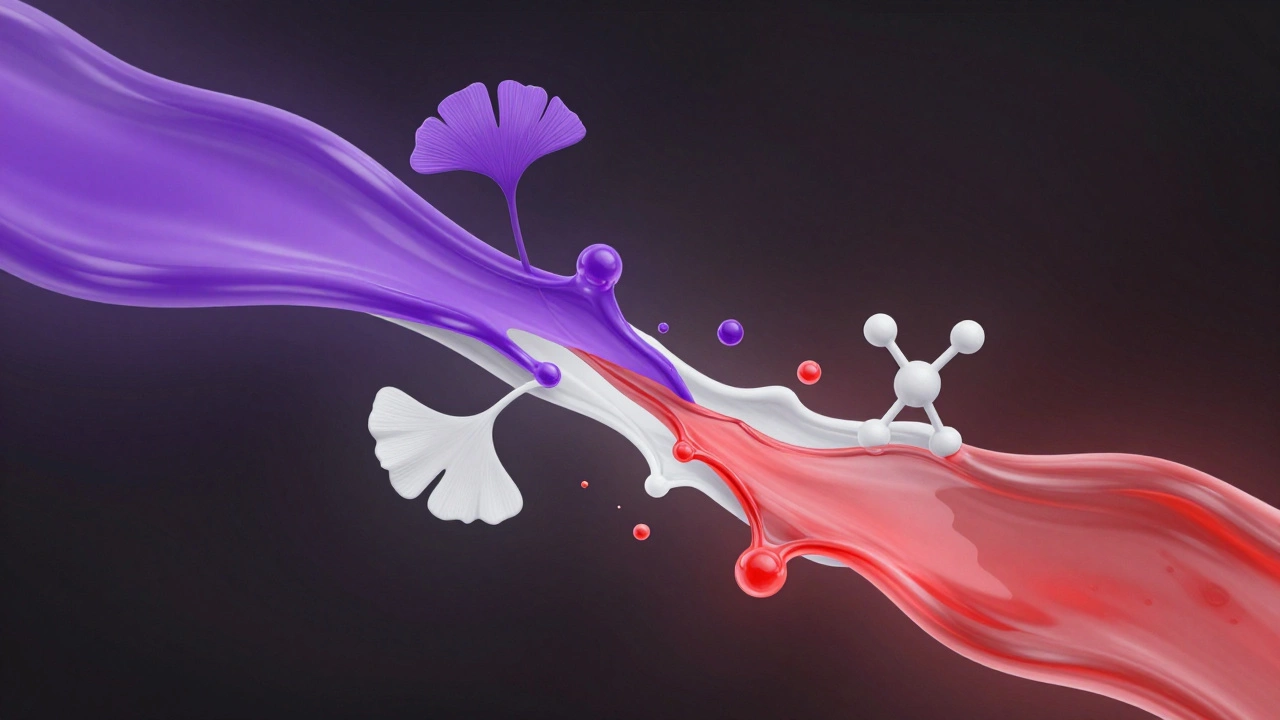
If you take medication to prevent clots or lower your heart attack risk, you need extreme caution with herbs that affect bleeding. Ginkgo Biloba is a popular brain booster that thins blood naturally. On its own, it can be fine, but mix it with prescription blood thinners, and the math changes instantly.
Ginkgo + Warfarin: Warfarin prevents clotting by targeting vitamin K pathways. Ginkgo inhibits platelet aggregation. Taking both increases your risk of internal bleeding significantly.
Garlic Supplements + Aspirin: Food-grade garlic is usually okay. However, concentrated garlic supplements act similarly to aspirin. Combine them, and you might bruise after a minor bump or bleed excessively after dental work.
Vitamin E + Anticoagulants: High-dose Vitamin E has anti-clotting properties. Adding it to a blood thinner stack amplifies the effect beyond safety limits.
Patients often don’t realize this until they notice purple spots on their legs or nosebleeds that won't stop. Always disclose every supplement to your cardiologist.
The Sedative Trap: Brain and Sleep
Many people turn to herbs to relax before bed. This seems harmless until you combine them with alcohol or prescription sleep aids. Valerian Root works similarly to benzodiazepines by increasing GABA levels in the brain. If you mix Valerian with prescription sedatives like Xanax or Ambien, or even take a glass of wine along with it, you risk respiratory depression. Essentially, your breathing could slow down dangerously.
Kava is another big one. Often sold as an anxiety aid, Kava affects liver metabolism. Mixing Kava with alcohol or other Central Nervous System depressants creates a compounding effect. You aren't just getting sleepier; you are potentially damaging liver function while risking blackouts.
Blood Pressure Battles
Hypertension requires careful management, but some herbs try to help in ways that conflict with standard medication. Licorice Root contains glycyrrhizin. This compound mimics aldosterone, a hormone that tells your kidneys to hold onto salt and water. Drinking licorice tea daily can actually raise your blood pressure, completely canceling out the effects of drugs like Lisinopril or Amlodipine.
If you are trying to manage heart failure or high blood pressure, avoid St. John's Wort as well. While often used for mood, it interferes with the absorption of digoxin, a common heart medication. You could end up with stable pressure but unstable heart rhythms because the medicine isn't staying in your bloodstream.
Common Herb-Drug Conflicts Summary
Primary Herb
Avoid Mixing With
Risk Level
Ginkgo Biloba
Warfarin, Aspirin, NSAIDs
High
St. John's Wort
Birth Control, SSRIs, Antidepressants
Very High
Licorice Root
Blood Pressure Meds, Diuretics
Moderate to High
Kava
Alcohol, Sleeping Pills
High
Panicled Ginseng
Blood Pressure, Diabetes Meds
Moderate
The Great Disruptor: St. John's Wort
This herb deserves its own spotlight because it causes more problems than almost any other plant. People love it for mild depression, but St. John's Wort induces powerful liver enzymes. It acts like a speed dial for the body to dump drugs out of your system faster than normal.
Imagine taking birth control pills for pregnancy prevention. If you add St. John's Wort, you lower the concentration of hormones in your blood so much that the pill stops working. Similarly, organ transplant patients often take immunosuppressants. Mixing these with St. John's Wort can lead to organ rejection because the drug levels drop below therapeutic range.
It also interacts with antidepressants. Combining it with Serotonin Reuptake Inhibitors (SSRIs) like Fluoxetine can trigger Serotonin Syndrome. Symptoms include confusion, high fever, muscle rigidity, and rapid heart rate. It is a medical emergency that starts quietly but escalates fast.
Sugar Swings: Diabetes and Herbs
Managing diabetes often involves keeping blood glucose steady. Herbs like Gymnema Sylvestre or Fenugreek help lower sugar. That sounds good until you pair them with insulin or Metformin. Both lower blood sugar, which means two agents are pushing the needle down simultaneously.
The result is hypoglycemia, or dangerously low blood sugar. You might feel shaky, confused, sweaty, or pass out. This is particularly risky if you don't test your glucose frequently. Some herbs mask the symptoms of low blood sugar, meaning you might feel fine internally while your numbers are dropping critically.
Liver Stress and Kidney Strain
We often forget that our organs need to filter everything we ingest. Acetaminophen is a common painkiller found in many homes. Taking it with Kava or Valerian puts immense stress on the liver because they compete for the same metabolic pathways. Over time, this can cause liver inflammation or failure.
Kidney issues are less obvious but equally dangerous. Aristolochic acid was historically present in some traditional medicines and caused kidney damage. Even modern herbal blends sometimes contain hidden fillers. Using products without quality testing increases the chance of ingesting heavy metals like lead or mercury, which accumulate in the kidneys.
How to Vet Your Herbal Stack
Before mixing herbs, follow these practical steps. Safety comes from verification, not assumptions.
List Everything: Write down every vitamin, herb, and prescription drug you take.
Check the Label: Look for warnings about interactions. Most reputable brands print "Consult a physician" for this exact reason.
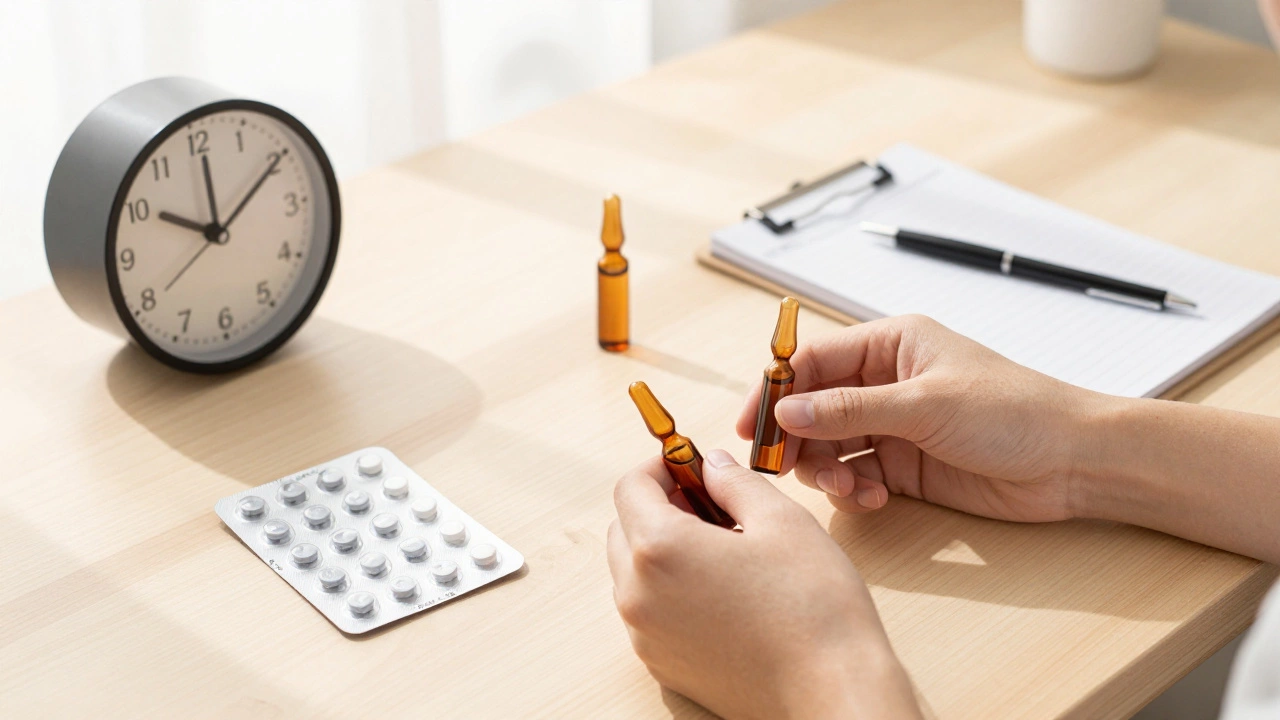
The 4-Hour Rule: Try to separate doses. If you must take an herb and a med, space them 4 hours apart to reduce direct interaction in the digestive tract.
Start Low: Never start two new supplements on the same day. Introduce one, watch for reactions for a week, then consider adding another.
Ask Your Pharmacist: They have access to extensive databases that check for specific cross-reactions between OTC herbs and your prescriptions.
Remember, herb interactions are real biological events. Nature is powerful, but power requires respect and precision. By being informed, you protect your body's delicate balance.
Can I mix Turmeric with blood thinners?
Turmeric has mild anti-coagulant properties. For most people eating turmeric curry, it is safe. However, high-dose Turmeric supplements (often 500mg+) combined with Warfarin or Aspirin require monitoring because they can increase bleeding time.
Is it safe to mix Ashwagandha with thyroid medication?
Ashwagandha may stimulate the thyroid gland. If you are already taking Synthroid or Levothyroxine, this combination could push thyroid levels too high. Monitor your TSH levels closely and consult your doctor before combining.
Does Green Tea interact with iron supplements?
Yes, tannins in Green Tea block iron absorption. Drink your tea at least 1 hour apart from taking iron supplements to ensure you get the full benefit of the minerals.
Are there safe times to take herbs and drugs together?
Spacing is key. Separating intake by 2 to 4 hours reduces competition for absorption sites in the gut. This doesn't fix enzyme-based interactions (like St. John's Wort), but it helps with absorption conflicts.
Why do natural remedies still cause liver damage?
Herbs contain potent bioactive chemicals (alkaloids and polyphenols) that must be metabolized. Overloading the liver with these compounds, especially alongside processed pharmaceuticals, overwhelms the detoxification pathways, leading to cell death.