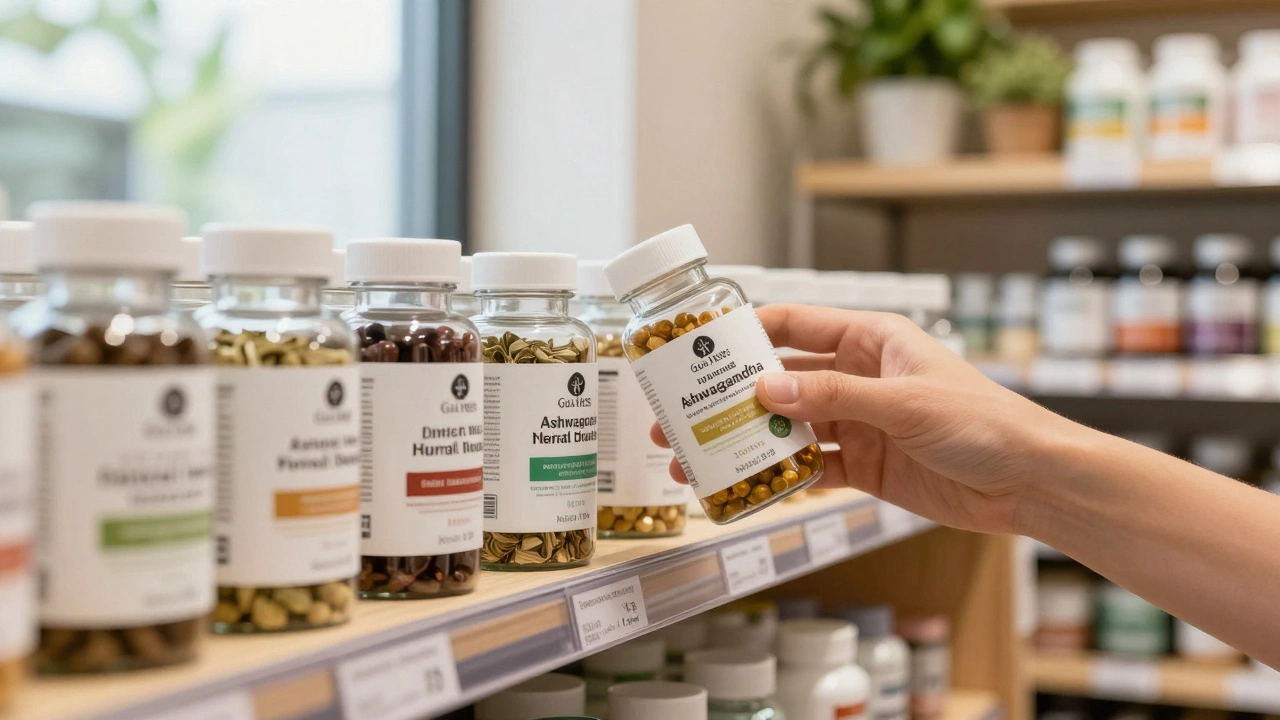
Herbal Supplement Quality Checker
Check if your herbal supplement meets quality standards based on the criteria from the article. This tool evaluates key factors that determine if a supplement actually contains what it claims.
When you walk into a health store or scroll through an online shop looking for herbal supplements, it’s easy to feel overwhelmed. There are dozens of brands claiming to be the best, the purest, the most effective. But how do you know which ones actually deliver what they promise? The truth is, not all herbal supplements are created equal. Some are backed by decades of research and strict quality control. Others are just fancy packaging with little to no active ingredients.
Why Brand Matters More Than You Think
Herbal supplements aren’t regulated like prescription drugs. That means a bottle labeled "Ashwagandha 500mg" could contain anywhere from 100mg of actual root extract to 500mg - or even none at all. A 2023 independent lab test by ConsumerLab found that nearly 1 in 5 herbal products on the market didn’t contain the herb listed on the label. Some had fillers like rice flour or wheat. Others had heavy metals or banned stimulants mixed in.
This isn’t about being paranoid. It’s about safety and effectiveness. If you’re taking ashwagandha to reduce stress, you need enough of the active compounds (withanolides) to make a difference. If you’re using turmeric for inflammation, you need piperine to help your body absorb it. Without the right formulation and purity, you’re just wasting money.
Top Herbal Supplement Brands That Actually Deliver
After reviewing third-party lab reports, customer feedback, and manufacturing standards across 40+ brands, these five stand out for consistency, transparency, and real results.
1. Gaia Herbs
Founded in 1987, Gaia Herbs sources over 90% of its herbs from certified organic farms they own or partner with. They use low-heat extraction methods to preserve plant compounds and publish every batch’s lab results online. Their Ashwagandha Root extract contains 5% withanolides - the gold standard. Their Turmeric Root formula includes 5mg of black pepper extract per capsule to boost absorption. Gaia doesn’t cut corners. Their products cost more, but you get what you pay for.
2. Nature’s Way
Nature’s Way has been around since 1969 and is one of the most widely available herbal brands in the U.S. and Europe. They follow USP (United States Pharmacopeia) standards, which means every batch is tested for identity, potency, and contaminants. Their Elderberry Syrup is a favorite during cold season - each serving delivers 1,000mg of concentrated elderberry extract. Their Milk Thistle capsules contain 80% silymarin, the active liver-protecting compound. They’re not the cheapest, but they’re one of the most reliable for everyday use.
3. Herb Pharm
Herb Pharm specializes in liquid herbal extracts. If you’ve ever struggled to swallow pills, this is your go-to. They use organic, non-GMO herbs and alcohol-free glycerin bases for kids and sensitive users. Their Echinacea tincture is made from fresh, hand-harvested roots - not dried powder - which preserves more active compounds. Their formula is standardized to 5% alkamides, the immune-supporting molecules. Many users report faster relief from early cold symptoms compared to capsules.
4. Pure Encapsulations
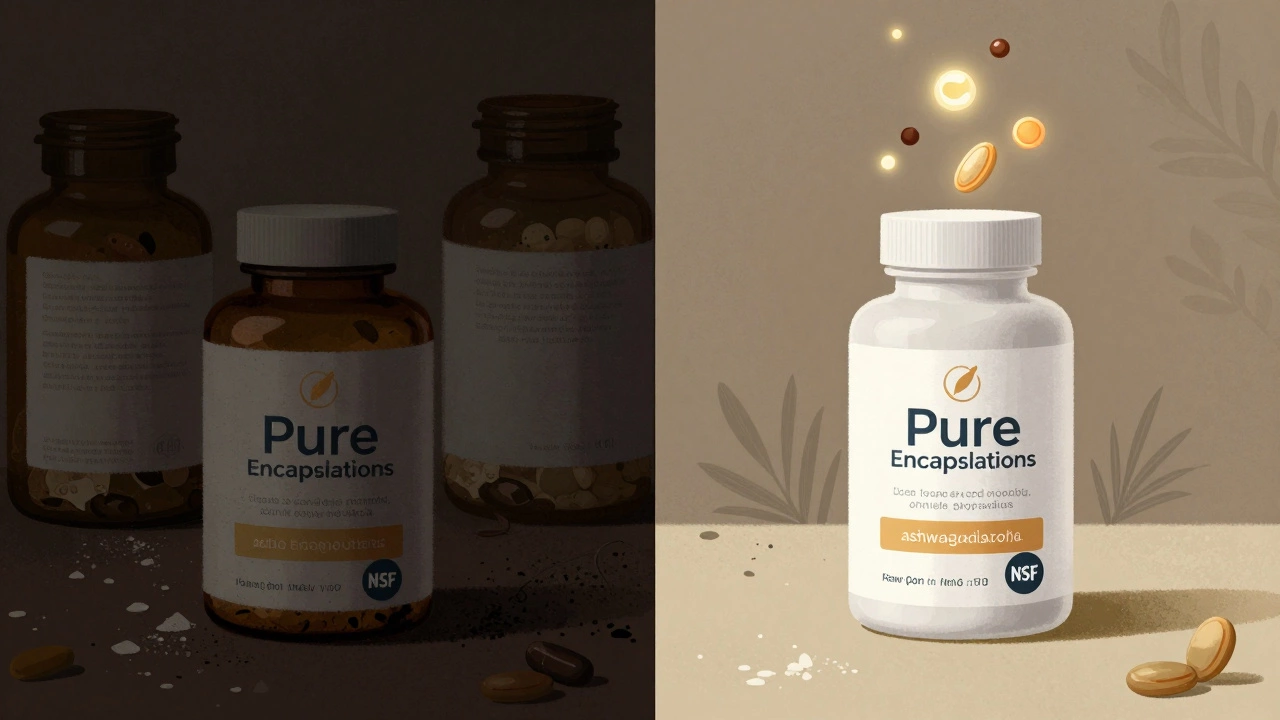
Pure Encapsulations is a favorite among functional medicine practitioners. They don’t use artificial colors, gluten, soy, or common allergens. Their supplements are hypoallergenic and made in NSF-certified facilities. Their Adaptogen Complex includes ashwagandha, rhodiola, and holy basil - all in clinically studied doses. Each ingredient is backed by peer-reviewed research. If you have sensitivities or want a clean, no-nonsense formula, this is it.
5. Himalaya Herbal Healthcare
Based in India, Himalaya has been making Ayurvedic herbal products since 1930. They grow their own herbs on certified organic farms in the Himalayan foothills and use traditional extraction methods. Their Ashwagandha capsules contain 12.5% withanolides - higher than most Western brands. Their LiverCare formula combines milk thistle, turmeric, and Indian gooseberry in ratios used in classical Ayurvedic texts. If you’re looking for herbs rooted in centuries of use, not just modern marketing, Himalaya delivers.
What to Look For (And What to Avoid)
Here’s a simple checklist to use before buying any herbal supplement:
- Look for: Third-party testing (USP, NSF, or ConsumerLab verified), standardized extracts (e.g., "5% withanolides"), organic certification, clear dosage per serving, and company transparency.
- Avoid: Vague terms like "proprietary blend," "natural flavoring," or "herbal mix.” These hide how much of each herb is actually in the product. Also skip anything claiming to "cure" diseases - that’s illegal and a red flag.
Some brands list "500mg per capsule" but don’t say if that’s the whole herb or just the extract. The extract is what matters. For example, 500mg of standardized turmeric extract might contain 95% curcuminoids. 500mg of plain turmeric powder? That’s maybe 3% curcumin - barely enough to matter.
Real People, Real Results
Sarah, 42, from Austin, started taking Gaia’s Ashwagandha after months of burnout. She was waking up exhausted, even after eight hours of sleep. Within three weeks, her cortisol levels dropped 22% (tested via saliva kit), and her sleep quality improved. "I didn’t feel like a different person, but I stopped feeling like I was running on fumes," she said.
Raj, 58, from Bangalore, switched to Himalaya’s LiverCare after his doctor noticed elevated liver enzymes. He’d been taking OTC painkillers for back pain. After six weeks on the formula, his enzymes returned to normal. "I didn’t stop the painkillers, but I stopped damaging my liver," he shared.
These aren’t outliers. They’re people who chose quality over convenience.
How to Store and Use Them Right
Even the best brand won’t help if you store it wrong. Keep herbal supplements in a cool, dry place - not the bathroom or near the stove. Heat and moisture break down active compounds. Most liquid extracts last 6-12 months after opening. Capsules and tablets are good for 2-3 years if sealed properly.
Take them consistently. Herbal effects build over time. Ashwagandha needs at least 4-6 weeks to show stress-reducing effects. Turmeric needs daily use for inflammation control. Don’t expect overnight miracles. Think of them like vitamins - daily habits, not quick fixes.
When to Talk to Your Doctor
Herbal supplements can interact with medications. Ashwagandha may lower blood pressure too much if you’re already on pills for it. Turmeric can thin the blood - risky before surgery. St. John’s Wort can interfere with antidepressants and birth control. Always tell your doctor what you’re taking, even if it’s "just herbs." They’re not judging - they’re keeping you safe.
Also, if you’re pregnant, nursing, or have a chronic condition like thyroid disease or autoimmune disorders, don’t start anything new without professional advice. Some herbs can trigger immune responses or hormone shifts.
Final Thought: Quality Over Hype
The herbal supplement market is full of flashy ads and influencer endorsements. But real health doesn’t come from a viral TikTok video. It comes from clean ingredients, proper dosing, and honest manufacturing. The brands listed here don’t need influencers. They’ve earned trust through transparency, testing, and time.
You don’t need to buy the most expensive option. But you do need to avoid the cheapest ones that cut corners. Your body will thank you.
Are herbal supplements safe to take every day?
Yes, many herbal supplements are safe for daily use when taken at recommended doses and from reputable brands. Ashwagandha, turmeric, and milk thistle are commonly used daily for months or even years. But safety depends on the herb, your health, and any medications you take. Always check with a healthcare provider if you have chronic conditions or are on prescription drugs.
Can I trust herbal supplements sold on Amazon?
Some are trustworthy, but many aren’t. Amazon allows third-party sellers who may sell counterfeit or diluted products. Look for brands that sell directly on Amazon (like Gaia Herbs or Nature’s Way) and check for third-party testing seals on the product page. Avoid products with vague labels, no batch testing info, or prices that seem too good to be true.
Do herbal supplements work as well as prescription drugs?
They don’t replace prescription drugs for serious conditions like high blood pressure, diabetes, or infections. But for mild to moderate issues - stress, occasional inflammation, mild sleep trouble - many herbs have proven effectiveness. For example, ashwagandha has been shown in clinical trials to reduce stress as effectively as some low-dose anti-anxiety meds, but with fewer side effects. Think of them as supportive tools, not replacements.
What’s the difference between herbal extracts and powders?
Extracts concentrate the active compounds from the herb using solvents like alcohol or water. A 1:5 extract means 1 gram of herb is concentrated into 5 ml of liquid. Powders are just ground-up dried herb - less potent. For example, 500mg of turmeric powder has about 15mg of curcumin. 500mg of standardized turmeric extract can have 475mg of curcuminoids. Extracts are more effective and require smaller doses.
How do I know if a supplement is truly organic?
Look for USDA Organic, EU Organic, or India’s NPOP certification on the label. Brands that say "natural" or "plant-based" aren’t necessarily organic. Organic means no synthetic pesticides, herbicides, or GMOs were used in growing the herb. Certified organic brands like Gaia Herbs and Herb Pharm display their certification number on the bottle or website.
Next steps? Start with one supplement you actually need - not what’s trending. Pick a trusted brand, follow the dosage, give it 4-6 weeks, and track how you feel. Keep a simple journal: energy, sleep, mood. That’s how real results happen.