Cancer Detection & Blood Work Visibility Checker
Select a cancer type below to see how visible it is in standard blood panels and what diagnostic tools are actually required.
Please select a cancer type and click "Check Visibility" to see results.
You walk into the clinic, roll up your sleeve, and get a standard panel of blood tests. The results come back "normal," and you breathe a sigh of relief. But here is the uncomfortable truth: blood work misses many cancers entirely. It is not a magic bullet for detecting every malignancy lurking in your body. In fact, some of the most common and dangerous cancers often show zero abnormalities in routine blood panels until they are quite advanced.
If you are relying solely on annual blood tests to rule out cancer, you might be operating under a false sense of security. Understanding which cancers hide from these tests is crucial for knowing when to push for further imaging or specialist referrals. This guide breaks down why blood work has blind spots, which specific cancers evade detection, and what signs you should watch for instead.
The Reality Check: Why Blood Tests Miss Cancer
To understand the gaps, you first need to know what blood work actually looks at. Standard panels measure things like red and white blood cell counts, liver enzymes, kidney function, and glucose levels. They are excellent for spotting systemic issues like anemia, infection, diabetes, or organ failure. However, they are not designed to detect solid tumors directly.
Cancer cells do not always leak enough biological material into the bloodstream to trigger an alarm. A small tumor in your lung or breast might grow quietly for years without altering your complete blood count (CBC) or comprehensive metabolic panel (CMP). Even specialized tests called tumor markers are far from perfect. These proteins or antigens produced by cancer cells can sometimes rise due to benign conditions, leading to false positives, or remain normal despite the presence of aggressive cancer, leading to false negatives.
Think of it this way: if cancer were a fire, blood work might tell you the smoke detector is broken or that the house is getting hot, but it won’t tell you which room is burning-or even that there is a fire at all-until the flames have spread significantly.
Solid Tumors: The Silent Majority
The biggest category of cancers that don't show up in blood work involves solid tumors. These are masses of tissue found in organs like the lungs, breasts, colon, prostate, and ovaries. Unlike blood cancers (leukemia), which originate in the marrow and flood the bloodstream with abnormal cells, solid tumors stay localized for long periods.
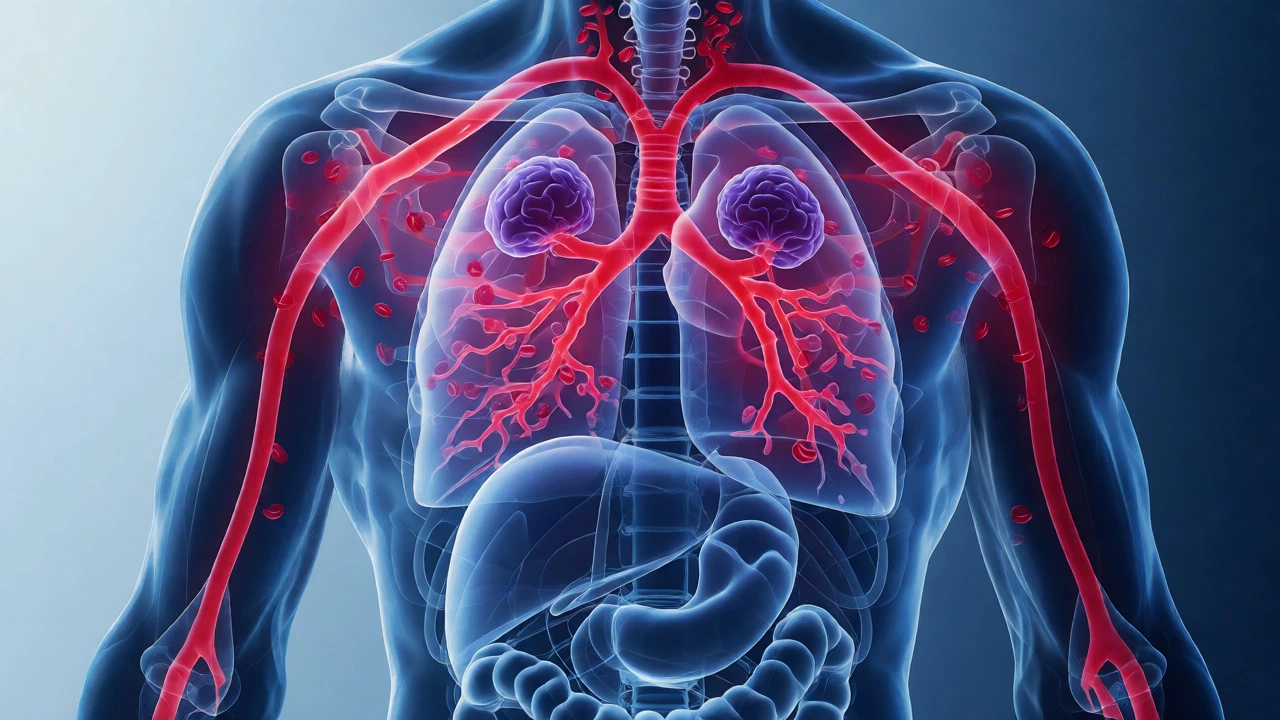
Lung cancer is a prime example. Unless it has metastasized or caused significant inflammation, your blood counts will likely look perfectly healthy. Screening relies heavily on low-dose CT scans for high-risk smokers, not blood tests. Similarly, Breast cancer rarely alters routine blood chemistry in its early stages. Mammograms and ultrasounds are the gold standards here because they visualize the physical mass rather than guessing its presence through chemical proxies.
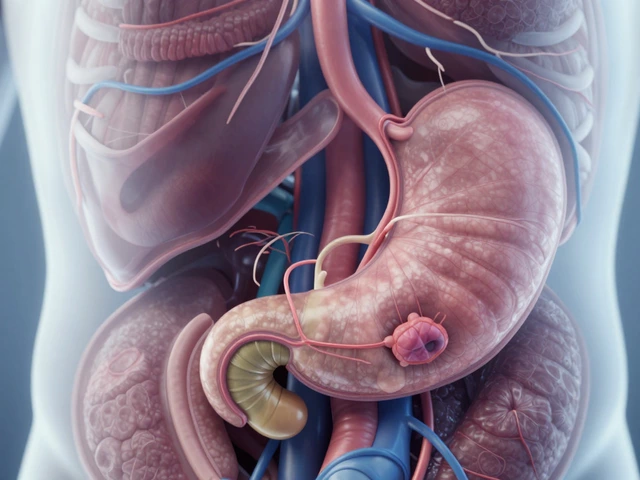
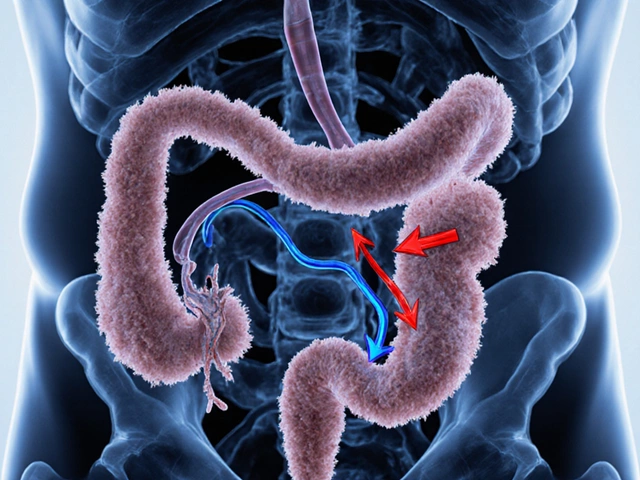
Gastrointestinal cancers, including Colon cancer, also fly under the radar initially. While severe bleeding from a polyp might cause iron-deficiency anemia (visible in a CBC), many early-stage colon cancers do not bleed enough to change your hemoglobin levels. That is why colonoscopies remain the critical screening tool, not blood draws.
Brain and Nervous System Cancers
Your brain is protected by the blood-brain barrier, a selective filter that keeps toxins out of neural tissue. Unfortunately, this barrier also keeps tumor markers out of the bloodstream. Consequently, primary brain tumors like gliomas or meningiomas typically do not raise any flags in standard blood work.
Patients often present with neurological symptoms-headaches, seizures, vision changes, or balance issues-long before any blood test would suggest a problem. If your doctor suspects a brain issue based on these symptoms, they will order an MRI or CT scan, not a repeat blood panel. Relying on blood work to screen for brain cancer is essentially waiting for a symptom that isn't there yet.
Reproductive Cancers: Ovarian and Cervical
Ovarian cancer is notoriously difficult to catch early, earning it the nickname "the silent killer." There is currently no recommended routine blood screening for ovarian cancer in average-risk women. The tumor marker CA-125 exists, but it is unreliable for general screening. Many women with advanced ovarian cancer have normal CA-125 levels, while many healthy women have elevated levels due to endometriosis or menstruation.
Cervical cancer follows a different path. It is primarily detected through Pap smears and HPV testing, which sample cells directly from the cervix. Blood work plays almost no role in early cervical cancer detection. By the time cervical cancer might affect blood parameters, it has usually progressed beyond the earliest, most treatable stages.
When Blood Work Does Help: Exceptions and Nuances
It is not all bad news. Some cancers do interact with blood components, making them easier to spot. Leukemia and lymphoma often show clear abnormalities in a Complete Blood Count, such as unusually high white blood cell counts or unexplained anemia. Multiple myeloma, a cancer of plasma cells, frequently causes elevated calcium levels or kidney dysfunction visible in a CMP.
Prostate cancer sits in a gray area. The PSA (prostate-specific antigen) test is a blood test, but it is controversial. A high PSA doesn't guarantee cancer (it could be benign enlargement), and a normal PSA doesn't rule it out. Therefore, while it is a blood-based test, it is not part of the standard "routine" panel and requires careful interpretation alongside digital exams or biopsies.
| Cancer Type | Blood Work Visibility | Primary Screening Tool |
|---|---|---|
| Lung Cancer | Low (unless late stage) | Low-Dose CT Scan |
| Breast Cancer | Very Low | Mammogram / Ultrasound |
| Colon Cancer | Low (unless bleeding) | Colonoscopy / Stool Test |
| Brain Cancer | None | MRI / CT Scan |
| Leukemia | High | CBC / Bone Marrow Biopsy |
| Thyroid Cancer | Low (TSH may be normal) | Ultrasound / Physical Exam |

Skin Cancers: Visible but Invisible to Blood
It sounds obvious, but melanoma and other skin cancers never show up in blood work. You cannot diagnose a changing mole with a blood draw. Diagnosis requires visual inspection and biopsy. However, once melanoma becomes metastatic (spreads to other organs), it might begin to influence liver enzymes or lactate dehydrogenase (LDH) levels in blood tests. But again, this is a sign of advanced disease, not early detection. Regular self-exams and dermatologist visits are your only real defense here.
What Should You Do Instead?
If blood work isn't a reliable cancer shield, how do you stay safe? The answer lies in targeted screening guidelines based on age, gender, family history, and risk factors. Don't assume a "clean bill of health" from your GP's blood panel means you are cancer-free.
- Know your family history: If close relatives had breast, ovarian, or colon cancer, ask about genetic testing (like BRCA mutations) and earlier start dates for screenings.
- Follow age-appropriate guidelines: Start mammograms, colonoscopies, and Pap smears when recommended by major health organizations, regardless of how good your blood work looks.
- Listen to your body: Unexplained weight loss, persistent fatigue, new lumps, changes in bowel habits, or unusual bleeding are red flags that warrant investigation, even if your last blood test was normal.
- Discuss risk factors: Smokers need lung screening. Heavy drinkers need liver checks. Those with lots of sun exposure need skin checks.
Remember, medicine is moving toward multi-cancer early detection (MCED) tests, which analyze cell-free DNA in the blood. These emerging technologies show promise in catching signals that traditional panels miss, but they are not yet standard care for everyone. For now, combining blood work with physical exams and imaging remains the best strategy.
Can I have cancer with normal blood work?
Yes, absolutely. Many solid tumors, including early-stage breast, lung, and colon cancers, do not alter standard blood markers. Normal blood work rules out certain systemic issues but does not rule out localized tumors.
Which cancers are easiest to detect via blood tests?
Blood cancers like leukemia and lymphoma are often detected through abnormalities in a Complete Blood Count (CBC). Multiple myeloma can also be flagged by elevated protein levels or kidney function issues in a Comprehensive Metabolic Panel.
Is a tumor marker test better than routine blood work?
Not necessarily for screening. Tumor markers (like PSA, CA-125, or AFP) are more specific but prone to false positives and negatives. They are generally used to monitor known cancer treatment response rather than to screen the general population for new cancers.
Why doesn't thyroid cancer show up in blood work?
Most thyroid cancers do not affect thyroid hormone levels (TSH, T3, T4). Your thyroid can function normally even if a malignant nodule is present. Detection relies on ultrasound and fine-needle aspiration biopsy, not blood tests.
Should I ask for a full-body scan if my blood work is normal?
Full-body scans are not routinely recommended for asymptomatic people due to radiation exposure and high rates of incidental findings. Instead, follow evidence-based screening guidelines for specific organs based on your age and risk profile.