Belly Fat Loss Strategy Calculator
Your Details
Daily Protein Goal
To preserve muscle while losing fat
Target range: 1.6g - 2.2g per kg of body weight
Estimated Session Burn
Based on average metabolic rates
Expert Insight
Select an exercise type to see specific advice.
Enter your weight and workout details to generate a personalized fat-loss strategy.
The Hard Truth: You Can't Pick Where You Lose Fat
Here is the uncomfortable reality that most fitness ads ignore: there is no single exercise that targets belly fat exclusively. If you do a thousand crunches a day but eat a surplus of calories, your abs will get stronger, but they will stay hidden under the same layer of adipose tissue. This concept is known as spot reduction, and decades of research have proven it to be largely a myth. Your body decides where to burn fat based on genetics, hormones, and age, not on which muscle group you are currently working out.
So, if crunches aren't the magic bullet, what actually works? The answer lies in creating a total-body calorie deficit while prioritizing exercises that maximize energy expenditure and hormonal balance. To lose belly fat, you need a strategy that attacks the problem from three angles: high-intensity cardio, heavy resistance training, and consistent daily movement.
Why Belly Fat Is Different (And Dangerous)
Before picking up weights or hitting the treadmill, it helps to understand what you are fighting against. Not all fat is created equal. There are two main types of abdominal fat:
- Subcutaneous fat: This is the pinchable fat just under your skin. It’s annoying aesthetically, but relatively harmless metabolically.
- Visceral fat: This is the deep-seated fat that wraps around your liver, pancreas, and intestines. It’s the dangerous kind. Visceral fat is metabolically active, meaning it releases inflammatory chemicals and free fatty acids directly into your liver. High levels of visceral fat are linked to type 2 diabetes, heart disease, and certain cancers.
The good news? Visceral fat is often the first to go when you start exercising and eating correctly because it is highly responsive to insulin sensitivity improvements. Subcutaneous fat tends to be more stubborn and genetically determined.
The Top Exercises for Burning Abdominal Fat
Since you can't target the belly directly, you must choose exercises that burn the most calories overall and build the most muscle. Muscle tissue burns more calories at rest than fat tissue does, raising your basal metabolic rate (BMR). Here are the most effective categories of movement for reducing waist circumference.
1. High-Intensity Interval Training (HIIT)
If you only have 20 minutes, HIIT is your best friend. Studies consistently show that HIIT is superior to steady-state cardio for reducing visceral fat. The mechanism involves Excess Post-exercise Oxygen Consumption (EPOC), often called the "afterburn effect." After a intense HIIT session, your body continues to burn calories at an elevated rate for hours as it repairs itself and restores oxygen levels.
A typical HIIT workout might look like this:
- Sprint at 90% effort for 30 seconds.
- Walk or jog slowly for 60 seconds.
- Repeat for 15-20 minutes.
You don’t need a treadmill. Burpees, mountain climbers, and jump squats are excellent bodyweight alternatives that spike your heart rate just as effectively.
2. Compound Resistance Training
Isolation exercises like bicep curls have their place, but for fat loss, compound movements are king. These exercises recruit multiple large muscle groups simultaneously, requiring significant energy output. The bigger the muscles involved, the more calories you burn during and after the workout.
Focus on these five foundational lifts:
- Squats: Targets quads, glutes, and core stabilizers.
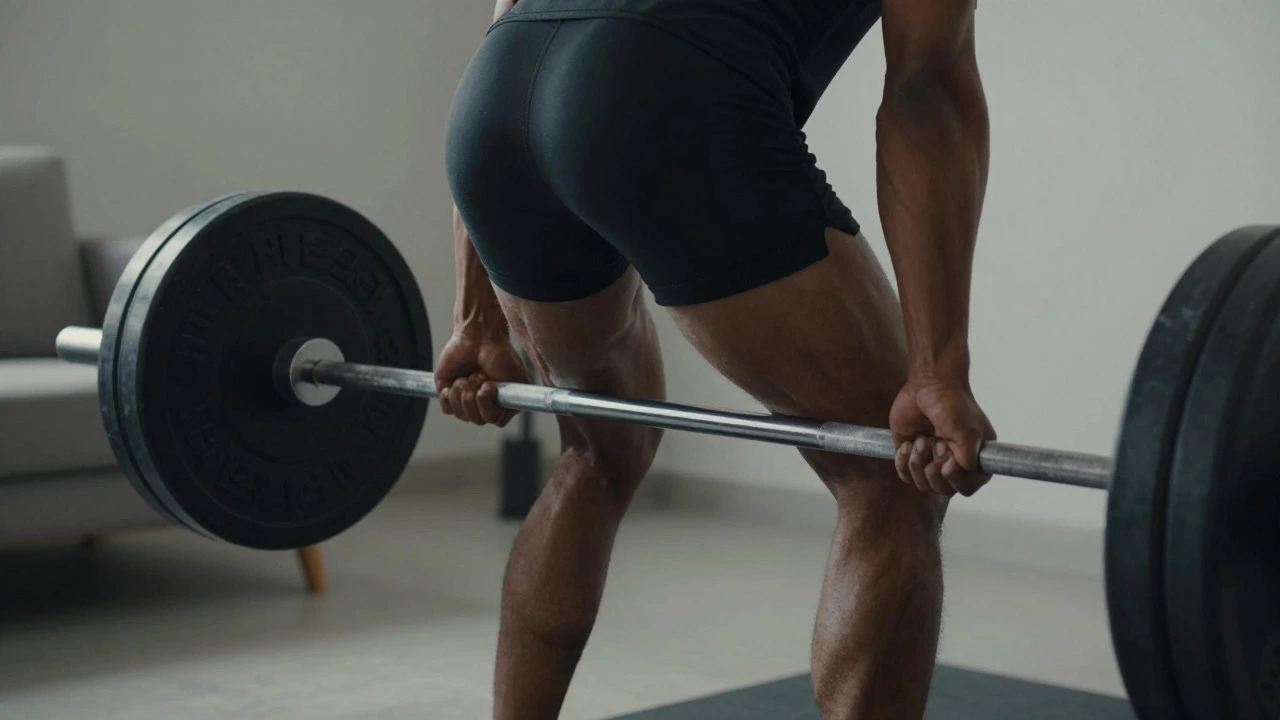
- Deadlifts: Engages the posterior chain (hamstrings, back, glutes) and deeply activates the core for stabilization.
- Overhead Presses: Works shoulders and requires significant core tension to prevent leaning back.
- Bench Press: Builds chest and triceps while engaging the core.
- Rows: Strengthens the back and improves posture, which immediately makes your midsection appear flatter.
Building muscle through these lifts increases your resting metabolism. A pound of muscle burns roughly 6 calories a day at rest, whereas a pound of fat burns only about 2. Over a year, that difference adds up significantly.
3. Steady-State Cardio (LISS)
Don’t dismiss low-intensity steady-state cardio like brisk walking, cycling, or swimming. While it doesn’t create the same EPOC effect as HIIT, it is highly sustainable and places less stress on the central nervous system. For many people, especially those new to exercise or carrying extra weight, LISS allows for longer duration sessions, leading to a higher total calorie burn per session without the risk of injury or burnout associated with high-impact sprinting.
| Exercise Type | Calorie Burn (During) | Afterburn Effect (EPOC) | Muscle Building | Best For |
|---|---|---|---|---|
| HIIT | High | Very High | Moderate | Time-crunched individuals, advanced fitness levels |
| Resistance Training | Moderate | Moderate | High | Long-term metabolic boost, body recomposition |
| Steady-State Cardio | Moderate to High (depends on duration) | Low | Low | Recovery days, beginners, joint-friendly activity |
| Core Isolation (Crunches) | Low | Negligible | Low (Local only) | Strengthening existing abs, not fat loss |
The Role of Diet: You Can't Out-Train a Bad Diet
Exercise creates the deficit; diet controls the fuel. No amount of burpees will melt away belly fat if you are consuming more energy than you expend. To lose visceral fat, you need to focus on nutrient-dense foods that regulate blood sugar and insulin levels.
High insulin levels signal your body to store fat, particularly in the abdominal area. Therefore, reducing refined carbohydrates (sugar, white bread, pastries) and increasing fiber intake is crucial. Soluble fiber, found in oats, beans, and avocados, absorbs water and forms a gel that slows down food as it passes through your digestive system. This keeps you full longer and reduces cravings.
Protein is another critical component. Aim for 1.6 to 2.2 grams of protein per kilogram of body weight. Protein has a high thermic effect of food (TEF), meaning your body burns more calories digesting protein than it does carbs or fats. It also preserves lean muscle mass during weight loss, ensuring that the weight you lose comes from fat, not muscle.
Lifestyle Factors That Sabotage Belly Fat Loss
You can exercise perfectly and eat clean, but if your lifestyle undermines your efforts, progress will stall. Two major culprits are sleep deprivation and chronic stress.
Cortisol and Stress
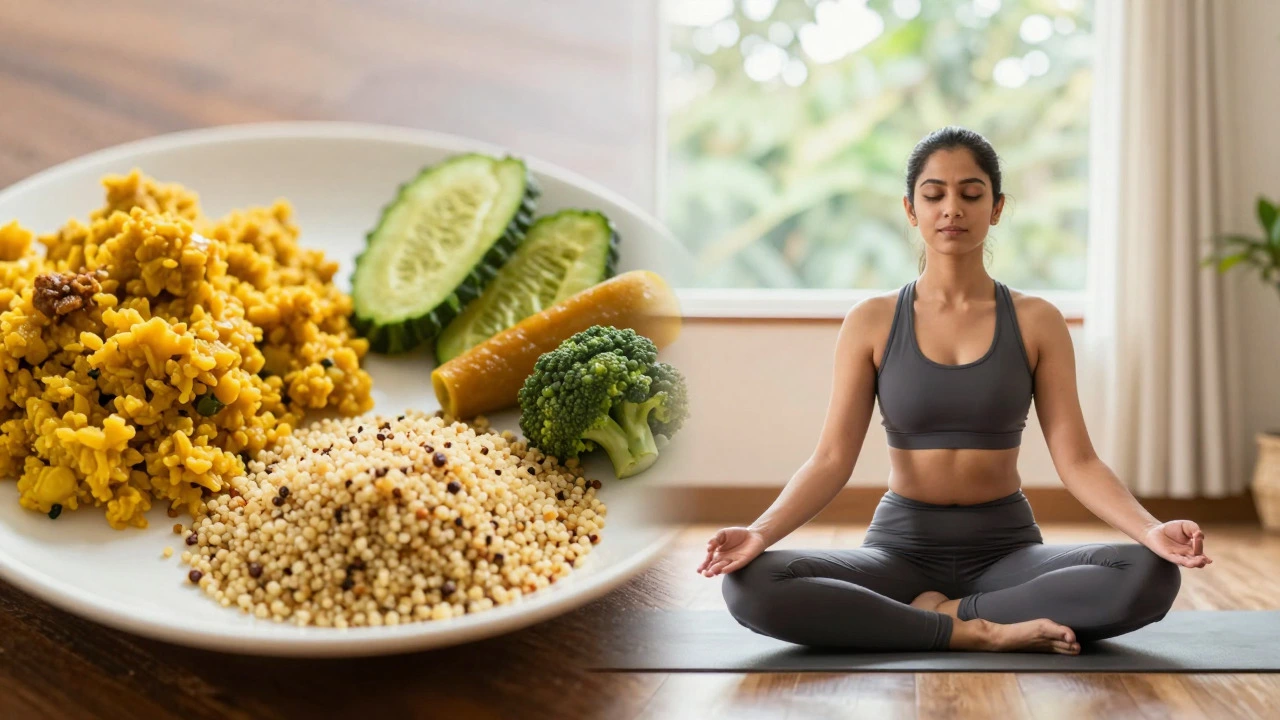
When you are stressed, your body produces cortisol, a hormone that helps manage stress but also promotes fat storage in the abdominal region. Chronic elevation of cortisol breaks down muscle tissue for energy and increases appetite, specifically for high-calorie, sugary comfort foods. Managing stress through meditation, yoga, or simply adequate downtime is not just "wellness" advice; it is a physiological requirement for losing belly fat.
Sleep Quality
Poor sleep disrupts the balance of hunger hormones. Ghrelin (the hunger hormone) increases, while leptin (the satiety hormone) decreases. Research shows that adults who sleep less than six hours a night have significantly higher amounts of visceral fat compared to those who sleep seven or more hours. Prioritize seven to nine hours of quality sleep as part of your fat-loss protocol.
Creating a Sustainable Plan
Consistency beats intensity every time. A perfect workout plan done for two weeks is worthless compared to a moderate plan followed for two years. Start by incorporating two days of resistance training and one day of HIIT per week. Add daily walking to increase your Non-Exercise Activity Thermogenesis (NEAT). NEAT accounts for the calories you burn doing everything that isn't sleeping, eating, or sports-like exercise. Simply standing more, taking the stairs, and fidgeting can add hundreds of calories to your daily burn.
Track your progress beyond the scale. Waist circumference is a far better indicator of health and visceral fat loss than body weight. Measure your waist at the navel level once a month. If the number is going down, you are winning, even if the scale hasn't moved much due to muscle gain.
How long does it take to see results from belly fat exercises?
Visible changes typically take 8 to 12 weeks of consistent effort. However, internal health markers related to visceral fat can improve within 4 to 6 weeks. Genetics play a role in how quickly subcutaneous fat disappears, so patience is key.
Are ab machines effective for burning belly fat?
Ab machines strengthen the abdominal muscles but do not burn significant fat. They are isolation tools. For fat loss, prioritize compound movements and cardiovascular activities that engage the whole body.
Can I lose belly fat without cardio?
Yes, if you maintain a calorie deficit through diet and lift heavy weights. Resistance training builds muscle, which boosts metabolism. However, adding some form of cardio or daily walking accelerates the process and improves heart health.
Does alcohol affect belly fat accumulation?
Yes. Alcohol contains empty calories and pauses fat burning because the body prioritizes metabolizing alcohol as a toxin. Heavy drinking is strongly correlated with increased visceral fat, often referred to as a "beer belly," though any alcoholic beverage can contribute.
What is the best time of day to exercise for fat loss?
The best time is whenever you can be consistent. Some studies suggest morning fasting cardio may slightly enhance fat oxidation, but the difference is negligible compared to total weekly energy expenditure. Stick to a schedule that fits your lifestyle.