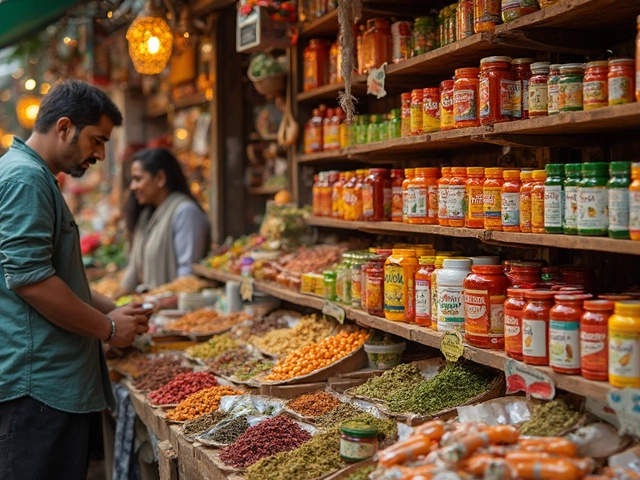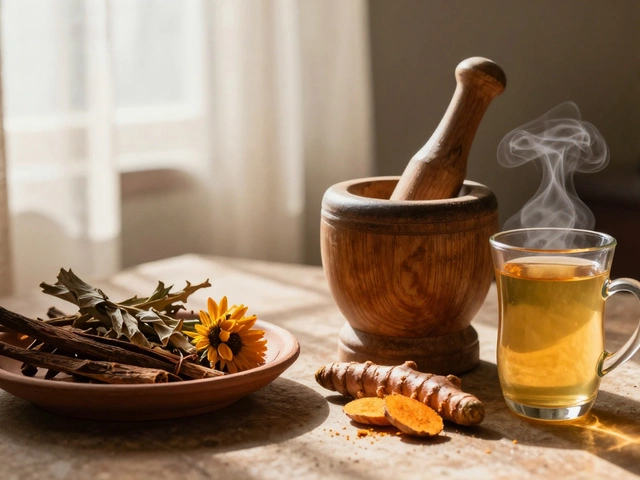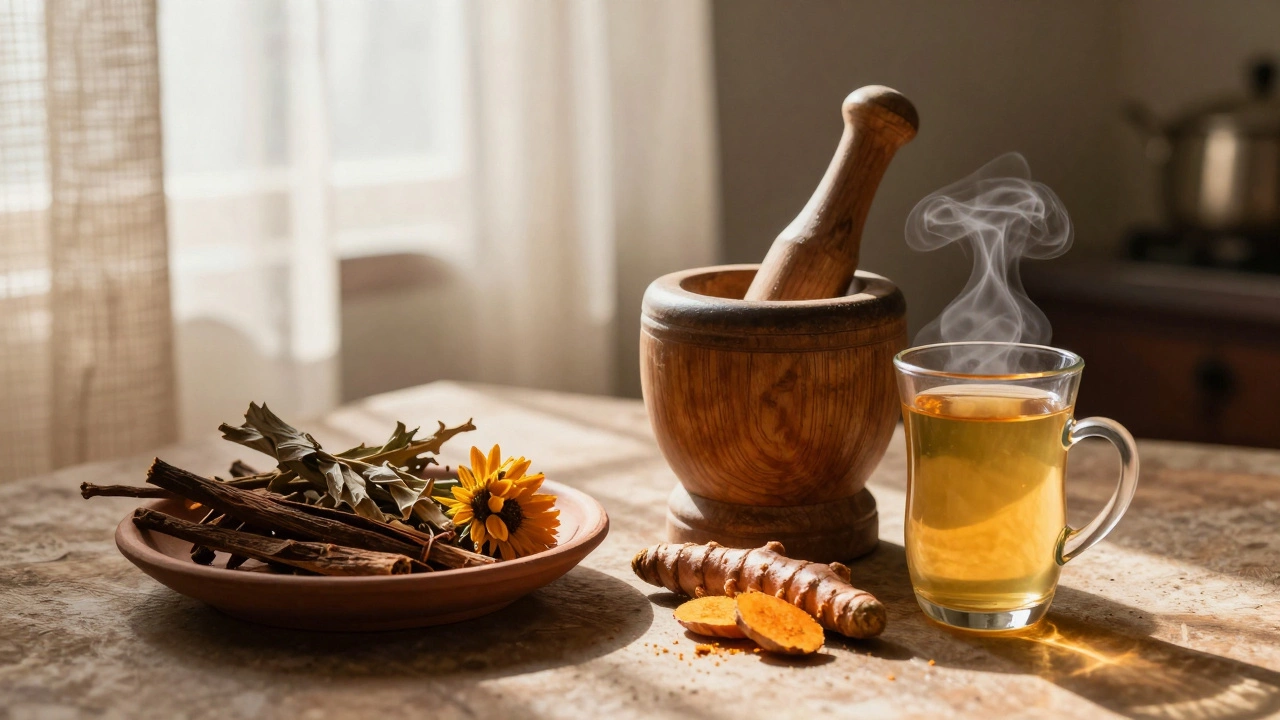
Herbal supplements aren’t just trendy potions you see on Instagram. They’ve been part of daily life in homes across India, China, and beyond for centuries. People reach for them not because they’re trendy, but because they work-sometimes in quiet, subtle ways that modern medicine doesn’t always capture. But what exactly counts as an herbal supplement? And which ones actually have real-world use? Let’s cut through the noise.
What exactly are herbal supplements?
Herbal supplements are made from plants-or parts of plants like roots, leaves, seeds, or flowers-used to support health. They come in pills, teas, tinctures, or powders. Unlike prescription drugs, they don’t need FDA approval before hitting shelves. That doesn’t mean they’re unsafe, but it does mean you need to know what you’re taking.
Here’s the thing: just because something is natural doesn’t mean it’s harmless. Herbal supplements can interact with medications, affect surgery outcomes, or cause side effects if taken in high doses. The key is knowing which ones have real backing and how to use them wisely.
Echinacea: The Cold Fighter
If you’ve ever felt a sore throat coming on, you’ve probably heard of echinacea. This purple flower, native to North America, has been used by Indigenous communities for over 400 years. Today, it’s one of the most popular herbal supplements for immune support.
Studies show it may shorten the length of a cold by about half a day and reduce severity. It doesn’t prevent colds, but it might help your body respond faster. Most people take it as a capsule or tea at the first sign of symptoms. Look for products made from the aerial parts of Echinacea purpurea-that’s the most studied version.
Turmeric and Curcumin: The Inflammation Buster
In India, turmeric is in almost every curry. But its real power isn’t just flavor-it’s curcumin, the active compound. Curcumin is a potent anti-inflammatory and antioxidant. People use it for joint pain, digestive issues, and even skin health.
Research from the University of Maryland found that curcumin worked as well as ibuprofen for knee osteoarthritis, without the stomach irritation. The catch? Curcumin doesn’t absorb well on its own. That’s why most supplements include piperine (from black pepper) to boost absorption. A typical dose is 500 mg of curcumin twice daily with food.
Ashwagandha: The Stress Reliever
Ashwagandha, or Withania somnifera, is an adaptogen. That’s a fancy word for a herb that helps your body handle stress. It’s been used in Ayurveda for over 3,000 years. Today, it’s one of the fastest-growing herbal supplements in the U.S. and Europe.
A 2019 study in the Journal of Alternative and Complementary Medicine gave 60 people ashwagandha root extract for 60 days. Those taking it saw a 44% drop in stress levels compared to placebo. It also lowered cortisol, the stress hormone, by nearly 30%. Most take it as a capsule, 300-600 mg daily. It’s not a quick fix-you need to take it consistently for weeks to feel the shift.
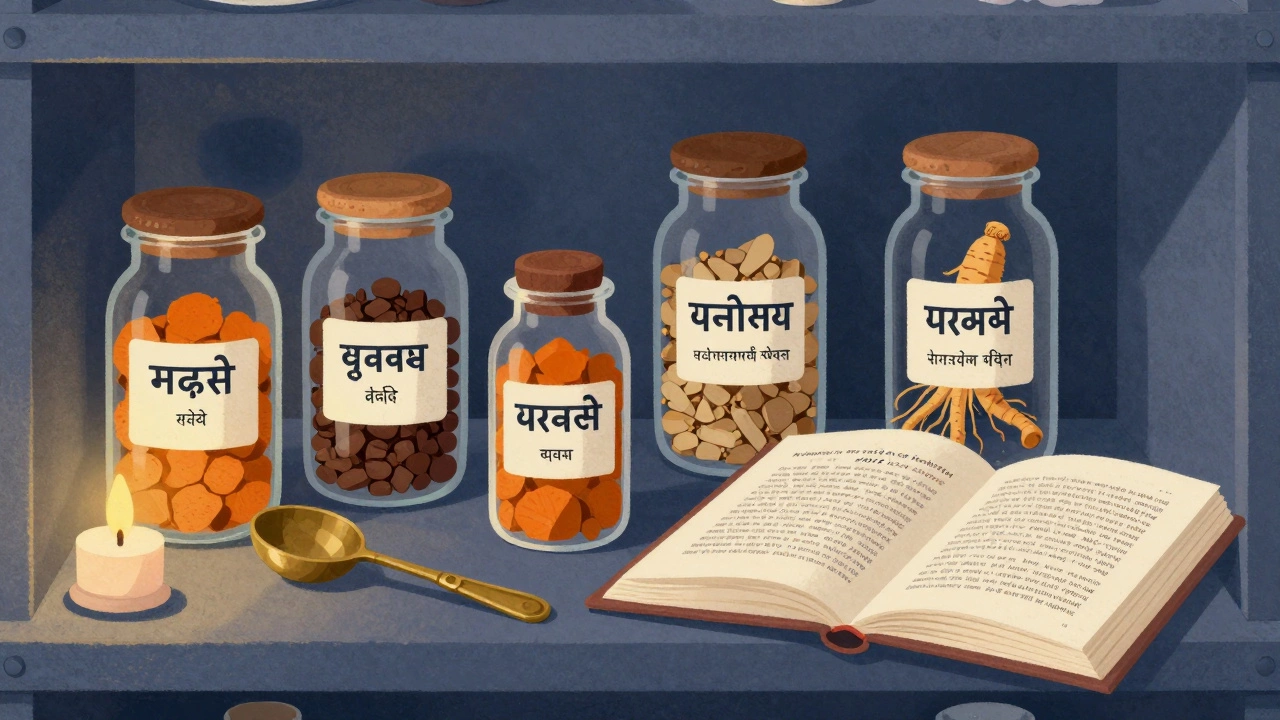
Ginseng: The Energy Booster
There are two main types: Asian (Panax) and American. Both are used for energy and mental clarity, but Asian ginseng is more common in supplements. It’s been used in traditional Chinese medicine for over 2,000 years to combat fatigue and improve focus.
A 2018 meta-analysis of 11 studies found that people taking ginseng reported better mental performance and less mental exhaustion during long tasks. It’s often taken in the morning because it can be mildly stimulating. Doses range from 200 to 400 mg of standardized extract. Avoid it if you have high blood pressure or take blood thinners-it can interact.
Garlic: More Than a Flavor
Garlic is a kitchen staple, but its supplement form is a powerhouse. Garlic supplements are made from aged garlic extract or powdered garlic. They’re used for heart health, lowering blood pressure, and even boosting immunity.
A 2020 review in the European Journal of Clinical Nutrition found that garlic supplements reduced systolic blood pressure by an average of 7 mmHg in people with hypertension. It also lowered LDL (bad) cholesterol by about 10%. The key is consistency-you need to take it daily for at least 8 weeks to see results. Look for allicin-release formulas for maximum benefit.
Other Common Herbal Supplements
- Peppermint oil - Used for IBS and nausea. Enteric-coated capsules help avoid heartburn.
- Feverfew - Traditionally used for migraines. Some studies show it reduces frequency by 25%.
- Milk thistle - Supports liver health. Silymarin, its active compound, is studied for protecting the liver from toxins.
- St. John’s Wort - Used for mild depression. But it interacts with birth control, antidepressants, and blood thinners. Talk to a doctor before using.

What to watch out for
Not all herbal supplements are created equal. Here’s what to look for:
- Standardized extracts - These tell you exactly how much active compound is in each dose. For example, “500 mg of turmeric with 95% curcuminoids” is better than just “turmeric powder.”
- Third-party testing - Look for seals from USP, NSF, or ConsumerLab. These mean the product was independently tested for purity and potency.
- Clear labeling - If the label says “proprietary blend” without listing amounts, walk away. You can’t know what you’re getting.
Also, avoid supplements that promise miracle results. If it sounds too good to be true, it is. Herbal supplements work slowly, gently, and best when used as part of a healthy lifestyle-not as magic bullets.
When to skip herbal supplements
Some people should avoid them entirely:
- Pregnant or breastfeeding women (many herbs haven’t been tested for safety here)
- People on blood thinners (like warfarin) - herbs like ginkgo, garlic, and ginger can increase bleeding risk
- Those preparing for surgery - stop all herbal supplements at least two weeks before
- People with liver disease - milk thistle and kava can affect liver function
Always talk to your doctor before starting any new supplement. Even if it’s “natural,” it can still interfere with your meds or condition.
Final thoughts
Herbal supplements aren’t a replacement for medical care. But when used wisely, they can be a helpful layer in your health routine. Echinacea for colds, turmeric for inflammation, ashwagandha for stress-these aren’t myths. They’re tools with science behind them.
The key is consistency, quality, and knowing your own body. Don’t chase the newest trend. Stick with the ones that have stood the test of time-and the test of science.
Are herbal supplements safe to take every day?
Many herbal supplements can be taken daily, but safety depends on the herb and your health. Ashwagandha and turmeric are generally safe for daily use in standard doses. Others, like St. John’s Wort or licorice root, can cause side effects if used long-term. Always check with a healthcare provider if you plan to take them daily.
Can herbal supplements replace prescription drugs?
No. Herbal supplements are not substitutes for prescribed medications. While some, like turmeric, may help manage symptoms like joint pain, they don’t replace drugs like NSAIDs or disease-modifying treatments. Stopping your medication to use herbs alone can be dangerous. Use herbs as a complement-not a replacement.
How do I know if a herbal supplement is high quality?
Look for standardized extracts (e.g., “95% curcuminoids”), third-party testing seals (USP, NSF, ConsumerLab), and clear ingredient lists. Avoid products labeled as “proprietary blends” without listed amounts. Reputable brands often publish lab results online. When in doubt, choose brands sold in pharmacies or trusted health stores.
Do herbal supplements work faster than pills?
No. Herbal supplements typically work more slowly than pharmaceuticals because they contain complex mixtures of compounds, not isolated chemicals. For example, ashwagandha may take 4-8 weeks to reduce stress levels, while an anti-anxiety pill might work in hours. Patience and consistency are key.
Are herbal supplements regulated like medicines?
In the U.S. and many countries, herbal supplements are regulated as dietary supplements, not drugs. That means they don’t need FDA approval before sale. Manufacturers are responsible for safety, but there’s no pre-market testing. This is why third-party certification and brand reputation matter so much.