Cancer Survival Rate Explorer
Survival Analysis
Select a cancer type and stage to view estimated 5-year relative survival rates.
Understanding Survival Rates: More Than Just a Number
When you hear the phrase "lowest survival rate," your mind might jump to fear. It’s natural. But before we look at the specific cancers that carry the heaviest statistical burden, it helps to understand what these numbers actually mean. The term most often cited is the 5-year relative survival rate, which is a statistic that compares how long people with a specific type of cancer live compared to people in the general population who do not have that cancer.
If a cancer has a 10% five-year survival rate, it means that, on average, people diagnosed with that cancer are living 10% as long as people without the disease. This isn’t a prediction for any single individual. It’s a broad snapshot based on thousands of cases over many years. Factors like age, overall health, the stage at diagnosis, and access to modern treatments play massive roles in your personal outcome. However, looking at these averages helps us identify which diseases need more aggressive screening and earlier intervention.
The Hardest Hitters: Cancers with the Lowest Survival Rates
Based on data from major health organizations like the American Cancer Society (ACS) and the National Cancer Institute (NCI), three types of cancer consistently rank among the deadliest due to low survival rates. These are Pancreatic cancer, a malignancy originating in the pancreas, an organ behind the stomach that produces digestive enzymes and hormones, Lung cancer, a disease characterized by uncontrolled cell growth in lung tissue, often linked to smoking or environmental exposures, and Liver cancer, primary cancer developing in liver cells, frequently associated with chronic hepatitis or cirrhosis. Let’s break down why these particular cancers are so challenging to treat.
Pancreatic Cancer: The Silent Killer
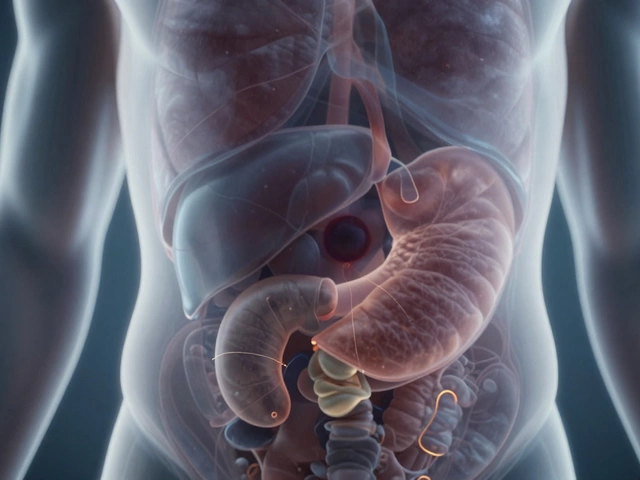
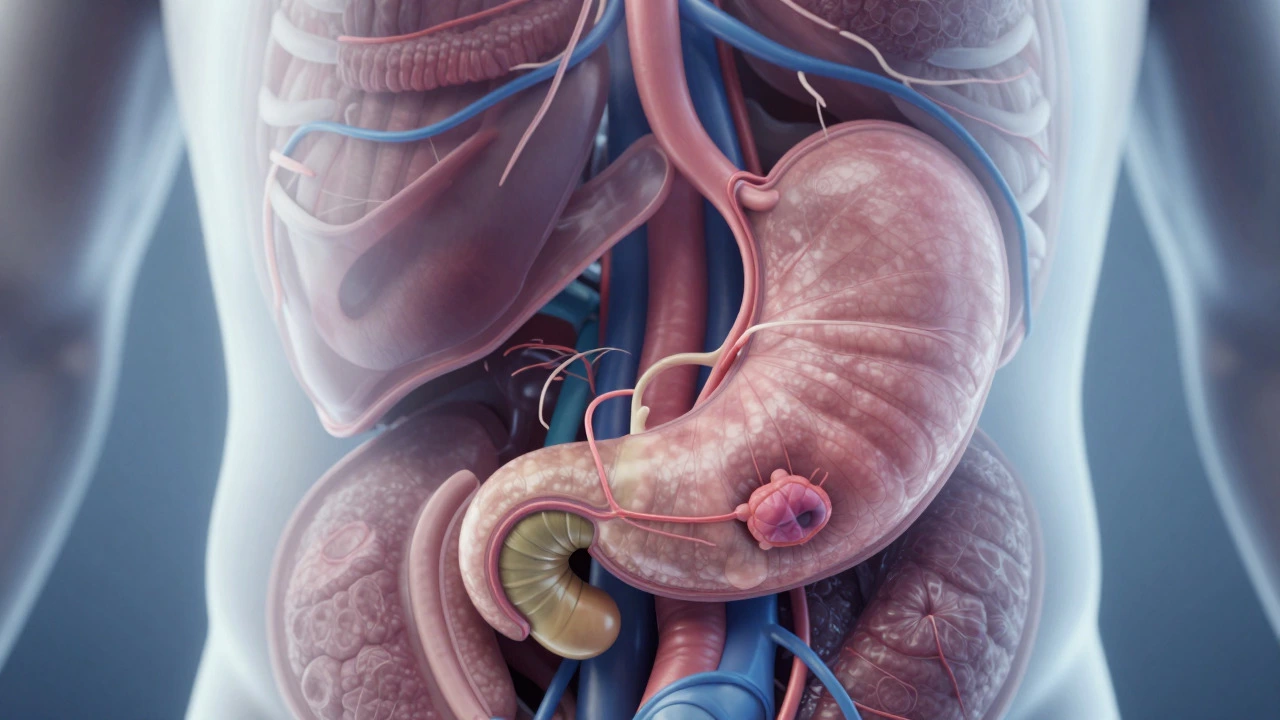
Pancreatic cancer currently holds the title for one of the lowest survival rates, hovering around 13% for all stages combined. Why is it so deadly? The pancreas sits deep within the abdomen, tucked behind the stomach. When tumors start growing there, they rarely cause noticeable symptoms until they are large enough to press on nearby nerves, bile ducts, or blood vessels.
By the time a patient experiences jaundice (yellowing of the skin), abdominal pain, or unexplained weight loss, the cancer has often spread beyond the pancreas. Only about 15-20% of patients are eligible for surgery when first diagnosed, and surgery offers the best chance for long-term survival. Without surgical removal, treatment options are limited to chemotherapy and radiation, which can shrink tumors but rarely cure advanced disease. Recent advances in immunotherapy and targeted therapies are showing promise, but they are still in the early stages of widespread adoption.
Lung Cancer: Still a Major Challenge
Lung cancer remains one of the leading causes of cancer death worldwide. The overall five-year survival rate is approximately 22%. However, this number hides a crucial distinction between non-small cell lung cancer (NSCLC) and small cell lung cancer (SCLC). SCLC is more aggressive and spreads faster, resulting in lower survival rates than NSCLC.
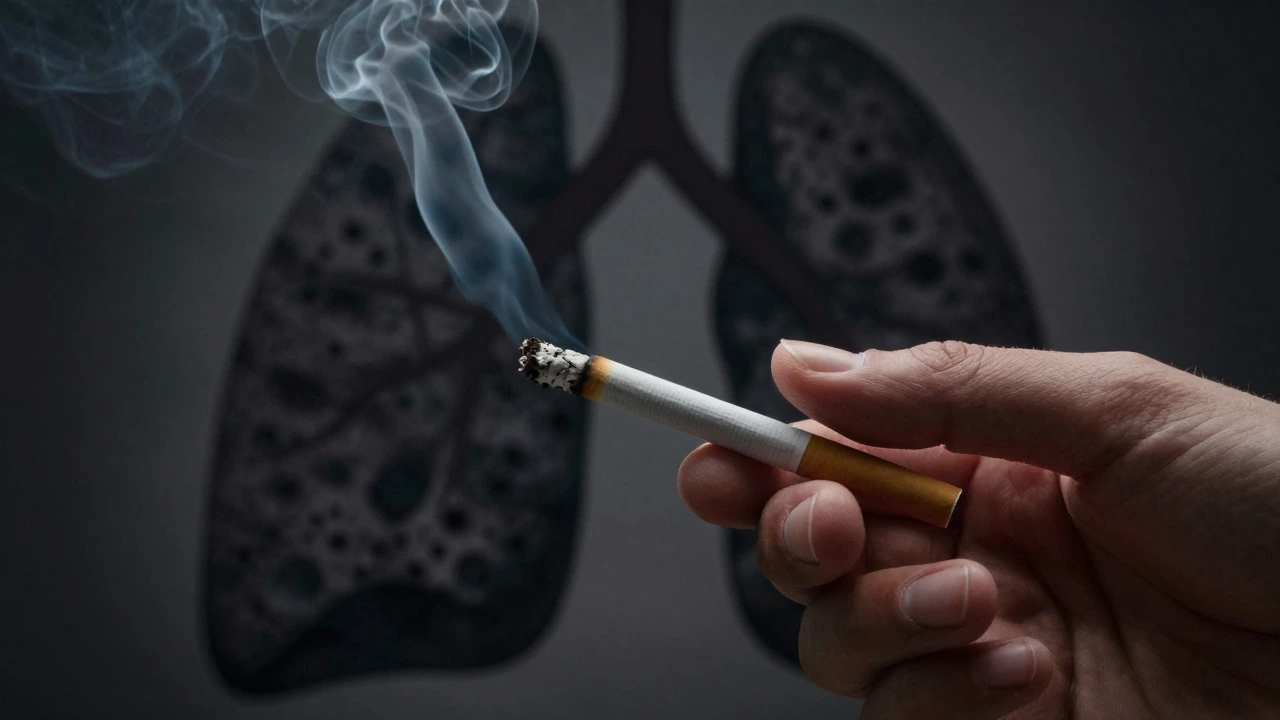
The biggest factor influencing lung cancer survival is the stage at diagnosis. If caught in situ (stage 0) or localized (confined to the lung), the survival rate jumps dramatically to over 60%. Unfortunately, because early-stage lung cancer often has no symptoms, many cases are discovered only after the cancer has metastasized to other parts of the body. Smoking is the primary risk factor, but genetic mutations and exposure to radon gas also play significant roles. Advances in targeted therapy for specific genetic mutations (like EGFR or ALK) have improved outcomes for some patients, turning what was once a terminal diagnosis into a manageable chronic condition for a subset of individuals.
Liver Cancer: A Complex Battle
Primary liver cancer, specifically hepatocellular carcinoma (HCC), has a five-year survival rate of roughly 21%. Like pancreatic cancer, liver cancer is tricky because the liver is incredibly resilient. It can continue functioning even when damaged by cirrhosis or hepatitis. This means patients might feel fine until the cancer is quite advanced.
Most liver cancers develop against a backdrop of chronic liver disease. Patients with hepatitis B, hepatitis C, or alcohol-related cirrhosis are at higher risk. Because their livers are already compromised, they may not tolerate aggressive treatments like surgery or high-dose chemotherapy. Treatments such as ablation (destroying tumor cells with heat or cold), embolization (blocking blood supply to the tumor), and liver transplantation offer hope for early-stage cases. For advanced stages, systemic therapies including tyrosine kinase inhibitors and immune checkpoint inhibitors have become standard care, improving survival times compared to just a decade ago.
| Cancer Type | Overall 5-Year Survival Rate | Key Risk Factors | Major Diagnostic Challenge |
|---|---|---|---|
| Pancreatic Cancer | ~13% | Smoking, chronic pancreatitis, family history | Deep location; late-onset symptoms |
| Lung Cancer | ~22% | Smoking, radon exposure, asbestos | Asymptomatic in early stages |
| Liver Cancer | ~21% | Hepatitis B/C, cirrhosis, alcohol use | Underlying liver disease masks symptoms |
Why Do Some Cancers Have Lower Survival Rates?
It’s not just about the aggressiveness of the cells. Several structural and biological factors contribute to poor outcomes:
- Lack of Early Screening Tools: Unlike breast or colon cancer, there are no widely recommended, cost-effective screening tests for pancreatic or liver cancer for the general population. We don’t have a simple blood test or imaging protocol that can reliably detect these cancers in asymptomatic people.
- Anatomical Location: Organs like the pancreas and liver are surrounded by vital structures. Surgeons often struggle to remove tumors completely without damaging nearby arteries, veins, or bile ducts. Incomplete removal leads to recurrence.
- Biological Aggressiveness: Some cancer cells mutate rapidly, developing resistance to chemotherapy drugs quickly. Small cell lung cancer, for example, doubles in size very fast, leaving little window for effective intervention.
- Comorbidities: Patients with liver cancer often have underlying liver failure. Patients with lung cancer may have severe emphysema. These conditions limit the intensity of treatment they can withstand.
The Role of Stage at Diagnosis
This is perhaps the most critical point to grasp. Survival rates drop precipitously as cancer spreads. For pancreatic cancer, if the disease is localized (hasn’t spread outside the pancreas), the five-year survival rate is around 44%. Once it spreads to distant organs, it drops to 3%. For lung cancer, localized survival is over 60%, while distant spread brings it down to 9%.
This stark contrast highlights why early detection is everything. It also explains why researchers are pouring resources into liquid biopsies-blood tests that can detect circulating tumor DNA (ctDNA) before a tumor is visible on a scan. If these technologies become mainstream, we could catch these aggressive cancers much earlier, potentially doubling or tripling survival rates.

Treatment Advances Offering Hope
While the statistics look grim, medicine is moving forward. Here’s what’s changing the landscape:
- Immunotherapy: Drugs like pembrolizumab and nivolumab help the body’s own immune system recognize and attack cancer cells. They have shown remarkable success in certain subsets of lung and liver cancer patients.
- Targeted Therapy: By identifying specific genetic mutations in a tumor (e.g., KRAS G12C in pancreatic cancer), doctors can prescribe drugs that block those specific pathways. This personalized approach is more effective and less toxic than traditional chemotherapy.
- Improved Surgical Techniques: Minimally invasive surgeries and better perioperative care allow patients to recover faster and undergo more complex resections.
- Combination Therapies: Using multiple drugs simultaneously (chemo + immunotherapy, or chemo + targeted therapy) is becoming the standard for advanced cases, improving progression-free survival.
What Can You Do? Prevention and Awareness
You can’t control your genetics, but you can influence your risk. For lung cancer, quitting smoking is the single most impactful step. Even if you’ve smoked for decades, quitting reduces your risk significantly over time. For liver cancer, getting vaccinated against Hepatitis B, treating Hepatitis C if infected, and moderating alcohol consumption are key. Maintaining a healthy weight reduces the risk of pancreatic cancer and fatty liver disease, which can lead to cirrhosis.
If you have a family history of these cancers, talk to your doctor about genetic counseling. Knowing your risk profile allows for more vigilant monitoring. Pay attention to your body. Unexplained weight loss, persistent abdominal pain, yellowing skin, or changes in bowel habits shouldn’t be ignored. While these symptoms might not indicate cancer, early investigation can rule out serious conditions or catch them when they are most treatable.
Is pancreatic cancer always fatal?
No, it is not always fatal. While the overall survival rate is low, patients whose cancer is detected early and is eligible for surgical removal have a significantly better prognosis. Advances in chemotherapy and targeted therapies are also extending life expectancy for those with advanced disease.
Can lung cancer be cured if caught early?
Yes. Early-stage non-small cell lung cancer (NSCLC) has a high cure rate, especially if treated with surgery. The five-year survival rate for localized lung cancer is over 60%, meaning many people live five or more years after diagnosis and are considered cured.
Why is liver cancer hard to detect?
The liver has a large functional reserve, meaning it can compensate for damage. Symptoms often don't appear until the cancer is large or has spread. Additionally, symptoms of liver cancer overlap with common liver diseases like hepatitis or cirrhosis, making it easy to miss in early stages.
What is the difference between relative survival rate and absolute survival rate?
Relative survival rate compares cancer patients to the general population, accounting for deaths from other causes. Absolute survival rate looks at the actual percentage of people alive after a certain period. Relative rates are more commonly used because they isolate the impact of cancer on mortality.
Are there any new treatments for pancreatic cancer?
Yes. Researchers are exploring immunotherapies, CAR-T cell therapy, and targeted drugs for specific genetic mutations like BRCA and KRAS. Clinical trials are ongoing, offering hope for more effective treatments in the coming years.