Banana & Metformin Safety Calculator
Configure Your Snack
(e.g., Peanut butter, nuts, cheese)
Analysis Result
Recommendation:
- ✔ This is a safe choice.
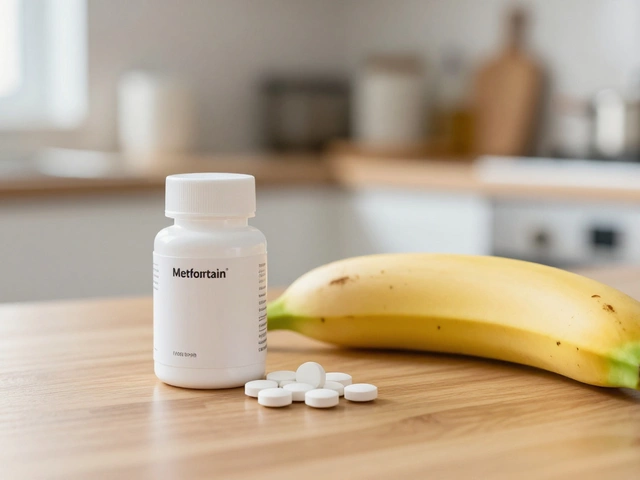
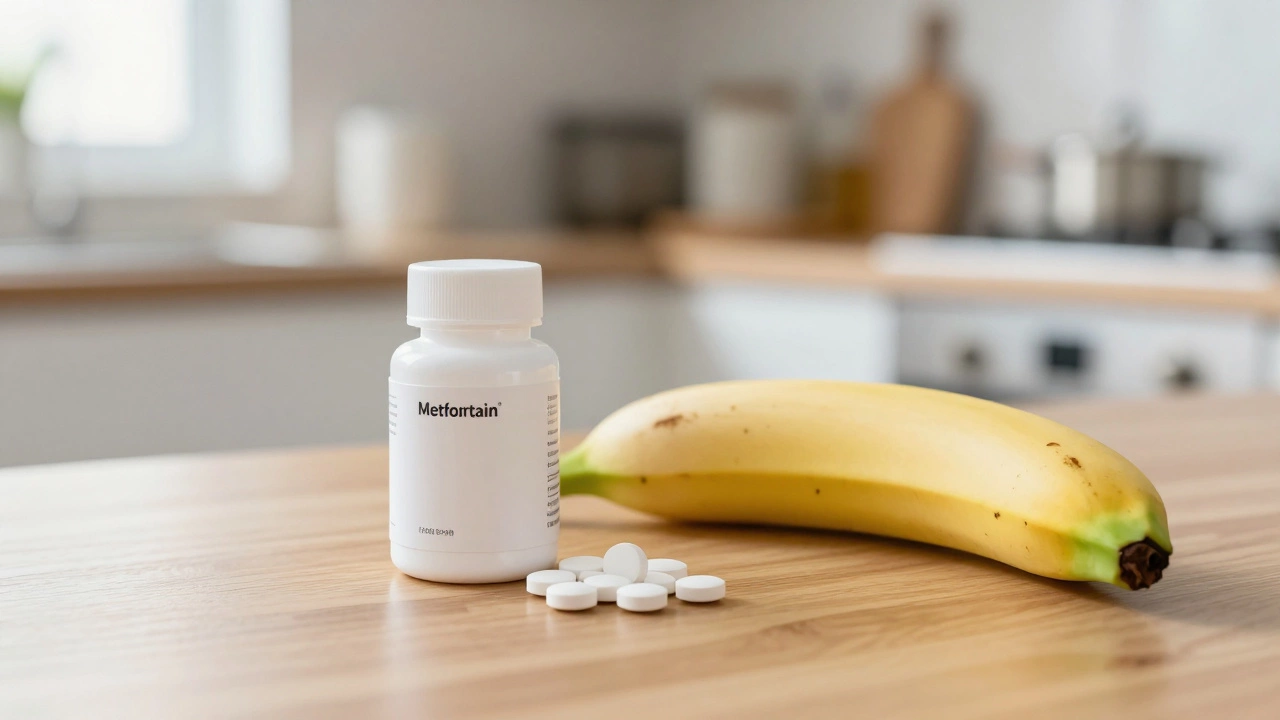
You just took your morning dose of Metformin, a widely prescribed medication for type 2 diabetes that helps control blood glucose levels by improving insulin sensitivity. Now you’re staring at a ripe banana on the counter. It looks delicious, but a nagging voice in your head asks: "Will this spike my sugar? Will it mess with my meds?" The short answer is yes, you can eat bananas while taking Metformin. In fact, they can be a healthy part of your diet if you manage portion sizes and ripeness carefully. But there’s more to it than just saying "yes." Let’s break down how these two interact so you can enjoy your snack without worrying about your health.
The Short Answer: Yes, But Context Matters
There is no direct chemical interaction between Metformin and bananas that makes them dangerous together. You won’t have an adverse reaction simply by combining them. However, diabetes management isn’t just about avoiding drug interactions; it’s about controlling how much glucose enters your bloodstream. Bananas are carbohydrates, and carbohydrates turn into sugar. If you eat too many, or the wrong kind, your blood sugar will rise regardless of what pill you took.
The key here is understanding that Metformin doesn’t block sugar absorption entirely; it helps your body use insulin better and reduces sugar production in the liver. So, while the drug gives you some buffer, it doesn’t give you a free pass to eat unlimited fruit. Think of Metformin as a traffic cop directing cars (glucose) into the right lanes, not a wall stopping all traffic.
Why Bananas Are Tricky for Diabetics
Bananas are nutritious. They are packed with potassium, vitamin B6, and fiber. These nutrients are great for heart health and nerve function, which are often compromised in people with diabetes. The problem lies in their carbohydrate content and how that content changes as the fruit ripens.
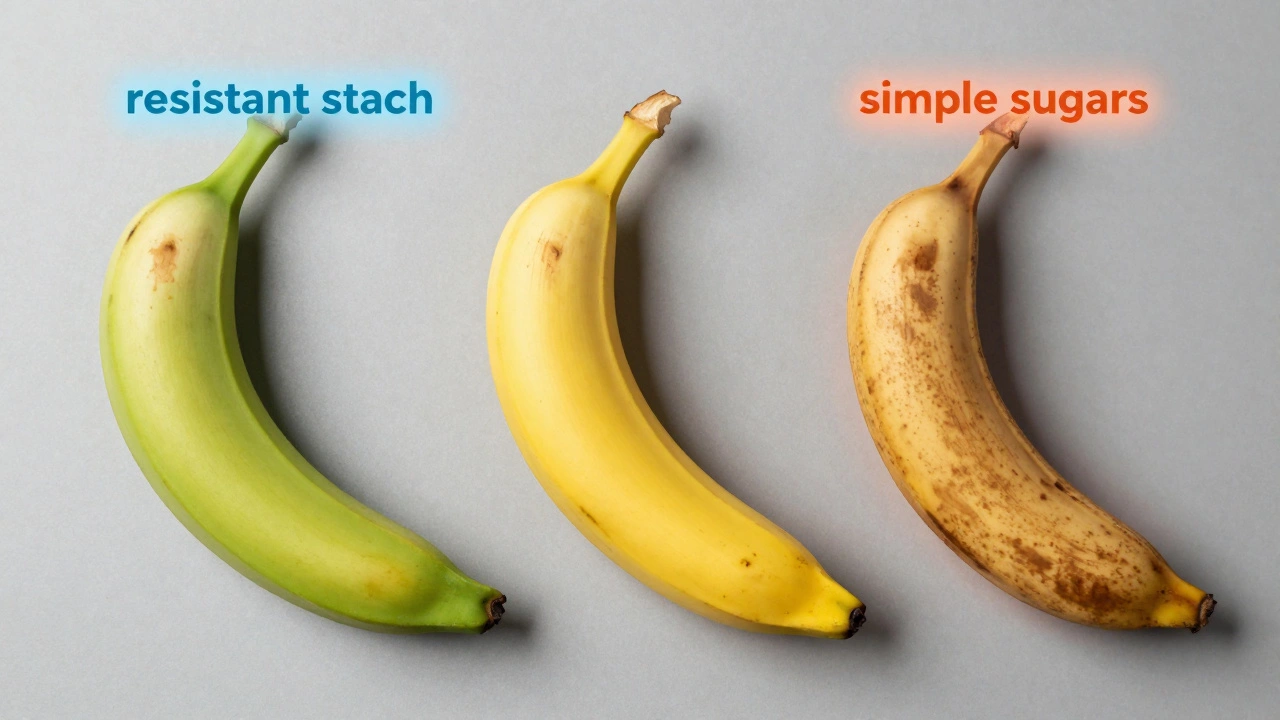
A medium-sized banana contains about 27 grams of carbohydrates. For most people managing type 2 diabetes, this is a moderate amount that fits into a single meal or snack. However, the type of carbs matters. Green bananas contain resistant starch, which acts like fiber and digests slowly, causing a minimal rise in blood sugar. As the banana turns yellow and develops brown spots, enzymes break down that starch into simple sugars like glucose, fructose, and sucrose. A fully ripe, spotty banana has a higher glycemic load, meaning it hits your bloodstream faster and harder.
| Ripeness Stage | Starch Content | Sugar Content | Glycemic Impact |
|---|---|---|---|
| Green (Unripe) | High (Resistant Starch) | Low | Low (Slow digestion) |
| Yellow (Ripe) | Moderate | Moderate | Moderate |
| Brown Spots (Overripe) | Low | High | High (Fast spike) |
How to Eat Bananas Safely With Metformin
If you want to keep bananas in your diet, you need strategy. Here is how to make them work for you rather than against you.
- Choose Greenish-Yellow Bananas: Pick bananas that still have a hint of green at the stem. This indicates higher resistant starch and lower sugar. Avoid the ones that look like they’ve been sitting on the counter for a week.
- Portion Control: Instead of eating a whole large banana, eat half. Or choose a smaller variety, like baby bananas, which naturally have fewer carbs per unit.
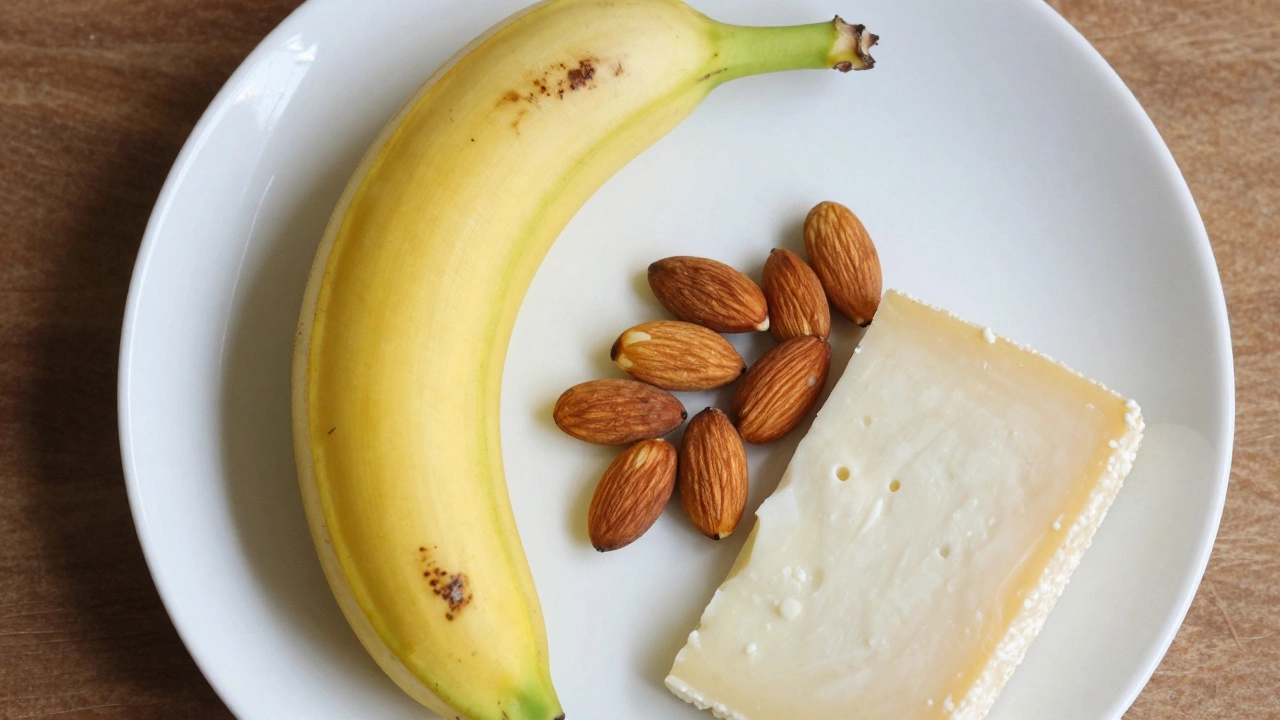
- Pair With Protein or Fat: Never eat a banana alone if you are worried about spikes. Pair it with a handful of almonds, a spoonful of peanut butter, or a slice of cheese. The protein and fat slow down gastric emptying, which means the sugar from the banana enters your bloodstream more gradually. This plays nicely with Metformin’s mechanism of action.
- Timing Matters: Eating fruit after a meal is generally better than eating it on an empty stomach. The other foods in your meal provide a matrix of fiber and protein that further slows sugar absorption.
The Gut Health Connection: Metformin and Fiber
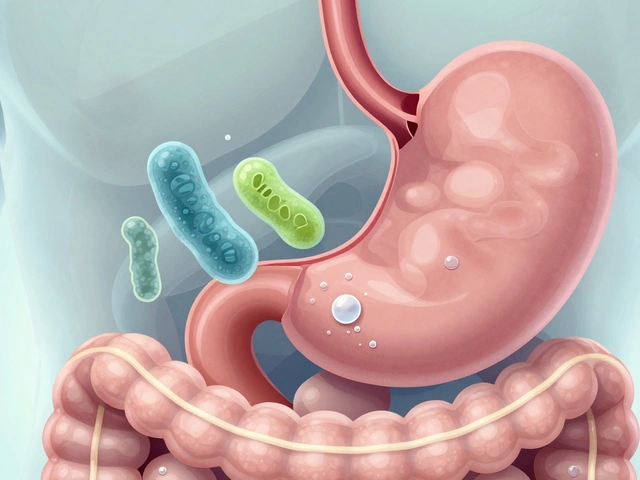
One common side effect of Metformin is gastrointestinal distress-nausea, diarrhea, or cramping. Many patients stop taking the medication because of this. Interestingly, bananas can help mitigate this issue. Because bananas are gentle on the stomach and rich in pectin (a type of soluble fiber), they can soothe digestive irritation. The potassium also helps replace electrolytes lost during episodes of diarrhea, which is crucial for maintaining hydration and muscle function.
So, in a way, bananas serve a dual purpose: they provide energy and they support gut comfort, which is often a secondary battle for those starting Metformin therapy.
Monitoring Your Personal Response
Every body reacts differently. Two people can eat the same banana with the same dose of Metformin and get completely different blood sugar readings. Factors like age, weight, activity level, and individual insulin resistance play huge roles. That’s why self-monitoring is non-negotiable.
If you own a continuous glucose monitor (CGM) or even a standard finger-prick glucometer, test your levels before eating the banana and then again one to two hours after. Look for the delta-the difference between the two numbers. If your blood sugar rises by less than 30-40 mg/dL, you’re likely fine. If it spikes higher, you may need to reduce the portion size or switch to a lower-glycemic fruit like berries or apples.
Alternatives If Bananas Spike Your Sugar
Some people find that even small amounts of banana cause unwanted fluctuations. If that’s you, don’t despair. There are plenty of diabetic-friendly fruits that offer similar textures or nutrients without the high carb count.
- Berries: Strawberries, blueberries, and raspberries are low in sugar and high in antioxidants.
- Apples: High in fiber, especially if you eat the skin. Choose tart varieties like Granny Smith over sweet ones like Red Delicious.
- Cherries: Tart cherries have a lower glycemic index and contain compounds that may improve insulin sensitivity.
- Kiwi: Small, nutrient-dense, and lower in total carbs per serving.
Common Mistakes to Avoid
Many patients make the mistake of thinking "natural" equals "safe." Just because a banana grows on a tree doesn’t mean it’s harmless for your blood sugar. Another common error is ignoring the rest of the plate. If you eat a banana with white bread and jam, the combined glycemic load will overwhelm any benefit Metformin provides. Always view the banana as part of a larger nutritional picture, not an isolated event.
Also, avoid dried bananas or banana chips. The drying process concentrates the sugars, removing water and increasing the calorie and carb density significantly. One cup of dried banana chips can contain nearly four times the carbs of a fresh medium banana.
Can I eat bananas every day while on Metformin?
Yes, provided your blood sugar remains stable. Most diabetics can safely include one small to medium banana daily as part of a balanced diet. Monitor your levels to ensure consistency. If you notice trends of high post-meal sugars, consider reducing frequency to every other day or switching to lower-sugar fruits.
Do bananas interfere with Metformin absorption?
No, bananas do not chemically interfere with how your body absorbs Metformin. Unlike grapefruit, which affects certain statins and blood pressure meds, bananas are neutral regarding drug metabolism. The concern is purely metabolic: how the carbs in the banana affect your blood glucose levels independently of the drug.
What is the best time of day to eat a banana on Metformin?
The best time is usually mid-morning or mid-afternoon as a snack, paired with protein. Avoid eating it late at night when your metabolism slows down and your body is less efficient at processing glucose. Morning consumption allows you to move around during the day, helping your muscles use the available energy.
Are green bananas better than yellow ones for diabetics?
Yes, significantly. Green bananas contain resistant starch, which functions similarly to dietary fiber. It passes through the small intestine undigested, resulting in a slower, lower release of glucose into the bloodstream. Yellow bananas have converted most of this starch into simple sugars, leading to faster spikes.
Can bananas help with Metformin-induced diarrhea?
They can help. Bananas are part of the BRAT diet (Bananas, Rice, Applesauce, Toast) often recommended for soothing upset stomachs. Their pectin content binds water in the intestines, potentially firming up stools. Additionally, the potassium replaces electrolytes lost during diarrhea, supporting overall recovery.