Daily Belly Fat Drink Plan Generator
Your Preferences
Your Personalized Schedule
Enter your details to see how to optimize your fluid intake for belly fat reduction.
There is no magic potion you can sip to melt away stubborn belly fat overnight. If there were, obesity would not be a global health crisis. Yet, the search for belly fat drinks remains one of the most popular queries on the internet. Why? Because we want an easy fix. We want to drink our way to a flatter stomach without touching a treadmill or cutting out pizza.
The reality is more nuanced. Certain beverages can support weight loss by boosting metabolism, reducing appetite, or replacing high-calorie sodas. However, they are tools, not solutions. To understand what actually works, we need to look at the science behind how these drinks interact with your body’s fat-burning mechanisms, specifically visceral fat-the dangerous kind that wraps around your organs.
Does drinking water really burn fat?
Yes, indirectly. Drinking cold water forces your body to expend energy to heat it to body temperature, a process called thermogenesis. More importantly, water suppresses hunger hormones. Studies show that drinking 500ml of water before meals can increase calorie burning by up to 30% for the next hour. It also prevents you from mistaking thirst for hunger, which often leads to unnecessary snacking.
The Hydration Factor: Water as the Foundation
Before you reach for exotic superfoods, let’s talk about plain old H2O. Dehydration slows down your metabolism. When your cells are dehydrated, they cannot function efficiently, including breaking down stored fat for energy. This process, known as lipolysis, requires water molecules to split triglycerides into free fatty acids and glycerol. No water means no fat breakdown.
In Bangalore, where the humidity can be deceptive, people often underestimate their fluid needs. If you are trying to lose weight, aim for at least 2-3 liters of water daily. A simple trick? Drink a full glass of water immediately upon waking up. This kickstarts your digestive system and hydrates your body after hours of sleep. Replace every sugary coffee or soda with water, and you could cut 200-500 calories from your daily intake without feeling deprived.
Green Tea: The Catechin Connection
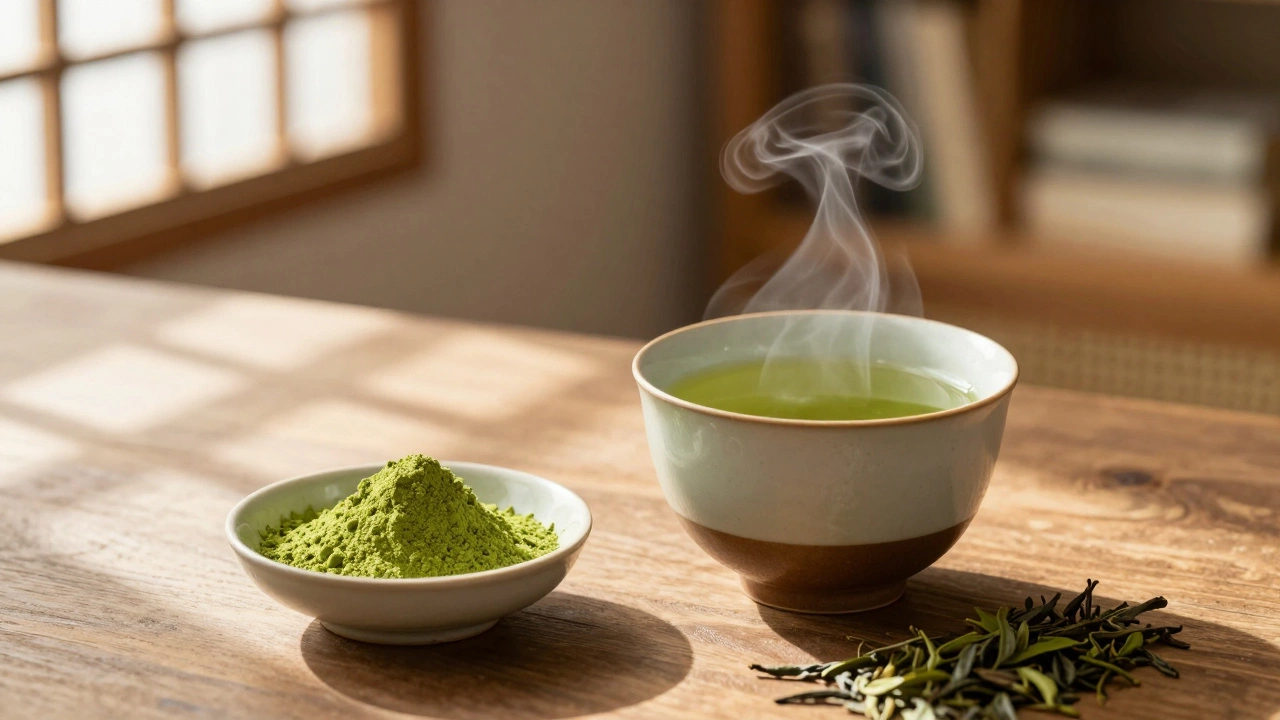
If there is one beverage with solid scientific backing for fat loss, it is green tea. Specifically, it contains a compound called epigallocatechin gallate (EGCG). EGCG is a powerful antioxidant that helps block a hormone that breaks down adipocytes (fat cells). By blocking this hormone, green tea helps keep fat cells intact longer, allowing other processes to break them down for energy.
Green Tea is a beverage made from the leaves of the Camellia sinensis plant, rich in antioxidants like EGCG. Research indicates that combining green tea extract with exercise can significantly increase fat oxidation during workouts.You don’t need to chug gallons of it. Two to three cups a day are sufficient. Look for brewed tea rather than bottled versions, which often contain added sugars that negate any benefits. Matcha, a powdered form of green tea, offers even higher concentrations of EGCG because you consume the entire leaf. Just be mindful of caffeine sensitivity; too much can disrupt sleep, and poor sleep is a major driver of belly fat accumulation due to increased cortisol levels.
Apple Cider Vinegar: Appetite Suppression
Apple cider vinegar (ACV) has exploded in popularity, but its primary benefit isn’t direct fat burning. Instead, it helps regulate blood sugar levels and improves insulin sensitivity. When your insulin spikes less dramatically after meals, your body is less likely to store excess glucose as fat, particularly around the abdomen.
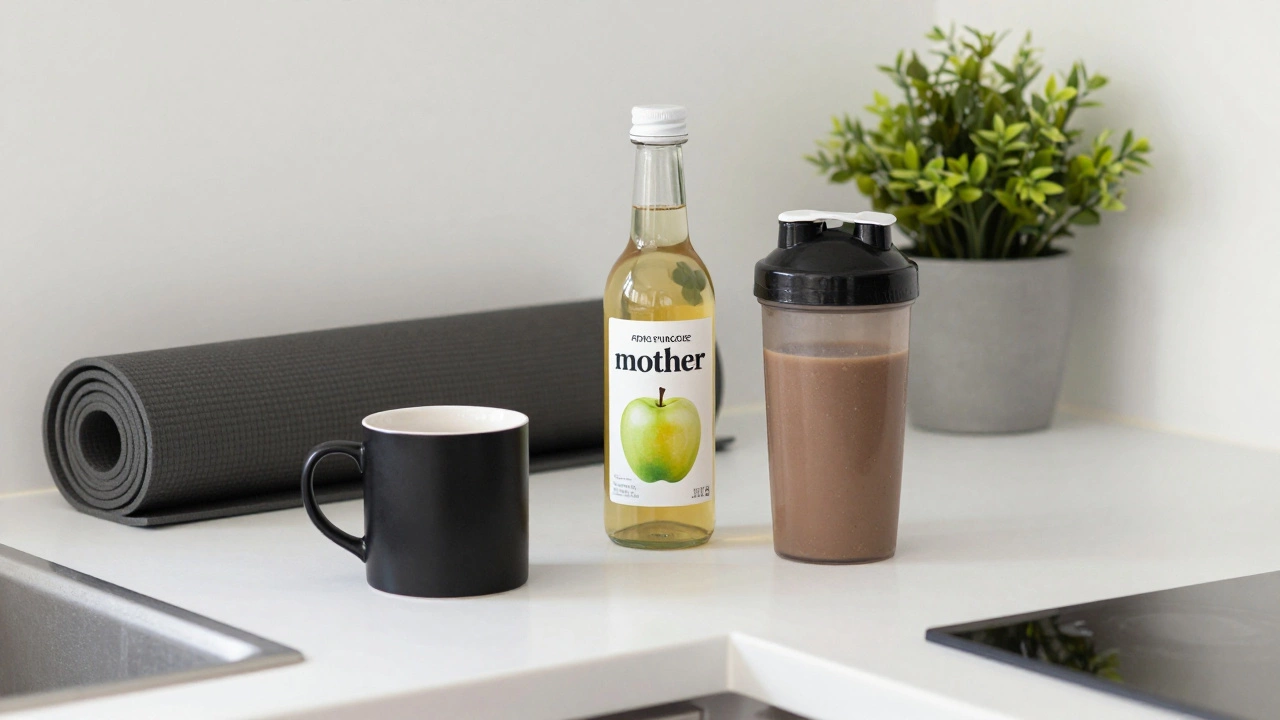
Furthermore, ACV can promote feelings of fullness. A study published in Bioscience, Biotechnology, and Biochemistry found that participants who consumed vinegar daily lost more weight and had lower waist circumferences than those who did not. The key is dilution. Never drink straight vinegar, as its acidity can erode tooth enamel and irritate your throat. Mix one to two tablespoons of raw, unfiltered ACV (with the 'mother') into a large glass of water and drink it before meals.
Black Coffee: Metabolic Boost
Caffeine is a proven metabolic stimulant. It increases your resting metabolic rate by 3-11%, depending on individual genetics. Black coffee, consumed without sugar or cream, is virtually calorie-free and can enhance physical performance by mobilizing fatty acids from fat tissues, making them available for use as energy.
However, tolerance builds quickly. If you drink four cups a day, the metabolic boost may diminish. For best results, time your coffee intake strategically. Having a cup 30 minutes before a workout can improve endurance and fat burning. But beware of the afternoon crash. Cortisol, the stress hormone, naturally rises in the morning. Adding caffeine too early can spike it further, leading to anxiety and potential fat storage if it disrupts your sleep cycle later.
| Beverage | Primary Mechanism | Recommended Intake | Potential Side Effects |
|---|---|---|---|
| Water | Thermogenesis & Hunger Suppression | 2-3 Liters/day | Frequent urination |
| Green Tea | EGCG Antioxidant Activity | 2-3 Cups/day | Jitters, Sleep Disruption |
| Apple Cider Vinegar | Blood Sugar Regulation | 1-2 Tbsp diluted | Tooth Enamel Erosion |
| Black Coffee | Caffeine Stimulation | 1-2 Cups/day | Anxiety, Acid Reflux |
| Protein Shake | Satiety & Muscle Preservation | 1 Serving/post-workout | Digestive Bloating |
Protein Shakes: Satiety Over Burning
While not a "fat burner" in the chemical sense, protein shakes play a crucial role in belly fat reduction through satiety. Protein has a high thermic effect of food (TEF), meaning your body burns more calories digesting it compared to fats or carbs. More importantly, protein keeps you fuller for longer.
If you replace a high-carb snack with a whey or plant-based protein shake, you reduce overall calorie intake. Additionally, preserving muscle mass is vital during weight loss. Muscle tissue burns more calories at rest than fat tissue. Losing muscle along with fat slows your metabolism. Aim for a shake with at least 20-25 grams of protein, preferably post-workout or as a meal replacement if you are short on time.
What to Avoid: The Liquid Calorie Traps
You can drink all the green tea in the world, but it won’t matter if you are also consuming liquid calories. Sugary sodas, fruit juices, and fancy lattes are the enemies of belly fat. These drinks cause rapid spikes in blood sugar and insulin, triggering fat storage. Even "healthy" smoothies can pack 500+ calories if loaded with bananas, honey, and syrups.
Alcohol is another major culprit. Not only does it contain empty calories, but it also pauses fat burning. Your liver prioritizes metabolizing alcohol over fat, meaning any calories you eat while drinking are more likely to be stored as fat, particularly visceral fat. Moderation is key, but for significant belly fat loss, minimizing alcohol is essential.
The Role of Gut Health: Fermented Drinks
Emerging research links gut health to weight management. An imbalanced gut microbiome can lead to inflammation and difficulty losing weight. Fermented drinks like kefir, kombucha, and yogurt (unsweetened) introduce beneficial probiotics that may help regulate weight.
Kombucha, a fermented tea drink, has gained traction in wellness circles. While evidence is still evolving, some studies suggest it may help prevent obesity by improving gut flora. However, many commercial kombuchas contain added sugars. Always check the label and opt for brands with low residual sugar or brew your own. Kefir is another excellent option, offering a broader spectrum of probiotics than yogurt.
Combining Drinks with Lifestyle Changes
No drink works in isolation. To truly target belly fat, you must combine these beverages with a caloric deficit, regular exercise, and adequate sleep. Stress management is equally important. High cortisol levels from chronic stress directly contribute to abdominal fat storage. Mindfulness practices, yoga, or even just walking in nature can help lower cortisol.
Consistency beats intensity. Drinking green tea once a week won’t change anything. Making it a daily habit, alongside balanced meals and movement, creates sustainable results. Listen to your body. If a drink causes discomfort or disrupts your sleep, switch it up. There is no one-size-fits-all solution.
Final Thoughts on Sustainable Habits
The quest for the ultimate belly fat drink is often a distraction from the basics. Focus on whole foods, stay hydrated, move your body, and manage stress. Use beverages like green tea, black coffee, and ACV as supportive tools, not crutches. Remember, spot reduction is a myth. You cannot choose where your body loses fat first. By adopting a holistic approach, you will see improvements in your overall body composition, including your midsection.
Start small. Swap one sugary drink for water today. Add a cup of green tea tomorrow. Build habits that last a lifetime, not just a summer. Your body will thank you.
Can lemon water dissolve belly fat?
Lemon water does not directly dissolve fat. However, it can aid digestion and provide vitamin C, which supports overall health. Like plain water, it can help with hydration and appetite control. The warmth of hot lemon water may also soothe the digestive tract, but it is not a magical fat burner.
Is detox tea effective for weight loss?
Most detox teas are laxatives, causing temporary water weight loss, not fat loss. They can be dangerous if used long-term, leading to dehydration and electrolyte imbalances. True detoxification happens naturally through your liver and kidneys. Focus on nutrient-dense foods instead of risky teas.
How much green tea should I drink for fat loss?
Studies suggest 2-3 cups of brewed green tea per day can provide enough EGCG to support metabolism. Avoid excessive consumption (more than 5 cups) as high doses of caffeine and catechins can stress the liver and cause insomnia.
Does cold water burn more calories than hot water?
Technically yes, because your body uses energy to warm cold water to body temperature. However, the difference is negligible-only a few calories per day. The benefit of cold water lies in its refreshing nature, which may encourage you to drink more, aiding hydration and satiety.
Can I drink apple cider vinegar every day?
Yes, but always diluted. Daily consumption of 1-2 tablespoons in water is generally safe for most people. However, those with acid reflux or kidney issues should consult a doctor first. Rinse your mouth with water afterward to protect tooth enamel.