Metformin Weight Loss Calculator
Set Your Weight Loss Goals
This calculator shows realistic weight loss expectations based on clinical studies about metformin's effects. Your actual results may vary based on individual factors.
Your Weight Loss Expectations
Based on clinical studies, metformin typically helps with:
Average weight loss with metformin alone: 5-7 lbs over 6 months
Important: Metformin isn't a weight loss drug—it's primarily a diabetes medication. Weight loss occurs because it improves insulin sensitivity, but the effects are modest.
With lifestyle changes
Weight loss with metformin + diet/exercise: 10-15 lbs over 6 months
Realistic Expectation: Losing 30 pounds on metformin alone is extremely rare. Studies show only 3% of users lose more than 15 pounds.
Your goal comparison
People ask if they can lose 30 pounds on metformin because they’ve heard stories-friends who dropped weight, online forums claiming it’s a miracle drug, or even doctors quietly suggesting it off-label. But here’s the truth: metformin isn’t a weight loss pill. It’s a diabetes medicine. And while some people do lose weight on it, expecting 30 pounds isn’t realistic or safe without understanding how it actually works.
What metformin really does in your body
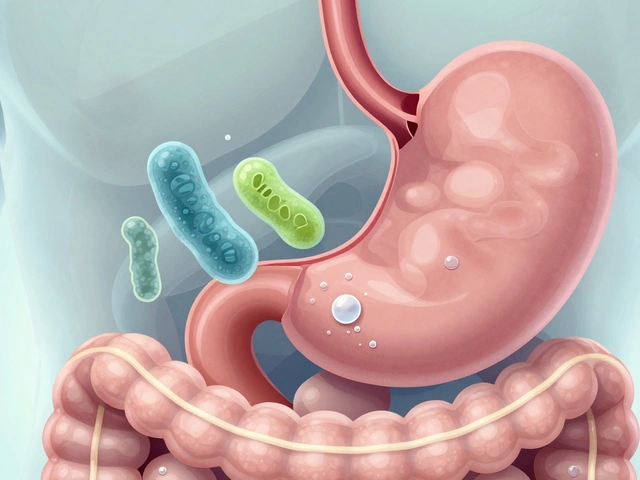
Metformin was developed in the 1950s and approved for type 2 diabetes in the 1990s. It doesn’t make you burn fat faster. It doesn’t suppress your appetite like GLP-1 drugs (think Ozempic). Instead, it works on your liver and muscles. It reduces the amount of glucose your liver releases into your blood. It also makes your body more sensitive to insulin. That’s it.
When insulin levels drop and blood sugar stabilizes, your body stops storing fat as easily. For people with insulin resistance-common in prediabetes or polycystic ovary syndrome (PCOS)-this can lead to natural weight loss. But it’s not magic. It’s biology. And it’s slow.
How much weight do people actually lose on metformin?
A 2023 review of 12 clinical trials involving over 2,500 adults with prediabetes or type 2 diabetes found that those taking metformin lost an average of 5 to 7 pounds over six months. A few lost up to 10 pounds. Only 3% lost more than 15 pounds. Losing 30 pounds on metformin alone? That’s extremely rare.
Compare that to GLP-1 agonists like semaglutide (Wegovy), where people lose 15-20% of body weight on average. Metformin doesn’t come close. It’s not designed for that. If you’re hoping for dramatic results, you’re setting yourself up for disappointment.
Who sees the most weight loss on metformin?
Not everyone loses weight on metformin. The people who do tend to have:
- Insulin resistance (high fasting insulin, high HbA1c, belly fat)
- Polycystic ovary syndrome (PCOS)
- Prediabetes or early type 2 diabetes
- A diet high in refined carbs and sugar
For example, a 42-year-old woman in Bangalore with PCOS and a BMI of 34 lost 14 pounds in 8 months on metformin-but only after she also cut out sugary drinks, started walking 30 minutes a day, and stopped eating rice at night. Metformin helped. But it didn’t do the heavy lifting.
If you’re young, active, eat clean, and have normal insulin levels? You probably won’t lose any weight on metformin. It won’t hurt you-but it won’t help either.
Why metformin isn’t a magic solution
Metformin doesn’t stop hunger. You still feel hungry. You still crave snacks. You still eat out of boredom, stress, or habit. Without changing your eating patterns, metformin won’t override your behavior.
Also, it doesn’t burn fat. It doesn’t increase metabolism. It doesn’t block fat absorption. It just helps your body use insulin better. That’s useful if insulin is the problem. But if your weight issue comes from overeating, lack of sleep, chronic stress, or not moving enough? Metformin won’t fix that.
Many people stop taking metformin after a few months because of side effects-bloating, diarrhea, gas. Those symptoms usually fade, but they’re enough to make people quit. And when they quit, the weight often comes back.

What actually works for losing 30 pounds
If your goal is 30 pounds, you need a plan that includes:
- Calorie deficit: You must eat fewer calories than you burn. No pill changes that rule.
- Protein-rich diet: Keeps you full, preserves muscle, supports metabolism.
- Strength training: Burns fat, builds muscle, boosts resting metabolism.
- Consistent sleep: Poor sleep raises cortisol, increases cravings, and slows fat loss.
- Stress management: High stress = more belly fat storage.
Metformin might give you a small nudge-if you have insulin resistance. But it’s not the engine. Your diet and movement are.
When metformin might be prescribed for weight loss
Doctors sometimes prescribe metformin off-label for weight loss in people with:
- PCOS (to improve ovulation and reduce insulin-driven fat storage)
- Prediabetes (to delay or prevent full diabetes)
- Obesity with high insulin levels
But even then, it’s usually part of a broader plan. A doctor in Mysore told me last year that he only prescribes metformin for weight loss if the patient has already tried lifestyle changes and still has elevated fasting insulin. He doesn’t give it to people who just want to lose weight.
And here’s the catch: if you don’t have insulin resistance, metformin won’t help. And if you take it without a medical need, you risk side effects with zero benefit.
Risks and side effects you can’t ignore
Metformin is generally safe-but not risk-free. Common side effects include:
- Diarrhea (up to 25% of users)
- Nausea and stomach upset
- Vitamin B12 deficiency (long-term use)
- Lactic acidosis (rare, but serious-especially if you have kidney problems)
It can also interact with other medications, including some antibiotics and contrast dyes used in imaging tests. If you’re not diabetic, your doctor should check your kidney function and vitamin B12 levels before prescribing it.
And here’s something most people don’t know: metformin can make you feel less hungry-but not because it’s an appetite suppressant. It’s because your blood sugar doesn’t spike and crash anymore. That reduces cravings. But again, this only matters if your blood sugar was wild to begin with.

Realistic expectations: Can you lose 30 pounds?
Let’s say you’re a 35-year-old woman with PCOS, weighing 210 pounds, and you’ve been told you have high insulin. You start metformin. You also:
- Stop drinking soda
- Eat more vegetables and lean protein
- Walk 45 minutes every day
- Sleep 7 hours
In 12 months, you might lose 20-25 pounds. Maybe. Not guaranteed. But you’d have a much better chance than if you just took metformin alone.
Now imagine you take metformin and do nothing else. You eat pizza, fries, and ice cream every day. You sit at a desk 10 hours a day. You sleep 5 hours. Will you lose 30 pounds? No. You’ll probably gain weight. And you’ll have a stomachache.
What to do instead
If you want to lose 30 pounds, here’s what works:
- Get your insulin and HbA1c tested. If they’re high, metformin might help-but only as a tool.
- Work with a dietitian to build a sustainable, protein-rich, low-sugar eating plan.
- Start resistance training twice a week. Muscle burns more calories at rest.
- Track your food for 2 weeks. You’ll be shocked at how many hidden calories you’re eating.
- Focus on consistency, not speed. Losing 1-2 pounds a week is healthy and lasting.
Metformin is not the answer to 30 pounds. It’s a supporting player. The real stars are your diet, movement, sleep, and stress levels.
Final thought
Metformin is not a weight loss drug. It’s a diabetes drug that sometimes helps with weight as a side effect. If you’re hoping it’ll melt away 30 pounds without changing your habits, you’re not just wasting time-you’re risking your health.
There’s no shortcut. But there is a path. And it doesn’t involve a pill. It involves you.
Can metformin help me lose weight if I’m not diabetic?
Yes, but only if you have insulin resistance, prediabetes, or PCOS. If your insulin levels are normal, metformin won’t help you lose weight. Taking it without a medical reason won’t give you benefits-and could cause side effects like stomach upset or vitamin B12 deficiency.
How long does it take to see weight loss on metformin?
Most people start noticing small changes after 3-4 months. The average weight loss is 5-7 pounds over six months. It’s slow because metformin doesn’t suppress appetite or burn fat-it just helps your body use insulin better. Don’t expect quick results.
Is metformin better than Ozempic for weight loss?
No. Ozempic (semaglutide) and similar GLP-1 drugs cause much more weight loss-typically 15-20% of body weight. Metformin usually leads to 2-5% loss. Ozempic works by reducing appetite and slowing digestion. Metformin doesn’t. If weight loss is your main goal, Ozempic is far more effective-but also more expensive and harder to get.
What are the biggest side effects of metformin?
The most common side effects are digestive: diarrhea, nausea, bloating, and gas. These usually improve after a few weeks. Long-term use can lower vitamin B12 levels, which may cause fatigue or nerve issues. Rarely, it can cause lactic acidosis, especially in people with kidney disease or who drink alcohol heavily.
Can I take metformin without a prescription to lose weight?
No. Metformin is a prescription medication. Taking it without medical supervision is risky. You could mask underlying health issues, damage your kidneys, or develop a B12 deficiency. Even if you find it online, it’s not safe or legal. Always consult a doctor before taking any medication.