Cancer Survival & Risk Analyzer
Pancreatic Cancer Profile
Late Detection, Vague Symptoms
When someone asks which cancers are the "worst," they aren't just looking for a list of scary names. They are asking about mortality, pain, and the window of time we have to act. The answer isn't simple because "worst" can mean different things. It might mean the cancer that kills the most people globally, or it could mean the one with the lowest chance of survival once diagnosed. Sometimes, it refers to the type that is hardest to treat due to its rapid spread.
To give you a clear picture, we need to look at data from major health organizations like the American Cancer Society and the World Health Organization. We will break this down by survival rates, lethality, and aggressiveness. Understanding these distinctions helps in recognizing symptoms early and making informed decisions about screening and treatment.
The Deadliest by Survival Rate: Pancreatic Cancer
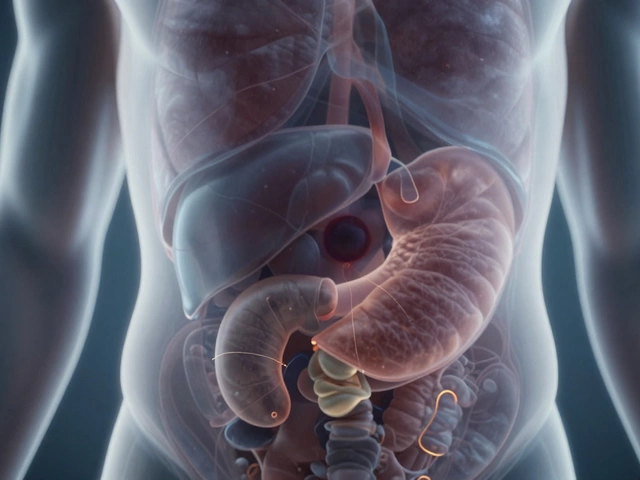
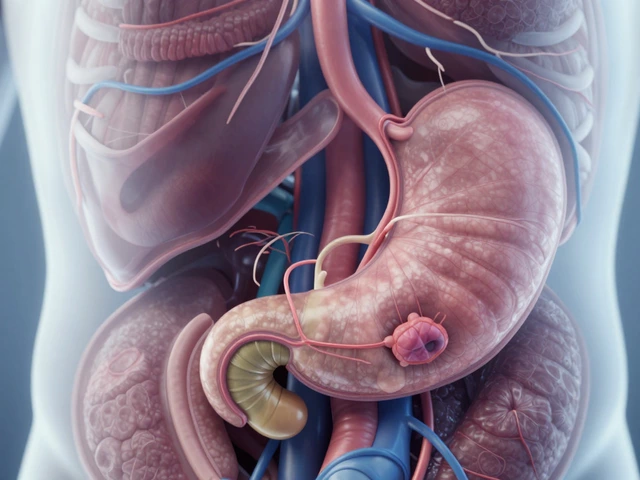
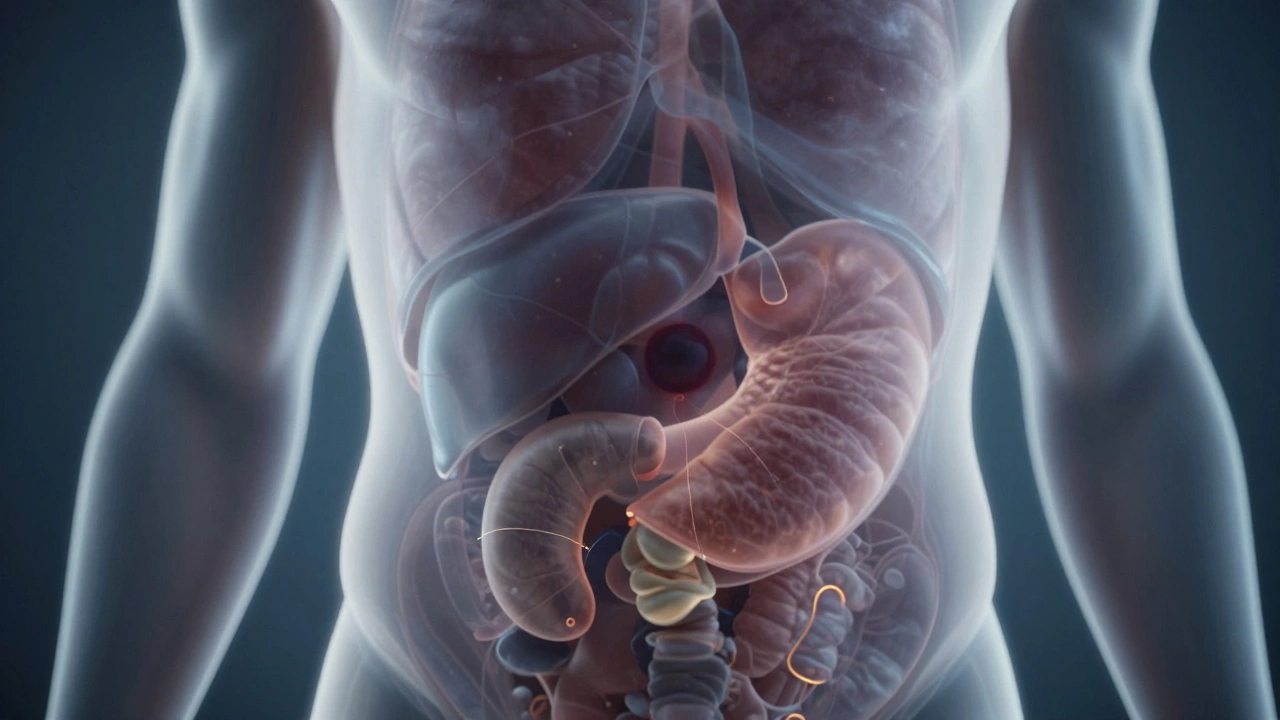
If we define "worst" as having the lowest five-year survival rate, Pancreatic cancer is a highly aggressive malignancy originating in the pancreas, often detected late due to vague early symptoms. This organ sits deep in the abdomen, behind the stomach, which makes tumors hard to feel or see during routine checkups.
The statistics are stark. According to recent data, the overall five-year survival rate for pancreatic cancer hovers around 13%. If the cancer is caught while still localized (confined to the pancreas), the survival rate jumps to about 44%. However, if it has spread to distant parts of the body, that number drops to roughly 3%. Why is it so dangerous? It grows quickly, invades nearby blood vessels and nerves, and rarely causes noticeable pain until it is advanced.
Risk factors include smoking, chronic pancreatitis, obesity, and family history. Because there is no standard screening test for average-risk individuals, many cases are found only when patients experience jaundice, unexplained weight loss, or severe back pain. Early detection remains the biggest hurdle in improving outcomes for this disease.
The Leading Killer: Lung Cancer
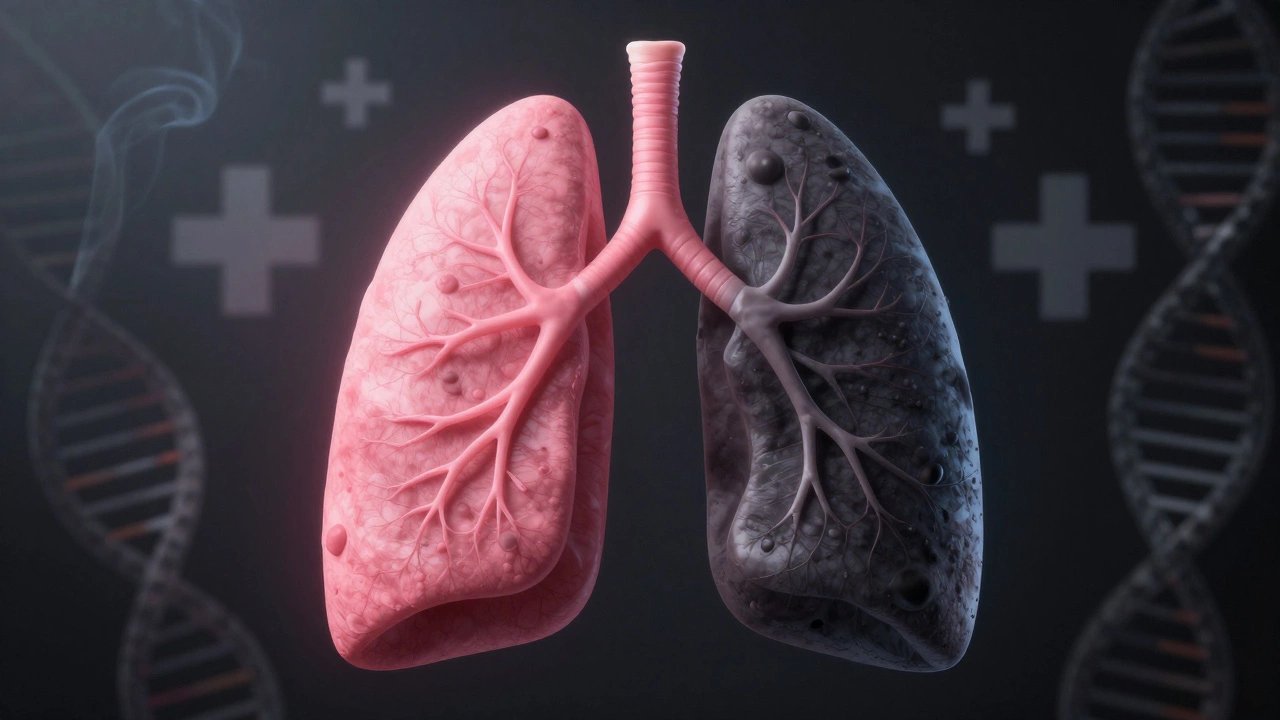
While pancreatic cancer has the lowest survival rate, Lung cancer is the leading cause of cancer death worldwide, primarily driven by tobacco use but also affecting non-smokers through environmental exposures. In terms of raw numbers, it claims more lives than breast, prostate, and colorectal cancers combined.
The five-year survival rate for all stages of lung cancer combined is approximately 22%. However, this number varies wildly depending on the stage at diagnosis. Non-small cell lung cancer (NSCLC), which accounts for about 85% of cases, has a better prognosis if caught early. Small cell lung cancer (SCLC) is far more aggressive and spreads faster, leading to poorer outcomes.
The good news? Survival rates are improving. Advances in targeted therapies and immunotherapy have given new hope to patients who previously had few options. For example, drugs targeting specific genetic mutations like EGFR or ALK have significantly extended life expectancy for certain subtypes. Quitting smoking at any age reduces risk, and low-dose CT scans are now recommended for high-risk individuals (long-term smokers aged 50-80) to catch tumors before they grow large.
Aggressive and Hard-to-Treat: Liver and Esophageal Cancers
Some cancers are particularly tough to manage because they arise in organs that are vital and complex. Liver cancer, specifically hepatocellular carcinoma, is a primary liver tumor often developing against a background of chronic liver disease such as cirrhosis or hepatitis B/C infection. The liver’s dual blood supply allows tumors to receive nutrients easily, promoting rapid growth. Additionally, the liver performs so many essential functions that removing large portions of it is risky.
The five-year survival rate for liver cancer is about 21%. Most diagnoses happen at an advanced stage because early-stage liver cancer often presents no symptoms. Risk factors include long-term alcohol abuse, viral hepatitis, and non-alcoholic fatty liver disease (NAFLD), which is rising alongside global obesity rates.
Similarly, Esophageal cancer is a malignancy of the tube connecting the throat to the stomach, with two main types: squamous cell carcinoma and adenocarcinoma. Adenocarcinoma has been increasing in incidence, largely linked to acid reflux (GERD) and Barrett’s esophagus. The five-year survival rate is around 21%, dropping to 5% if the cancer has metastasized. Symptoms like difficulty swallowing (dysphagia) usually appear only after the tumor has grown significantly, narrowing the esophageal passage.
Brain Tumors: Glioblastoma
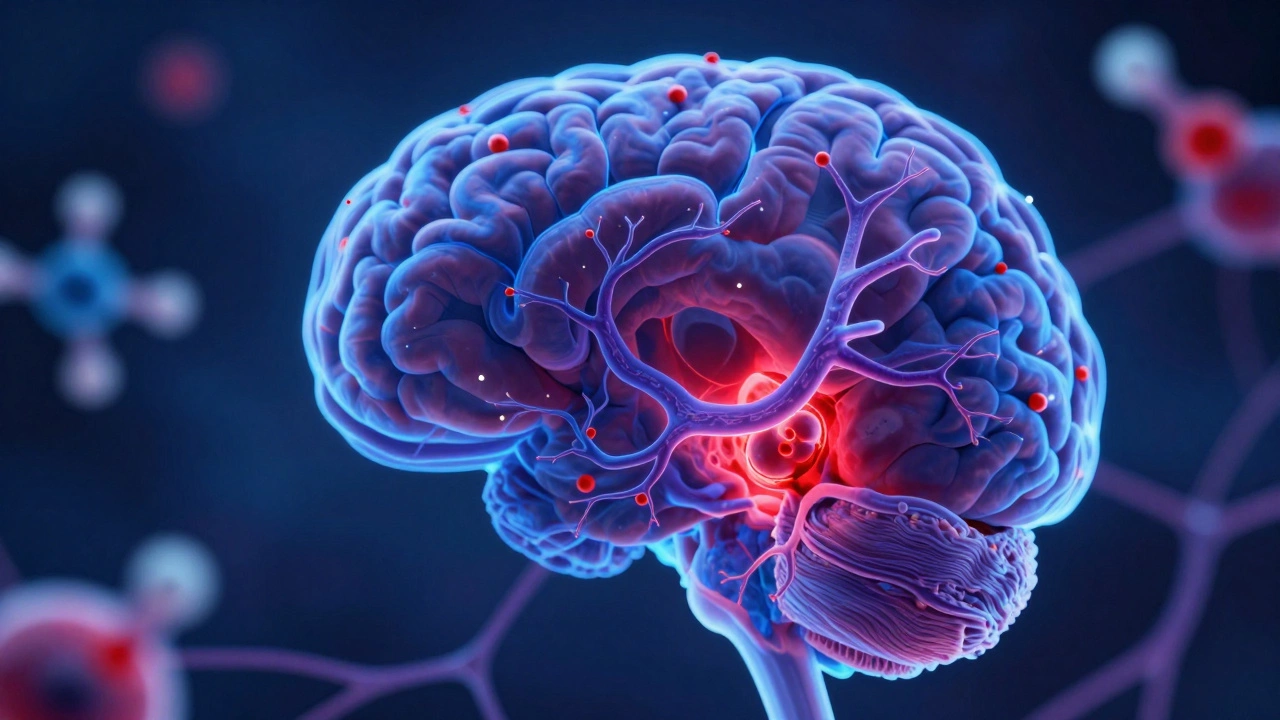
When people think of terrifying cancers, brain tumors often come to mind. Among them, Glioblastoma is the most common and aggressive primary malignant brain tumor in adults, characterized by rapid growth and infiltration into surrounding brain tissue. It is classified as a Grade IV astrocytoma.
The challenge with glioblastoma isn’t just its speed; it’s its location. The brain is protected by the blood-brain barrier, which blocks many chemotherapy drugs from reaching the tumor. Surgery can remove visible masses, but microscopic cells remain, leading to recurrence. The median survival time is typically 12-15 months with aggressive treatment, though some patients live longer. New approaches like tumor-treating fields (TTFields) and personalized vaccines are being studied to improve these grim statistics.
Comparison of High-Risk Cancers
| Cancer Type | 5-Year Survival Rate (All Stages) | Primary Risk Factors | Key Challenge |
|---|---|---|---|
| Pancreatic | ~13% | Smoking, Obesity, Family History | Late Detection, Vague Symptoms |
| Lung | ~22% | Smoking, Radon Exposure | High Mortality Volume, Late Stage Diagnosis |
| Liver | ~21% | Hepatitis, Alcohol, NAFLD | Underlying Liver Disease Limits Treatment Options |
| Esophageal | ~21% | GERD, Smoking, Alcohol | Symptoms Appear Only After Significant Growth |
| Glioblastoma | ~7% | Age, Radiation Exposure | Inaccessibility, Blood-Brain Barrier |
Why "Worst" Depends on Context
It is crucial to understand that survival rates are averages. They do not predict your individual outcome. A young person with pancreatic cancer may respond differently to treatment than an older adult with other health conditions. Furthermore, medical science is moving fast. Immunotherapies that were experimental five years ago are now standard care for melanoma and lung cancer, drastically changing survival curves.
Another factor is access to care. In regions with advanced healthcare infrastructure, early screening programs for cervical, colorectal, and breast cancers have turned what were once deadly diseases into manageable chronic conditions or curable illnesses. For instance, the five-year survival rate for localized breast cancer is over 99%. This highlights that prevention and early detection are powerful tools against the "worst" cancers.
Red Flags to Watch For
Knowing which cancers are most dangerous should motivate you to pay attention to your body, not live in fear. Here are general warning signs that warrant a doctor’s visit:
- Unexplained weight loss: Losing 10 pounds or more without trying can signal metabolic changes caused by cancer.
- Persistent fatigue: Extreme tiredness that doesn’t improve with rest may indicate anemia or systemic illness.
- Pain that doesn’t go away: Back pain, headaches, or abdominal discomfort that persists for weeks needs evaluation.
- Changes in bowel or bladder habits: Blood in stool, persistent diarrhea, or difficulty urinating can be signs of colorectal, bladder, or prostate issues.
- Non-healing sores: Mouth ulcers or skin lesions that don’t heal within two weeks should be checked.
- Lumps or thickening: Any new lump in the breast, testicle, lymph nodes, or elsewhere requires examination.
The Role of Screening and Prevention
For many of the deadliest cancers, screening saves lives. Low-dose CT scans for lung cancer in heavy smokers, colonoscopies for colorectal cancer starting at age 45, and Pap smears/HPV tests for cervical cancer are proven interventions. While there is no widespread screening for pancreatic or liver cancer in average-risk populations, high-risk individuals (those with strong family histories or chronic liver disease) should discuss surveillance strategies with their doctors.
Lifestyle choices play a massive role. About 40% of cancers are preventable through avoiding tobacco, maintaining a healthy weight, limiting alcohol, eating a diet rich in fruits and vegetables, and protecting skin from UV radiation. Vaccinations against HPV and Hepatitis B also prevent cancers linked to these viruses.
Advancements in Treatment
Even for aggressive cancers, treatment is evolving. Precision medicine uses genetic testing to match drugs to a tumor’s specific mutations. CAR T-cell therapy harnesses the immune system to attack blood cancers like leukemia and lymphoma. Clinical trials offer access to cutting-edge treatments that may not yet be widely available. If you or a loved one faces a diagnosis of a high-risk cancer, ask your oncologist about clinical trial eligibility.
What is the deadliest cancer in the world?
Lung cancer is the deadliest in terms of total deaths, causing more fatalities annually than any other cancer type. However, pancreatic cancer has the lowest five-year survival rate, making it the most lethal relative to the number of cases diagnosed.
Can pancreatic cancer be cured?
If pancreatic cancer is detected early and confined to the pancreas, surgery can potentially cure it. Unfortunately, most cases are diagnosed at later stages when surgery is not possible. In these cases, treatment focuses on extending life and managing symptoms through chemotherapy, radiation, and palliative care.
Is glioblastoma always fatal?
Glioblastoma is currently considered incurable because it recurs in nearly all patients despite aggressive treatment. However, it is not immediately fatal. With surgery, radiation, and chemotherapy, many patients live for several years. Research into new therapies continues to aim for longer survival times.
What are the early symptoms of liver cancer?
Early-stage liver cancer often has no symptoms. When symptoms do appear, they may include abdominal pain, swelling, nausea, loss of appetite, unexplained weight loss, and jaundice (yellowing of skin and eyes). People with chronic liver disease should undergo regular monitoring via ultrasound and blood tests.
How can I reduce my risk of getting aggressive cancers?
You can lower your risk by avoiding tobacco products, limiting alcohol consumption, maintaining a healthy weight, exercising regularly, eating a balanced diet, getting vaccinated against HPV and Hepatitis B, and undergoing recommended cancer screenings based on your age and family history.