Knee Replacement Activity Risk Checker
Select an activity from the list below to see its risk level and why it is recommended or restricted after knee replacement surgery.
Choose an Activity
Select an activity on the left to view detailed safety information.
Weight Impact Estimator
Every pound of excess body weight places approximately 4 pounds of extra pressure on your knees per step. Use this estimator to understand the cumulative load.
You’ve just survived the surgery. The pain is manageable, the bandages are coming off, and you’re dreaming of hiking trails or playing with your grandkids without wincing. But then the surgeon drops a list of "don'ts" that feels longer than the "dos." It’s confusing, right? One doctor says you can run; another says never again. So, what are the permanent restrictions after knee replacement, really? Are you grounded for life, or is there hope for an active future?
The truth isn’t black and white. While modern implants are tougher than ever, they aren’t indestructible. Think of your new knee like a high-performance car part-it works beautifully if treated correctly, but it has wear limits. This guide cuts through the noise to tell you exactly which activities carry real risks, which myths you can ignore, and how to live fully without wrecking your investment.
Why Restrictions Exist (It’s Not Just About Pain)
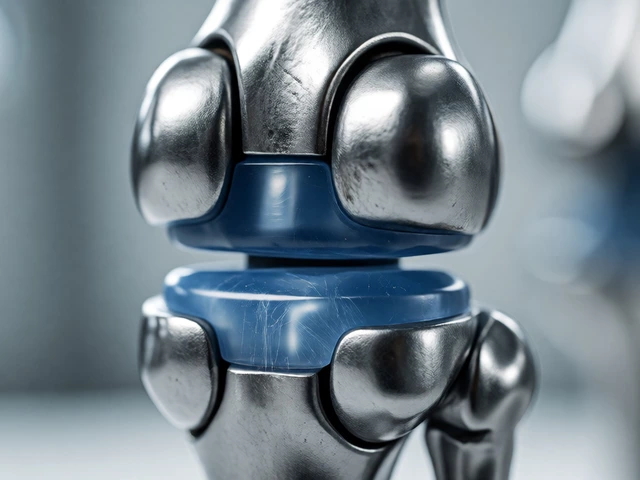
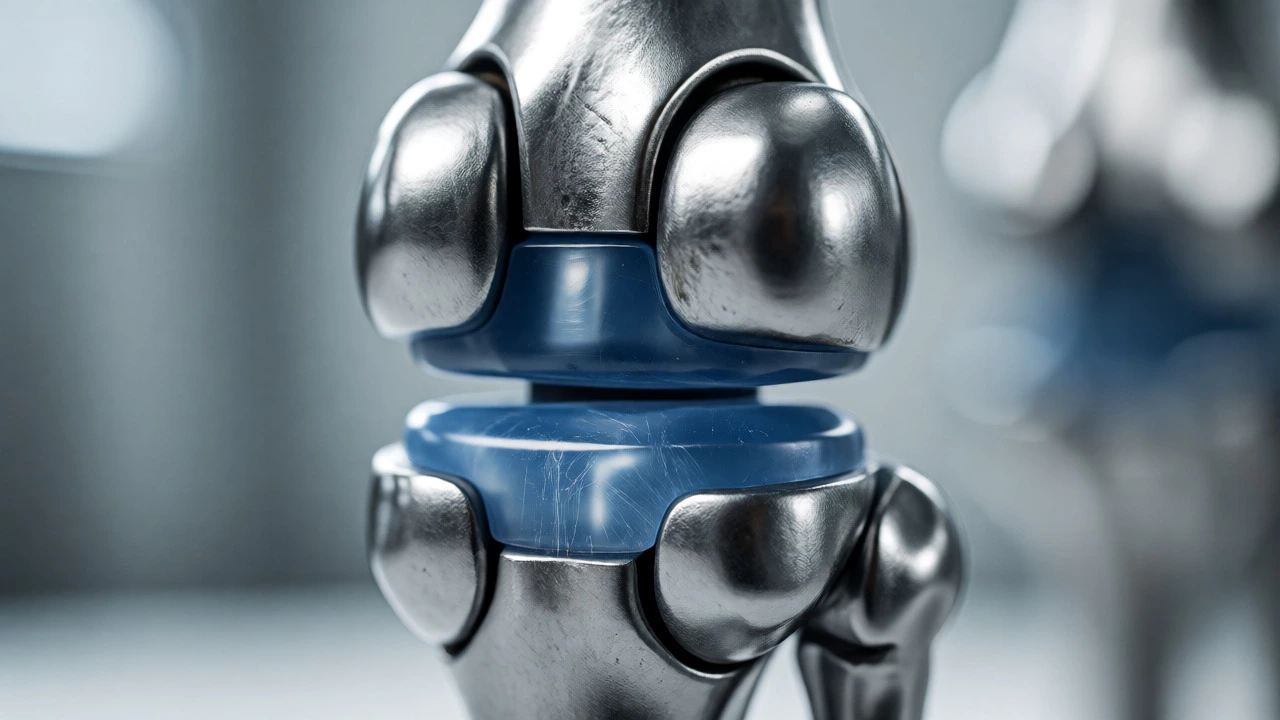
To understand the rules, you have to understand what’s inside your leg. A total knee arthroplasty replaces the worn-out cartilage and bone ends with metal and plastic components. The main villain in the long game is polyethylene-the medical-grade plastic spacer between your metal thigh and shin parts. Every time you step, jump, or twist, this plastic wears down slightly. Tiny particles shed off, and your body’s immune system tries to clean them up. Over years, this process can cause inflammation and loosen the implant from the bone, a condition called osteolysis.
So, when surgeons restrict certain moves, they aren’t being old-fashioned. They are protecting the interface between the implant and your bone. If that bond breaks, you face revision surgery, which is harder, riskier, and less successful than the first one. The goal isn’t to keep you on the couch; it’s to make sure your knee lasts 15-20 years so you don’t need a second operation at age 60.
The Hard No-Gos: High-Impact Activities
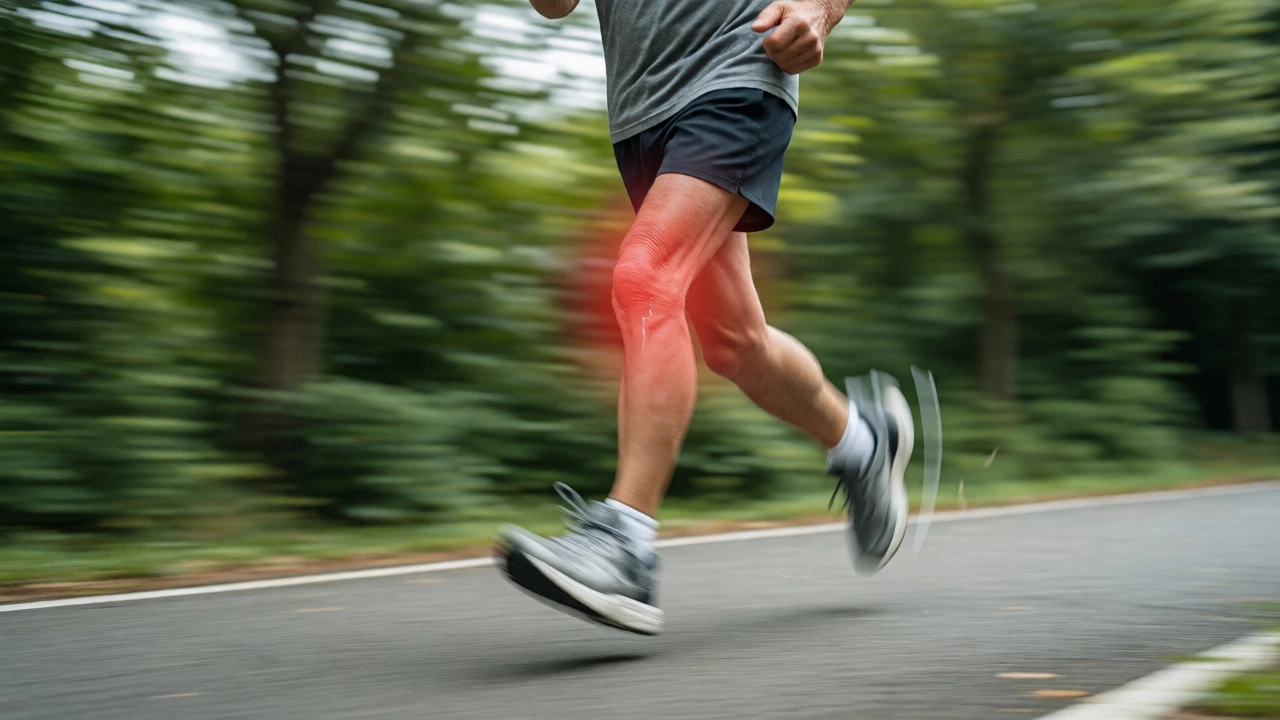
If there is one category of movement you should generally avoid forever, it’s high-impact exercise. These activities generate forces across the knee joint that exceed what natural cartilage was designed to handle, let alone a mechanical substitute.
- Running: Jogging or sprinting creates repetitive shock loads. While some elite athletes return to running, most orthopedic surgeons advise against it for the average patient. The cumulative stress accelerates polyethylene wear.
- Jumping Sports: Basketball, volleyball, and plyometrics involve landing from heights. The force on your knees upon landing can be 3-5 times your body weight. That sudden spike is dangerous for the bonding surface of the implant.
- Deep Squats and Lunges Below 90 Degrees: Going all the way down puts extreme pressure on the back of the knee and stresses the patellar tendon. If your implant design doesn’t allow for deep flexion, forcing it can cause instability or early failure.
Does this mean you’re banned from stairs? No. Stairs are low-impact and fine. Does it mean you can’t pick up your grandchild? Not necessarily, but lifting heavy weights while twisting your knee is a recipe for disaster.
The Gray Area: Twisting and Pivoting
Here’s where things get tricky. Your natural knee rotates slightly as you bend. An artificial knee does not rotate the same way. It’s a hinge mechanism. When you plant your foot and twist your body-like turning quickly to look behind you or pivoting in soccer-you shear the implant against the bone cement.
This is why contact sports like football, rugby, and martial arts are typically restricted permanently. The unpredictability of other players hitting you, combined with awkward twists, creates torque the implant can’t safely dissipate. However, controlled twisting is okay. Yoga poses that require gentle rotation are usually safe if done slowly. The key is control. Sudden, jerky movements are the enemy.
Lifestyle Factors That Act Like Permanent Restrictions
Sometimes, the restriction isn’t about a specific sport, but a habit. Two major lifestyle factors act as permanent constraints on your knee’s longevity.
Weight Management
Every pound of excess body weight places four pounds of extra pressure on your knees. If you weigh 200 lbs, that’s 800 lbs of force per step. For an artificial joint, this overload speeds up wear significantly. Maintaining a healthy BMI isn’t just good for your heart; it’s a critical maintenance requirement for your knee. Gaining 20+ pounds post-surgery can shorten the lifespan of your implant by several years.
Infection Risks
Your new knee is foreign material. Bacteria love to stick to metal and plastic. Unlike natural tissue, an implant has no blood supply to bring immune cells directly to the site. This means an infection elsewhere in your body (like a dental abscess or urinary tract infection) can travel through the bloodstream and settle in your knee. Once infected, these bacteria form a biofilm that antibiotics can’t penetrate well. Therefore, prompt treatment of any infection and rigorous dental hygiene become lifelong non-negotiables.
What You CAN Do: Safe Alternatives
Don’t panic. You aren’t sentenced to a life of sitting. In fact, staying active is crucial to prevent muscle atrophy, which destabilizes the knee. Here are the gold-standard activities endorsed by orthopedic specialists worldwide.
| Activity Type | Risk Level | Why? |
|---|---|---|
| Walking & Hiking | Low | Low impact, strengthens muscles, improves balance. |
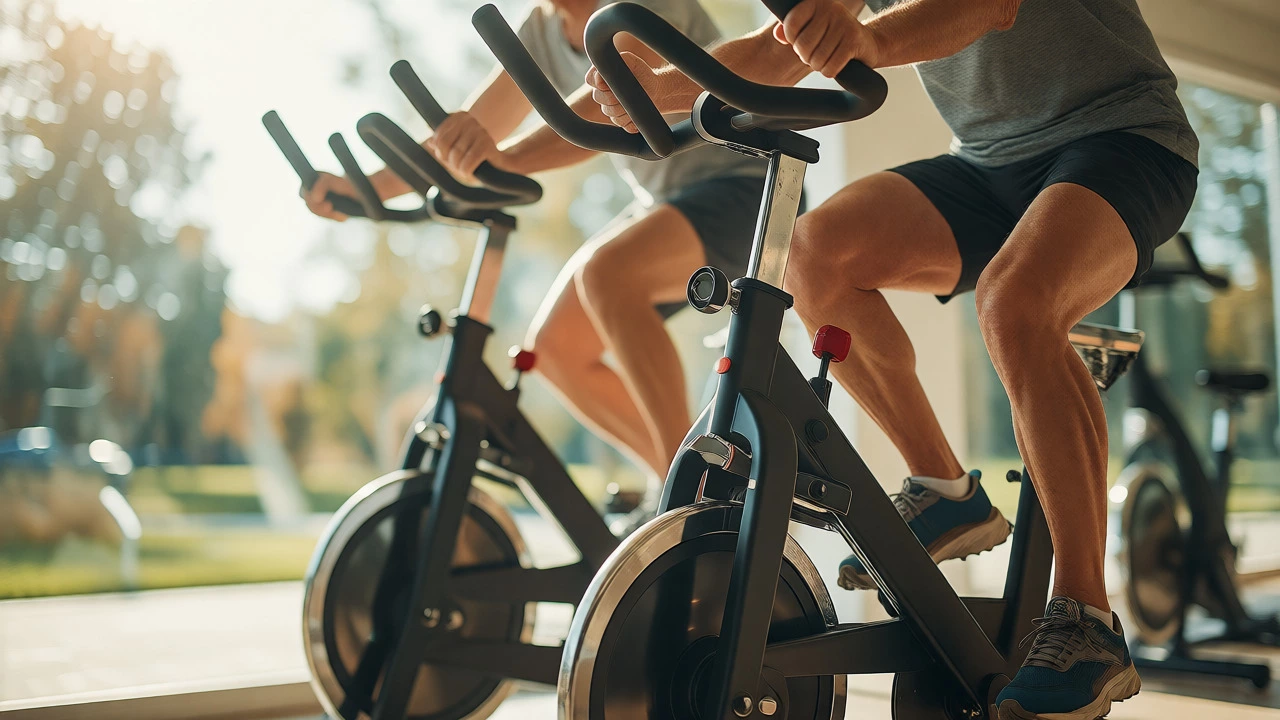
| Cycling (Stationary/Outdoor) | Low | Motion without weight-bearing impact. Great for range of motion. |
| Swimming & Water Aerobics | Very Low | Buoyancy removes stress from the joint entirely. |
| Golf & Tennis (Singles) | Moderate | Allowed if played cautiously; avoid lunging for balls. |
| Yoga & Pilates | Moderate | Excellent for flexibility; avoid deep twists or extreme bends. |
| Running & Jumping | High | Repetitive shock damages polyethylene liner. |
| Contact Sports | Very High | Risk of trauma and unpredictable twisting. |
Notice that cycling is highly recommended. It keeps the quadriceps strong without pounding the joint. Swimming is arguably the best cardio option because water supports your weight. If you love tennis, switch to doubles. You’ll cover less ground, reducing the strain, and enjoy the social aspect more.
Myths That Need Busting
Let’s clear up some common fears that stop people from living normally.
Myth 1: "I can’t fly anymore." False. Flying is perfectly safe. The air pressure changes don’t affect the implant. The only caution is moving around during long flights to prevent blood clots, which is a general health tip, not a knee-specific rule.
Myth 2: "I can’t sit cross-legged." Usually false. Most modern implants allow enough flexion to sit cross-legged comfortably. If it feels tight, stretch gently. Don’t force it, but don’t assume it’s forbidden.
Myth 3: "I’ll set off metal detectors." Rarely true. Modern titanium and cobalt-chromium alloys are often compatible with security scanners. Even if it beeps, it’s not a big deal-just explain you have a joint replacement.
How to Protect Your Knee Long-Term
Think of your knee like a house. You need regular maintenance. Here’s your checklist for keeping those restrictions minimal:
- Strengthen the Quads: Your quadriceps are the brakes and stabilizers for your knee. Weak quads mean the implant takes more load. Do straight-leg raises and seated extensions daily.
- Listen to Swelling: If your knee swells after activity, you did too much. Ice it, rest it, and scale back next time. Swelling is your body’s check-engine light.
- Wear Supportive Shoes: Avoid high heels or completely flat unsupportive sandals. Good cushioning absorbs shock before it hits your knee.
- Regular Check-ups: See your orthopedist every 1-2 years, even if you feel fine. X-rays can detect loosening before symptoms appear.
When to Call the Doctor Immediately
While restrictions are preventative, some signs demand immediate attention. If you experience sudden severe pain, inability to bear weight, visible deformity, or fever with redness around the knee, seek help instantly. These could signal fracture, dislocation, or infection-issues that override any "restriction" discussion and require urgent intervention.
Can I ever run again after knee replacement?
Most surgeons advise against running due to the high-impact nature stressing the polyethylene liner. However, some patients with excellent muscle strength and lightweight frames may return to jogging under strict medical supervision. Walking is always safer.
Is squatting allowed after knee replacement?
Shallow squats are generally fine and beneficial for strength. Deep squats (below 90 degrees) depend on your implant type and personal flexibility. Many patients find deep squats uncomfortable or impossible due to mechanical limits, not pain. Never force a deep squat if resistance is felt.
Do I need to take antibiotics before dental work?
Guidelines vary. Traditionally, prophylactic antibiotics were recommended for all knee replacement patients undergoing invasive dental procedures. Recent guidelines suggest this is primarily necessary for patients with compromised immune systems or history of prior joint infections. Always consult your orthopedist and dentist together.
How long do knee replacements last?
With proper care and adherence to restrictions, most modern knee replacements last 15 to 20 years. Some last longer. Adhering to weight management and avoiding high-impact activities significantly extends this lifespan.
Can I kneel on my replaced knee?
Many patients can kneel, though some report discomfort or numbness over the incision site. It is not mechanically harmful to the implant itself. Use a cushion for comfort. If kneeling causes sharp pain, try shifting your position rather than abandoning it entirely.