
Ayurvedic Eating Style & Dosha Guide
Step 1: Assess Your Digestive Fire (Agni)
Select the option that best describes your current digestion:
Strong & Steady
I feel light after meals, have regular bowel movements, and high energy.
Weak or Erratic
I often feel bloated, gassy, or heavy after eating. Energy crashes by afternoon.
Variable
Sometimes great, sometimes terrible. Depends on stress, sleep, or what I ate.
Step 2: Identify Your Dominant Dosha
Which description resonates most with your natural tendencies?
Vata
- • Anxious or scattered mind
- • Prone to gas/constipation
- • Cold hands/feet
- • Irregular appetite
Pitta
- • Intense, competitive nature
- • Acid reflux/heartburn
- • Runs hot easily
- • Strong hunger
Kapha
- • Calm, steady personality
- • Prone to weight gain
- • Congestion/mucus
- • Slow metabolism
Your Personalized Ayurvedic Profile
Based on your inputs, here is your guide to optimal eating.
Your Focus Area
Loading...Dietary Strategy
Loading strategy...
Foods to Favor
- Loading...
Balancing Your Agni
Digestive HealthImmediate Action Steps
- Loading actions...
The Six Tastes Checklist
Ensure every meal contains these elements for complete satisfaction:
Ever wonder why you feel heavy and sluggish after a meal that should have energized you? Or maybe you’ve tried every trendy diet out there, only to find your energy levels still crashing by 3 PM. The problem might not be *what* you are eating, but *how* you are eating it. In Ayurveda, an ancient system of medicine originating from India over 5,000 years ago, food is viewed as more than just fuel; it is the primary tool for balancing your body’s internal environment. Unlike modern nutrition plans that often focus on calorie counting or macronutrient splitting, Ayurveda emphasizes the quality of digestion and the compatibility of food with your unique constitution.
If you have ever felt bloated after a salad or tired after a heavy lunch, this guide will help you understand the mechanics of your own digestion. We are going to break down the core principles of eating according to Ayurveda, moving away from rigid rules and toward a flexible, intuitive approach that honors your body’s natural rhythms. By the end of this article, you’ll know exactly how to adjust your meals to boost energy, improve digestion, and maintain long-term health without needing a degree in herbal science.
Understanding Your Unique Digestive Fire (Agni)
At the heart of Ayurvedic eating lies a concept called Agni, which translates to "digestive fire". Think of Agni as the metabolic engine in your gut. If your fire is strong and steady, you digest food efficiently, absorb nutrients well, and eliminate waste easily. You feel light, energetic, and clear-headed. But if your Agni is weak or erratic, food sits in your stomach like wet logs on a dying campfire. This leads to fermentation, gas, bloating, and the accumulation of toxins known as Ama.
Your Agni is influenced by several factors, including your Dosha type (Vata, Pitta, or Kapha), your daily routine, stress levels, and even the season. For instance, people with a dominant Vata constitution often have variable Agni-sometimes too strong, sometimes too weak-leading to irregular hunger and gas. Pitta types usually have a strong, sharp Agni, meaning they can handle spicy foods but may suffer from acid reflux if they overdo it. Kapha types tend to have a slow, steady Agni, making them prone to weight gain and lethargy if they eat too much or too slowly.
To start eating properly, you first need to assess your current state of Agni. Ask yourself: Do I feel satisfied but heavy after meals? Do I experience frequent gas or constipation? If the answer is yes, your priority isn’t adding more superfoods; it’s kindling your digestive fire. Simple steps like drinking warm water throughout the day, chewing each bite thoroughly, and avoiding cold, raw foods can significantly strengthen Agni within days.
The Six Tastes: Balancing Every Meal
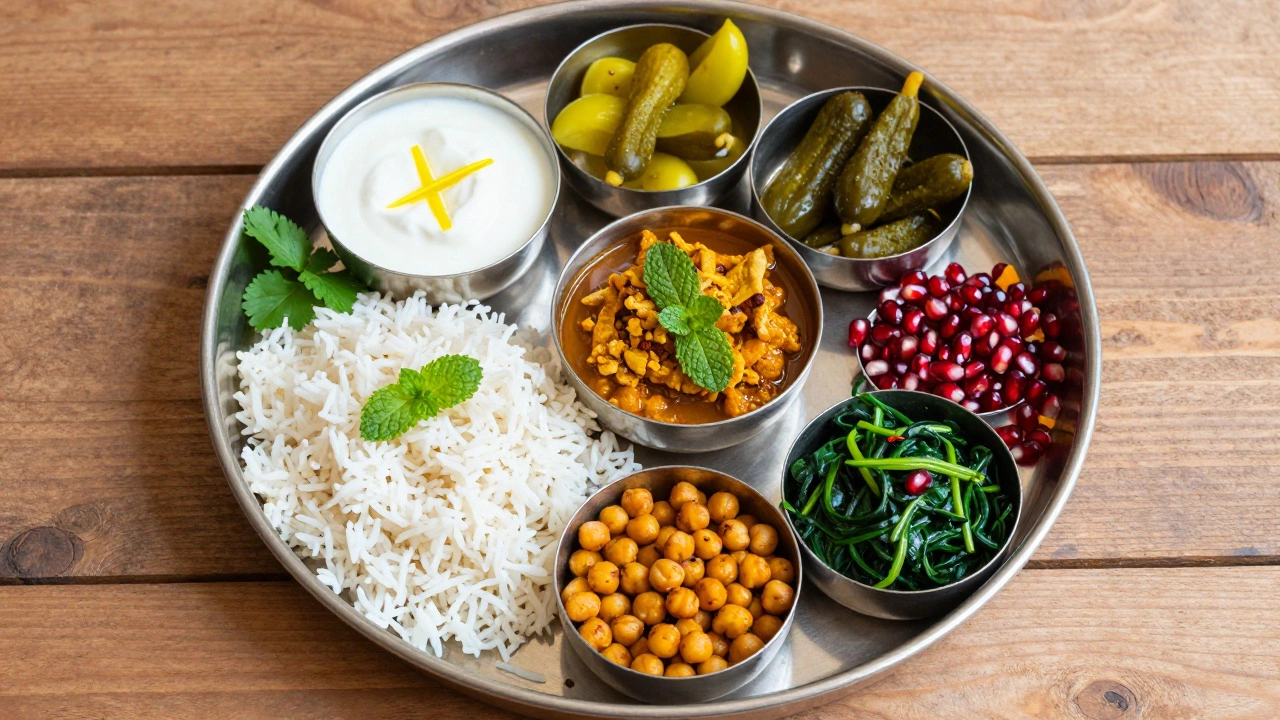
One of the most practical tools in Ayurveda is the concept of the six tastes. Modern diets often fixate on sweet, salty, and savory, ignoring the other three. Ayurveda teaches that every complete meal should ideally contain all six tastes to ensure proper nutrient absorption and satisfaction. These tastes are:
- Sweet: Found in grains, dairy, root vegetables, and some fruits. It provides grounding and energy.
- Sour: Found in citrus, fermented foods, vinegar, and yogurt. It stimulates appetite and aids digestion.
- Salty: Found in sea salt, seaweed, and pickles. It helps retain fluids and supports cellular function.
- Bitter: Found in leafy greens, bitter melon, coffee, and turmeric. It detoxifies and cools the body.
- Pungent: Found in chilies, ginger, garlic, and mustard. It ignites Agni and clears congestion.
- Astringent: Found in legumes, pomegranates, green tea, and unripe bananas. It dries excess moisture and tightens tissues.
When you miss one or more of these tastes, your body may crave junk food later in the day. For example, a meal consisting only of bland rice and chicken lacks pungency and bitterness, leaving your palate unsatisfied. By consciously adding a squeeze of lemon (sour), a pinch of cumin (pungent), and a side of sautéed spinach (bitter), you create a balanced plate that signals fullness to your brain. This isn’t about strict portion control; it’s about nutritional completeness through flavor diversity.
Eating by Dosha: Tailoring Food to Your Constitution
While everyone benefits from the six tastes, the specific foods you choose should align with your dominant Dosha. Most people are a combination of two Doshas, so identifying your primary type helps refine your diet.
| Dosha | Key Qualities | Foods to Favor | Foods to Limit |
|---|---|---|---|
| Vata | Cold, dry, light, rough | Warm, moist, grounding foods like soups, stews, cooked grains, ghee, and ripe fruits. | Cold salads, raw vegetables, excessive caffeine, and dry snacks like crackers. |
| Pitta | Hot, sharp, oily, intense | Cooling, calming foods like cucumbers, melons, coconut, sweet fruits, and whole grains. | Spicy foods, fried items, alcohol, and overly sour or fermented products. |
| Kapha | Heavy, slow, cool, damp | Light, warming, stimulating foods like legumes, leafy greens, spices (ginger, pepper), and hot drinks. | Dairy, sugar, heavy meats, nuts, and cold, oily foods. |
Notice the pattern? Ayurveda operates on the principle of "like increases like." If you are feeling anxious, scattered, and cold (Vata qualities), eating cold, raw salads will worsen those symptoms. Instead, warm, cooked meals bring stability. Conversely, if you are inflamed, angry, and overheated (Pitta qualities), spicy curries will aggravate your condition. Cooling, mild foods restore balance. Understanding this dynamic allows you to use food as medicine, adjusting your plate based on how you feel rather than following a generic menu.
The Art of Mindful Eating: Habits That Transform Digestion
You can buy the most organic, dosha-perfect ingredients in Bangalore, but if you eat them while stressed, rushing, or distracted, your body won’t absorb their benefits. Ayurveda places immense importance on the *process* of eating. Here are key habits to adopt immediately:
- Eat in a Calm Environment: Stress activates the sympathetic nervous system (fight or flight), which shuts down digestion. Sit down, take three deep breaths, and eat without screens. This shifts your body into the parasympathetic state (rest and digest), optimizing enzyme production.
- Chew Thoroughly: Digestion begins in the mouth. Chew each bite until it is liquid before swallowing. This reduces the workload on your stomach and prevents gas. Aim for 20-30 chews per bite.
- Make Lunch Your Largest Meal: According to Ayurveda, Agni is strongest between 12 PM and 2 PM. Eating your biggest meal during this window ensures optimal digestion and energy for the afternoon. Dinner should be lighter and consumed at least three hours before bed.
- Avoid Mixing Incompatible Foods: Certain combinations, like milk with fish or fruit with meals, can create Ama (toxins) because they require different digestive environments. Stick to simple, familiar combinations like rice and dal or yogurt and fruit (separately).
- Listen to Your Hunger Cues: Only eat when you are genuinely hungry, indicated by a growling stomach and empty feeling. Stop eating when you are 75% full. Overeating extinguishes Agni, leading to fatigue and weight gain.
These habits seem simple, but they are transformative. Many people struggle with chronic bloating not because of lactose intolerance or gluten sensitivity, but because they gulp down large meals while working at their desks. Slowing down and respecting your body’s rhythm is the foundation of Ayurvedic wellness.
Seasonal Eating: Aligning with Nature’s Rhythms
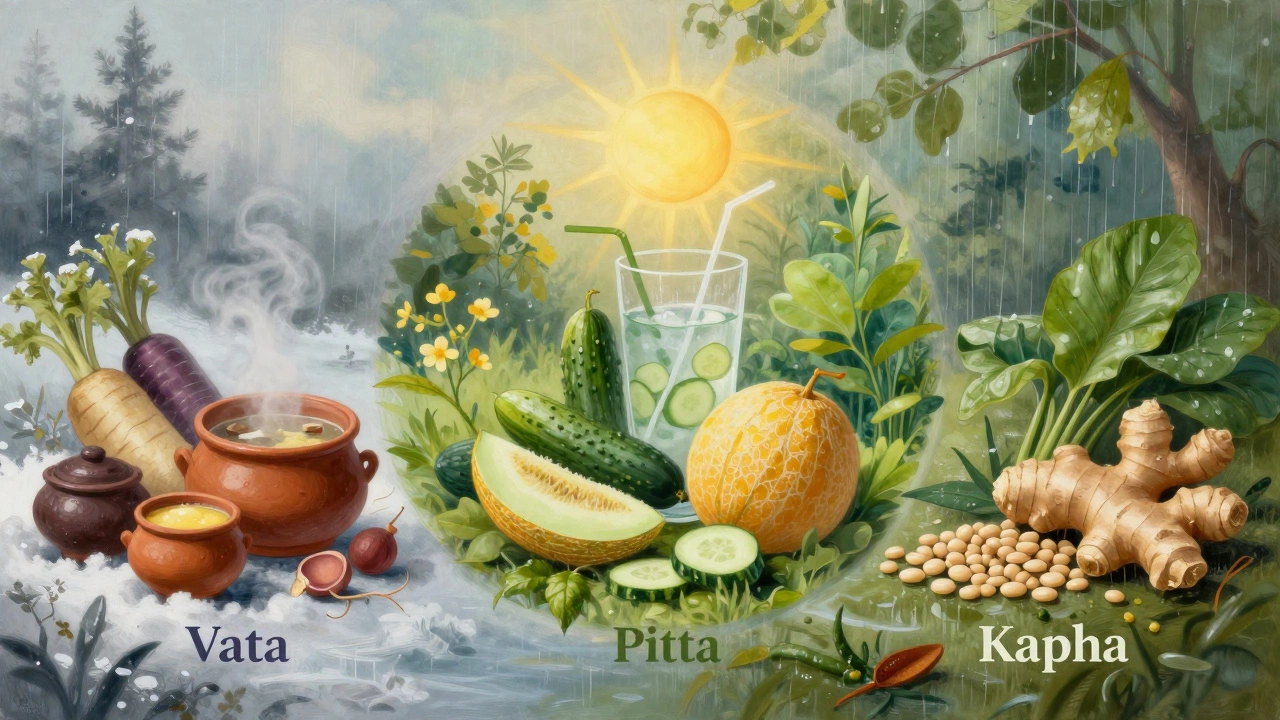
Ayurveda also teaches that our bodies change with the seasons. What works in summer may not work in winter. During the hot months (Pitta season), your body needs cooling, hydrating foods like cucumber, mint, and coconut water. In the cold, dry winter (Vata season), you need warming, nourishing foods like bone broth, root vegetables, and healthy fats like ghee.
In regions like South India, where humidity plays a significant role, Kapha-aggravating foods like heavy dairy and sweets can cause congestion and lethargy during the monsoon. Adjusting your diet seasonally prevents seasonal illnesses and maintains energy levels year-round. Pay attention to local produce; nature provides what your body needs at that specific time. Eating fresh, locally sourced fruits and vegetables ensures you are consuming foods that are in harmony with the current environmental energies.
Common Pitfalls to Avoid
Even with good intentions, many people make mistakes when trying to follow an Ayurvedic diet. One common error is overcomplicating things. You don’t need to memorize hundreds of herbs or prepare elaborate meals. Start with small changes: drink warm water instead of ice water, add ginger to your tea, and eat dinner earlier. Another pitfall is ignoring your individual constitution. Just because a friend loves spicy food doesn’t mean it’s right for you. Always tune into your own body’s feedback. If a food makes you feel heavy, irritable, or congested, it’s likely incompatible with your current state, regardless of its general health reputation.
Finally, avoid using Ayurveda as a justification for restrictive eating. It is meant to be liberating, not punitive. The goal is to cultivate a loving relationship with food and your body. When you eat with awareness and intention, food becomes a source of vitality rather than a source of guilt or confusion.
Can I eat raw salads if I have a Vata constitution?
Raw salads are generally difficult for Vata types to digest because they are cold, dry, and light. Instead, try lightly steaming your vegetables or adding warm dressings with olive oil and lemon juice. Cooked greens are easier to absorb and less likely to cause gas or bloating.
What is the best time to drink water according to Ayurveda?
Ayurveda recommends drinking warm or room-temperature water sipped throughout the day. Avoid drinking large amounts of water during meals, as it dilutes digestive enzymes. Wait at least 30 minutes after eating before drinking again. Herbal teas like ginger or cumin-coriander-fennel (CCF) tea are excellent for supporting digestion.
How do I determine my Dosha type?
You can determine your Dosha by observing your physical characteristics, mental tendencies, and reactions to food and weather. Online quizzes can provide a starting point, but consulting with a qualified Ayurvedic practitioner offers a more accurate assessment based on pulse diagnosis and detailed history.
Is Ayurvedic diet suitable for vegetarians and vegans?
Yes, Ayurveda naturally leans towards plant-based eating. However, it emphasizes the quality and preparation of plant foods. Vegans should ensure they include enough healthy fats (like ghee alternatives or coconut oil) and proteins (like lentils and beans) to prevent Vata imbalance. Traditional Ayurveda includes dairy for many constitutions, but modern adaptations can work well without it.
Why does Ayurveda emphasize eating lunch as the largest meal?
Digestive fire (Agni) peaks around midday, typically between 12 PM and 2 PM. Eating your largest meal during this time ensures efficient digestion and nutrient absorption. Heavy dinners are harder to digest and can disrupt sleep patterns, leading to toxin buildup and morning fatigue.