Have you ever felt like no matter what diet you try, your body just doesn’t seem to respond? You cut carbs, you count calories, you skip meals - and still, you’re tired, bloated, or never quite satisfied? That’s because most diets treat everyone the same. But your body isn’t like anyone else’s. The Ayurvedic diet doesn’t tell you what to eat. It tells you how to eat - based on who you are.
What Exactly Is the Ayurvedic Diet?
The Ayurvedic diet isn’t a list of forbidden foods or a rigid meal plan. It’s an ancient system from India, over 5,000 years old, that matches your food choices to your natural body type - called a dosha. Think of it like this: your body is a unique machine. One person runs best on rice and lentils. Another needs more ghee and warm spices. The Ayurvedic diet helps you find your version of balance.
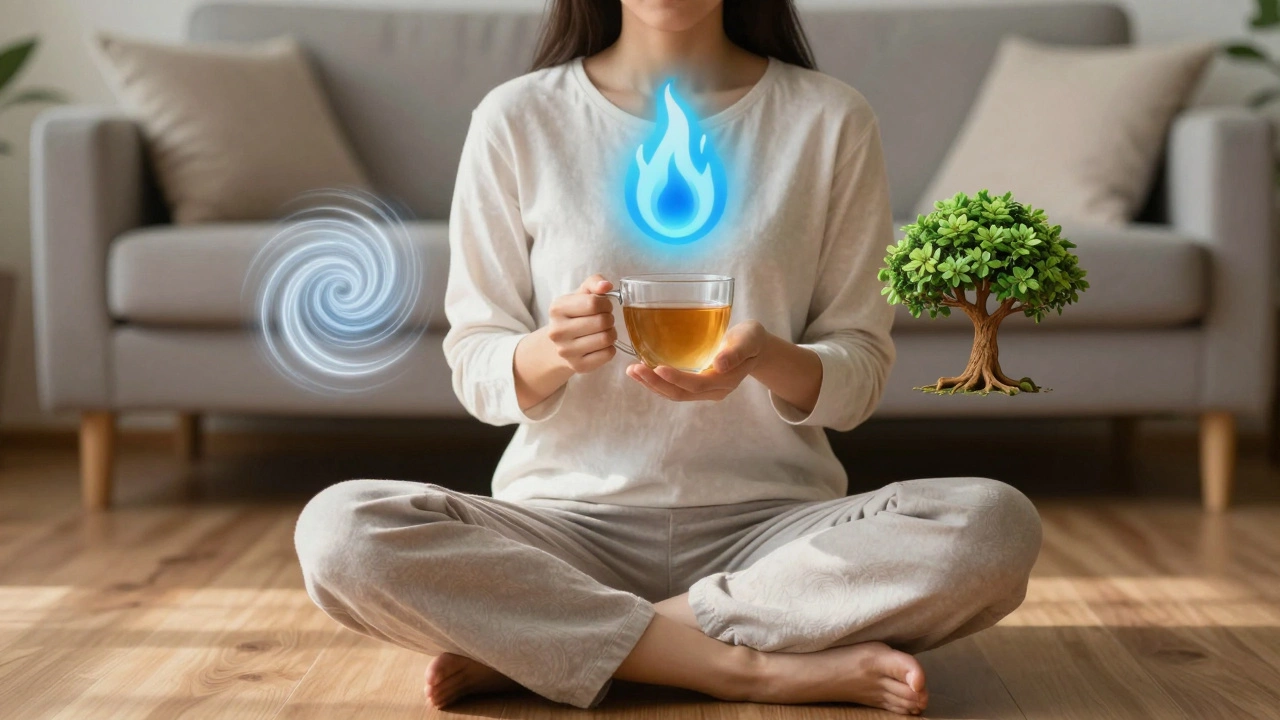
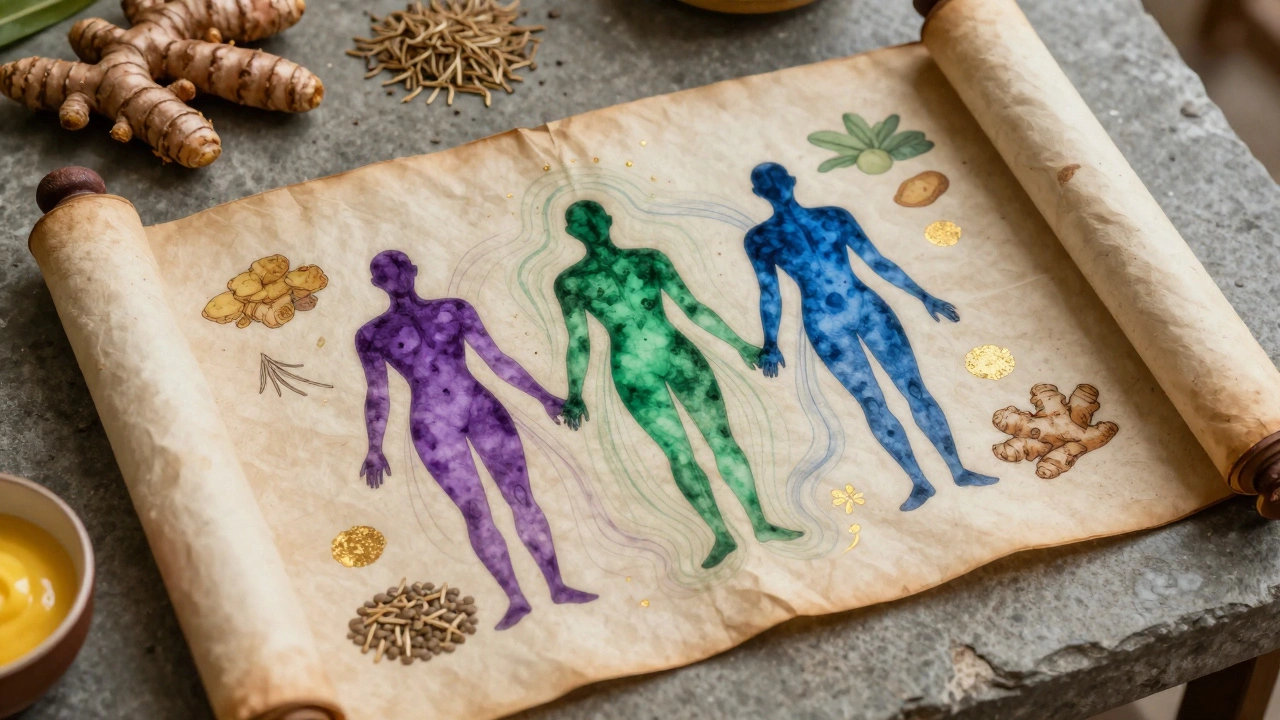
Ayurveda says we’re made of three energies: Vata, Pitta, and Kapha. These aren’t just buzzwords. They’re biological patterns that affect how you digest food, how you feel after eating, even how you sleep. When you eat foods that match your dosha, digestion improves. Energy stays steady. Cravings fade. You don’t feel like you’re fighting your own body.
Your Dosha: The Core of the Ayurvedic Diet
Most people are a mix of two doshas, but one usually dominates. Here’s how they show up in daily life:
- Vata (air + space): You’re thin, quick-moving, prone to anxiety, and often cold. Your digestion is irregular. You skip meals, then binge. You crave warmth and moisture.
- Pitta (fire + water): You have a strong appetite, sharp mind, and get irritable when hungry. You run hot, sweat easily, and get heartburn or acid reflux. You crave cool, sweet, bitter foods.
- Kapha (earth + water): You’re steady, grounded, and gain weight easily. You sleep deeply, move slowly, and feel sluggish after eating heavy meals. You crave light, spicy, dry foods.
Most people in Bangalore, where I live, are either Pitta-dominant (thanks to the heat and spicy food culture) or Vata-Pitta mixes. But if you’re from a colder region like Kashmir or Himachal, Kapha types are more common. Your environment shapes your dosha - and your diet needs to match it.
What You Should Eat Based on Your Dosha
Let’s get practical. Here’s what real meals look like for each type - no guesswork.
Vata: Warm, Moist, and Grounding
When Vata is out of balance, you feel scattered. Your fix? Warm, oily, cooked foods. Think:
- Hot oatmeal with ghee and cinnamon for breakfast
- Stewed apples with cardamom and honey
- Khichdi (rice + lentils) with ghee and turmeric
- Warm herbal teas like ginger or fennel
- Avoid: Raw salads, cold drinks, popcorn, crackers
Why? Cold and dry foods make Vata worse. Warmth calms the nervous system. Ghee lubricates digestion. Cooked food is easier to digest than raw.
Pitta: Cool, Sweet, and Soothing
Pitta types burn hot - inside and out. Overstimulation leads to anger, acidity, and inflammation. Your diet should cool you down.
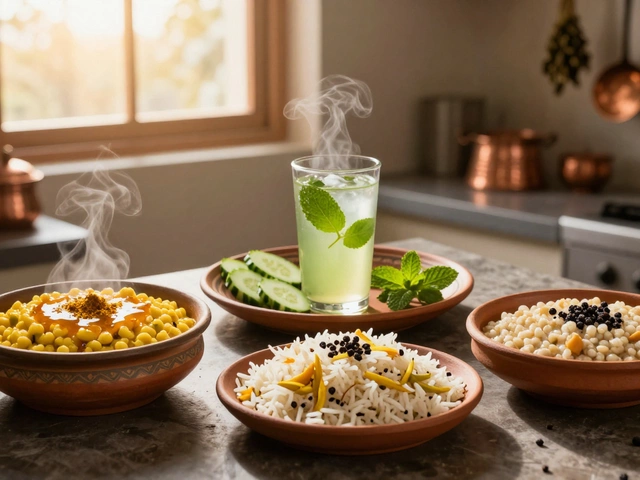
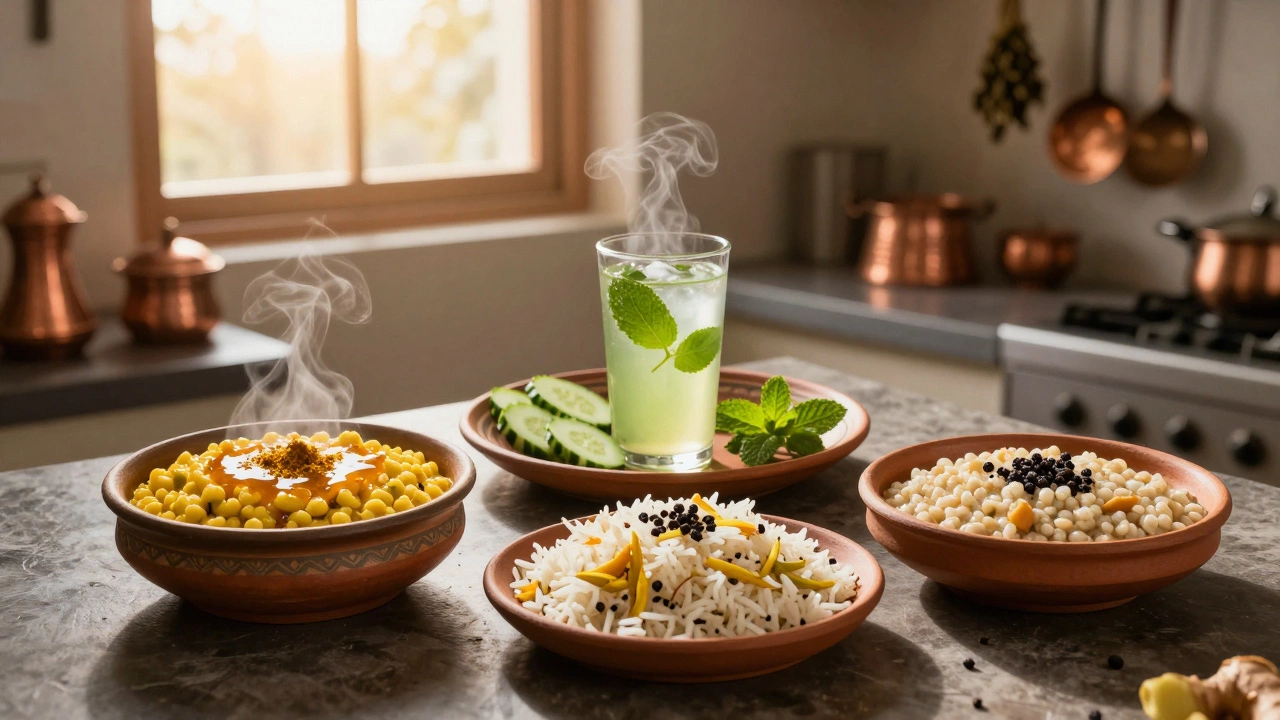
- Coconut water or cucumber mint infusion in the morning
- Steamed greens with basmati rice and lentil dal
- Watermelon, pears, and dates as snacks
- Use cooling spices: coriander, fennel, mint
- Avoid: Spicy chilies, fried food, coffee, alcohol, sour yogurt
Even in Bangalore’s heat, Pitta people often eat too much chili, curry, or coffee. That’s like pouring gasoline on a fire. Sweet, mild foods bring balance. And yes - you can still enjoy dosa, but skip the extra chutney.
Kapha: Light, Dry, and Spicy
Kapha types need movement - and food that wakes them up. Heavy meals make them sluggish. Sweet, oily, or salty foods lead to weight gain and congestion.
- Barley or millet porridge with ginger and black pepper
- Steamed vegetables with a dash of cumin and lemon
- Green tea or ginger tea instead of sugary drinks
- Use pungent spices: turmeric, ginger, black pepper, cayenne
- Avoid: Dairy, sweets, fried snacks, heavy meats, bananas
Many Kapha types think they need big breakfasts to stay energized. But in Ayurveda, a light breakfast - even just warm water with lemon - is better. Eating less, but more actively, is the key.
When to Eat: Timing Matters More Than What You Eat
Ayurveda doesn’t just care about food. It cares about when you eat.
Your digestive fire - called agni - is strongest between 10 a.m. and 2 p.m. That’s why lunch is the most important meal. Eat your biggest meal then. Dinner should be light, before 7 p.m. If you eat late, your body spends the night digesting instead of repairing.
Also, never skip meals. Even if you’re not hungry, eating at regular times keeps your dosha steady. Skipping breakfast? That’s a Vata trigger. Eating pizza at midnight? That’s a Kapha disaster.
Common Myths About the Ayurvedic Diet
People think Ayurveda means eating only vegetarian food. Not true. Some doshas need meat - especially Vata types who are underweight or recovering from illness.
Another myth: You must give up coffee. Not always. A Pitta person might handle a small cup of warm coffee with milk. A Vata person might need it for energy. But Kapha? Skip it. It’s too heavy.
And no - you don’t need expensive superfoods. Ayurveda uses everyday ingredients: turmeric, cumin, ginger, ghee, lentils, rice. These are in every Indian kitchen. You don’t need to buy exotic powders or supplements.
How to Start the Ayurvedic Diet Today
You don’t need to overhaul your life. Start small:
- Identify your dosha. Take a free online quiz - look for one based on traditional Ayurvedic texts, not modern marketing.
- Write down what you ate yesterday. Did you feel bloated? Energized? Anxious? That’s your body talking.
- Swap one meal. If you’re Vata, replace your cold salad with warm lentil soup. If you’re Pitta, swap your spicy curry for steamed veggies with turmeric. If you’re Kapha, skip the toast and have ginger tea instead.
- Drink warm water with lemon every morning. It’s simple, cheap, and helps all doshas.
- Eat dinner before 7 p.m. for one week. Notice how you sleep.
Most people feel better in 3-5 days. Less bloating. Better sleep. Fewer cravings. That’s because you’re no longer fighting your biology.
Why This Works When Other Diets Fail
Diets like keto or vegan work for some - but only if they fit your body. The Ayurvedic diet works because it doesn’t force change. It restores balance. It’s not about losing weight - it’s about feeling light. Not about cutting calories - it’s about digesting well.
Studies from the National Institute of Ayurvedic Medicine show that people following a dosha-based diet had 40% fewer digestive complaints and 30% better sleep quality in just 6 weeks. You don’t need to be perfect. You just need to be consistent.
Final Thought: Food Is Medicine - But Only If It Fits You
The Ayurvedic diet isn’t a trend. It’s a lifetime system. It’s been used in villages across India for centuries. No one in a village in Tamil Nadu counts calories. They eat what feels right for their body - and they stay healthy.
You don’t need to become a monk or give up your favorite foods. You just need to eat in a way that honors your body, not one that tries to change it. Start with one meal. Listen to your body. That’s the whole point.