Knee Replacement Shower Safety Checker
Enter your recovery details below to get personalized shower guidelines.
Awaiting Input
Please enter your details and click "Check Shower Safety" to see recommendations.
Pre-Shower Preparation Checklist:
You just got home from the hospital. The anesthesia is wearing off, your leg feels like it’s made of lead, and you have one burning question that has nothing to do with pain meds or physical therapy exercises: Can I shower yet?
It’s a fair question. You’ve been sweating in a hospital gown for two days, and the idea of standing under running water feels both luxurious and terrifying. Will the water hit the incision? Will the dressing fall off? Is there a rule against this, or is everyone just being overly cautious?
The short answer depends entirely on how your surgeon closed your wound and what kind of dressing they used. There is no single universal timeline because medical protocols vary by hospital and individual patient risk factors. But here’s the reality: most surgeons allow a shower within 48 to 72 hours, provided specific precautions are taken. Let’s break down exactly when you can get clean, how to do it safely, and what mistakes could set your recovery back.
The Critical First 24-48 Hours
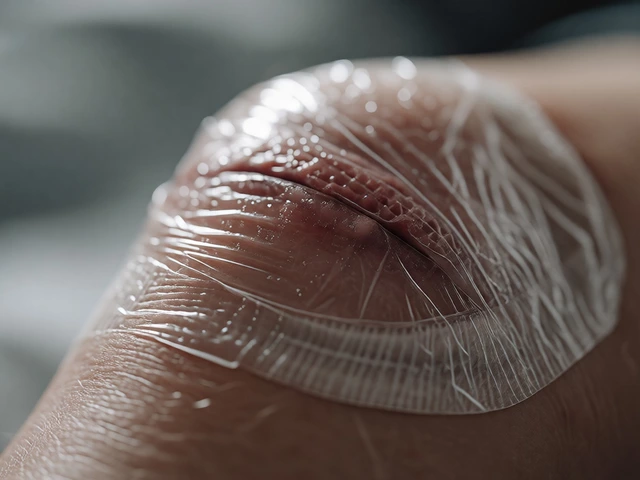
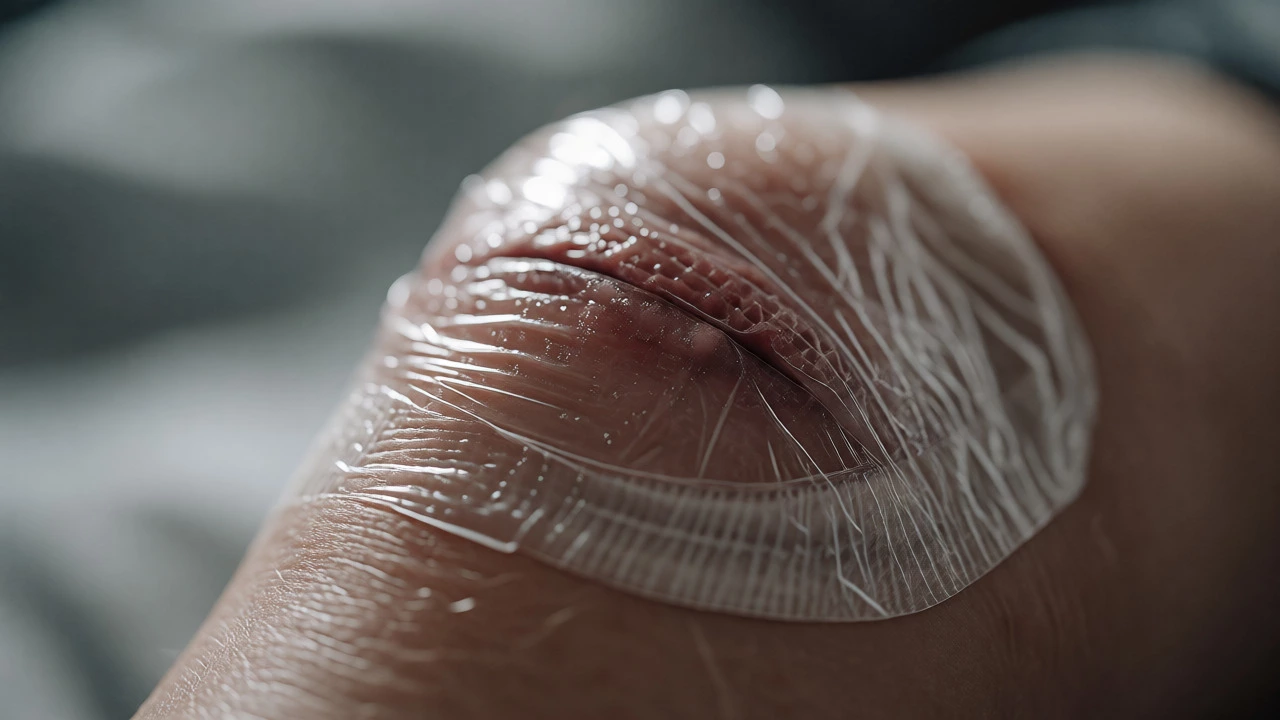
For the first day or two after Total Knee Arthroplasty, which is the medical term for a surgical procedure to replace damaged parts of the knee joint, your body is in shock. The incision site is fresh, and the skin edges haven’t bonded yet. Most orthopedic teams apply a waterproof transparent film or a sterile gauze dressing secured with tape immediately after surgery.
If you have a standard gauze dressing, keep it dry. Period. Water turns gauze into a soggy mess that clings to the wound and creates a warm, moist environment where bacteria love to party. If you absolutely must clean yourself during this window, stick to sponge baths. Use a damp washcloth with mild soap, avoiding the immediate area around the knee. Wipe gently-no scrubbing-and dry thoroughly with a clean towel. Patting is safer than rubbing.
Some hospitals use silver-impregnated dressings or adhesive strips (Steri-Strips) instead of sutures. These are often designed to stay on longer and may be more resistant to moisture, but don’t assume. Check your discharge papers. If the instructions say "keep dry," they mean it until your first follow-up appointment, which usually happens 10 to 14 days post-op.
When Can You Actually Shower?
Here is the general consensus among orthopedic surgeons in India and globally: if your incision is covered with a waterproof barrier, you can likely shower after 48 hours. If it’s open or covered only by non-waterproof gauze, wait until the staples or sutures are removed, typically around the two-week mark.
Why the difference? It comes down to infection risk. A wet incision before the skin seals can introduce pathogens deep into the joint capsule. Once the epidermis begins to knit together, the risk drops significantly. However, even if you’re cleared to shower, you aren’t cleared to soak. Baths, pools, and hot tubs are strictly off-limits for at least four to six weeks. Submerging the knee in stagnant water is a fast track to infection.
| Dressing Type | Typical Wait Time | Water Exposure Rule | Risk Level |
|---|---|---|---|
| Standard Gauze + Tape | Until suture removal (~14 days) | No direct water contact; cover tightly | High |
| Transparent Film (e.g., Tegaderm) | 48-72 hours | Short showers allowed; pat dry | Moderate |
| Steri-Strips / Glue | 48-72 hours | Gentle stream; let air dry | Low-Moderate |
| Open Incision (No Cover) | As directed by surgeon | Cleanse with saline; avoid soap directly | Variable |
How to Shower Safely Without Falling
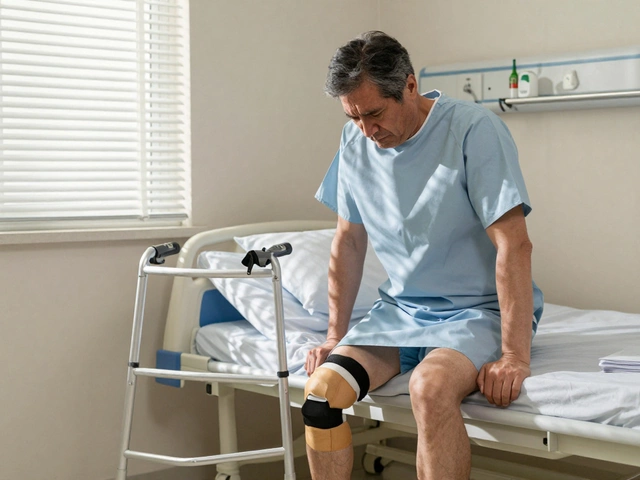
Let’s address the elephant in the room: falling. Your new knee doesn’t trust gravity yet. The muscles around the joint are weak, and your balance is compromised by pain meds and swelling. Standing on a slippery tile floor while trying to protect a sensitive incision is a recipe for disaster.
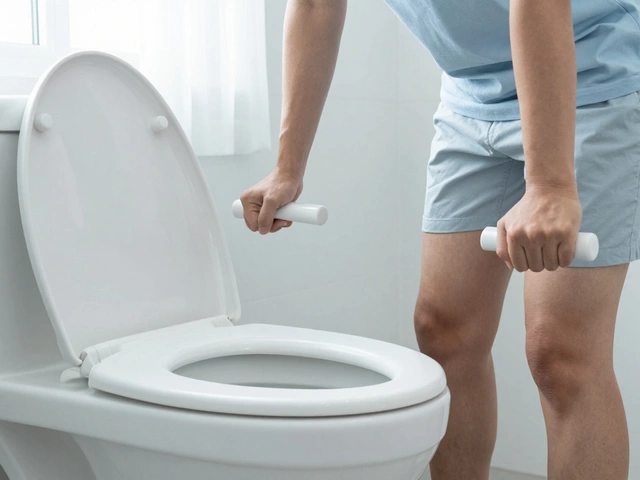
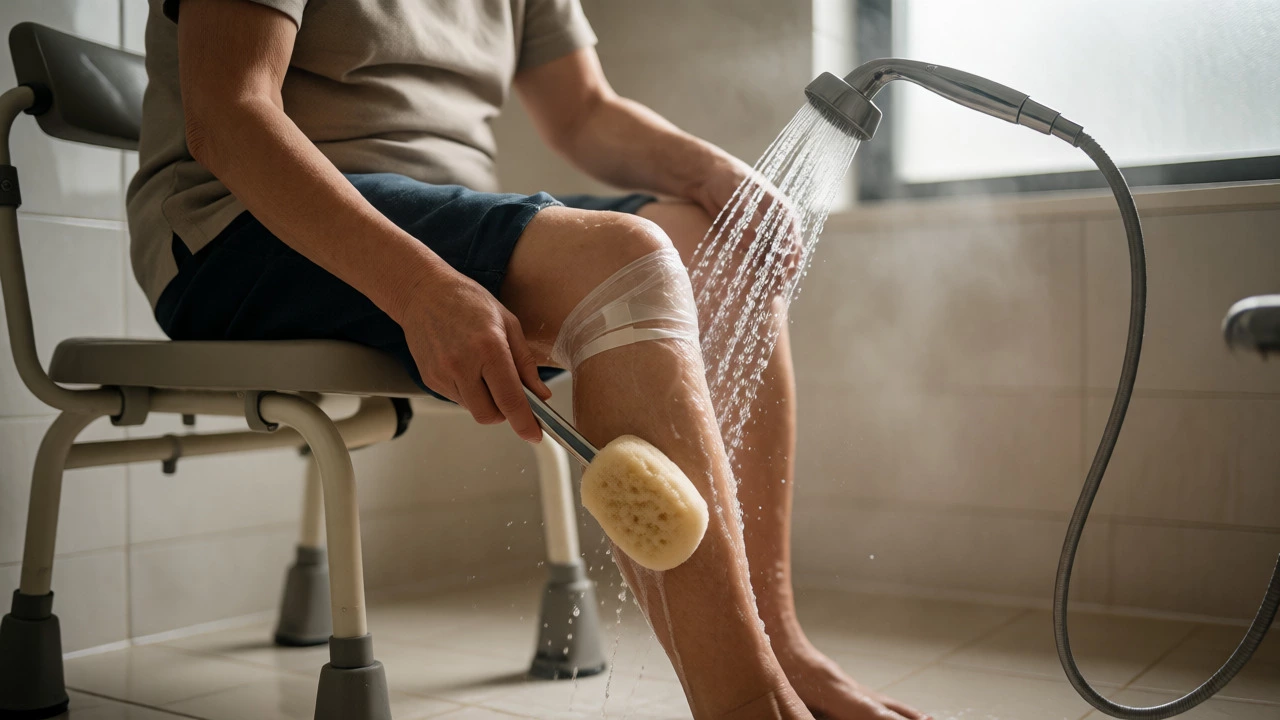
Do not attempt to stand and shower on your own initially. Use a shower chair or a sturdy stool. Place it inside the stall or tub so you can sit while washing. This reduces strain on the knee and eliminates the fear of slipping. Keep one hand free to hold onto grab bars or the wall. If you don’t have grab bars, ask your family to install them now-they cost next to nothing and save hips later.
Keep the shower short. Five minutes is plenty. Long exposure to steam increases blood flow to the area, which can worsen swelling. Use lukewarm water, not hot. Heat causes vasodilation, leading to more inflammation around the surgical site. Cool or tepid water is soothing without aggravating the tissues.
Protecting the Incision Site
Even if your doctor says you can shower, protecting the wound is still priority number one. Here’s the step-by-step protocol that works well for most patients:
- Cover it up: Before turning on the water, wrap the knee in plastic cling film or place a large plastic bag over the leg, taping it loosely above the knee. This acts as a raincoat for your leg.
- Direct the spray away: Angle the showerhead so water hits your torso and feet, not the knee. Let the water run down past the leg rather than blasting it directly.
- Avoid soap on the incision: Unless told otherwise, don’t lather soap directly on the scar. Soap can irritate healing skin. Wash the surrounding areas and let the runoff clean the incision lightly.
- Pat, don’t rub: When you’re done, use a clean, soft towel to gently pat the area dry. Moisture left in the folds behind the knee can cause maceration (skin breakdown).
- Re-dress if needed: If your dressing fell off or got wet, change it with a fresh sterile pad before getting out of the shower. Have supplies ready in the bathroom so you don’t have to hop around looking for tape.
What About Washing Hair and Lower Body?
Bending forward to wash your hair is nearly impossible with a stiff, painful knee. Don’t try it. Instead, lean back slightly against the shower wall or use a handheld showerhead to rinse your hair backward. For lower body washing, rely on a long-handled sponge. This tool is a game-changer for post-knee replacement life. It lets you reach your calves and feet without bending the knee beyond its safe range.
If you feel dizzy or lightheaded during the shower, stop immediately. Sit down, call for help, and finish cleaning with a sponge bath. Hygiene is important, but fainting and hitting your head is worse. Listen to your body. Fatigue peaks in the first week, and showers can be surprisingly exhausting.
Signs You Went Too Soon or Too Rough
After your first few showers, check the incision daily. You’re looking for redness that spreads outward, increased warmth, pus-like drainage, or a fever above 100.4°F (38°C). These are classic signs of infection. If the wound looks angry or oozes yellow fluid, call your surgeon. Don’t wait for the next scheduled visit.
Also, watch for blistering under the tape. Some people are allergic to adhesives. If you see blisters forming along the edge of the dressing, switch to paper tape or a hypoallergenic alternative. Irritation isn’t an infection, but it delays healing and makes the area uncomfortable.
Long-Term Hygiene Habits
Once you’re past the initial two-week danger zone, showering becomes easier. You can stand briefly, bend slightly, and use regular soap. However, keep baths and swimming pools restricted until your surgeon clears you, usually after 4-6 weeks. Chlorine and pool bacteria are harsh on fresh scars.
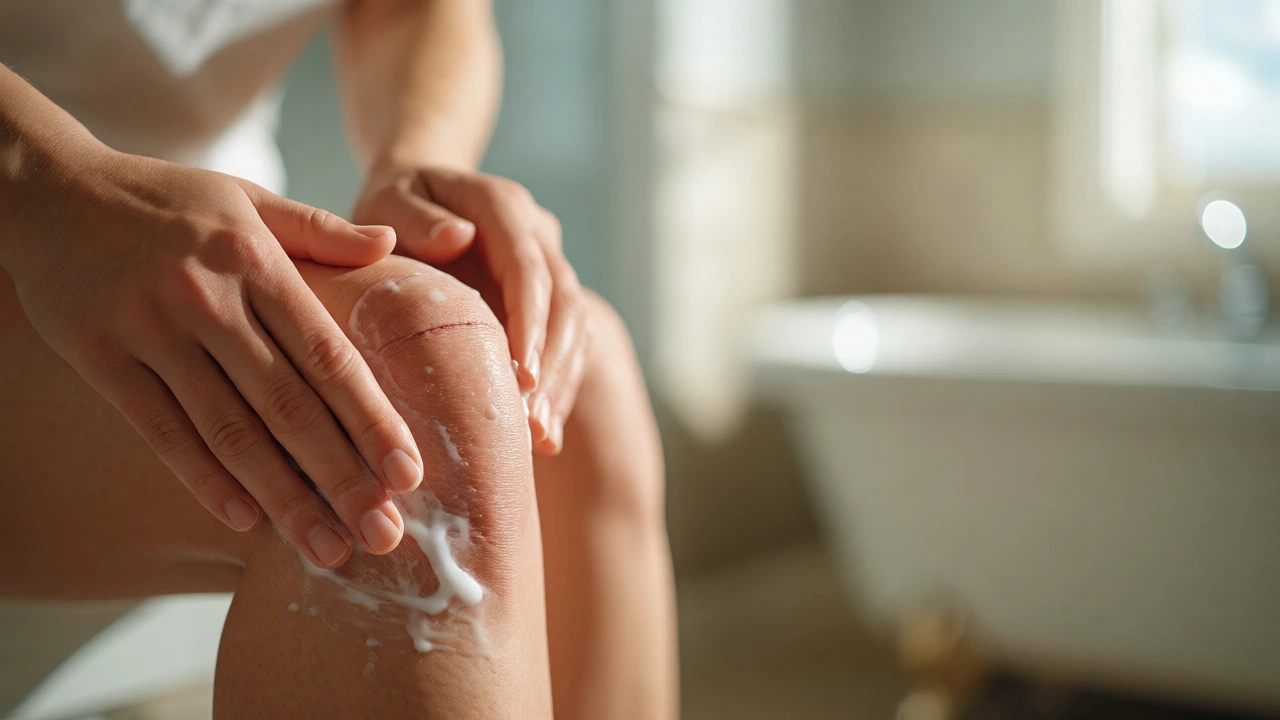
Moisturizing the scar starts mattering once it’s fully closed. Dry, itchy skin is common as nerves regenerate. Apply fragrance-free lotion to the surrounding skin, not directly on the scar tissue initially. Massaging the scar gently (once healed) helps break down adhesions and improves mobility.
Can I use hydrogen peroxide or alcohol to clean my knee incision?
Generally, no. Hydrogen peroxide and alcohol are too harsh for healing tissue and can kill healthy cells needed for repair. Most surgeons recommend using mild soap and water or saline solution. Only use antiseptics if specifically instructed by your doctor.
What if my dressing gets soaked in the shower?
If a non-waterproof dressing gets wet, remove it carefully. Clean the area with saline or mild soap and water, pat it completely dry, and apply a new sterile dressing. Leaving a wet dressing on traps bacteria and increases infection risk.
Is it safe to shower alone after knee replacement?
Not in the beginning. Even if you feel stable, the combination of pain meds, fatigue, and a slippery floor makes solo showering risky. Have someone nearby or in the bathroom to assist if you lose balance. Use a shower chair to minimize fall risk.
When can I take a bath after knee replacement?
Most surgeons advise waiting 4 to 6 weeks before taking a full bath. This ensures the incision is fully sealed and strong enough to withstand submersion. Always confirm with your surgeon before soaking.
Does showering hurt the new knee?
The act of showering itself shouldn’t cause sharp pain, but standing can be uncomfortable due to swelling. Using a shower chair relieves pressure. If you feel sharp pain in the joint, stop and rest. Pain levels should remain manageable with prescribed medication.