
IVF Sperm Collection Readiness Checker
Enter your details below to check if you are optimally prepared for your upcoming sperm collection appointment.
Walking into a fertility clinic can feel like stepping into a sterile maze of unknown procedures. For many men, the biggest question isn’t just about the medical science-it’s about the logistics. How is sperm collected for IVF? It sounds simple enough: produce a sample, hand it over, done. But in the high-stakes world of assisted reproductive technology (ART), the process is far more nuanced. Whether you are undergoing standard In Vitro Fertilization (IVF) or Intracytoplasmic Sperm Injection (ICSI), the quality and handling of that sample determine the success of the entire cycle.
This guide breaks down exactly what happens during sperm collection, from the preparation days leading up to the appointment to the advanced surgical methods used when natural production fails. We’ll cover the different techniques, the role of the embryology lab, and how to prepare mentally and physically for the process.
The Standard Method: Masturbation in a Private Room
For the majority of couples, sperm collection is straightforward. The most common method involves producing a semen sample via masturbation in a private room at the fertility clinic. This is usually scheduled on the same day as the female partner undergoes egg retrieval. Timing is critical because sperm has a limited lifespan outside the body, and fresh samples yield the best results for fertilization.
| Method | Invasiveness | Best For | Success Rate Impact |
|---|---|---|---|
| Masturbation (Standard) | Non-invasive | Normal sperm count/motility | High (Fresh sample) |
| Home Collection | Non-invasive | Anxiety reduction, remote locations | High (If transported correctly) |
| Electroejaculation (EEJ) | Minimally invasive | Spinal cord injuries, retrograde ejaculation | Moderate to High |
| TESAs / TESE | Surgical | Azoospermia (no sperm in ejaculate) | High (with ICSI) |
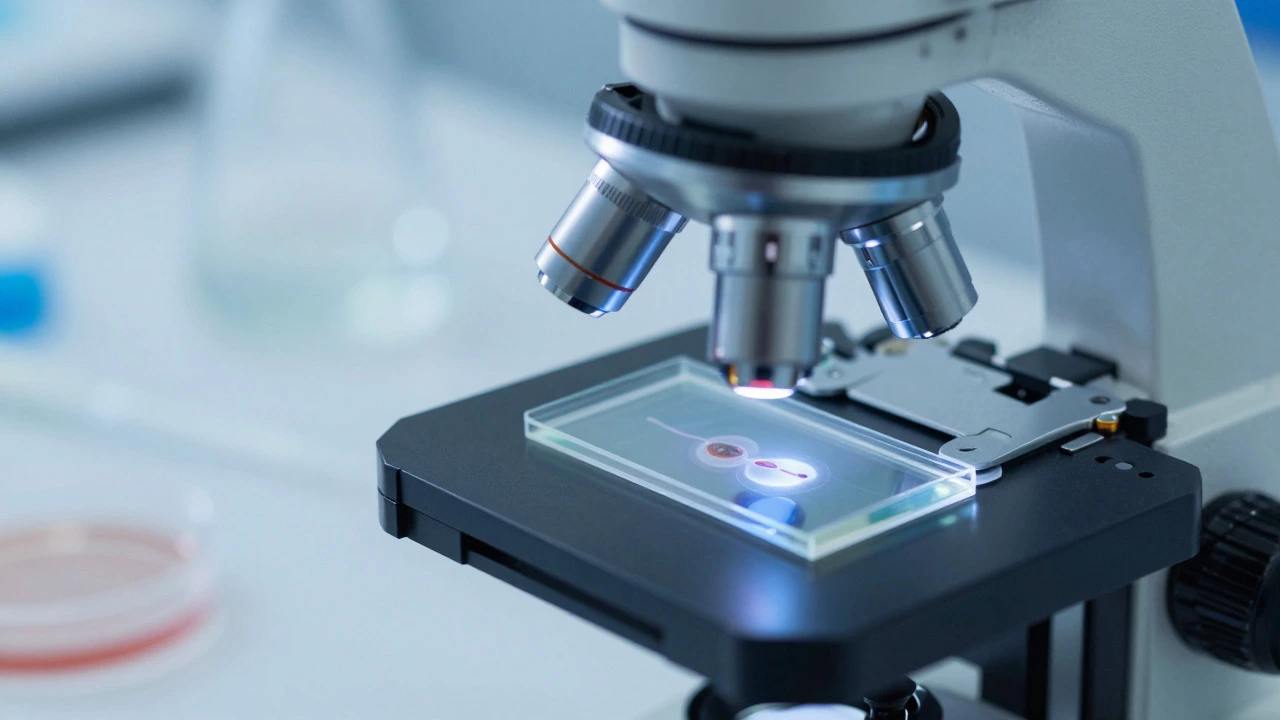
When you arrive at the clinic, you will be given a clean, sterile container. You might feel pressure to perform quickly, but remember that relaxation is key. Stress can actually inhibit ejaculation. Most clinics provide educational materials or videos to help with this process. Once the sample is produced, it is handed directly to an embryologist. The sample is then analyzed immediately under a microscope to check for volume, concentration, motility (movement), and morphology (shape).
Preparing Your Body: The Abstinence Window
You cannot walk in off the street and expect optimal results. Preparation begins several days before the collection date. Doctors typically recommend an abstinence period of two to five days. Why this specific window? If you abstain for too long (more than seven days), the sperm may become older and less motile, with increased DNA fragmentation. If you ejaculate too frequently (daily or every other day), the sperm count may drop below the threshold needed for successful fertilization.
During these few days, avoid hot tubs, saunas, and tight underwear, as heat can temporarily reduce sperm production. Stay hydrated and try to get adequate sleep. While one night of poor sleep won’t ruin your chances, chronic stress and fatigue can impact overall semen quality. Think of this period as a short-term optimization phase for your reproductive health.
Alternative Methods: When Standard Collection Isn't Possible
Not everyone can produce a sample through masturbation. Some men experience severe performance anxiety in clinical settings, while others have physical conditions that prevent normal ejaculation. In these cases, alternative non-surgical methods are available.
Home Collection is becoming increasingly popular. Many clinics now allow patients to collect samples at home using a specialized temperature-controlled transport kit. This reduces anxiety significantly. However, there are strict rules: the sample must remain at body temperature (usually by keeping it close to the skin) and must be delivered to the lab within one hour. Any delay or exposure to extreme temperatures can kill the sperm or reduce their motility.
For men with spinal cord injuries or neurological disorders that prevent ejaculation, Electroejaculation (EEJ) is an option. This procedure involves inserting a probe into the rectum to stimulate the nerves responsible for ejaculation. It is performed under anesthesia or sedation, so the patient feels no pain. Another method, Vibratory Stimulation, uses a medical-grade vibrator on the glans penis to induce ejaculation. These methods are effective for retrieving sperm for IVF or ICSI cycles.
Surgical Sperm Extraction: Dealing with Azoospermia
What if there is no sperm in the ejaculate at all? This condition, known as azoospermia, affects approximately 1% of men seeking fertility treatment. It doesn’t mean fatherhood is impossible; it just means the sperm needs to be retrieved directly from the testes or epididymis.
There are two main types of surgical extraction:
- TESE (Testicular Sperm Extraction): A small piece of tissue is removed from the testicle. This is often used for non-obstructive azoospermia, where sperm production is low but not absent.
- PESA (Percutaneous Epididymal Sperm Aspiration): A needle is inserted into the epididymis (the tube behind the testicle where sperm mature) to aspirate fluid containing sperm. This is common in obstructive azoospermia, where a blockage prevents sperm from exiting naturally.
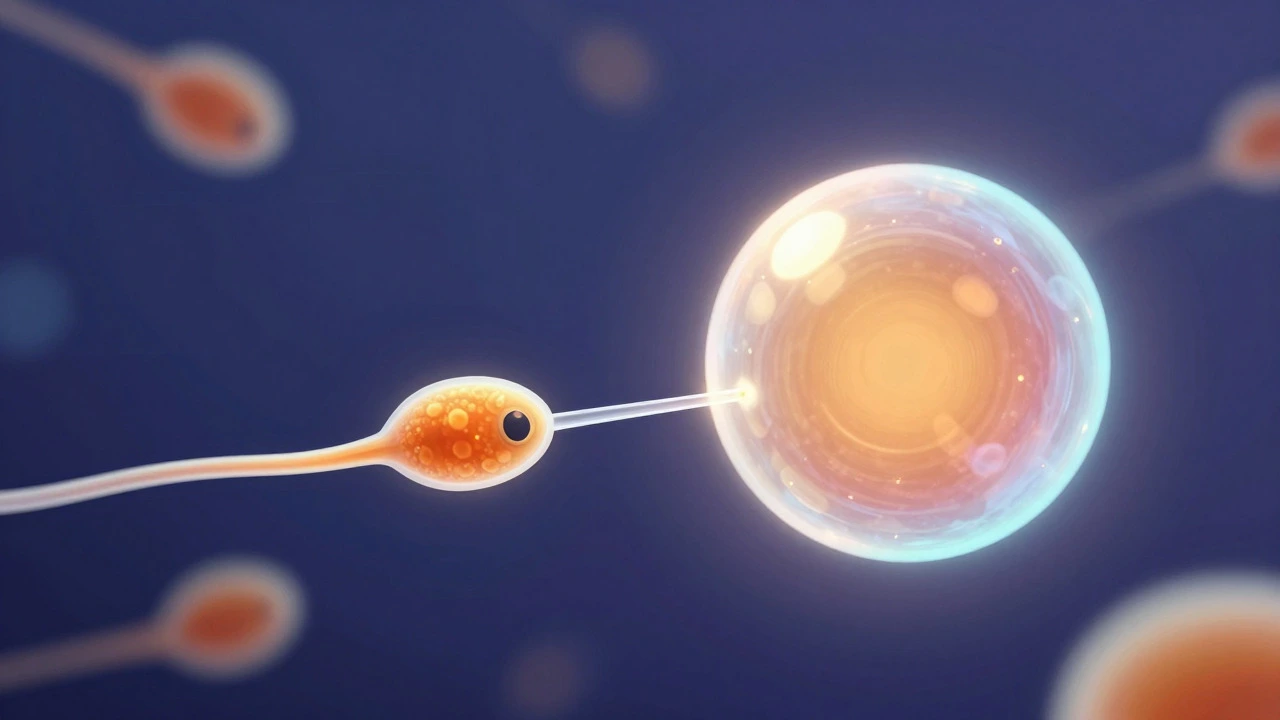
These procedures are minor surgeries, usually performed under local anesthesia. The retrieved sperm are often immature or immotile, which is why they are almost exclusively used with ICSI (Intracytoplasmic Sperm Injection). In ICSI, a single sperm is injected directly into an egg, bypassing the need for natural motility.
The Role of the Embryology Lab: Washing and Grading
Once the sperm is collected-whether by masturbation, surgery, or stimulation-it goes to the embryology lab. The raw semen sample contains not just sperm, but also seminal plasma, enzymes, and white blood cells. This fluid can be toxic to eggs if left untreated.
The embryologists perform a process called "sperm washing." They use centrifugation to separate the sperm from the rest of the fluid. The sperm are then resuspended in a culture medium that mimics the female reproductive tract. During this step, the embryologists grade the sperm. They look for those with strong forward movement and normal shapes. For standard IVF, millions of healthy sperm are placed with the eggs. For ICSI, the embryologist selects the very best individual sperm under a high-powered microscope.
Common Concerns and Myths
It’s normal to have questions and fears about this process. Here are some common concerns addressed by fertility specialists:
- "Will my age affect the sample?" Yes. Male fertility declines after age 40, with increased rates of DNA fragmentation. However, many men in their 50s and 60s still father children via IVF, especially with ICSI.
- "Does caffeine or alcohol matter?" Moderate consumption is generally fine, but heavy drinking and excessive caffeine can lower sperm quality. Cut back a few weeks before the cycle if possible.
- "What if I can’t ejaculate in the room?" Don’t panic. Ask your clinic about home collection kits or bring a tablet with private material. Most staff are professionals who have seen everything and will respect your privacy.
Next Steps After Collection
After the sperm is processed, the focus shifts to fertilization. If standard IVF is used, the sperm and eggs are mixed in a dish and left overnight. If ICSI is used, the injection happens immediately. The couple then waits two to three days for the embryos to divide. At this point, the embryologist will report on how many embryos formed and their quality. From here, the embryos may be transferred to the uterus or frozen for later use (freeze-all cycle).
Can I collect sperm at home for IVF?
Yes, many clinics offer home collection kits. You must keep the sample at body temperature and deliver it to the lab within 60 minutes. Check with your specific clinic first, as policies vary.
How long should I abstain from ejaculation before providing a sample?
The recommended abstinence period is typically 2 to 5 days. Abstaining longer than 7 days can lead to older, less motile sperm with higher DNA damage.
What is ICSI and why is it used with surgically extracted sperm?
ICSI (Intracytoplasmic Sperm Injection) involves injecting a single sperm directly into an egg. It is used with surgical sperm because these sperm are often immotile or immature and cannot penetrate the egg naturally.
Is sperm freezing an option for IVF?
Yes, sperm can be frozen (cryopreserved) prior to the egg retrieval day. This is common for men with very low counts, those undergoing vasectomy reversal, or to ensure a backup sample in case of collection failure on the day.
Does stress affect sperm quality during collection?
Acute stress can make it difficult to ejaculate in a clinical setting. While long-term stress impacts sperm health, the immediate issue is usually performance anxiety. Techniques like home collection can mitigate this.