Carcinoma Knowledge Quiz
You might be surprised to learn that the vast majority of cancers aren't rare, exotic diseases found in medical textbooks. In fact, about 90 percent of all diagnosed cancers fall into a single category: carcinomas. If you or someone you know has received a cancer diagnosis recently, there is a very high statistical chance it was a carcinoma. This isn't just a trivial statistic; understanding what a carcinoma is changes how we view risk, screening, and treatment.
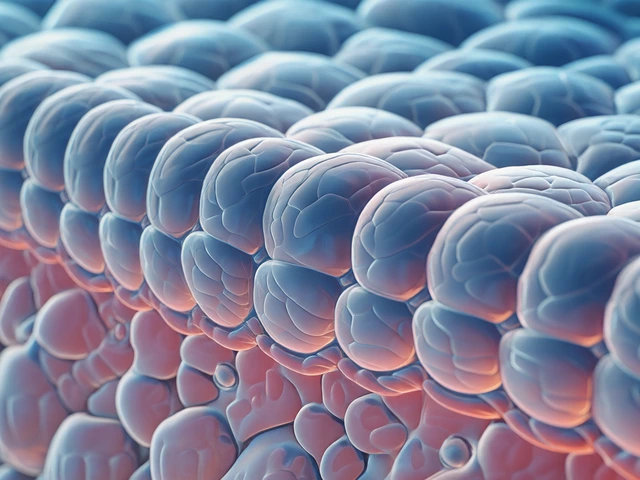
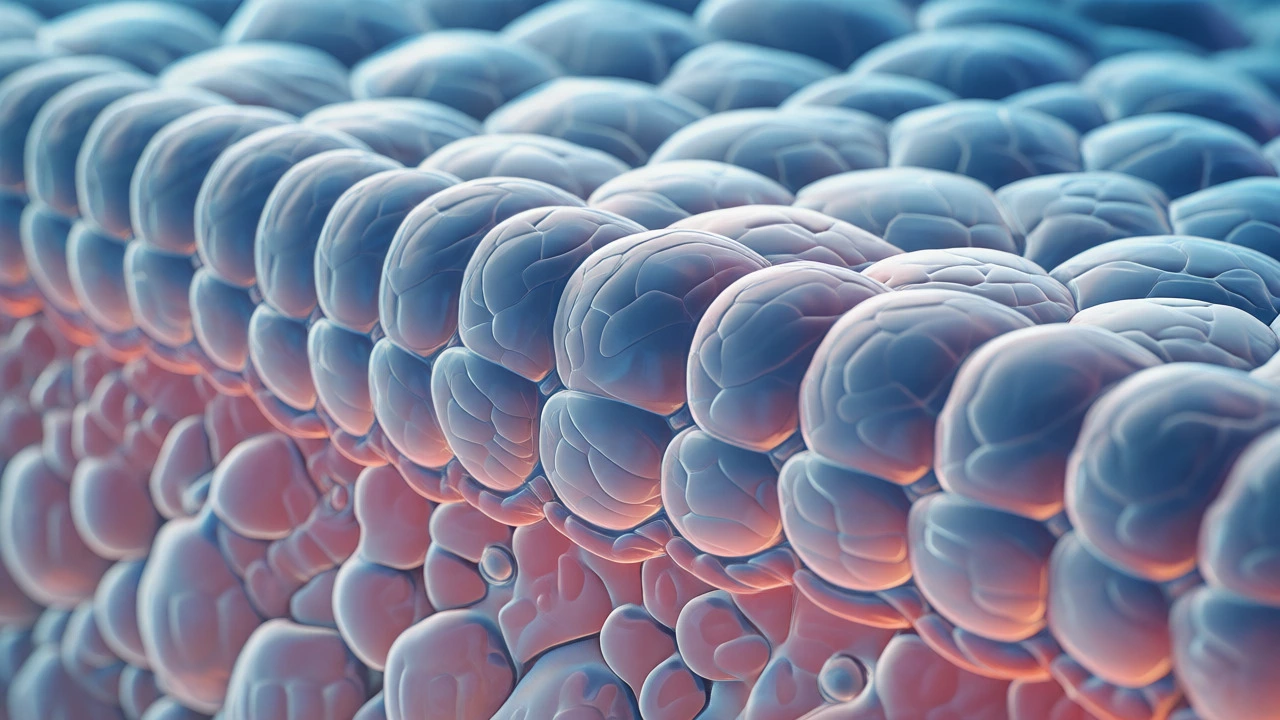
So, what exactly makes up this massive group? It comes down to where the cancer starts. Carcinomas are cancers that begin in the epithelial cells. These are the cells that line the surfaces of your body-both the outside (your skin) and the inside (the lining of your organs). Because these tissues are constantly exposed to the environment, wear and tear, and potential carcinogens, they are statistically more likely to develop mutations that lead to cancer than other tissue types like muscle or bone.
The Origin Story: Why Epithelial Cells?
To understand why carcinomas dominate the landscape of oncology, you have to look at biology. Your body is made of different tissue types. There are connective tissues (bone, fat), muscle tissues, nervous tissues, and epithelial tissues. Epithelial tissues form barriers. They protect your internal organs from the outside world and help with absorption and secretion.
Because epithelial cells divide frequently to replace old or damaged cells, they are more prone to DNA copying errors. Every time a cell divides, there is a tiny risk of mutation. Add in environmental stressors like UV radiation on the skin or tobacco smoke in the lungs, and the odds stack up against these cells. This is why lung cancer, breast cancer, prostate cancer, and colorectal cancer-which account for the bulk of global cancer cases-are all carcinomas.
The Two Main Subtypes You Need to Know
Not all carcinomas are created equal. While they share an origin, their behavior and appearance under a microscope differ significantly. The two most common subtypes are squamous cell carcinomas and adenocarcinomas. Knowing the difference helps doctors choose the right treatment path.
Squamous Cell Carcinoma (SCC) develops in the flat, thin cells that line many parts of your body, including the skin, lips, esophagus, cervix, and bladder. Think of the outer layer of your skin-that’s squamous epithelium. SCCs often grow slowly but can become aggressive if left untreated. Skin cancer, particularly those caused by sun exposure, is frequently SCC or its cousin, basal cell carcinoma.
Adenocarcinoma starts in glandular cells. These cells produce fluids like mucus, digestive juices, or bile. Adenocarcinomas are common in organs like the lungs, colon, breasts, and pancreas. For instance, most lung cancers in non-smokers are adenocarcinomas. Most breast cancers are also invasive ductal carcinomas, which are a type of adenocarcinoma. Because glandular cells are involved in secretion, these cancers can sometimes present differently, such as causing blockages or hormonal imbalances depending on the organ affected.
| Cancer Type | Tissue of Origin | Approximate Prevalence | Common Examples |
|---|---|---|---|
| Carcinoma | Epithelial cells (lining of organs/skin) | ~90% | Lung, Breast, Prostate, Colon, Skin |
| Sarcoma | Connective tissue (bone, muscle, fat) | <1% | Osteosarcoma, Liposarcoma |
| Leukemia | Blood-forming tissues (bone marrow) | ~4-5% | Acute Lymphoblastic Leukemia |
| Lymphoma | Lymphatic system | ~3-4% | Hodgkin Lymphoma, Non-Hodgkin Lymphoma |
| Brain Tumors | Nervous system | ~2% | Glioblastoma, Meningioma |
Why This Statistic Matters for Screening
If 90% of cancers are carcinomas, your screening strategy should reflect that reality. Many people worry about rare cancers, but the big killers are almost always carcinomas. This means standard screenings target the right areas.
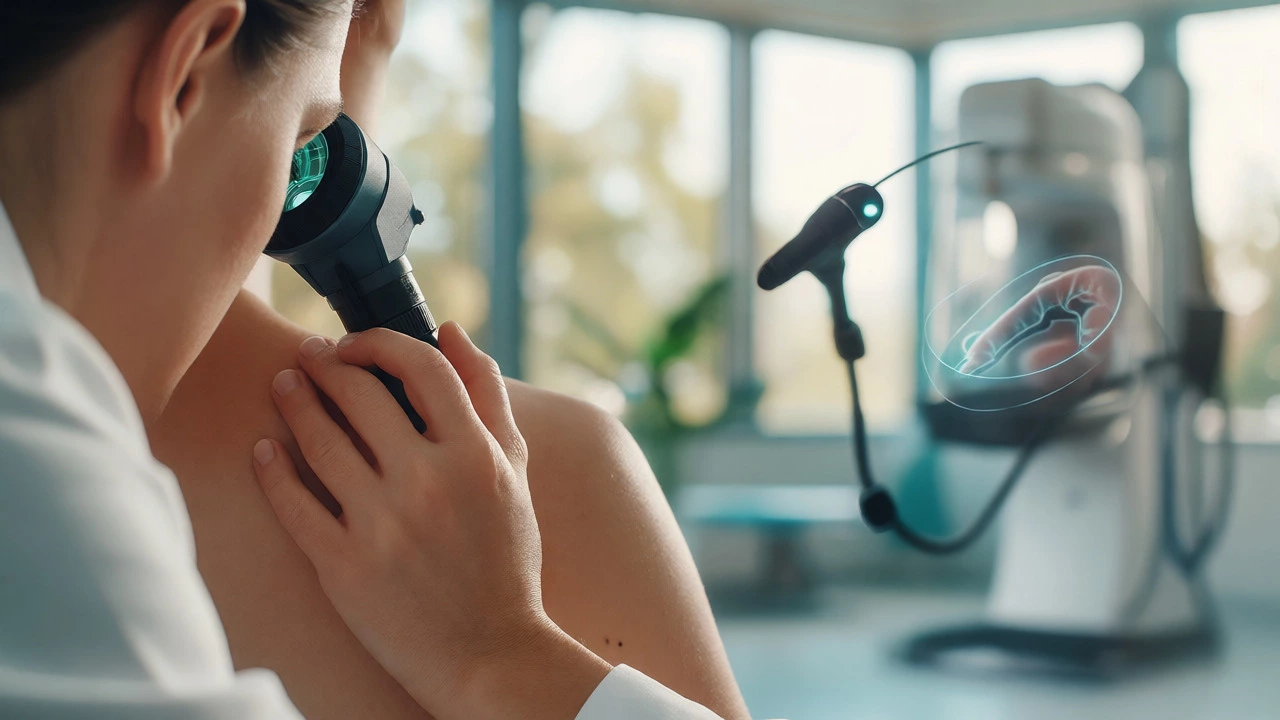
- Dermatology checks: Since skin is an epithelial surface, regular skin exams catch basal cell and squamous cell carcinomas early.
- Colonoscopies: Colorectal cancer is a carcinoma. Screening detects polyps (pre-cancerous growths) before they turn into invasive adenocarcinomas.
- Mammograms: Breast cancer is overwhelmingly a carcinoma. Mammography is designed specifically to detect calcifications and masses typical of breast carcinomas.
- Pap Smears: Cervical cancer is a squamous cell carcinoma. Pap tests look for abnormal squamous cells on the cervix.
The logic is simple: focus on the tissues that get hit hardest. By prioritizing screenings for epithelial-lined organs, you address the vast majority of cancer risks.
Risk Factors Specific to Carcinomas
Since carcinomas arise from tissues exposed to the outside world or harsh internal environments, lifestyle factors play a huge role. You cannot change your genetics easily, but you can control exposure.
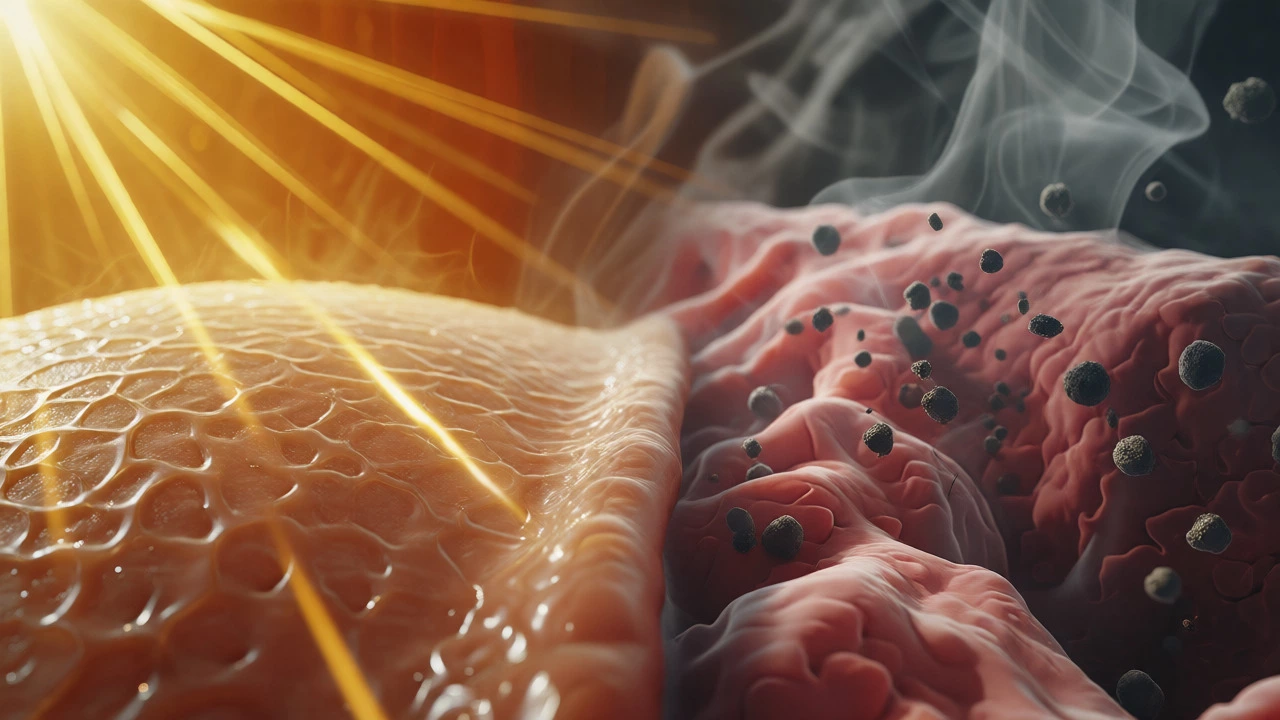
Sun Exposure: Ultraviolet (UV) rays damage DNA in skin cells. Cumulative exposure over decades leads to skin carcinomas. Using SPF 30+ daily is a direct defense against this specific cancer type.
Inhalation Toxins: The lungs are lined with epithelial cells. Smoking introduces carcinogens directly to this lining. Asbestos fibers also irritate the pleura (a membrane lining the lungs), leading to mesothelioma, which is technically a carcinoma variant involving mesothelial cells.
Diet and Gut Health: The colon lining is epithelial. Diets high in processed meats and low in fiber are linked to colorectal adenocarcinomas. The physical irritation and chemical composition of stool affect these cells directly.
Treatment Approaches for Carcinomas
Because carcinomas tend to spread via the lymphatic system (unlike sarcomas, which often spread via blood), treatment protocols are tailored accordingly. Surgery is often the first line of defense because removing the primary tumor and nearby lymph nodes can be curative if caught early.
Radiation therapy is highly effective for many carcinomas because these tumors are often sensitive to ionizing radiation. Chemotherapy works, but newer targeted therapies are changing the game. For example, HER2-positive breast cancers (a type of carcinoma) respond well to drugs that target the HER2 protein specifically, sparing healthy cells.
Immunotherapy has also shown remarkable success in treating certain carcinomas, particularly non-small cell lung cancer and melanoma (though melanoma originates from melanocytes, it behaves similarly in terms of environmental causation). These treatments help the immune system recognize and attack cancer cells that have learned to hide.
Common Misconceptions
A common fear is that "cancer" is one monolithic disease. It’s not. A leukemia patient’s experience is vastly different from a patient with squamous cell carcinoma of the throat. However, within the realm of solid tumors, carcinomas are the norm.
Another misconception is that only older adults get carcinomas. While age is a risk factor due to accumulated DNA damage, younger people can get them too. Testicular cancer, for instance, is a germ cell tumor, but testicular seminomas are related to epithelial origins. More commonly, young adults may face thyroid carcinomas or skin cancers. Early detection remains key regardless of age.
Next Steps: What Should You Do?
If you’re worried about cancer risk, don’t panic about rare conditions. Focus on the basics that prevent the most common carcinomas.
- Know your family history: Some carcinomas run in families (e.g., BRCA mutations for breast/ovarian cancer).
- Follow screening guidelines: Ask your doctor when you should start mammograms, colonoscopies, or skin checks based on your age and risk profile.
- Reduce environmental exposure: Wear sunscreen, quit smoking, and eat a diet rich in fruits and vegetables to support gut health.
- Report persistent symptoms: Unexplained lumps, changes in bowel habits, or non-healing sores should always be checked. These are classic signs of epithelial abnormalities.
Understanding that 90% of cancers are carcinomas empowers you. It directs your attention to the right places-your skin, your lungs, your gut, and your reproductive organs. By focusing preventive efforts on these areas, you tackle the lion's share of cancer risk head-on.
Are all carcinomas considered cancer?
Yes, by definition, a carcinoma is a malignant tumor. Benign tumors of epithelial tissue are called adenomas or papillomas, depending on the subtype. Once the term "carcinoma" is used, it implies malignancy and the potential to invade nearby tissues or spread to distant sites.
Is skin cancer a carcinoma?
Most skin cancers are carcinomas. Basal cell carcinoma and squamous cell carcinoma are the two most common forms of skin cancer. Melanoma is different; it arises from melanocytes, which are pigment-producing cells in the epidermis, and is classified separately from standard carcinomas, though it shares the epithelial origin context.
Why are carcinomas more common than other cancers?
Epithelial tissues cover large surface areas of the body and undergo frequent cell division to repair damage. This high rate of turnover increases the probability of genetic mutations occurring. Additionally, these tissues are directly exposed to environmental carcinogens like UV light, chemicals, and viruses, further increasing risk.
Can carcinomas be cured?
Many carcinomas are curable, especially if detected early. Treatments include surgery, radiation, chemotherapy, hormone therapy, and immunotherapy. The prognosis depends heavily on the stage at diagnosis, the specific subtype of carcinoma, and the location of the primary tumor.
What is the difference between carcinoma and sarcoma?
The main difference is the tissue of origin. Carcinomas start in epithelial cells (skin, organ linings), while sarcomas start in connective tissues (bones, muscles, fat, cartilage). Carcinomas are far more common (approx. 90% of cases) compared to sarcomas (less than 1%). Their patterns of spread also differ, with carcinomas often spreading via lymph nodes and sarcomas via the bloodstream.