Ayurvedic Hair Wash Recipe Generator
Discover the perfect blend of traditional herbs for your unique hair needs.
Your Custom Herbal Mix
Select your hair concerns above to see your personalized Ayurvedic recipe.
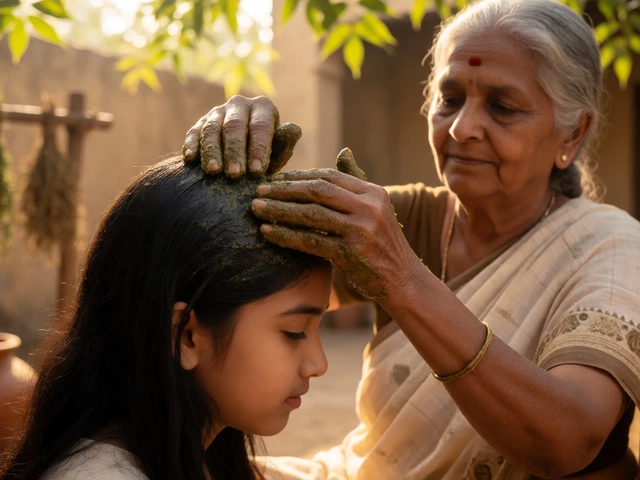
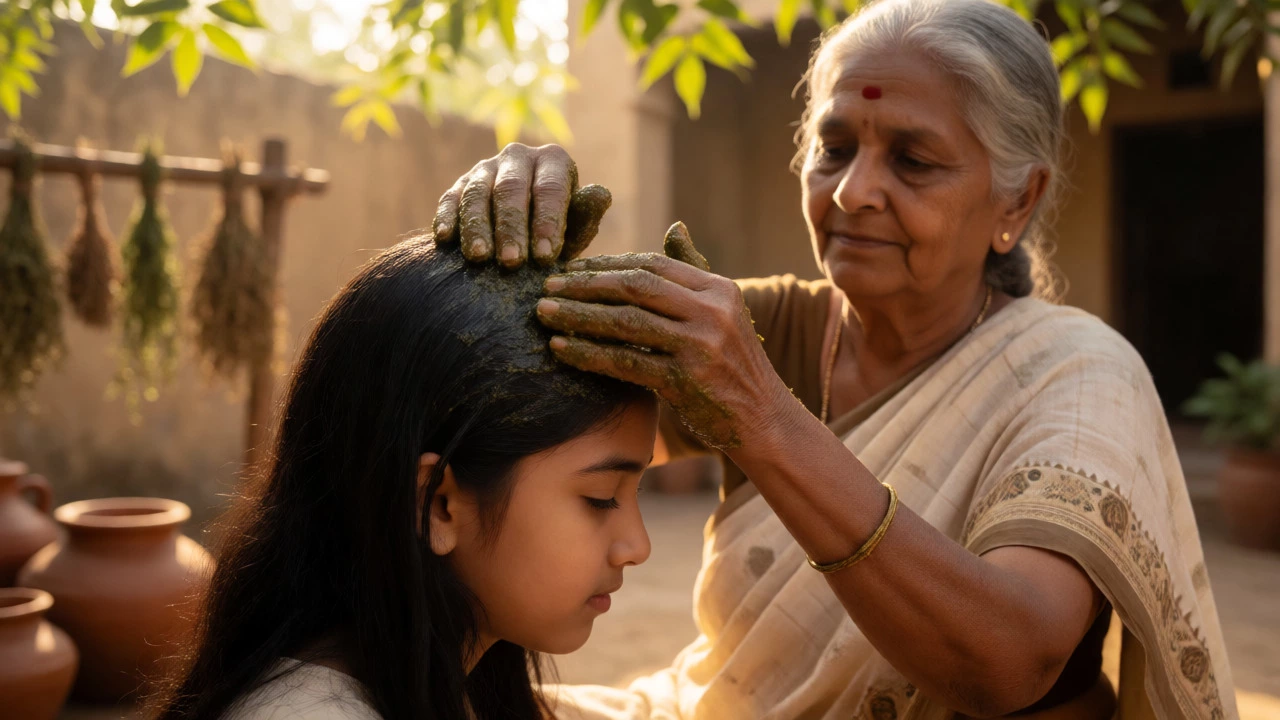
You walk into a modern pharmacy in Bangalore or Mumbai, and the shelves are stacked with shiny bottles of shampoo promising volume, shine, and repair. But ask your grandmother-or even your mother-what she used before these plastic bottles took over, and you’ll hear names that sound like spells: Reetha, soapnut fruit known for its natural saponins. The truth is, for centuries, Indians didn’t just wash their hair; they nourished it using a toolkit provided by nature. This isn’t about nostalgia. It’s about understanding why traditional methods often outperform commercial products for specific hair types.
The Shift from Chemicals to Herbs
Why did this shift happen? Commercial shampoos rely on sulfates like Sodium Lauryl Sulfate (SLS) to create lather. That foam feels clean, but it strips the scalp of natural oils called sebum. For many Indians, especially those with dry or curly hair textures common in South India, this stripping leads to frizz and breakage. In contrast, traditional Ayurvedic cleaning agents don’t foam much, but they clean effectively without disrupting the scalp’s pH balance. The core idea here is gentle cleansing versus aggressive stripping. If you’ve ever felt your scalp itch after using a popular brand shampoo, your skin might be craving the herbal approach.
The Holy Trinity: Reetha, Shikakai, and Amla
If you want to replicate what generations of Indians have done, you need to know the "Big Three." These aren't random herbs; they work as a synergistic system.
| Ingredient | Primary Function | Best For |
|---|---|---|
| Reetha | Natural surfactant (cleansing) | Dandruff and oily scalps |
| Shikakai | Gentle detangling and softening | Thick, coarse, or knotted hair |
| Amla | Conditioning and strengthening | Hair fall prevention and growth |
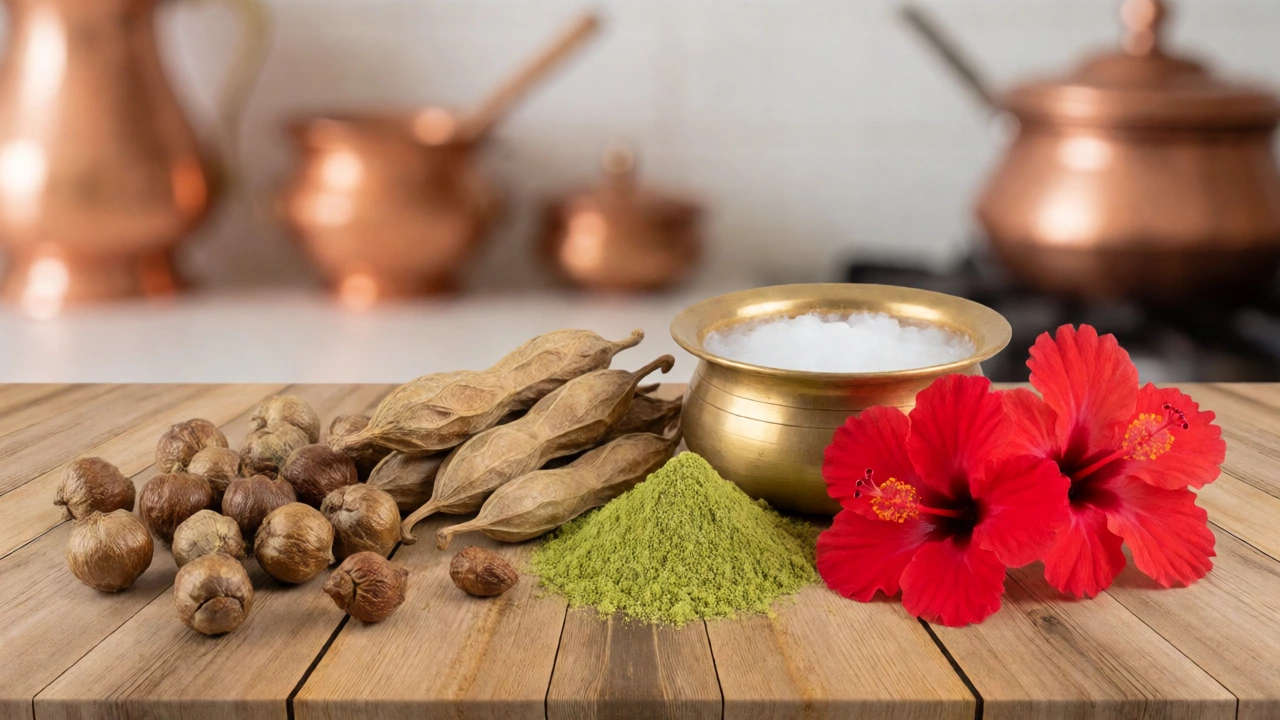
Reetha (Sapindus mukorossi) is the soap of the forest. Its shells contain saponins, which are natural foaming agents. Unlike synthetic detergents, Reetha cleans dirt and sweat while leaving a mild protective layer. It’s particularly effective against dandruff because it has antifungal properties.
Shikakai (Acacia concinna) translates literally to "fruit for hair." While Reetha cleans, Shikakai conditions. It lowers the friction between hair strands, making it easier to comb through thick Indian hair without breaking it. It also maintains the acidic pH of the scalp, which keeps bacteria at bay.
Amla (Indian Gooseberry) is the powerhouse nutrient. Rich in Vitamin C and antioxidants, Amla strengthens hair follicles. It doesn’t clean much on its own, so it’s rarely used alone. Instead, it’s mixed with the other two to prevent the drying effect that some people experience with pure herbal powders.
Beyond the Powder: Other Common Ingredients
Not everyone uses powder mixes. Depending on the region in India, other ingredients play starring roles. In rural areas, you might see women using Hibiscus flowers. Crushed hibiscus petals create a slimy paste that acts as a fantastic natural conditioner. It’s great for adding shine and reducing split ends.
Another staple is Fenugreek seeds (Methi). Soaked overnight and ground into a paste, Methi contains proteins and nicotinic acid. It helps repair damaged hair shafts and reduces hair fall. Many households keep a jar of Methi water ready for quick rinses.
For those dealing with lice or severe itching, Neem leaves are boiled into a decoction. Neem is antibacterial and antifungal. While it smells strong, it’s incredibly effective for scalp health issues that shampoos often ignore.
How to Use Traditional Ingredients Correctly
Switching from shampoo to herbs requires a change in technique. You can’t just dump powder on your head and rinse. Here’s the practical method used by experienced practitioners:
- Preparation: Mix equal parts of Reetha, Shikakai, and Amla powder. Add warm water to form a smooth paste. Let it sit for 30 minutes to activate the saponins.
- Application: Wet your hair thoroughly. Apply the paste starting from the roots, massaging gently with fingertips (not nails).
- Duration: Leave it on for 15-20 minutes. This allows the nutrients to penetrate the scalp.
- Rinsing: Rinse with lukewarm water. Be patient. Herbal pastes don’t rinse away as quickly as liquid shampoo. You may need to use a wide-tooth comb under running water to remove residue.
Pro tip: If you find the paste too messy, buy pre-made herbal liquid shampoos. Ensure the ingredient list starts with Reetha and Shikakai extracts, not just "fragrance" or "water."
Oil Massage: The Pre-Wash Ritual
In India, washing hair is rarely a standalone event. It’s usually preceded by an oil massage, known as Champi. Oiling is critical because it protects the hair shaft during the washing process. When you apply oil, it fills the gaps in the hair cuticle. During washing, the water and cleansers strip the oil rather than the hair’s internal moisture.
Common oils include Coconut oil for general maintenance, Castor oil for thinning edges, and Bhringraj oil for promoting growth. The timing matters. Ideally, oil your hair the night before washing. This gives the oil time to penetrate deeply. If you’re short on time, two hours is the minimum.
Modern Adaptations and Pitfalls
Let’s be real: most urban Indians today use a hybrid approach. They might use a sulfate-free shampoo infused with Ayurvedic herbs. This works well for busy professionals who don’t have time to mix pastes. However, there are pitfalls.
First, quality control. Buying loose powders from unregulated street vendors can mean contamination with heavy metals or fillers like sawdust. Always buy from certified organic brands or reputable Ayurvedic pharmacies.
Second, transition period. If you switch from chemical shampoo to herbs abruptly, your hair might feel waxy or greasy for the first two weeks. This is normal. Your scalp is adjusting its oil production. Stick with it for a month before judging the results.
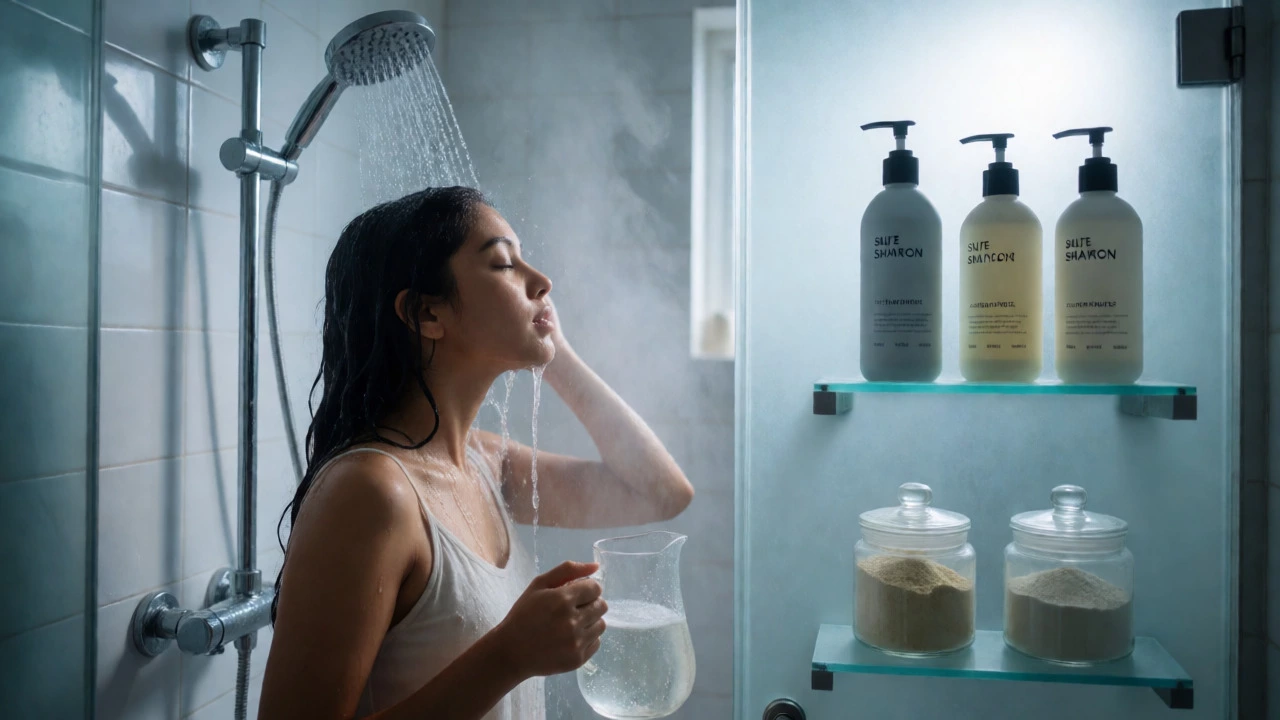
Third, hard water. In cities like Bangalore, hard water interacts poorly with herbal soaps, creating scum. Installing a shower filter can make a massive difference in how your hair feels after washing.
Who Should Avoid Herbal Washing?
While beneficial for many, herbal washing isn’t universal. People with very fine, straight hair might find the residue weighs them down. Similarly, if you have active eczema or psoriasis, consult a dermatologist before applying complex herbal mixes, as individual plant allergies can trigger flare-ups.
Also, consider your lifestyle. If you sweat heavily due to gym routines or outdoor work, herbal powders might not cleanse deep enough without multiple applications. In such cases, alternating between a mild chemical shampoo and herbal treatments can offer the best of both worlds.
Can I replace shampoo entirely with Reetha and Shikakai?
Yes, many Indians do. However, it requires consistency. Initial weeks may involve a learning curve regarding rinsing techniques. Most users report better long-term scalp health after three months of exclusive herbal use.
Does Amla darken hair naturally?
Amla does not dye hair black instantly like henna. However, regular use can enhance natural darkness and prevent premature graying by improving melanin production in hair follicles over time.
Is it safe to use these herbs daily?
It depends on your hair type. For oily scalps, every other day is fine. For dry or curly hair, washing twice a week is sufficient. Over-washing, even with herbs, can strip natural oils.
Where can I buy authentic Ayurvedic hair powders?
Look for brands with GMP certification or organic certifications. Local Ayurvedic dispensaries in cities like Delhi, Mumbai, and Bangalore often sell high-quality loose powders. Online retailers with verified reviews are also reliable sources.
Do these herbs help with hair fall?
Yes, primarily through scalp health improvement. By reducing dandruff, inflammation, and breakage during combing, herbs like Bhringraj and Amla reduce visible hair loss. They address environmental causes of hair fall rather than genetic ones.