Dental Implant Timeline Estimator
Your Treatment Profile
Estimated Schedule
Consultation & Planning
X-rays, CT scans, and surgical guide creation.
Surgical Placement
Titanium post insertion into the jawbone.
Osseointegration (Healing)
Biological fusion of bone and implant. Soft diet required.
Abutment Placement
Connector piece attached; gums heal around it.
Final Restoration
Crown fabrication in lab and final fitting.
Total Estimated Time:
This is an estimate. Individual healing rates vary.
Walking into a dentist’s office with the goal of getting a dental implant, you likely have one burning question on your mind: how much time will this actually take? It is not just about the hour you spend in the chair. The reality is that while the surgical placement might only take an hour or two, the entire journey from consultation to biting down on your new permanent crown can span three to nine months. Understanding this timeline helps you plan your life around the treatment rather than being surprised by unexpected delays.
If you are looking for quick answers elsewhere, perhaps browsing through resources like this directory for other services, you might find that medical procedures require more patience and specific scheduling. Unlike instant fixes, dental implants are a biological process that relies heavily on your body’s ability to heal and integrate foreign materials. Let’s break down exactly what happens during each phase so you know what to expect.
The Initial Consultation and Planning Phase
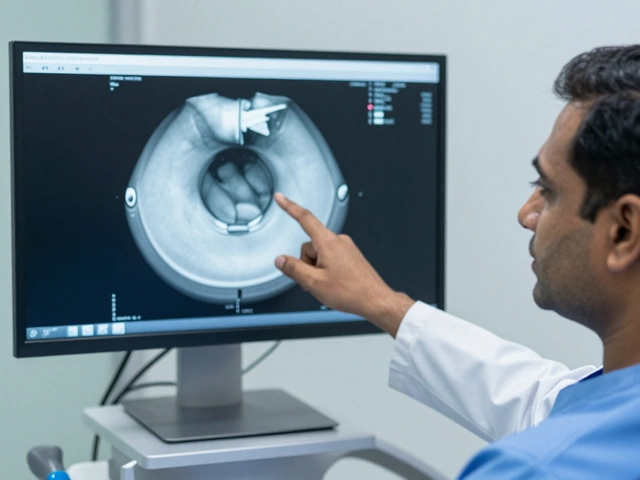
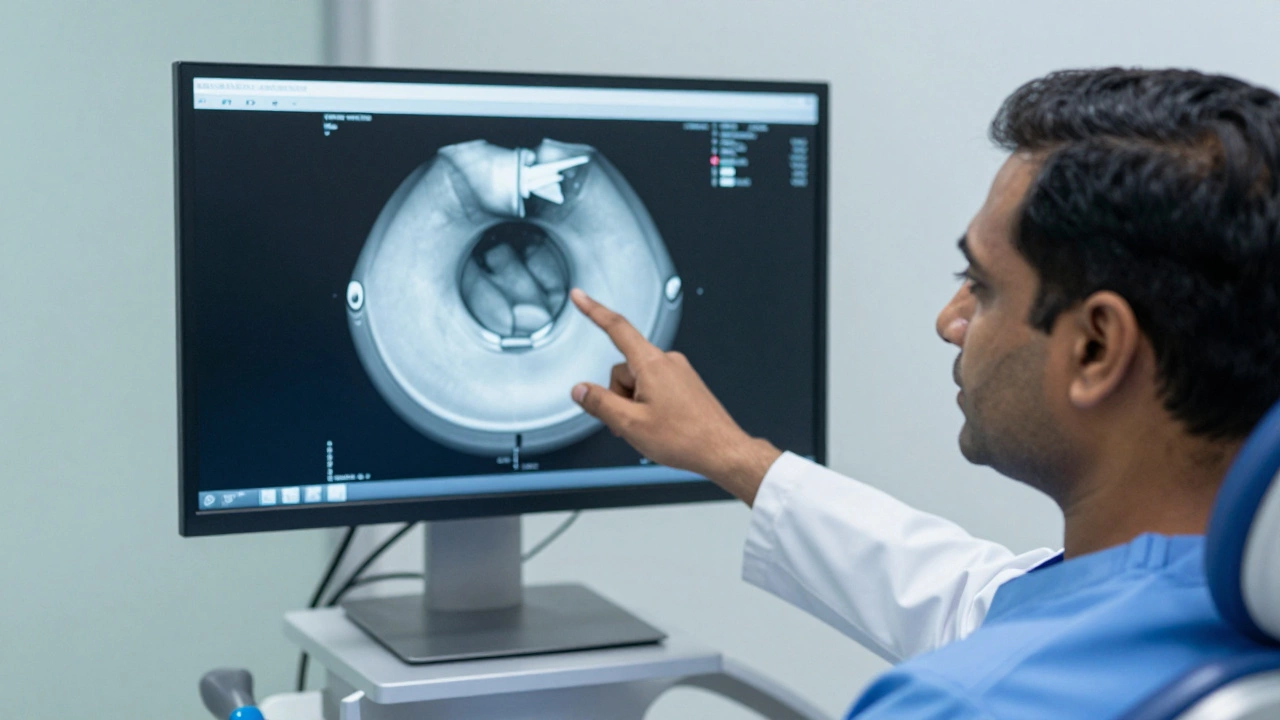
Before any drilling begins, your dentist needs a roadmap. This initial stage usually takes one to two weeks. You will start with a comprehensive examination, which includes X-rays and often a 3D cone-beam CT scan. These images allow the surgeon to see the density of your jawbone, the location of your nerves, and the position of your sinus cavities. If your bone structure isn’t ideal, you might need additional planning for bone grafting, which adds complexity to the schedule.
During this visit, impressions or digital scans of your teeth are taken. This data is used to create a surgical guide-a small template that fits over your gums during surgery. This guide ensures the implant is placed at the exact angle and depth required for both function and aesthetics. Skipping thorough planning is a common mistake that leads to complications later, so do not rush this step.
The Surgical Placement Appointment
This is the day most people worry about. The actual surgery to place the titanium post into your jawbone is surprisingly quick. For a single dental implant, the procedure typically lasts between 60 to 90 minutes. If you are having multiple implants placed, it could take longer, but dentists often limit the number of implants per session to keep stress levels manageable for the patient.
You will be under local anesthesia, and many patients opt for sedation to stay relaxed. The dentist makes a small incision in the gum tissue, drills a precise hole in the bone, and inserts the titanium fixture. Once the implant is seated, the gum is stitched back up. In some cases, a healing abutment is attached immediately, leaving a small piece visible above the gum line. In others, the gum is closed completely over the implant to protect it during the initial healing phase. The choice depends on the stability of the implant and the dentist’s protocol.
Osseointegration: The Waiting Game
Here is where the real time commitment comes in. After the surgery, you enter a period called osseointegration. This is the biological process where your jawbone fuses with the titanium surface of the implant. Titanium is unique because it is biocompatible; your body treats it as part of itself rather than rejecting it. However, bone growth is slow.
This healing phase generally takes three to six months. The lower jaw usually heals faster, often within three to four months, due to better blood supply and denser bone structure. The upper jaw may take four to six months because the bone is softer and less dense. During this time, you will eat soft foods and maintain strict oral hygiene. You cannot put pressure on the implant yet. Rushing this stage by attaching a crown too early is the leading cause of implant failure. Patience here pays off with a lifetime of durability.
Bone Grafting and Sinus Lifts (If Needed)
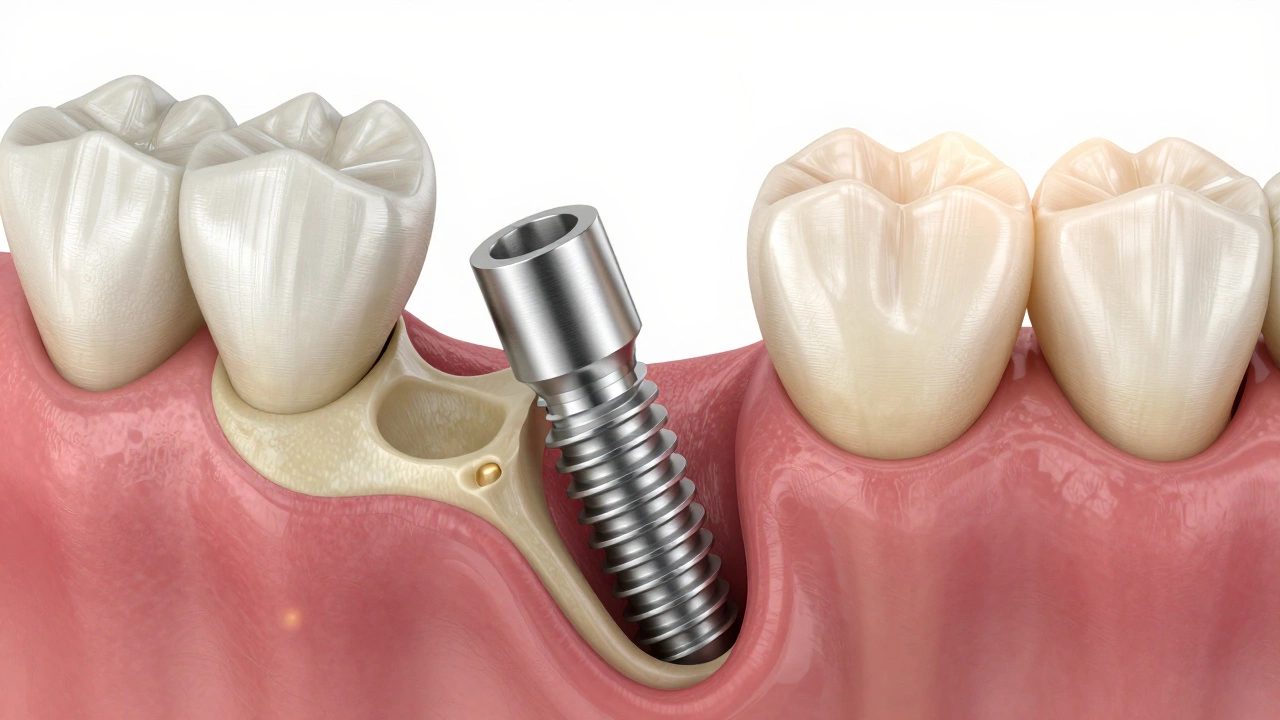
If you have lost a tooth for a long time, your jawbone may have shrunk. Bone resorption occurs naturally when there is no root to stimulate it. In these cases, you might need a bone graft before the implant can be placed. This adds significant time to the overall timeline. A minor graft might be done at the same time as the implant placement, saving time. However, if you need a major graft or a sinus lift (common for upper back teeth), you may need to wait four to twelve months for the graft material to fully integrate before the implant surgery can even begin.
Sinus lifts involve lifting the sinus membrane and placing bone graft material underneath it to create enough height for an implant. This is a delicate procedure that requires careful healing. Your dentist will monitor the graft site closely before proceeding with the next steps.
Abutment Placement and Final Restoration
Once osseointegration is confirmed via X-ray, the final stages begin. If your gums were closed over the implant, a minor second surgery is performed to expose the top of the implant. This is a quick procedure, taking about 15 to 30 minutes. An abutment-the connector piece that holds the crown-is then screwed onto the implant. Your gums need another two to three weeks to heal around the abutment shape.
After the gums heal, impressions are taken again to create your custom crown. This crown is fabricated in a dental lab, which can take two to three weeks. Finally, the permanent crown is cemented or screwed onto the abutment. At this point, your smile is complete. The entire restoration process after healing is usually swift and painless.
| Stage | Duration | Key Activities |
|---|---|---|
| Consultation & Imaging | 1-2 Weeks | X-rays, CT scans, surgical guide creation |
| Surgical Placement | 60-90 Minutes | Anesthesia, incision, implant insertion, suturing |
| Osseointegration | 3-6 Months | Bone fusion, soft diet, regular check-ups |
| Abutment Placement | 15-30 Minutes | Gum exposure, connector attachment |
| Crown Fabrication | 2-3 Weeks | Impressions, lab work, final fitting |

Factors That Can Extend the Timeline
Not every case follows the standard script. Several factors can push your completion date further out. Smoking is a major culprit; nicotine constricts blood vessels, reducing oxygen flow to the surgical site and significantly slowing bone healing. Smokers often experience higher failure rates and longer recovery times. Quitting smoking, even temporarily, can improve outcomes.
Systemic health conditions like uncontrolled diabetes also impact healing. High blood sugar levels impair the immune system’s ability to fight infection and repair tissue. Managing your health metrics before starting treatment is crucial. Additionally, if you suffer from bruxism (teeth grinding), your dentist might recommend a night guard to protect the implant from excessive force, adding another step to the process.
Immediate Load Implants: Is Faster Possible?
You might have heard of “immediate load” or “same-day” implants. In select cases, a temporary crown can be attached to the implant on the same day as surgery. This sounds appealing, but it is not suitable for everyone. Immediate loading requires high primary stability of the implant-meaning it must be rock-solid in the bone from the moment it is placed. It also requires good bone quality and quantity.
Even with immediate loading, the final permanent crown is still placed after the healing period. The temporary crown is strictly for aesthetics and should not be used for chewing hard foods. Misusing an immediate-load implant can lead to micromovement, which disrupts osseointegration and causes failure. Discuss your eligibility carefully with your surgeon.
Does the dental implant surgery hurt?
Most patients report that the surgery is less painful than they expected. Because you are under local anesthesia, you feel no pain during the procedure. Post-surgery discomfort is usually manageable with over-the-counter pain relievers like ibuprofen. Swelling and bruising are common for the first few days but subside quickly with ice packs and rest.
Can I eat normally during the healing period?
No, you should stick to a soft diet for the first few weeks after surgery. Avoid hard, crunchy, or sticky foods that could disturb the surgical site. As you progress through the osseointegration phase, you can gradually reintroduce normal foods, but always avoid chewing directly on the implant site until your dentist gives the all-clear.
What if my implant fails?
Implant failure is rare, occurring in less than 5% of cases. If an implant does fail to integrate, it is usually removed, and the site is allowed to heal. Once healed, a new implant can often be placed, sometimes with additional bone grafting. Early detection of issues like infection or mobility is key to preventing total loss.
How long do dental implants last?
With proper care, dental implants can last a lifetime. The titanium post integrates with the bone and does not decay. However, the crown on top may wear out over time and need replacement every 10 to 15 years. Good oral hygiene, regular cleanings, and avoiding habits like smoking are essential for longevity.
Do I need a referral to see an implant specialist?
In many regions, you can see a general dentist who performs implants. However, complex cases involving bone grafts or full-mouth reconstructions may benefit from seeing an oral surgeon or periodontist. Check with your insurance provider to see if a referral is required for coverage.