Heart Surgery Difficulty Estimator
Select the surgical procedure and relevant patient factors to see an estimated difficulty profile.
Select options and click Assess
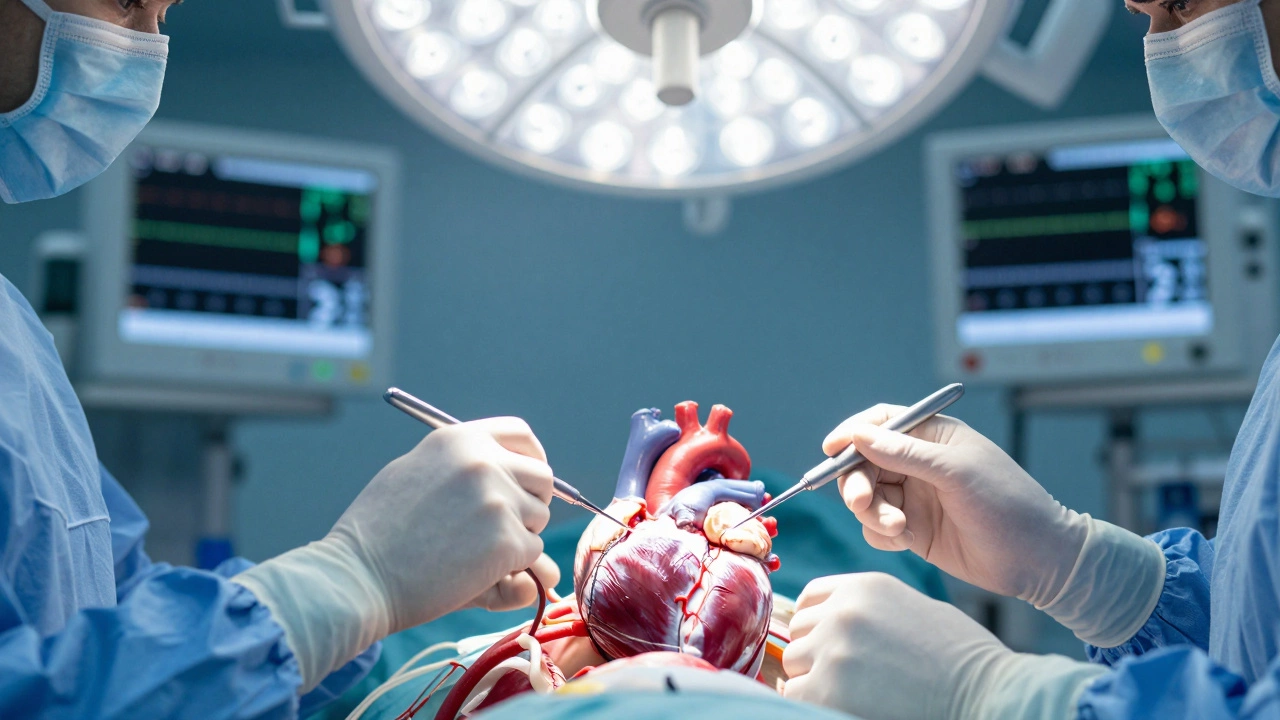
Imagine your chest being opened, your blood being rerouted through a machine, and your heart stopped while surgeons work on its most delicate structures. That is the reality of major cardiac operations. But not all heart surgeries are created equal. Some are routine fixes for blocked arteries, while others push the limits of human endurance and surgical precision.
If you are asking what the hardest type of heart surgery is, the answer isn't just one procedure. It depends on whether we measure difficulty by technical complexity, survival rates, or the physical toll on the patient. Generally, heart transplants and repairs for complex congenital defects in infants sit at the top of the difficulty ladder. However, emergency surgeries like those for aortic dissections carry their own terrifying level of risk.
Why is heart surgery considered so difficult?
Heart surgery is difficult because it involves operating on the body's most vital organ, which cannot be turned off without life support. Surgeons must work within a tiny space, often with limited visibility, while managing blood flow, temperature, and immune responses. The margin for error is nearly zero, requiring years of specialized training and steady hands under extreme pressure.
The Gold Standard of Difficulty: Heart Transplant
When experts discuss the most complex cardiac procedures, the Heart Transplant is a surgical procedure where a failing heart is replaced with a healthy donor heart. This operation is widely regarded as the pinnacle of cardiac surgery difficulty. It is not just about removing an organ and stitching in another; it is a logistical and physiological marathon.
The primary challenge lies in the timeline. You have a very short window-often less than four hours from when the donor heart is removed to when it is implanted-to ensure viability. During this time, the recipient’s heart is removed, and the new heart is connected to the superior and inferior vena cava, the aorta, and the pulmonary artery. Each connection must be perfect. A single leak can lead to fatal bleeding or clotting.
Beyond the technical skill, the body’s reaction adds another layer of complexity. Unlike other organs, the heart is highly immunogenic, meaning the body fights hard against foreign tissue. Patients must take immunosuppressant drugs for the rest of their lives to prevent rejection. These medications weaken the immune system, making patients vulnerable to infections that can be deadly. The psychological burden on both the patient and the family is also immense, dealing with the uncertainty of finding a match and the lifelong commitment to care.
The Ticking Clock: Aortic Dissection Repair
If a heart transplant is a marathon, repairing an Aortic Dissection is a tear in the inner layer of the body's main artery (the aorta), causing blood to flow between the layers of the artery wall. is a sprint against death. This condition is often called "the silent killer" because symptoms can appear suddenly and catastrophically. When the aorta tears, blood rushes into the vessel wall, creating a false channel that can rupture at any moment.
Surgery for a Type A aortic dissection (involving the ascending aorta) is extremely high-risk. The surgeon must replace the damaged section of the aorta, often while the patient is on cardiopulmonary bypass. In many cases, the aortic valve is also damaged and needs repair or replacement simultaneously. This combined procedure, known as a Bentall procedure, requires intricate sewing of synthetic grafts to fragile, diseased tissue.
The difficulty here is speed and stability. The patient’s blood pressure must be carefully controlled to prevent further tearing during the operation. If the dissection extends to the brain or kidneys, the surgical team may need to manage multiple organ failures simultaneously. Mortality rates increase by 1% per hour after symptom onset if untreated, making pre-operative assessment and rapid decision-making critical components of this surgical challenge.
Delicate Precision: Congenital Heart Defects in Infants
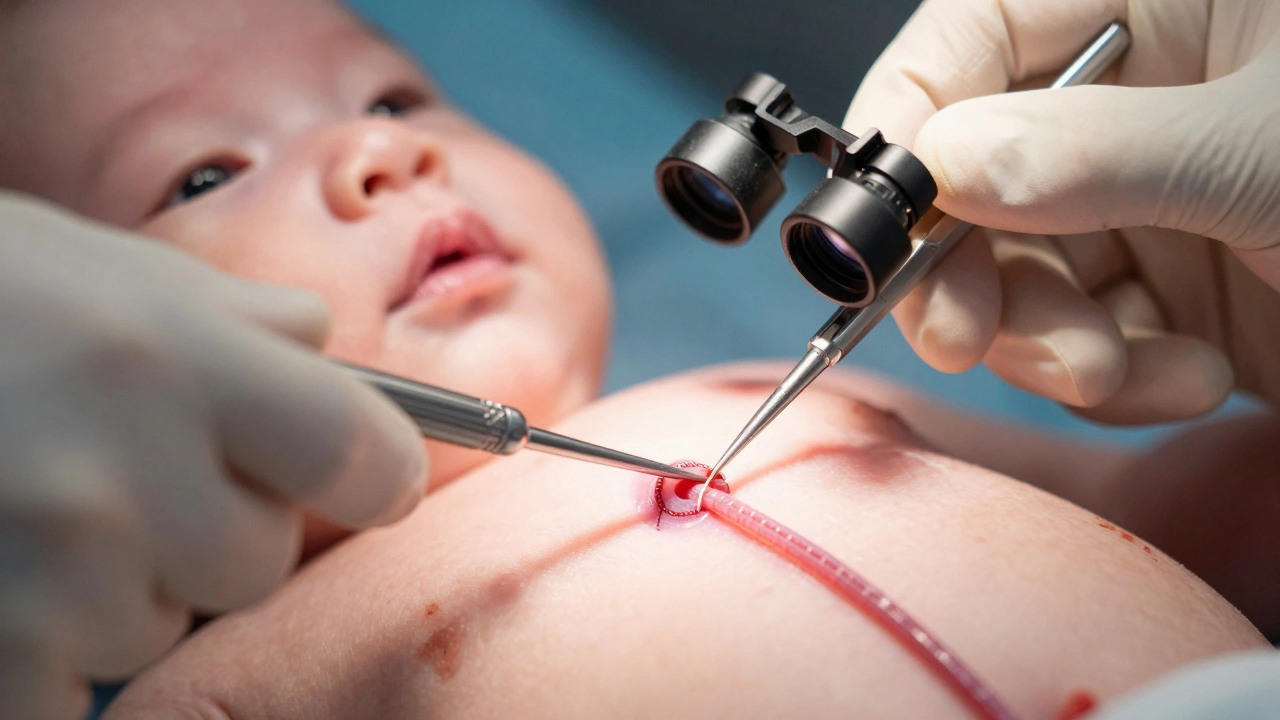
There is something uniquely daunting about performing surgery on a child whose entire cardiovascular system is still developing. Congenital Heart Surgery is surgical correction of heart defects present at birth, such as holes in the heart or malformed valves. Procedures like the Norwood procedure for Hypoplastic Left Heart Syndrome (HLHS) are technically among the most demanding in all of medicine.
In these cases, the baby’s heart is too small to pump blood effectively to the entire body. Surgeons must reconstruct the circulatory system using tiny vessels that are thinner than a pencil lead. They create a new pathway for oxygenated blood to reach the brain and body, essentially building a hybrid circulation system. The sutures used are microscopic, requiring magnification loupes and steady hands that do not tremble even slightly.
The physiological fragility of infants adds to the difficulty. Babies have less reserve than adults; they cannot tolerate long periods of low oxygen or blood loss. Their bodies react differently to anesthesia and cooling techniques used during surgery. Furthermore, these are rarely one-time fixes. Most children with complex congenital defects will undergo three or more staged surgeries throughout childhood, each with its own set of risks and recovery challenges.
High-Stakes Repairs: Quadruple Bypass and Valve Replacements
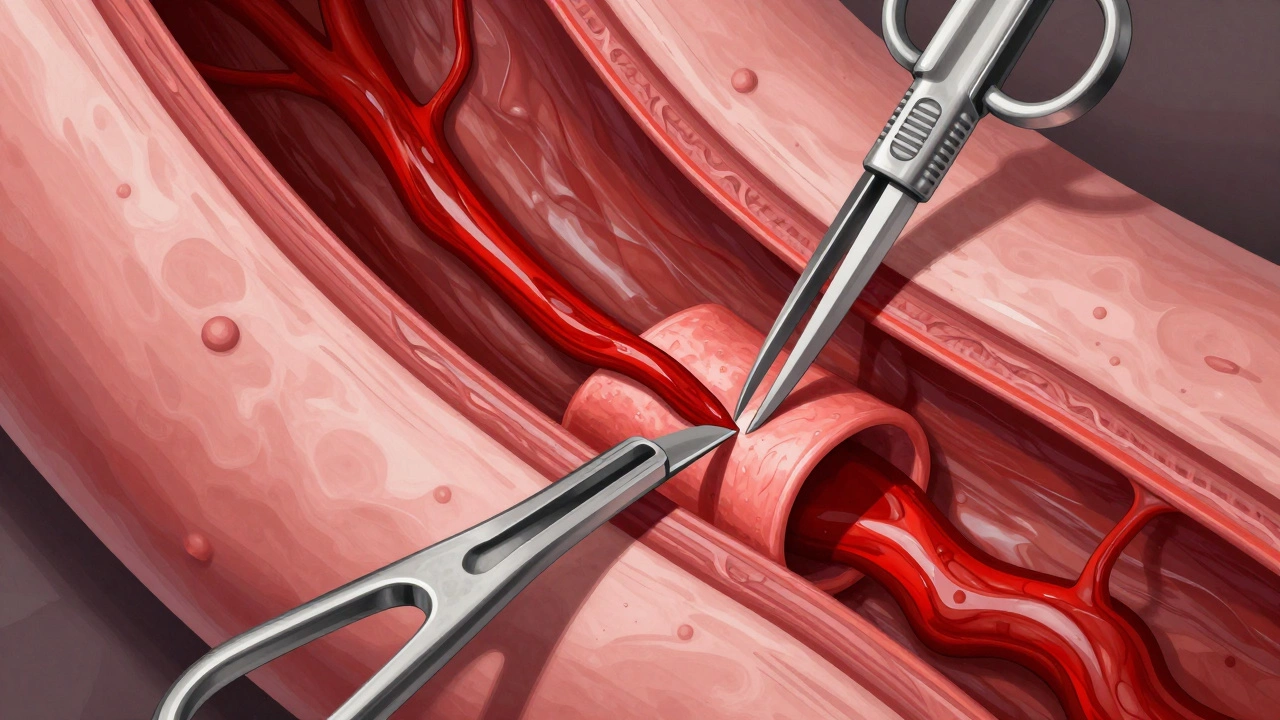
While transplants and congenital repairs make headlines for their complexity, Coronary Artery Bypass Grafting (CABG) is a surgery that uses vessels from other parts of the body to bypass narrowed or blocked coronary arteries. remains the most common open-heart surgery. A quadruple bypass, involving four blocked arteries, is significantly more complex than a single bypass. The surgeon must harvest veins from the legs or arteries from the chest and arm, then attach them to the heart above the blockages.
The difficulty increases when CABG is combined with valve surgery. For instance, replacing the aortic valve while performing a bypass requires stopping the heart completely and working inside the aorta. The aortic valve sits at a critical junction, and any damage to surrounding structures can cause stroke or heart failure. Surgeons must choose between mechanical valves, which last longer but require blood thinners, and biological valves, which degrade over time but avoid long-term medication.
Patient health plays a huge role here. Many patients needing quadruple bypasses are older and have other conditions like diabetes, kidney disease, or lung problems. These comorbidities make anesthesia riskier and recovery slower. The surgical team must balance the immediate need to restore blood flow with the long-term goal of ensuring the patient survives the operation and recovers fully.
Factors That Make Any Heart Surgery Harder
No two heart surgeries are identical. Several factors can turn a standard procedure into a high-difficulty case:
- Emergency Status: Elective surgeries allow for thorough preparation. Emergency surgeries, like those for trauma or sudden heart attacks, leave no time for optimization, increasing the risk of complications.
- Previous Surgeries: Repeat heart surgeries are much harder due to scar tissue (adhesions). The heart sticks to the chest wall, making it dangerous to re-open the chest without damaging the heart or great vessels.
- Patient Anatomy: Variations in blood vessel size, position, or structure can complicate access and graft placement. Obesity can also make visualization difficult.
- Age and Comorbidities: Very young or very old patients, and those with kidney, liver, or lung disease, have less physiological reserve to handle the stress of surgery.
How Technology is Changing the Difficulty Curve
Advancements in technology are gradually reducing the inherent difficulty of some heart surgeries. Minimally invasive techniques, such as robotic-assisted surgery, allow surgeons to operate through small incisions rather than splitting the breastbone. This reduces trauma, pain, and recovery time. Robotic systems provide enhanced 3D vision and wristed instruments that move with greater precision than the human hand.
Transcatheter interventions, like TAVR (Transcatheter Aortic Valve Replacement), have revolutionized valve replacement. Instead of open-heart surgery, the new valve is delivered via a catheter inserted in the groin. This approach is far less invasive and suitable for patients who were previously deemed too high-risk for traditional surgery. While not eliminating the need for open surgery in complex cases, these technologies expand the pool of treatable patients and reduce overall surgical burden.
Recovery and Long-Term Outlook
The difficulty of heart surgery doesn’t end when the chest is closed. Recovery is a significant part of the journey. For open-heart surgeries, patients typically spend several days in the intensive care unit (ICU) before moving to a regular ward. Full recovery can take three to six months, involving cardiac rehabilitation to rebuild strength and stamina.
Patients must adhere strictly to medication regimens, dietary changes, and lifestyle modifications. Smoking cessation, weight management, and stress reduction are critical to preventing future cardiac events. Regular follow-ups with cardiologists and surgeons ensure that any complications, such as arrhythmias or infection, are caught early.
Psychological support is also essential. Many patients experience anxiety or depression after major heart surgery. Counseling and support groups can help them cope with the emotional impact and adjust to their new normal. Family involvement is crucial in providing care and encouragement during the recovery phase.
Choosing the Right Surgical Team
Given the high stakes, selecting the right hospital and surgeon is vital. Look for centers with high volumes of specific procedures, as studies show better outcomes in hospitals that perform many similar surgeries annually. Check credentials, success rates, and patient reviews. Ask about the multidisciplinary team involved, including anesthesiologists, perfusionists, and nurses specialized in cardiac care.
Don’t hesitate to ask questions during consultations. Understand the risks, benefits, and alternatives for your specific condition. A good surgeon will explain things clearly and involve you in decision-making. Trust your instincts and seek second opinions if needed. Your health is worth the extra effort to find the best possible care.
What is the mortality rate for the hardest heart surgeries?
Mortality rates vary widely depending on the procedure and patient health. For heart transplants, one-year survival rates are around 85-90%, but long-term survival decreases due to rejection and infection. Aortic dissection repair has a higher perioperative mortality rate, ranging from 10-20% in emergency cases. Congenital heart surgeries in infants have improved significantly, with survival rates exceeding 90% for many complex defects, though multi-stage procedures carry cumulative risks.
Can minimally invasive surgery replace open-heart surgery?
Not entirely. While minimally invasive techniques are advancing rapidly, they are not suitable for all conditions. Complex multi-valve diseases, extensive coronary artery disease, or congenital defects often still require open-heart surgery for adequate exposure and repair. However, for isolated valve replacements or certain bypasses, minimally invasive options are becoming the standard of care due to faster recovery and fewer complications.
How long does recovery take after a heart transplant?
Initial hospital stay is usually 1-2 weeks. Full recovery takes several months. Patients must attend frequent check-ups for the first year to monitor for rejection and adjust immunosuppressant doses. Most people return to normal activities within 3-6 months, but heavy lifting and strenuous exercise may be restricted longer. Lifelong medication adherence and healthy lifestyle choices are essential for long-term success.
Are there non-surgical alternatives to heart surgery?
For some conditions, yes. Medications, lifestyle changes, and catheter-based procedures can manage heart disease without open surgery. For example, stents can open blocked arteries, and TAVR can replace aortic valves. However, severe cases like advanced heart failure, complex congenital defects, or large aortic aneurysms often require surgical intervention. The best treatment plan depends on individual health status and specific cardiac issues.
What makes a patient a poor candidate for heart surgery?
Poor candidates include those with severe irreversible organ damage (kidney, liver, lungs), advanced cancer, severe dementia, or frailty that prevents recovery. Extensive previous surgeries with dense scarring also increase risk. Doctors use scoring systems like STS Score to estimate surgical risk. In some cases, palliative care or less invasive treatments may be recommended instead of major surgery.