Medical Tourism Safety Risk Evaluator
Use this evaluator to determine the risk level of a potential clinic. Answer the following questions based on your research and the facility's disclosures.
Analysis & Recommendations
Key Takeaways
- Safety depends entirely on the specific accreditation of the facility, not the country as a whole.
- Dental and elective cosmetic surgeries are the most common, but high-risk complications can occur without proper aftercare.
- The JCI (Joint Commission International) gold seal is the most reliable indicator of safety.
- Post-operative care is the biggest risk factor in medical tourism in Mexico.
- Legal recourse is significantly harder to pursue in foreign jurisdictions compared to domestic care.
The Reality of Healthcare Quality in Mexico
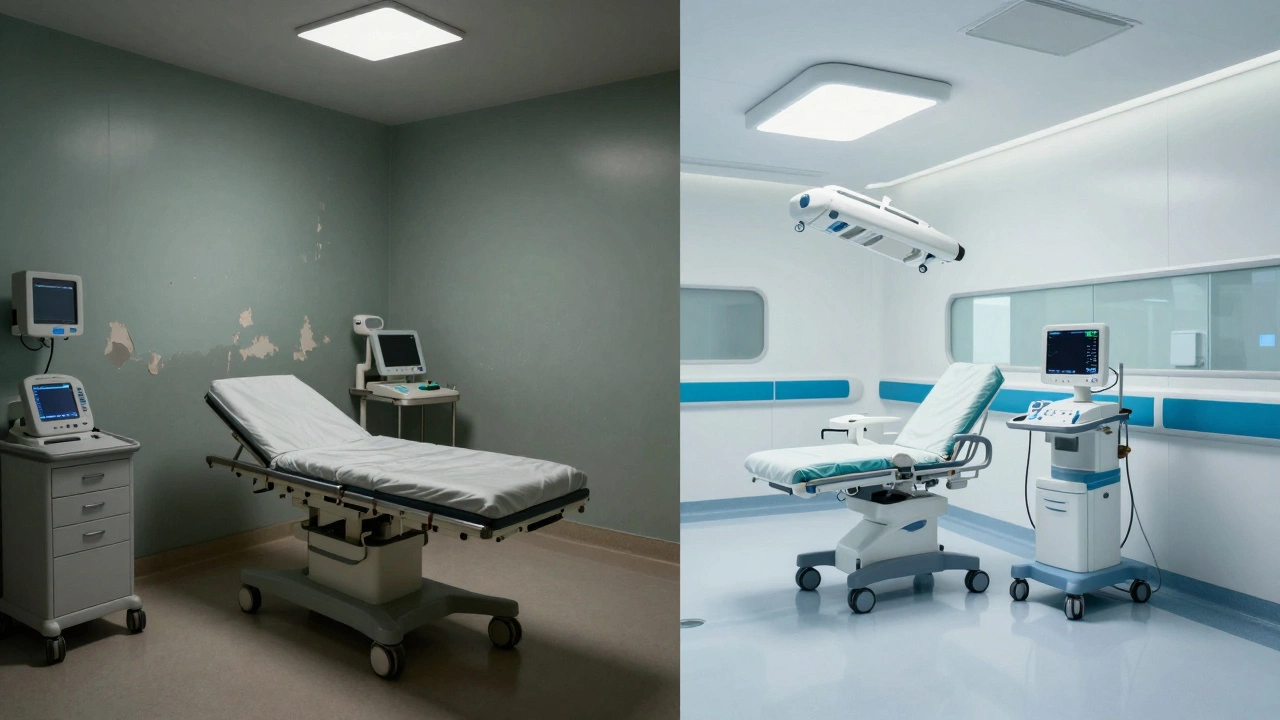
To understand if it's safe, you first have to understand that Mexico doesn't have one single "standard" of care. You'll find everything from cutting-edge hospitals in Mexico City that rival the Mayo Clinic to unlicensed practitioners operating out of rented office spaces. The gap between these two is massive.
In the major hubs, Mexico is a diverse healthcare landscape where private medicine often exceeds public health capabilities . Many of the surgeons practicing in tourist-heavy zones were trained in the United States or Canada and hold board certifications from their home countries. This creates a hybrid environment where North American standards are applied at Mexican labor costs.
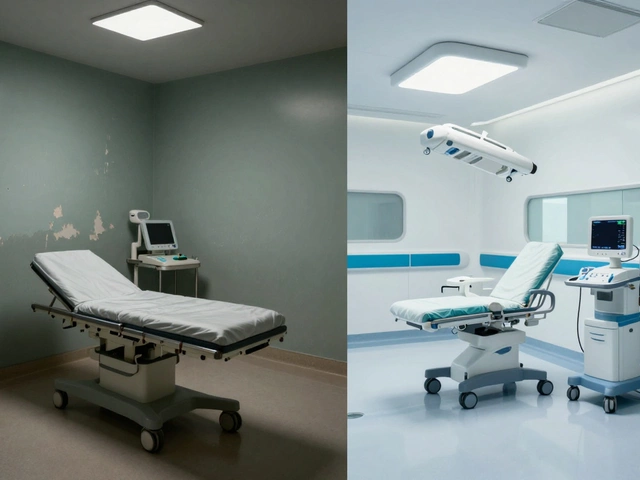
However, the danger isn't usually the surgery itself-it's the environment. The risk of Hospital-Acquired Infections (HAIs) can be higher in facilities that don't strictly adhere to sterilization protocols. While a top-tier hospital uses HEPA filters and surgical-grade air scrubbers, a budget clinic might not, increasing the chance of a post-op infection that you only discover once you've flown home.
How to Spot a Safe Facility
You can't just trust a flashy website with five-star reviews. Reviews can be bought, and photos can be staged. To ensure your safety, you need to look for specific, verifiable credentials. If a clinic refuses to provide their accreditation numbers, walk away immediately.
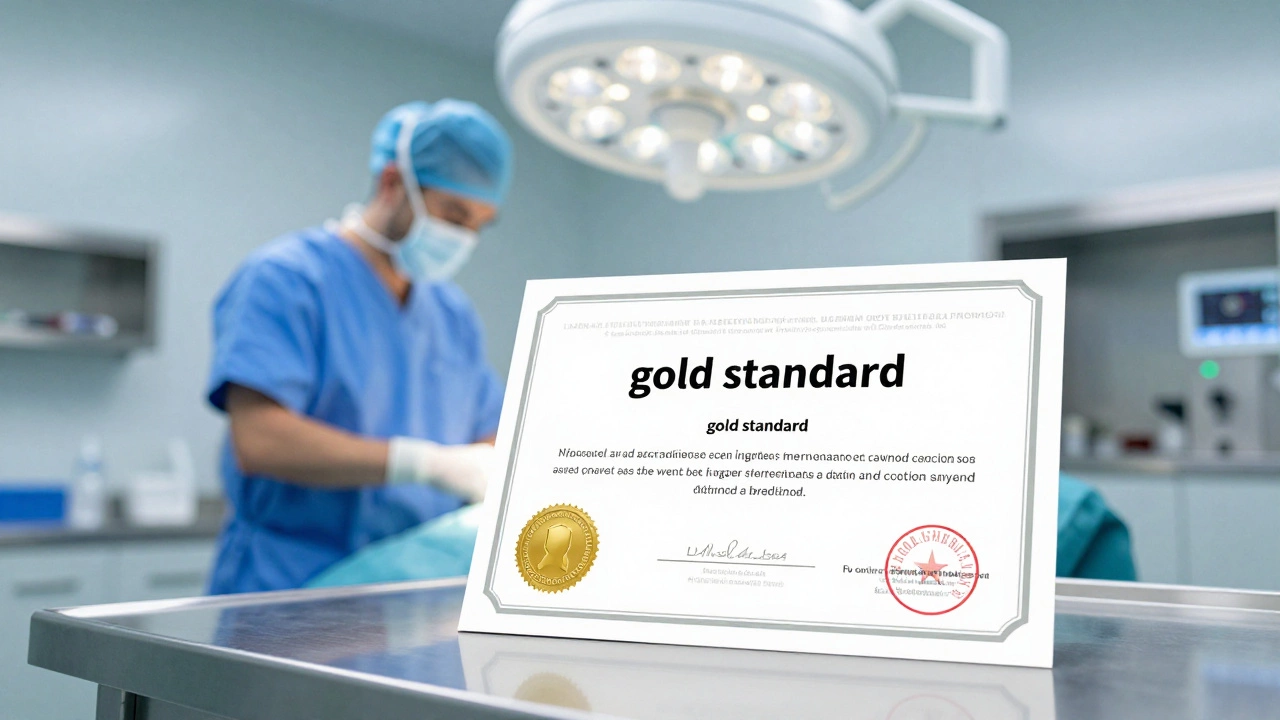
The gold standard is the Joint Commission International (or JCI) an independent, not-for-profit organization that accredits healthcare organizations and evaluates their adherence to international safety standards . JCI accreditation means the clinic follows global protocols for patient safety, medication management, and infection control. If a facility is JCI-accredited, the risk profile drops significantly because they are subject to rigorous, unannounced audits.
Another critical marker is the Consejo de Especialidades Médicas de México (CEMM), the primary body responsible for certifying medical specialists within Mexico . A surgeon who is "certified" by the clinic is not the same as a surgeon certified by the CEMM. You want the latter.
| Feature | Budget/Boutique Clinic | Accredited Private Hospital | JCI-Certified Facility |
|---|---|---|---|
| Sterilization | Basic / Variable | Standardized | World-Class/Audited |
| Staff Training | Internal/Basic | Certified Professionals | International Standards |
| Emergency Backup | Limited/External | On-site ER/ICU | Comprehensive Critical Care |
| Price Point | Very Low | Moderate | Premium |
The Hidden Danger: The Recovery Gap
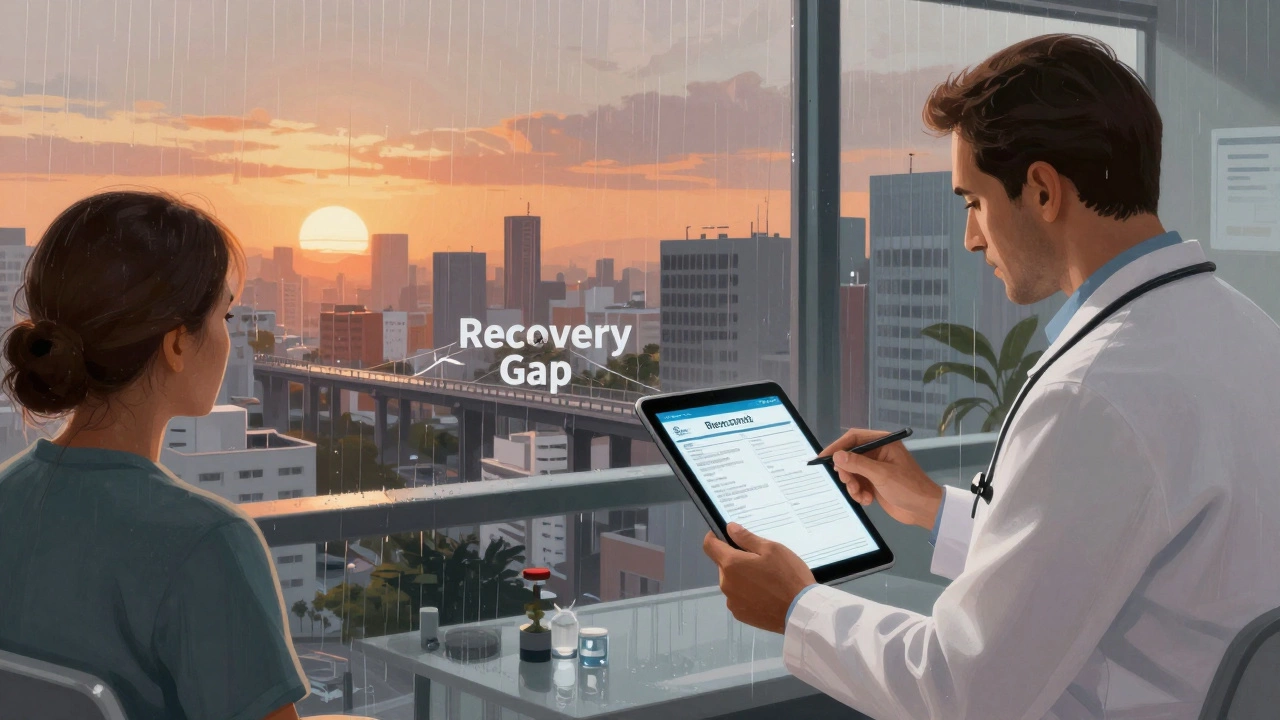
Most people ask, "Is the surgery safe?" but the real question is, "Is the recovery safe?" This is where medical tourism becomes risky. If you have a complication-like a blood clot or a surgical site infection-three days after your procedure, you are no longer in the hands of your surgeon. You are back in your home city, and your local ER doctor has no idea what was done to you, what medications were used, or who is responsible for your care.
This is known as the "continuity of care" gap. For example, in Dental Tourism, the practice of traveling abroad to receive dental work, often including crowns, veneers, or implants , it's common for patients to get a full set of veneers in a week and fly home. If an implant fails or an abscess forms a month later, the patient often faces a nightmare of paying a local dentist to fix the mistake, as the original clinic in Mexico isn't physically there to provide a warranty.
To mitigate this, you must have a "bridge plan." This means sharing your full surgical report, including the brands of implants or materials used, with a local doctor before you even leave for Mexico. If something goes wrong, your local doctor shouldn't be guessing; they should have a roadmap of exactly what happened in the operating room.
Common Procedures and Their Specific Risks
Not all surgeries carry the same risk profile. Some are relatively safe because they are "low-impact," while others can be life-threatening if things go south.
- Dental Work: Generally safe, but the biggest risk is the use of low-quality materials that can cause allergic reactions or systemic inflammation. Always ask for the brand of the implant; if they can't name it, don't let them put it in your jaw.
- Bariatric Surgery: Higher risk due to the complexity of the digestive system. Pulmonary embolisms (blood clots in the lungs) are a serious concern. Safe facilities will mandate a specific length of stay for monitoring before you are cleared to fly.
- Cosmetic Surgery: The risk here is often aesthetic failure (botched results) rather than medical emergency. However, the use of non-medical grade fillers or silicone can lead to severe autoimmune responses.
- Orthopedic Care: Hip and knee replacements are common. The risk is primarily infection. Ensure the facility uses an Laminar Flow Hood, which is a device that removes airborne particles to keep the surgical field sterile .
Legal and Ethical Considerations
Here is the cold truth: if a doctor in the U.S. or Canada commits malpractice, you have a legal system designed to hold them accountable. In Mexico, the legal landscape for foreign patients is murky. While there are laws protecting patients, suing a foreign clinic is prohibitively expensive and often impossible if you've already returned home.
You aren't just paying for a cheaper surgery; you are trading your legal protection for a lower price. This is why choosing a facility that is part of a larger, reputable hospital network is vital. These organizations have a brand to protect and are more likely to offer a formal guarantee or a pathway for corrective care than a standalone clinic.
Step-by-Step Safety Checklist
If you've decided to move forward, don't just book a flight. Use this workflow to vet your options:
- Verify the Surgeon: Don't look at the clinic's website. Search for the surgeon's name on the CEMM database to ensure they are board-certified in their specific specialty .
- Request a Virtual Consultation: A safe surgeon will want to see your medical history and potentially request your current labs. Anyone who says "you're a perfect candidate" without seeing your blood work is a red flag.
- Check the Facility's JCI Status: Go directly to the JCI website and search for the facility. Do not trust a logo on a website; logos can be copied and pasted.
- Plan the "Buffer Stay": Never fly home the day after surgery. Plan to stay in the city for at least 5-7 days to ensure you are hemodynamically stable and any immediate post-op infections are caught while you're still near the surgeon.
- Secure a Local Liaison: Find a doctor in your home city who agrees to be your point of contact for post-op follow-ups.
Are the medications used in Mexico the same as in the US?
In accredited hospitals, yes. They use the same international pharmaceutical brands and generic equivalents. However, in small, uncertified clinics, there is a risk of counterfeit medications or improperly stored drugs (e.g., antibiotics that weren't kept at the right temperature). This is another reason why JCI certification is crucial.
What happens if I have a complication after returning home?
You will have to seek treatment from your local healthcare provider. Most Mexican clinics do not pay for your return flight or your local medical bills. This is why it is essential to have comprehensive travel insurance that specifically covers medical complications from elective surgery.
Is Tijuana a safe place for dental work?
Tijuana has some of the best dentists in the world, but it also has the highest concentration of low-quality "dental mills." Safety in Tijuana is not about the city, but the individual clinic. Look for those that use digital scanning (iTero) and have clear sterilization rooms that you can actually see.
Do I need a special visa for medical tourism?
Generally, for short-term medical stays, a standard tourist visa or the visa-waiver program for certain nationalities is sufficient. However, if you are staying for an extended recovery period (over 30 days), you should check the latest Mexican consulate guidelines to avoid immigration issues.
How do I know if a surgeon is truly board-certified?
Ask for their certification number from the Consejo de Especialidades Médicas de México (CEMM). A legitimate doctor will provide this without hesitation. You can then verify this number through the official CEMM registry.
Next Steps and Troubleshooting
If you're still feeling uneasy, start by booking a "discovery trip." Visit the facility without a scheduled surgery. Walk through the halls, smell the air (it should smell like medical-grade disinfectant, not perfume), and ask the nursing staff about their turnover rate. High staff turnover is a major red flag for poor management.
For those who have already had a procedure and are experiencing issues, your first step is to document everything. Take high-resolution photos of the affected area and request all surgical logs from the clinic. Contact your local physician immediately and provide them with the specific materials used (e.g., the brand of the implant) so they can treat the complication without guesswork.