Health and Medicine in November 2025: Diabetes, Mental Health, Liver Care, and More
When it comes to health in India, the day-to-day realities of managing chronic conditions, accessing care, and making sense of conflicting advice. It's not just about hospitals and pills—it's about how people live with illness, what they believe works, and what systems fail them. In November 2025, the articles here didn’t just report on health—they dug into the messy, personal, and often overlooked parts of living with disease in India. From the struggle to control diabetes control, the unpredictable swings of brittle Type 1 and the silent progression of Type 2 to the quiet crisis of mental illness, conditions like schizophrenia, severe depression, and PTSD that break daily life but rarely get proper support, the focus was on what actually matters: survival, dignity, and real change.
People are tired of quick fixes. That’s why the piece on liver health, debunking the myth that apple cider vinegar cleans your liver hit hard. It didn’t just say no—it showed what does work: cutting sugar, losing weight, and stopping alcohol. Same with the article on IVF after childbirth, the medical recommendation of waiting 18 to 24 months—not because of rules, but because the body needs real recovery. And then there’s the quiet truth about therapy: you don’t need to spill everything to heal. That’s not weakness—it’s wisdom. These aren’t abstract ideas. They’re choices people make every day in small towns and cities across India, often without insurance, without specialists, without even a clear diagnosis.
What you’ll find below isn’t a list of articles. It’s a snapshot of real life. You’ll see how diabetes control depends on more than medicine—it’s about access, stress, and money. You’ll learn what a full body blood test actually checks, and why it’s one of the few tools that can catch problems before you feel sick. You’ll read about herbs that accidentally trigger anxiety, the brutal truth about pancreatic cancer, and how the 80/20 rule in Ayurveda helps people stay consistent without burning out. And you’ll find out when it’s truly safe to live alone after open-heart surgery—not based on a calendar, but on stamina, safety, and support. This collection doesn’t promise miracles. It gives you facts, straight from the ground, so you can make smarter, calmer decisions about your health—or someone you care about.
28
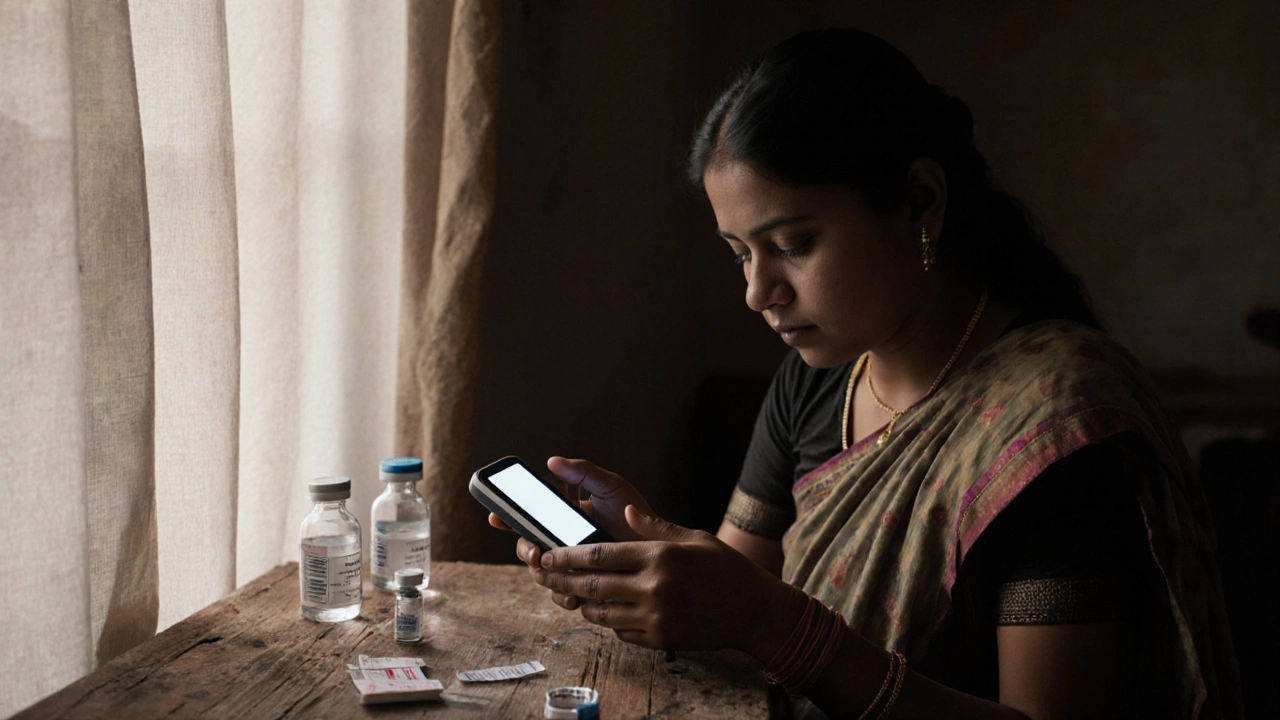
NovemberWhich Type of Diabetes Is Hardest to Control?
Brittle Type 1 diabetes is often the hardest to control due to wild blood sugar swings, but Type 2 can be just as tough without proper support. Learn why insulin dependence, access, and lifestyle all play a role.

25
NovemberWhat Does a Full Body Blood Test Include? Complete Breakdown of Common Tests
A full body blood test includes CBC, lipid profile, liver and kidney function, fasting glucose, and hormone checks. It helps detect hidden conditions like diabetes, thyroid issues, and fatty liver before symptoms appear.
21
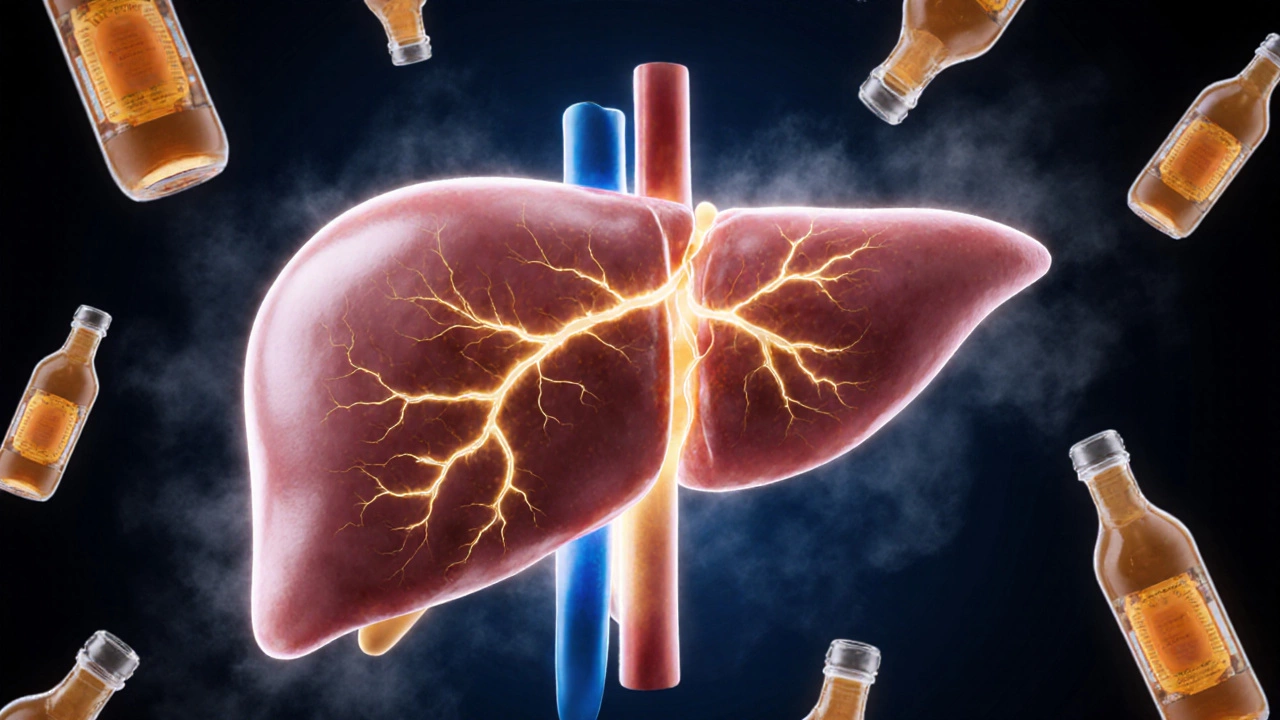
NovemberCan Apple Cider Vinegar Clean Out Your Liver? The Science Behind the Claim
Apple cider vinegar won't clean your liver - but cutting sugar, losing weight, and avoiding alcohol will. Learn what actually supports liver health and why ACV myths persist.
20
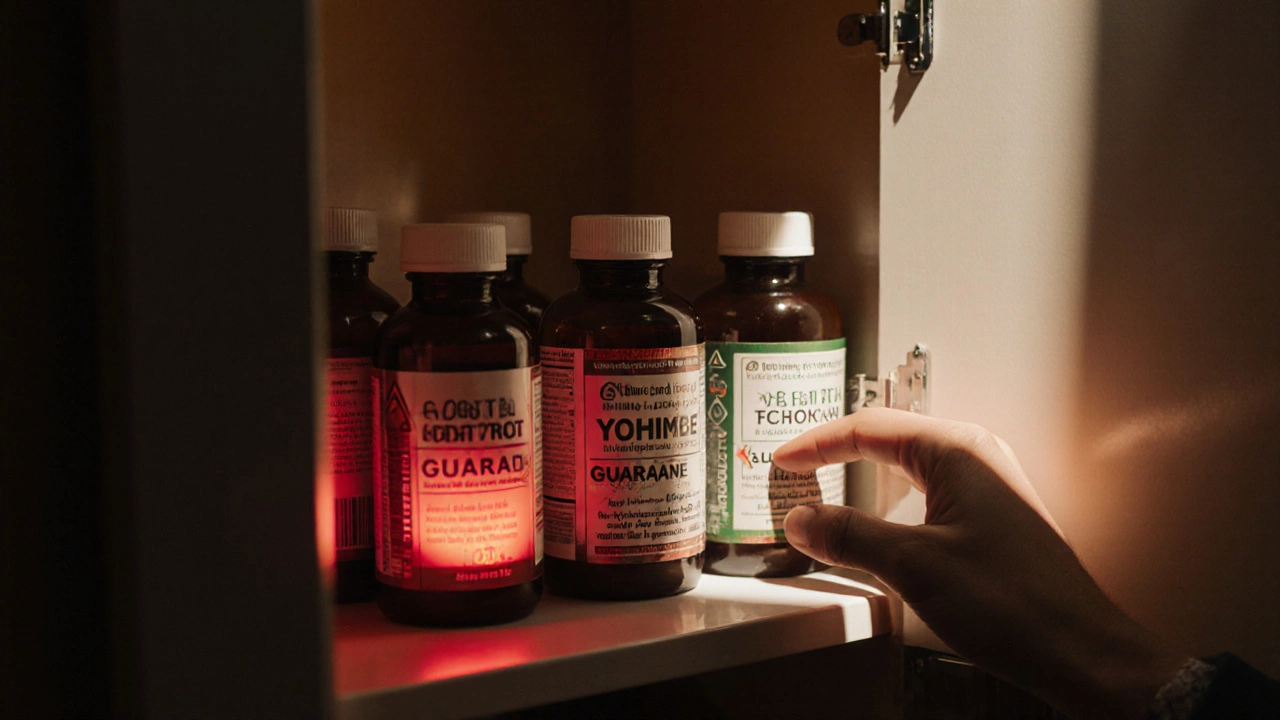
NovemberWhat Herbs Can Cause Anxiety? Top 7 Herbal Supplements Linked to Increased Anxiety
Certain herbal supplements like St. John’s Wort, yohimbe, and green tea extract can trigger or worsen anxiety. Learn which herbs to avoid and what to take instead for safer natural support.

20
NovemberHow Soon Can You Do IVF After Having a Baby?
Learn how long to wait before starting IVF after having a baby. Medical experts recommend 18 to 24 months for safety and success. Understand recovery, breastfeeding, and emotional readiness.
18
NovemberDo I Have to Tell My Therapist Everything? Honest Answers for Therapy Newcomers
You don't need to tell your therapist everything to benefit from therapy. Learn what you actually need to share, how confidentiality works, and why honesty-even small doses-leads to real healing.

17
NovemberWhat Are the 10 Most Disabling Mental Illnesses?
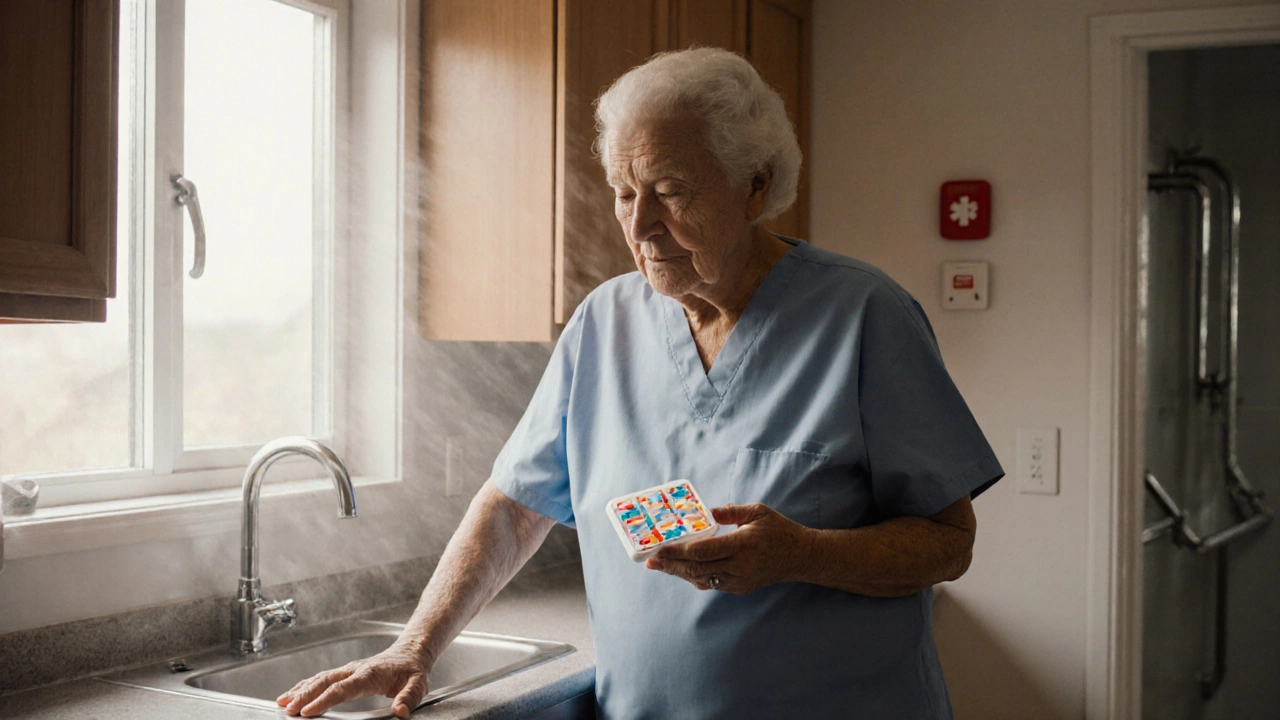
The 10 most disabling mental illnesses include schizophrenia, severe depression, bipolar disorder, OCD, PTSD, BPD, anxiety, eating disorders, severe autism, and dementia. These conditions disrupt daily life, work, and relationships-and often go untreated due to stigma and lack of care.
15
NovemberHow Long After Open-Heart Surgery Can You Live Alone?
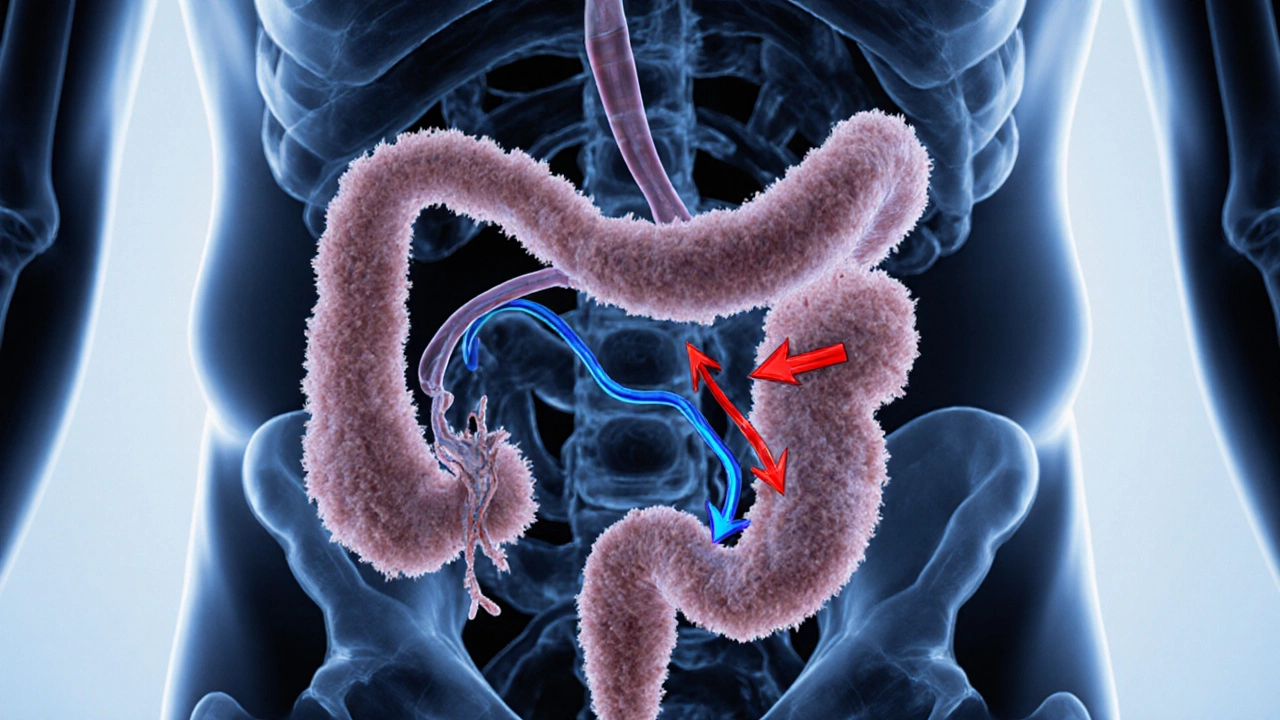
Most people can live alone 4 to 8 weeks after open-heart surgery, but readiness depends on safety, stamina, and support-not just time. Learn the signs you're truly ready and how to set up a safe, independent recovery.
8
NovemberWhat Is the Hardest Cancer to Cure? Real Challenges and Current Outlook
Pancreatic cancer is the hardest cancer to cure due to late detection, resistance to treatment, and lack of early screening. Learn why survival rates are low and what new treatments are offering hope.

3
NovemberWhat Is the 80/20 Rule in Ayurveda? Simple Ways to Apply It for Better Health
The 80/20 rule in Ayurveda means following your ideal routine 80% of the time and allowing flexibility for the rest. It’s not about perfection-it’s about sustainable balance for your body type and lifestyle.
Recent posts
-
 2 Aug 2025
How to Choose Herbal Supplements: Safety, Quality, and Smart Shopping Guide
-
 10 Feb 2026
How to Get Flawless Skin: Simple, Science-Backed Steps That Actually Work
-
 25 Oct 2025
IVF Timeline: How Long Until You Get Pregnant?
-
 18 Jan 2025
Understanding the Most Common Orthopedic Emergency: Fractures
-
 22 Mar 2025
Best Doctor for Bones and Joints: Orthopedic Specialist Guide