Find Your Best Mail-Order Pharmacy Match
Answer three quick questions to get a personalized recommendation based on the top mail-order pharmacies in 2026.
Running to the local drugstore for a refill is a thing of the past for most people. Today, having your medications delivered straight to your doorstep is the norm. But with so many options popping up every year, you might be asking yourself: who actually has the best mail-order pharmacy? It isn't just about who offers free shipping anymore. It’s about reliability, insurance compatibility, and whether you can trust them with your health data.
In 2026, the landscape of online pharmacies has shifted significantly. We have major retail giants, specialized independent services, and even direct-to-consumer platforms from big tech companies. Choosing the right one depends on what matters most to you: cost savings, convenience, or specialized care for complex conditions.
What makes a mail-order pharmacy "the best"?
The "best" pharmacy depends on your specific needs. For most people, it means seamless insurance integration, low copays, reliable delivery times (usually within 3-5 business days), and excellent customer service. For others, it might mean access to specialty drugs or discreet packaging.
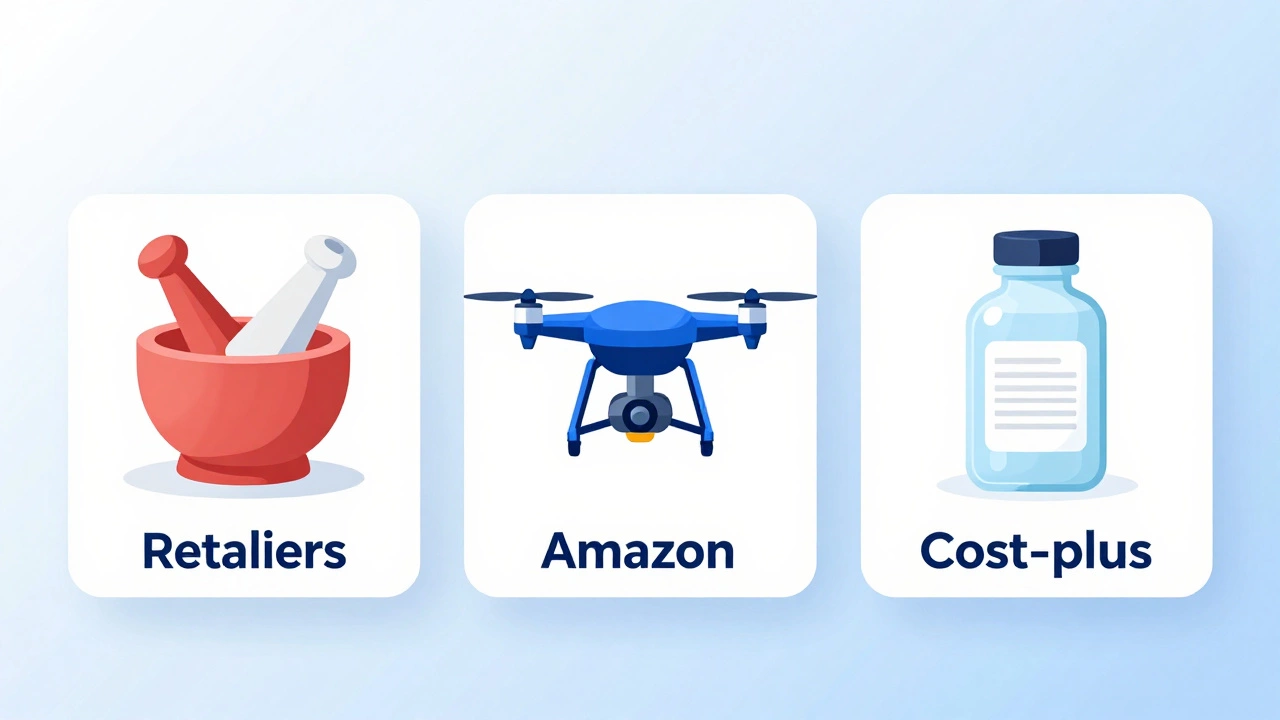
The Big Retailers: CVS, Walgreens, and Walmart
When you think of buying medicine, these names usually come to mind first. They dominate the market because they are everywhere, both online and offline. If you already shop at these stores, their mail-order services are often the easiest transition.
CVS Caremark is one of the largest mail-order pharmacy providers in the United States. They handle a massive volume of prescriptions, which means their systems are robust. If you have insurance through a major provider like Blue Cross Blue Shield or UnitedHealthcare, CVS is likely already integrated into your plan. Their app is user-friendly, allowing you to track deliveries in real-time. However, some users report that customer service can feel automated, making it hard to reach a human when things go wrong.
Walgreens operates similarly. Their Walgreens Prescription Delivery service is convenient if you want the option to pick up at a local store if delivery runs late. They also offer a subscription model for certain over-the-counter items, which adds value beyond just prescriptions.
Walmart Pharmacy stands out for price. Their generic $4 list has expanded significantly, and they often match or beat competitors on cash prices. If you are uninsured or underinsured, Walmart is frequently the cheapest option. Their delivery network relies heavily on third-party logistics, which can sometimes lead to inconsistent delivery windows compared to carriers with dedicated pharmacy divisions.
The Specialists: Express Scripts and OptumRx
You might not see these brands on street corners, but they power the backend for millions of Americans. These are Pharmacy Benefit Managers (PBMs). When your employer chooses a health plan, they often partner with a PBM to manage drug costs.
If your insurance is tied to Express Scripts, you are likely using their mail-order service. They focus heavily on chronic conditions like diabetes, hypertension, and cholesterol. Their strength lies in medication therapy management (MTM). Pharmacists proactively review your medications to check for interactions and suggest better alternatives. This isn't just about filling a script; it's about managing your long-term health.
OptumRx, part of UnitedHealth Group, offers a similar level of sophistication. Because they own the insurance side as well, the data integration is seamless. You get personalized health insights based on your prescription history. For people with complex medical histories, this holistic approach can save money and prevent adverse drug events.
The New Contenders: Amazon Pharmacy and Mark Cuban Cost Plus
The tech world decided to disrupt healthcare, and two players have made significant waves in 2026.
Amazon Pharmacy leverages its logistics empire. If you are an Amazon Prime member, delivery is fast-often next-day or same-day in major cities. Their pricing is transparent, showing you the lowest cash price alongside your insurance copay. The interface is clean, and auto-refills are easy to set up. However, their network of participating pharmacies is still growing, so not all specialists accept transfers there yet.
Mark Cuban Cost Plus Drug Company operates on a radically different model. They charge the wholesale price plus a flat 15% markup, with no middlemen. This transparency has won them a loyal following among people tired of opaque insurance negotiations. While they don't always accept insurance directly, their cash prices are often lower than the copays offered by traditional insurers. They are particularly strong for common generics and lifestyle medications.
How to Choose: Key Decision Factors
Picking the right service requires looking beyond the brand name. Here is what you need to evaluate before transferring your prescription.
- Insurance Compatibility: Call your insurer or check their website. Most plans require you to use a specific mail-order pharmacy to get the discounted copay. Using an out-of-network pharmacy could cost you hundreds more per month.
- Delivery Speed and Reliability: Do you need your meds immediately, or can you wait 3-5 days? Check reviews for the specific region you live in. Rural areas often suffer from slower delivery times regardless of the carrier.
- Customer Service Accessibility: Try contacting them before you transfer. Can you reach a pharmacist? Is there a phone number, or are you stuck in a chatbot loop? When you have a question about side effects, speed matters.
- Price Transparency: Look for tools that show you the cash price vs. the insured price. Some pharmacies hide fees until checkout. Avoid these.
- Specialty Needs: If you take injectables, refrigerated meds, or controlled substances, check if the pharmacy handles these. Many standard mail-order services do not ship temperature-sensitive drugs without special packaging fees.
Comparison Table: Top Mail-Order Pharmacies in 2026
| Pharmacy | Best For | Insurance Acceptance | Avg. Delivery Time | Cash Price Competitiveness |
|---|---|---|---|---|
| CVS Caremark | Major Insurance Plans | Excellent | 3-5 Days | Moderate |
| Walmart Pharmacy | Uninsured/Low Income | Good | 3-7 Days | High (Lowest) |
| Amazon Pharmacy | Prime Members/Convenience | Good (Growing) | 1-2 Days (Prime) | High |
| Cost Plus Drugs | Transparent Pricing | Limited (Cash Focus) | 3-5 Days | Very High |
| Express Scripts | Chronic Disease Management | Excellent (Employer Tied) | 3-5 Days | Moderate |
Safety First: Verifying Legitimacy
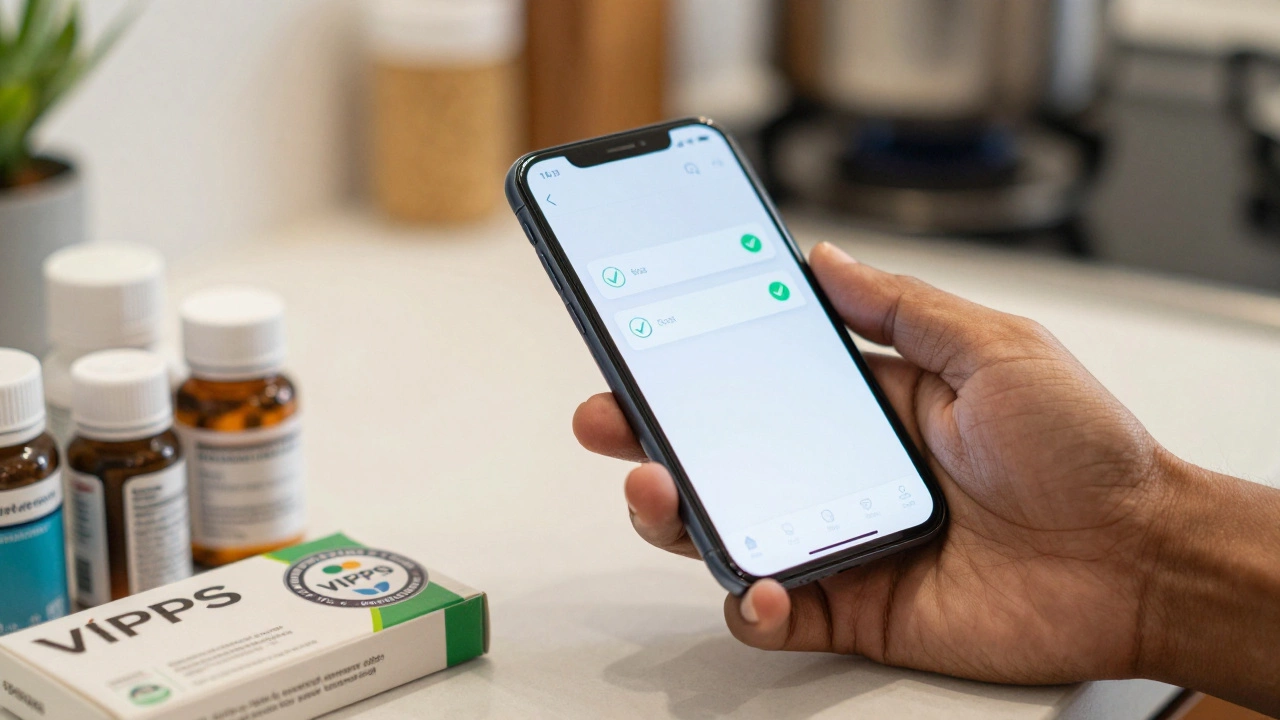
Not all online pharmacies are created equal. In 2026, rogue sites still exist, selling counterfeit drugs or stealing personal information. To ensure you are using a safe service, look for the VIPPS (Verified Internet Pharmacy Practice Sites) seal. This accreditation is issued by the National Association of Boards of Pharmacy (NABP).
A legitimate pharmacy will always require a valid prescription from a licensed healthcare provider. If a site sells prescription-only drugs without asking for one, avoid it immediately. Additionally, check that the website provides a physical address and a working phone number. Real pharmacies have real people behind the counter.
Transferring Your Prescription: A Step-by-Step Guide
Switching pharmacies is easier than you think. Here is how to do it safely.
- Gather Information: Have your current pharmacy’s name, address, and your patient ID ready. You’ll also need your new pharmacy’s details.
- Contact the New Pharmacy: Call or use the online portal of the new pharmacy. Provide your information and authorize them to pull your records.
- Check for Refill Status: Ensure you have enough medication to last until the new pharmacy processes the order. Transfers can take 24-48 hours.
- Verify Controlled Substances: Note that federal law prohibits transferring Schedule II controlled substances (like Adderall or Oxycodone) between pharmacies. You will need a new prescription from your doctor for these.
- Confirm Receipt: Once the new pharmacy confirms the transfer, double-check the label for accuracy. Keep your old pharmacy card handy just in case of errors.
Common Pitfalls to Avoid
Even with the best intentions, mistakes happen. One common issue is forgetting to account for weekends and holidays when calculating refill dates. Mail-order pharmacies often stop processing shipments on Fridays to avoid packages sitting in heat over the weekend. Plan your refills accordingly.
Another pitfall is ignoring medication therapy reviews. Many mail-order services offer free annual reviews where a pharmacist checks for duplicates or interactions. Skipping this means missing out on potential savings and safety improvements.
Finally, don't assume all generics are identical in performance. While bioequivalent, some patients notice differences in fillers or binders. If you switch pharmacies and feel different, contact your doctor. You may need to stick with a specific manufacturer.
Final Thoughts on Finding Your Fit
There is no single "best" mail-order pharmacy for everyone. For someone with a high-deductible plan and few prescriptions, Cost Plus Drugs or Walmart might be the clear winner due to low cash prices. For someone with multiple chronic conditions and comprehensive insurance, Express Scripts or CVS Caremark offers better support and integration.
The key is to treat your pharmacy choice as an active decision, not a default setting. Review your options annually when insurance plans renew. Compare prices, check delivery reviews in your area, and prioritize services that communicate clearly. Your health deserves a partner that fits your life, not just one that fills a box.
Is mail-order pharmacy cheaper than local pharmacy?
Often, yes. Insurers typically offer lower copays for mail-order refills (e.g., 90-day supplies) compared to local 30-day refills. Additionally, cash prices at places like Walmart or Cost Plus Drugs are frequently lower than local independent pharmacies.
Can I transfer my prescription to any mail-order pharmacy?
You can transfer to any pharmacy that accepts your insurance and is licensed in your state. However, your insurance plan may restrict you to specific networks for full coverage. Always check with your insurer first.
How long does mail-order delivery take?
Standard delivery usually takes 3 to 5 business days. Premium services like Amazon Pharmacy may offer 1-2 day delivery for Prime members. Expedited shipping is often available for an extra fee if you are running low.
Are mail-order pharmacies safe?
Yes, if they are accredited. Look for the VIPPS seal from the NABP. Legitimate pharmacies require a valid prescription and provide a licensed pharmacist for consultation. Avoid sites that sell prescription drugs without a prescription.
Do mail-order pharmacies deliver controlled substances?
Yes, but with restrictions. Federal law allows mailing of Schedule III-V controlled substances, but Schedule II drugs (like strong painkillers or ADHD meds) cannot be transferred electronically. You must get a new prescription from your doctor for each refill.