Telemedicine Eligibility Checker
What type of condition are you experiencing?
Select the category that best describes your current health concern.
🤒Minor Ailments
Common cold, cough, sore throat, mild allergies, minor skin rashes
💊Chronic Conditions
Diabetes, hypertension, asthma, thyroid disorders requiring regular management
🧠Mental Health
Anxiety, depression, stress management, counseling needs
🔄Follow-up Visit
Previously diagnosed condition needing prescription refill or dosage adjustment
⚠️Acute/Emergency
Chest pain, severe abdominal pain, high fever, trauma, breathing difficulties
Describe your symptoms
Select all symptoms that apply to your current condition.
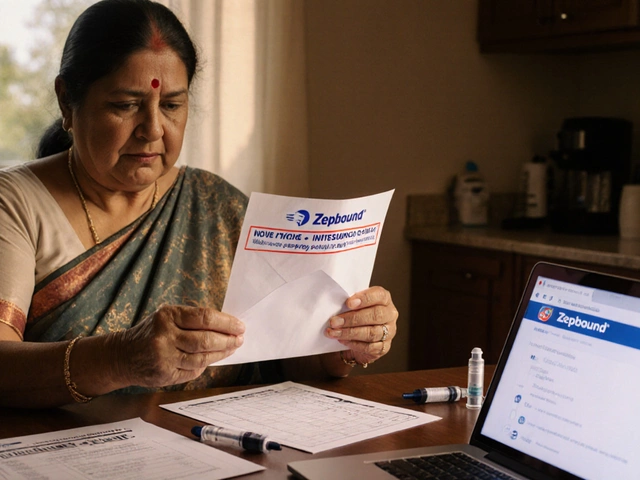
You wake up with a burning throat, your eyes are watering, and you know exactly what you need: antibiotics. But stepping out of the house feels impossible. You’re busy, tired, or maybe just dealing with a mild fever that makes leaving the couch sound like a marathon. So, you turn to your browser. You type in a query hoping for a quick fix. The big question on everyone’s mind lately is simple but tricky: can I get a prescription online without seeing the doctor? The short answer is yes, but it comes with a major catch that most people miss.
The era of waiting in stuffy clinic rooms for forty-five minutes is fading. In places like Bangalore, where traffic can turn a ten-minute drive into an hour-long ordeal, digital health has become a lifeline. However, "getting a prescription" isn't the same as "buying medicine." There is a thin, legal line between legitimate telemedicine and illegal drug trafficking, and crossing it can put your health-and your wallet-at serious risk.
What Exactly Is Telemedicine?
Telemedicine is not just a video call. It is a regulated medical practice where a licensed physician diagnoses and treats patients remotely. In India, this is governed by the National Medical Commission (NMC) Telemedicine Practice Guidelines issued in 2020. These guidelines allow doctors to prescribe medications after a valid doctor-patient relationship is established, even if that relationship happens through a screen.
The Difference Between a Consultation and a Click
Here is where things get confusing for many users. Many websites claim they will send you medicine within two hours if you just fill out a form. They ask for your symptoms, maybe upload a photo of an old prescription, and boom-the order is placed. Is this legal? Sometimes. But often, it’s a gray area.
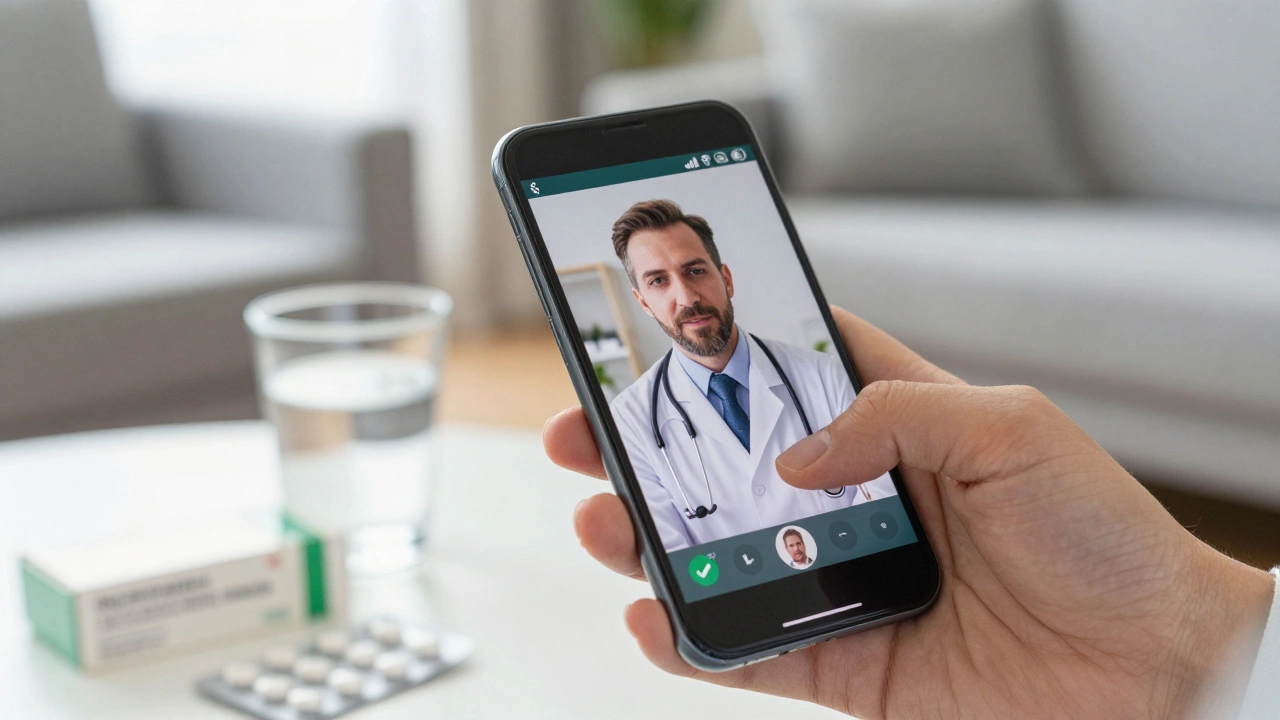
To get a genuine prescription online, you must interact with a human doctor. This interaction doesn’t always mean a face-to-face meeting. A text-based chat, a voice note, or a video call counts. The key is that a registered medical practitioner reviews your case. If a website simply sells you antibiotics based on a multiple-choice quiz without a doctor ever looking at your file, you are likely using an unregulated platform. This is dangerous because misdiagnosis is common. What looks like a bacterial infection might be viral, and taking unnecessary antibiotics contributes to antimicrobial resistance, a growing global health threat.
I remember helping my mother manage her hypertension during the peak of the pandemic. We couldn’t go to the hospital. We used a reputable telemedicine app. She spoke to a cardiologist via video. The doctor reviewed her blood pressure logs, asked specific questions about her diet and stress levels, and then adjusted her medication dosage. He sent a digital prescription directly to our local pharmacy. That is how it should work. It’s personal, it’s professional, and it’s safe.
If you are traveling abroad, say to Almaty for business or leisure, navigating local services can be complex. While medical needs are primary, sometimes travelers look for other local directories to understand the city's layout or services. For instance, some travelers check resources like this directory to get a sense of verified local listings, though obviously, this is unrelated to healthcare, it highlights how digital verification works in different sectors. Back to health: the principle of verification remains the same. You want verified doctors, not anonymous sellers.
When Can You Legally Get Prescriptions Online?
Not every condition qualifies for remote treatment. The NMC guidelines categorize conditions into those that can be managed via teleconsultation and those that require physical examination. Understanding this distinction saves you time and prevents wasted appointments.
- Minor Ailments: Common cold, cough, sore throat, mild allergic reactions, and minor skin rashes are generally eligible for online consultation. Doctors can assess these visually or through description.
- Chronic Disease Management: Diabetes, hypertension, asthma, and thyroid disorders are excellent candidates for telemedicine. Since these require regular monitoring and medication refills, a virtual follow-up is often sufficient if your recent lab reports are available.
- Mental Health: Counseling and psychiatric evaluations are increasingly done online. Privacy and convenience make this a preferred option for many patients seeking therapy or antidepressants.
- Follow-ups: If you’ve already been diagnosed and just need a refill or a slight adjustment to your current regimen, online prescriptions are standard practice.
However, there are red flags. If you have chest pain, severe abdominal pain, high fever lasting more than three days, or any acute trauma, do not rely on an app. Go to an emergency room. No responsible doctor will prescribe strong painkillers or emergency interventions without seeing you physically.
How to Spot a Legitimate Online Pharmacy
The internet is flooded with fake pharmacies. Some sell counterfeit drugs; others steal your credit card information. Before you hand over your data, run this quick checklist.
- Check for Licensing: In India, legitimate online pharmacies must display their license number from the State Drug Control Authority. Look for this on the footer of their website.
- Doctor Interaction: Does the platform connect you with a real doctor? If the process is purely automated-fill form, pay, receive pills-be skeptical. Real care requires human judgment.
- Prescription Requirement: For Schedule H drugs (which include most antibiotics and psychotropics), a valid prescription is mandatory by law. If a site offers to sell you these without asking for a prescription or providing a consultation, it is operating illegally.
- Privacy Policy: Your medical history is sensitive data. Ensure the platform has a clear privacy policy stating how your data is stored and shared. HIPAA compliance is relevant for US platforms, while Indian platforms should adhere to the Digital Personal Data Protection Act.
Reputable players in the market, such as Tata 1mg, PharmEasy, and Apollo 24/7, have integrated telemedicine features. They partner with networks of verified doctors. When you book a consultation, you see the doctor’s name, registration number, and specialty. This transparency builds trust.
The Role of AI and Chatbots
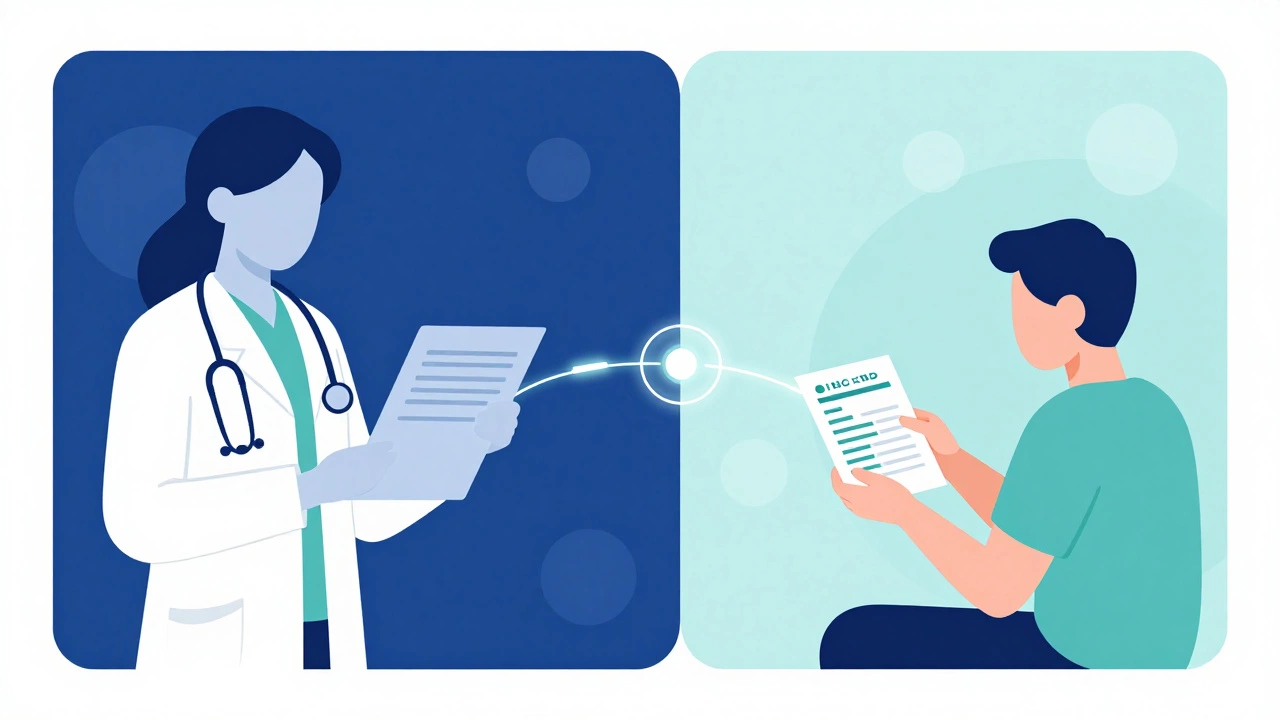
You might wonder, "Why can’t an AI just diagnose me?" Artificial intelligence is powerful, but it is not a replacement for clinical expertise. AI tools can triage symptoms. They can tell you whether your issue is likely urgent or routine. They can suggest which specialist to see. But they cannot legally prescribe controlled substances in most jurisdictions.
Think of AI as a smart receptionist. It gathers your initial details, checks your history, and prepares a summary for the doctor. The doctor then makes the final call. This hybrid model speeds up the process. Instead of spending ten minutes explaining your symptoms, you spend two minutes talking to a bot and five minutes talking to a doctor who already knows your case.
This efficiency is crucial for chronic patients. Imagine managing diabetes. You log your glucose readings into an app. An algorithm detects a trend of rising levels. It alerts your doctor. The doctor reviews the data and sends a message: "Increase Metformin dose by 500mg." You get the prescription instantly. This is the future of care, and it’s happening now.
Pitfalls to Avoid
Even with legitimate services, mistakes happen. Here are common traps that patients fall into.
- Self-Diagnosis Bias: Don’t go into a consultation telling the doctor, "I have strep throat, give me Amoxicillin." Let the doctor examine your symptoms. You might have tonsillitis caused by a virus, where antibiotics won’t help.
- Ignoring Side Effects: Online consultations can feel detached. Make sure you ask about side effects. If you start feeling dizzy or nauseous after starting a new med, contact the doctor immediately. Most apps offer follow-up chats for free within a certain period.
- Using Unverified Platforms: Avoid buying medicines from social media influencers or unknown websites. Counterfeit drugs may contain incorrect dosages or harmful contaminants. Stick to established brands.
- Skipping Lab Tests: A doctor might prescribe blood tests before prescribing medication. Don’t skip this step. Treating blindly without data is risky.
Cost and Convenience Comparison
One of the biggest drivers for online prescriptions is cost. Traditional clinic visits involve travel costs, parking fees, and lost wages from taking time off work. Telemedicine eliminates these hidden expenses.
| Factor | Traditional Clinic Visit | Online Telemedicine |
|---|---|---|
| Consultation Fee | ₹500 - ₹2000+ | ₹100 - ₹500 |
| Travel Time | 1-2 hours (round trip) | 0 minutes |
| Waiting Time | 30-60 minutes | 5-15 minutes |
| Prescription Delivery | Physical paper copy | Digital PDF + Direct Pharmacy Dispatch |
| Accessibility | Limited to clinic hours | 24/7 availability |
The savings are significant. For families managing multiple chronic conditions, switching to telemedicine for routine follow-ups can reduce annual healthcare costs by thousands of rupees. Plus, the convenience of having medicine delivered to your doorstep means you never run out of essential drugs.
Legal Framework in India
It is important to understand the laws protecting you. The Drugs and Cosmetics Act, 1940, mandates that certain drugs can only be sold on a prescription. The Information Technology Act, 2000, provides the legal backbone for electronic records and signatures, making digital prescriptions valid. Furthermore, the NMC guidelines explicitly state that a doctor can prescribe based on a "valid doctor-patient relationship," which includes prior in-person visits or current teleconsultations.
If a platform violates these rules, you can report them to the Ministry of Health and Family Welfare. Consumer protection laws also apply. If you receive counterfeit medicine, you have the right to seek compensation. Always keep digital copies of your prescriptions and payment receipts.
Next Steps for Patients
If you are considering going online for your next prescription, start small. Use it for a minor ailment like a cold or a dermatological rash. Test the platform’s responsiveness. Check if the doctor asks relevant questions. See if the medicine arrives on time. Once you build trust with a provider, you can expand its use to chronic management.
Prepare for your virtual visit. Have your previous medical records handy. Take clear photos of any visible symptoms. Ensure you have a stable internet connection. Treat the virtual appointment with the same respect as an in-person one. Dress appropriately if a video call is required, and find a quiet space.
Healthcare is evolving. The goal is not to replace doctors but to make their expertise accessible to everyone, everywhere. By understanding how to safely navigate online prescriptions, you take control of your health journey. You save time, money, and stress. Just remember: technology is the tool, but the doctor is the guide. Never skip the human element when it comes to your well-being.
Is an online prescription legally valid in India?
Yes. Under the National Medical Commission (NMC) Telemedicine Practice Guidelines 2020, digital prescriptions issued by registered medical practitioners are legally valid. They carry the same weight as physical prescriptions, provided they include the doctor’s registration number and signature.
Can I buy antibiotics online without a prescription?
No. Antibiotics are Schedule H drugs in India, meaning they require a valid prescription from a registered medical practitioner. Selling or buying them without a prescription is illegal and dangerous due to the risk of antibiotic resistance.
What if the online doctor misdiagnoses me?
If you believe you were misdiagnosed, stop the medication immediately and consult another doctor in person. You can also file a complaint with the platform and the local medical council. Reputable platforms have grievance redressal mechanisms and insurance coverage for malpractice.
Are online consultations covered by insurance?
Many Indian health insurance providers now cover telemedicine consultations, especially post-pandemic. Check your policy document or contact your insurer. Some apps also offer direct cashless integration with insurance partners for seamless billing.
How do I verify if an online pharmacy is genuine?
Look for the license number from the State Drug Control Authority on their website. Check if they require a valid prescription for Schedule H drugs. Read user reviews on trusted platforms. Avoid sites that offer discounts on controlled substances or promise overnight delivery for all medications without proper checks.