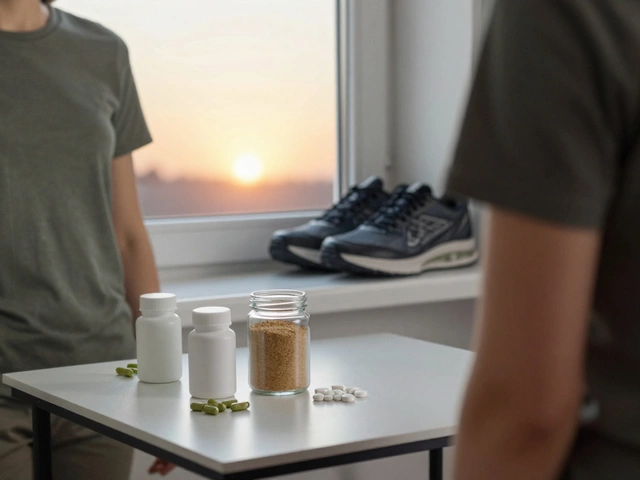
Weight Loss Supplement Calculator
How supplements really impact weight loss
Based on the latest research, this calculator shows how much supplemental calories you might burn daily. Remember: supplements aren't magic. They can only help when combined with a calorie deficit from diet and movement.
Important note: These calculations are based on the article's research. Most supplements provide only modest calorie impact. Results are estimates and vary based on individual metabolism.
Enter your details to see potential impact.
Your Results
Reality check: This calculator shows only the supplement's potential impact. The article states that supplements alone don't cause weight loss. They only support your efforts when combined with a calorie deficit from diet and exercise.
People ask for the best supplement for losing weight like it’s a magic pill. But here’s the truth: no supplement melts fat on its own. Not even close. If you’re hoping for a quick fix, you’re setting yourself up for disappointment-and maybe even harm. The real question isn’t which supplement works best. It’s: which one, if any, actually helps when paired with real lifestyle changes?
Supplements don’t replace diet and movement
Let’s get this out of the way first. No pill, powder, or capsule will undo years of poor eating habits or a sedentary life. The science is clear: weight loss happens when you burn more calories than you take in. That’s it. Supplements? They’re tiny tools at best. At worst, they’re expensive distractions.
Think of supplements like a wrench in a car repair. You don’t fix an engine with just a wrench. You need the right parts, the right skills, and the right conditions. Same here. A supplement might nudge your metabolism a little, or help you feel less hungry. But if you’re still eating fried snacks and sitting all day, it won’t matter what you take.
What actually shows up in studies?
Not all supplements are made equal. Some have real data behind them. Others are just marketing with fancy labels. Here’s what the latest research says about the few that actually have a chance:
- Green tea extract - Contains EGCG, a compound that may slightly increase fat burning. Studies show it can help you burn an extra 50-100 calories a day. That’s not much, but over a year, it adds up to about 5-10 pounds. Works best with caffeine and exercise.
- Caffeine - Not a supplement you buy in a bottle, but it’s in coffee, tea, and many fat-burning pills. It boosts metabolism and can reduce fatigue during workouts. A 200mg dose (about two cups of coffee) can increase calorie burn by 10-16% for a few hours.
- Glucosamine and chitosan - Often marketed as fat blockers. But studies show they barely reduce fat absorption. The FDA even warned some brands for false claims. Skip these.
- Psyllium husk - A soluble fiber that expands in your stomach. It doesn’t burn fat, but it keeps you full longer. In one 12-week trial, people who took 10g daily lost 2.5 pounds more than those who didn’t-just by eating less.
- Protein supplements - Not a fat burner, but essential. High protein intake helps preserve muscle while losing weight. Muscle burns more calories at rest. Whey or pea protein shakes can help you hit your daily target without overeating.
None of these are magic. But when used correctly, they can support real progress.
The dangerous ones you should avoid
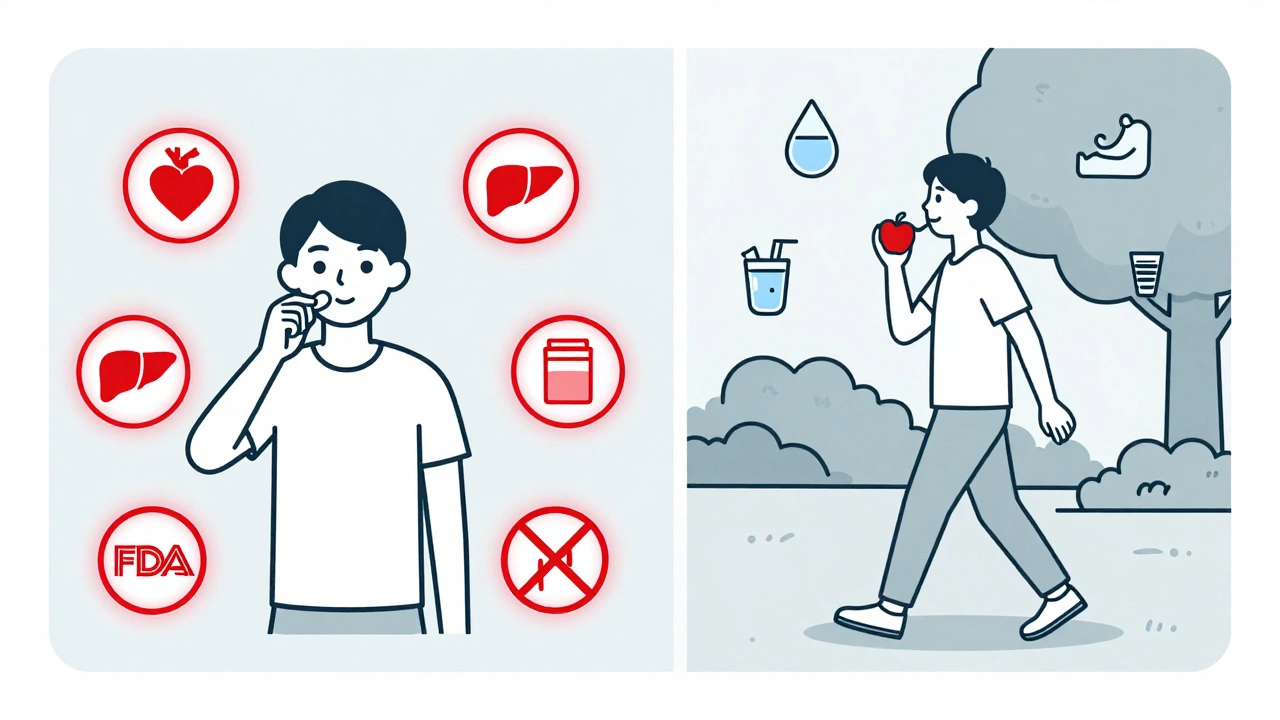
Not all supplements are harmless. Some are outright risky. In India, the FSSAI has flagged dozens of weight loss products for hiding banned drugs like sibutramine and fenfluramine-drugs pulled from the market because they cause heart attacks and strokes.
Here’s what to watch out for:
- Products labeled “all-natural” but promise rapid weight loss (10+ pounds in a week)
- Supplements with no ingredient list or manufacturer details
- Products sold on Instagram, WhatsApp, or unverified websites
- Claims like “doctor-recommended” or “clinically proven” without a link to a real study
In 2024, a Bangalore-based study tested 37 weight loss supplements bought online. Over half contained undeclared pharmaceuticals. One brand had the same active ingredient as a discontinued heart drug. People thought they were taking a herbal pill. They were actually taking a controlled substance.
What about appetite suppressants?
Feeling hungry all the time is one of the biggest reasons people quit diets. Some supplements claim to shut off hunger. The only ones with decent evidence are fiber-based (like psyllium) and protein. Others? Not so much.
Ingredients like hoodia, Garcinia cambogia, and 5-HTP are popular. But multiple reviews from the Cochrane Collaboration and the National Institutes of Health found no significant weight loss benefit. Some people report feeling less hungry, but that’s often placebo. And Garcinia cambogia? Linked to liver damage in rare cases.
Real appetite control comes from:
- Eating more protein at breakfast
- Getting enough sleep (less than 6 hours increases hunger hormones)
- Drinking water before meals
- Reducing ultra-processed foods
No pill does what whole food and good habits can.
Metabolism boosters: hype or help?
“Boost your metabolism!” sounds amazing. But your metabolism isn’t broken. It’s just doing what it’s supposed to: keeping you alive. You can’t dramatically speed it up with a pill.
Thermogenic supplements-those with capsaicin, caffeine, or synephrine-do raise body temperature and calorie burn slightly. But the effect is small. One study showed a 3-5% increase in daily energy use. That’s about 75-125 extra calories burned. You’d need to walk 20-30 minutes to burn that same amount.
And here’s the catch: your body adapts. That initial boost fades in a few weeks. Plus, stimulants can cause jitters, insomnia, or heart palpitations-especially if you’re sensitive or on other meds.
Who might benefit from supplements at all?
Not everyone needs them. But some people can use them smartly:
- People who struggle to eat enough protein (like older adults or vegetarians)
- Those who can’t drink enough water and feel hungry all the time
- People who train hard and need a small edge in energy or focus
- Anyone who’s already eating well and moving daily but hit a plateau
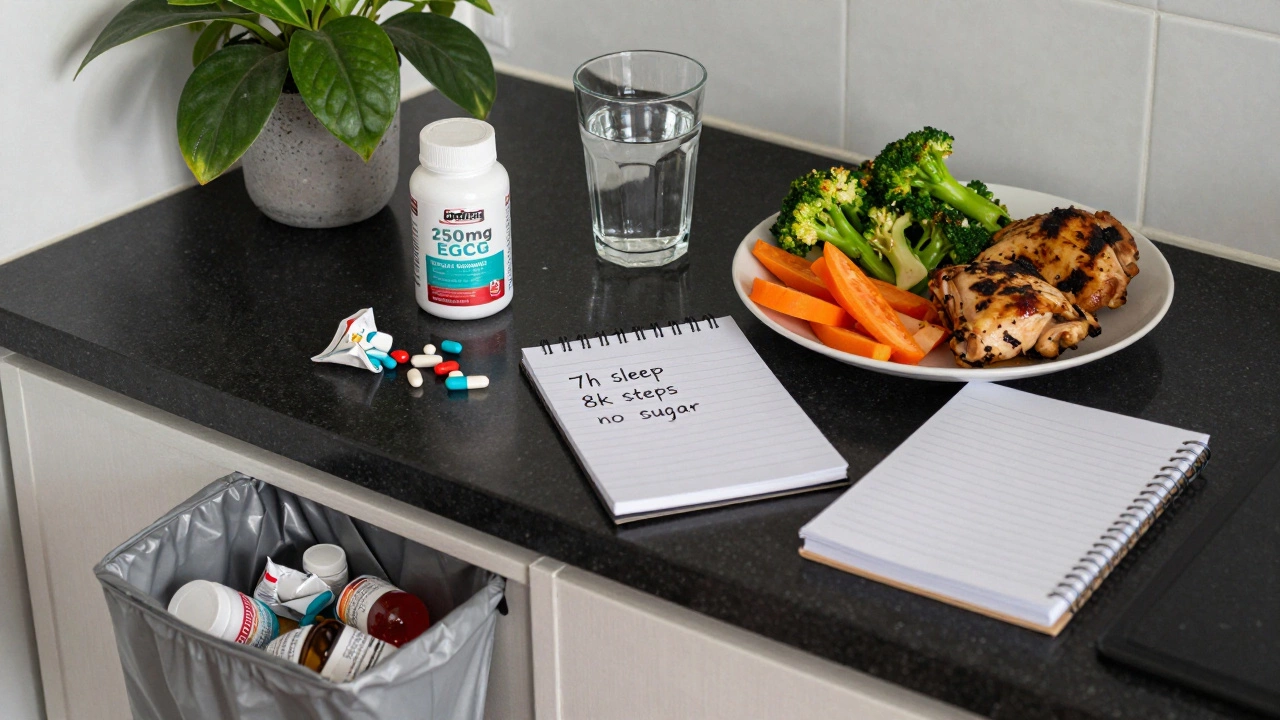
If you’re doing all the basics-sleeping 7 hours, eating whole foods, walking 8,000 steps a day-and still not losing weight, then a supplement might help nudge you forward. But only as a tiny part of a bigger plan.
What should you actually buy?
If you’re going to spend money on a supplement, here’s what to look for:
- Third-party tested (look for USP, NSF, or Informed Choice seals)
- Clear dosage on the label (e.g., “250mg green tea extract with 50% EGCG”)
- No proprietary blends (those hide the actual amounts of ingredients)
- Ingredients you can look up in peer-reviewed journals
Brands like HealthKart, MuscleBlaze, and Wellbeing Nutrition have some products with third-party testing. But don’t assume a big name is safe. Always check the label yourself.
Best value? Buy plain green tea extract (250mg, 50% EGCG), caffeine (100-200mg), and psyllium husk powder. Mix them yourself. It costs less than pre-made blends and you know exactly what you’re getting.
Bottom line: What’s the best supplement?
The best supplement for losing weight is the one you don’t need to take.
Real weight loss comes from:
- Eating more vegetables, lean protein, and whole grains
- Reducing sugar, fried food, and packaged snacks
- Moving daily-even if it’s just walking
- Sleeping enough and managing stress
Supplements like green tea extract, caffeine, or psyllium husk can help. But only if you’re already doing the hard work. They’re not the solution. They’re the small bonus.
If you’re not eating better or moving more, no supplement will help. And if you’re doing those things already, you probably don’t need one at all.
The market wants you to believe you need a pill. But the truth is simpler: you need better habits. Start there. Then, if you still want to try a supplement, pick one with real evidence-and keep your expectations low.
Can I lose weight with supplements alone?
No. Supplements alone won’t lead to meaningful or lasting weight loss. Weight loss requires a calorie deficit, which comes from eating less and moving more. Supplements might help slightly with appetite or metabolism, but they can’t replace diet and exercise.
Are Indian-made weight loss supplements safe?
Many are not. A 2024 study in Bangalore found over 50% of online weight loss supplements contained hidden, banned drugs like sibutramine. Always check for third-party testing seals (USP, NSF, Informed Choice) and avoid products with vague labels or too-good-to-be-true claims.
Which supplement has the most scientific backing?
Green tea extract (with EGCG) and caffeine have the strongest evidence for slightly increasing fat burning. Psyllium husk is best for appetite control. All three work best when paired with a healthy diet and regular movement.
Do appetite suppressants really work?
Most don’t. Ingredients like Garcinia cambogia and hoodia show little to no benefit in clinical trials. Fiber supplements like psyllium husk are the only ones that reliably reduce hunger by expanding in the stomach and slowing digestion.
How long does it take to see results from weight loss supplements?
If they work at all, results are slow. Green tea extract and caffeine might help burn an extra 50-100 calories a day, which equals about 1-2 pounds per month. Real results come from consistent habits, not pills.