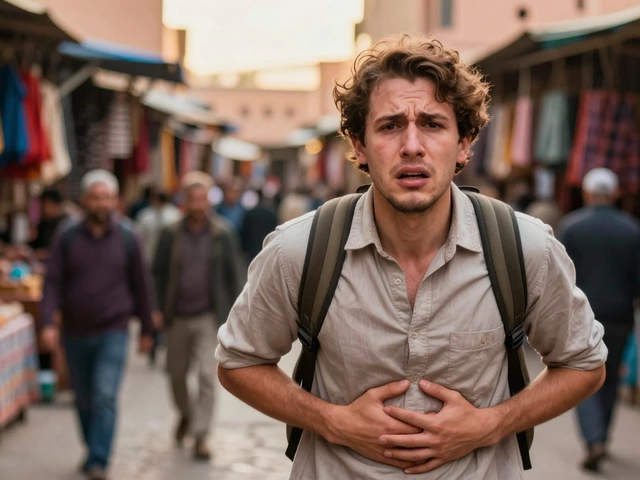
Mexico Surgery Verification Tool
Verify Your Mexican Medical Facility
Check if a hospital and surgeon meet international safety standards before traveling for surgery.
Every year, thousands of people from the U.S., Canada, and beyond fly to Mexico for surgery. Why? The prices are often 60% to 80% lower than at home. A knee replacement that costs $50,000 in the U.S. might run you $12,000 in Monterrey. A tummy tuck that’s $8,000 in Los Angeles can be done for $3,500 in Tijuana. But here’s the real question: is going to Mexico for surgery safe? It’s not just about saving money. It’s about coming home without complications, infections, or worse.
What Makes Mexico a Popular Destination for Surgery?
Mexico isn’t just cheap-it’s close. For someone in Texas or California, flying to Ciudad Juárez or Cancún takes less than two hours. No visa needed. Many hospitals near the border are staffed by doctors trained in the U.S. or Europe. Some even have Joint Commission International (JCI) accreditation-the same standard used by top U.S. hospitals.
Hospitals like Hospital Angeles in Tijuana, Médica Sur in Monterrey, and the American Surgical Center in Nuevo Laredo treat foreign patients daily. They offer everything from bariatric surgery to hip replacements. Many have English-speaking staff, modern equipment, and recovery suites designed for international patients. Some even arrange airport pickup, hotel stays, and post-op checkups.
But here’s what most brochures won’t tell you: not every clinic is like this. There are hundreds of small clinics in Mexico that look nice online but lack proper licensing, sterilization protocols, or emergency backup. The difference between a safe surgery and a dangerous one often comes down to one thing: verification.
How to Spot a Legitimate Hospital or Surgeon
Don’t pick a clinic because a website looks polished or a patient review sounds glowing. You need proof.
- Check for JCI accreditation. Only about 15 hospitals in Mexico have it. You can verify this on the Joint Commission International website.
- Ask for the surgeon’s medical license number. Then call the Mexican Medical Council (Consejo Mexicano de Medicina) to confirm it’s active and clean.
- Look for hospitals that are part of a larger medical group-like Grupo Ángeles or Hospital Español. These have internal audits, standardized protocols, and better accountability.
- Ask if they use U.S.-approved implants and medications. Many clinics use cheaper, unregulated alternatives that increase infection risk.
- Request to see their infection rates. Reputable hospitals publish them. If they hesitate, walk away.
One patient from Ohio went to a clinic in Tijuana for a gallbladder removal. The surgeon didn’t have a license. The operating room didn’t have a working autoclave. She came home with a severe abdominal infection and spent three weeks in an ICU back in the U.S. Her total cost? $45,000-more than if she’d stayed home.
What Types of Surgeries Are Safe in Mexico?
Not all procedures carry the same risk. Some are routinely done with excellent outcomes. Others are risky, even in the best facilities.
Safest procedures:
- Orthopedic surgeries (knee and hip replacements)
- Bariatric surgery (gastric sleeve, bypass)
- Dental implants and full-mouth reconstructions
- Plastic surgeries (breast augmentation, tummy tucks) in accredited centers
Higher-risk procedures to avoid:
- Neurosurgery (brain or spine operations)
- Complex cardiac procedures (bypass, valve replacements)
- Cancer surgeries requiring multi-disciplinary teams
- Stem cell or regenerative therapies marketed as "miracle cures"
Why the difference? Orthopedic and bariatric surgeries are standardized. The tools, implants, and techniques are well-documented. Neurosurgery or cancer care? That’s where you need access to MRI machines, pathology labs, and ICU teams that work together daily. Most Mexican clinics outside major cities don’t have that.
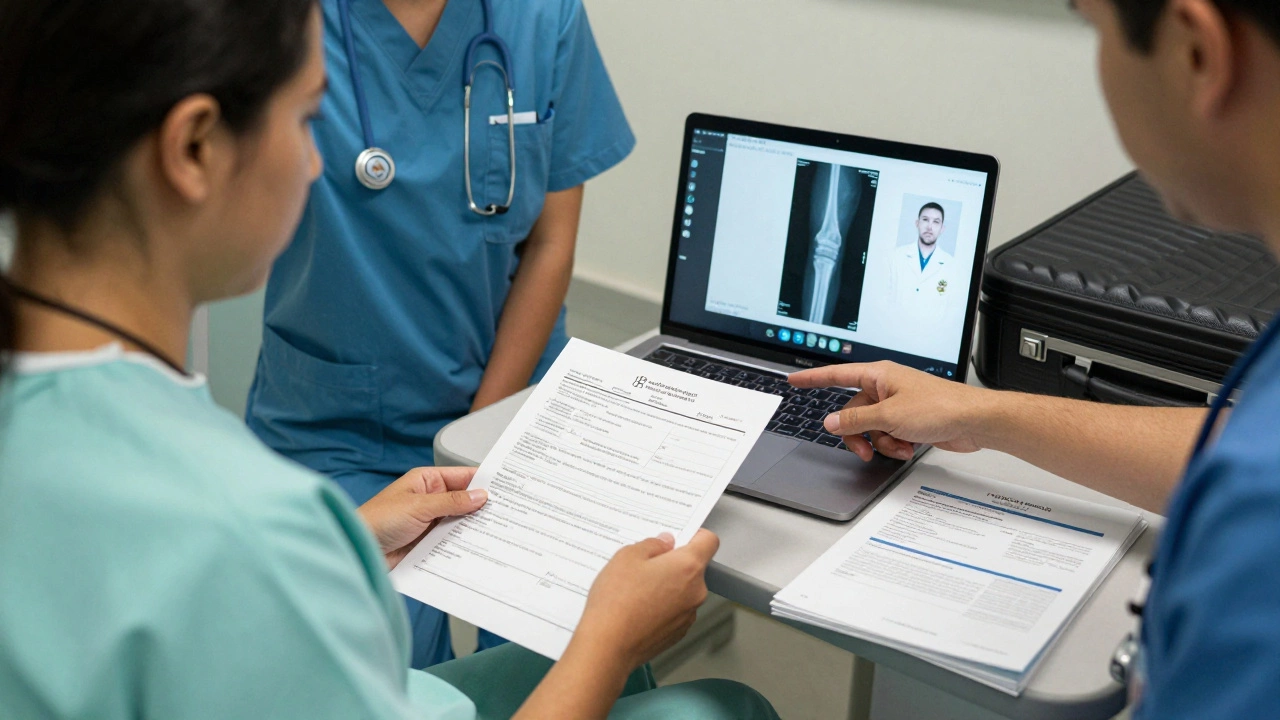
What About Aftercare? You’re Not Done When You Land
Going to Mexico for surgery isn’t a one-day trip. Recovery takes weeks. If you come home too soon, you risk complications going unnoticed.
Many patients fly back within 3 to 5 days after surgery. That’s dangerous. For a hip replacement, you need at least 10 to 14 days of supervised rehab. For gastric bypass, you need daily blood checks and dietary guidance for weeks.
Some clinics offer post-op packages: 7-day hotel stays, nursing visits, and telehealth checkups. But don’t assume they’ll handle everything. You need a plan back home too.
- Find a local doctor who can review your medical records before you leave.
- Ask the Mexican hospital to send your surgical report, lab results, and imaging to your U.S. or Canadian doctor.
- Know the signs of infection: fever over 101°F, redness spreading from the incision, swelling, pus, or sudden pain.
- Don’t wait for a follow-up appointment if something feels wrong. Go to the ER.
One woman from Michigan had a gastric sleeve in Monterrey. She returned home after 5 days. Two days later, she vomited blood. Her local ER didn’t have her records. She spent 10 days in the hospital. Her insurance denied the claim because she’d traveled for care. She paid $28,000 out of pocket.
Insurance, Legal Protection, and Hidden Costs
Most U.S. and Canadian insurance plans don’t cover surgery done abroad. That means you’re on your own if something goes wrong.
Some medical tourism agencies sell “complication insurance.” But read the fine print. Many exclude pre-existing conditions, require you to stay in Mexico for 30 days, or only pay for return flights-not hospital bills.
Legal recourse? Nearly impossible. If you’re harmed by negligence in Mexico, suing a local hospital is slow, expensive, and often ineffective. Mexican courts rarely award large damages. And if the surgeon isn’t licensed? You have no one to hold accountable.
Hidden costs add up fast:
- Flights (round-trip for you and a companion)
- Hotel stays before and after surgery
- Medications not included in the package
- Follow-up scans or blood work back home
- Physical therapy or rehab
What looks like a $10,000 deal might end up costing $18,000 when you factor in everything.

Real Stories: What Went Right and What Went Wrong
Carlos, 58, from Phoenix, had a knee replacement in Guadalajara. He chose a JCI-accredited hospital. His surgeon had trained at Johns Hopkins. He stayed 10 days for rehab. He flew home with a detailed care plan. Two years later, his knee is fine. He saved $35,000.
Janet, 47, from Chicago, went to a clinic in Cancún for a breast augmentation. The surgeon didn’t have a license. The implants were unmarked. She developed a rare infection called BIA-ALCL. She needed two more surgeries and $80,000 in treatment. Her insurance refused to pay. She’s still in pain.
The difference? Research. Verification. Planning.
Bottom Line: Is It Safe?
Going to Mexico for surgery can be safe-if you treat it like a medical decision, not a vacation deal. The cheapest option is rarely the safest. The most attractive website isn’t always the most qualified.
Here’s your checklist before booking:
- Confirm the hospital has JCI accreditation.
- Verify the surgeon’s license with the Mexican Medical Council.
- Ask for infection rates and complication statistics.
- Get all records sent to your home doctor before you leave.
- Plan for at least 10-14 days of recovery in Mexico.
- Don’t rely on travel insurance-buy medical evacuation coverage.
- Never go for neurosurgery, cancer treatment, or cardiac procedures.
If you’re considering Mexico for surgery, don’t rush. Talk to your doctor. Ask for referrals. Look at reviews from real patients-not just paid testimonials. The goal isn’t to save money. It’s to come home healthy.
Is it safe to get surgery in Mexico?
Yes, but only if you choose a hospital with JCI accreditation and a licensed surgeon. Many clinics are safe and well-run, especially near the U.S. border. But others lack proper sterilization, licensing, or emergency care. Always verify credentials before booking.
What’s the most common problem people face after surgery in Mexico?
The most common issue is returning home too soon. Many patients fly back in 3 to 5 days, but recovery needs time. Infections, bleeding, or complications can appear days later. Without proper follow-up, these become emergencies. Always plan for at least 10-14 days of recovery in Mexico.
Does insurance cover surgery in Mexico?
Almost never. U.S. and Canadian insurance plans typically don’t pay for procedures done overseas. Some medical tourism agencies sell "complication insurance," but these often have strict limits. You’ll likely pay out of pocket for everything-including follow-up care and emergency treatment back home.
Which surgeries are safest to do in Mexico?
Orthopedic surgeries like knee and hip replacements, bariatric procedures like gastric sleeve, dental implants, and cosmetic surgeries like breast augmentation are generally safe when done in accredited hospitals. Avoid neurosurgery, cardiac procedures, cancer surgeries, and unregulated stem cell treatments.
How do I verify a surgeon’s license in Mexico?
Ask for the surgeon’s official medical license number. Then call the Consejo Mexicano de Medicina (Mexican Medical Council) at +52 55 5263 4800 or visit their website to verify it’s active and in good standing. Never trust a clinic that refuses to provide this information.
What should I do if something goes wrong after I return home?
Go to the nearest emergency room immediately. Bring all your medical records from Mexico-surgical reports, lab results, imaging. Tell the doctor you had surgery abroad. Don’t wait for a follow-up. Complications can escalate quickly. Also, contact your home doctor to coordinate care and document everything for insurance or legal purposes.