
Mental Health Impact & Severity Analyzer
Select Condition
Compare how different disorders affect reality testing, life expectancy, and daily function.
Schizophrenia
High SeverityA chronic brain disorder affecting perception and thought processes.
Primary Risks & Symptoms
Imagine waking up every day feeling like your mind is working against you. For millions of people, this isn't a metaphor-it's their reality. When we ask what is the most damaging mental illness, we aren't looking for a simple ranking. We are trying to understand which conditions cause the deepest disruption to life, relationships, and survival. The answer isn't one-size-fits-all because "damage" can mean different things: early death, inability to work, social isolation, or sheer emotional pain.
While depression is the most common, it is not always the most destructive in terms of long-term disability. Conditions like schizophrenia, severe bipolar disorder, and borderline personality disorder often carry heavier burdens. They affect how you perceive reality, manage emotions, and interact with the world. Understanding these distinctions helps patients, families, and caregivers seek the right help faster.
Redefining "Damage" in Mental Health
To identify the most damaging conditions, we first need to define what damage looks like. In medical terms, doctors use metrics like Disability-Adjusted Life Years (DALYs). This measures years lost due to premature death plus years lived with disability. By this standard, major depressive disorder causes more global disability than any other condition. However, when we look at individual severity-the intensity of symptoms and the difficulty of daily functioning-other disorders take the lead.
Consider two scenarios. Person A has mild anxiety that keeps them from speaking up in meetings. Person B has schizophrenia that makes them hear voices telling them they are in danger. Both suffer, but Person B faces a fundamental break from shared reality. This distinction matters because it changes how we treat the illness and support the patient. Damage isn't just about sadness; it's about function. Can you hold a job? Can you trust your own thoughts? Can you stay safe?
Is depression the most damaging mental illness?
Depression causes the highest number of disability-adjusted life years globally because it is so common. However, in terms of individual severity and functional impairment, conditions like schizophrenia and severe bipolar disorder often cause more profound disruption to daily life and reality testing.
Schizophrenia: The Break from Reality
Schizophrenia is a chronic brain disorder that affects how a person thinks, feels, and behaves. It is often cited as one of the most damaging mental illnesses because it attacks the foundation of human experience: perception. People with schizophrenia may experience hallucinations (hearing or seeing things that aren't there) and delusions (firmly held false beliefs).
The damage here is multifaceted. First, there is the cognitive decline. Many patients struggle with memory, attention, and executive function. This makes holding a job or managing finances nearly impossible without support. Second, there is the social cost. Stigma surrounding schizophrenia is intense. Friends and family often withdraw, leading to profound isolation. Third, there is the physical toll. People with schizophrenia have a life expectancy 15 to 20 years shorter than the general population, largely due to lifestyle factors and co-occurring physical health issues.
Treatment exists, but it is a lifelong commitment. Antipsychotic medications can reduce hallucinations, but they often come with heavy side effects like weight gain, tremors, and sedation. Finding the right balance is a delicate dance. Without consistent care, relapse rates are high. The damage accumulates over time if the condition goes untreated, making early intervention critical.
Bipolar Disorder: The Rollercoaster of Extremes
If schizophrenia breaks reality, Bipolar Disorder is a mood disorder characterized by extreme shifts between mania and depression. The damage here comes from volatility. During manic episodes, individuals may feel invincible. They might spend all their savings, engage in risky sexual behavior, or make impulsive business decisions. These actions can ruin careers, bankrupt families, and destroy reputations in days.
Then comes the crash. The depressive phase of bipolar disorder can be deeper and more dangerous than unipolar depression. Suicide rates among people with bipolar disorder are significantly higher than in the general population. The unpredictability creates a state of constant anxiety for both the patient and their loved ones. You never know which version of your friend or partner will show up tomorrow.
Misdiagnosis is a major issue. Bipolar disorder is often mistaken for depression initially. If treated only with antidepressants, the condition can worsen, triggering more manic episodes. Proper management requires mood stabilizers like lithium or valproate, along with therapy. When managed well, people with bipolar disorder can live full, creative lives. But when left unchecked, the financial and relational damage can be catastrophic.
| Condition | Primary Symptom | Key Risk | Life Expectancy Impact |
|---|---|---|---|
| Schizophrenia | Hallucinations/Delusions | Social isolation, cognitive decline | Reduced by 15-20 years |
| Bipolar Disorder | Mood swings (Mania/Depression) | Financial ruin, suicide risk | Reduced by 10-15 years |
| Borderline Personality Disorder | Emotional instability | Self-harm, relationship chaos | Reduced by ~20 years |
| Major Depression | Persistent sadness | Disability, suicide | Reduced by 7-10 years |
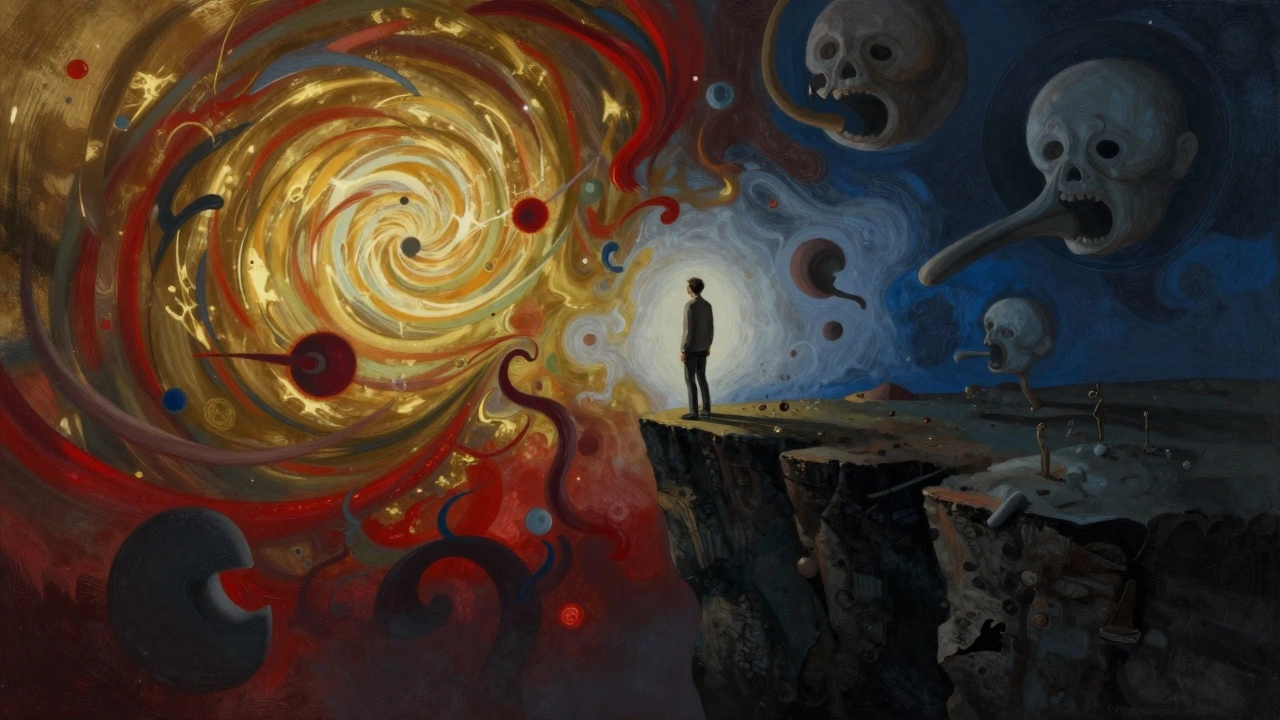
Borderline Personality Disorder: The Pain of Instability
Borderline Personality Disorder (BPD) is a condition marked by unstable moods, behavior, and relationships. Unlike schizophrenia or bipolar disorder, BPD doesn't usually involve psychosis or distinct manic episodes. Instead, the damage is relational and self-inflicted. People with BPD often experience intense fear of abandonment. This leads to frantic efforts to keep others close, followed by pushing them away when they feel rejected.
The emotional pain in BPD is described as burning. Patients often engage in self-harm or suicidal behaviors to cope with this agony. This takes a massive toll on healthcare systems and families. Partners and parents of those with BPD frequently report high levels of stress and burnout. The cycle of idealization and devaluation means no relationship feels stable. One day you are the best thing that ever happened to them; the next, you are their worst enemy.
Historically, BPD was considered hard to treat. Today, therapies like Dialectical Behavior Therapy (DBT) have shown remarkable success. DBT teaches skills for emotion regulation, distress tolerance, and interpersonal effectiveness. With proper therapy, many people with BPD see significant improvement. The key is persistence. The damage stops when the patient learns to regulate their internal world.
Why Early Intervention Changes Everything
The "most damaging" label often sticks because treatment starts too late. Brain plasticity-the ability of the brain to change and adapt-is highest in youth. Untreated mental illness during adolescence can alter brain development. This makes recovery harder later in life. For example, the first episode of psychosis in schizophrenia typically occurs in late teens or early twenties. Every month of untreated psychosis reduces the chance of full recovery.
In India, access to mental health care remains uneven. Urban centers like Bangalore have specialized clinics, but rural areas lack resources. Cultural stigma also plays a role. Families may hide a member's illness out of shame, delaying diagnosis. Education is the first line of defense. Recognizing early signs-withdrawal, drop in grades, irritability-can save years of suffering.
Screening tools are becoming more accessible. Apps and online quizzes can flag potential issues, though they are not diagnostic. Primary care doctors should routinely check for mental health symptoms. Integrating mental and physical health care ensures that patients get holistic support. When we catch these conditions early, we prevent the cumulative damage that defines severe mental illness.

The Role of Support Systems
No one fights these battles alone. Family education is crucial. Understanding that schizophrenia is a biological disorder, not a character flaw, reduces blame and increases empathy. Support groups for caregivers provide a space to share strategies and vent frustrations. Financial planning is also important. Severe mental illness can lead to loss of income. Disability benefits and legal protections vary by region, so knowing your rights is essential.
Community integration helps reduce isolation. Supported employment programs help people with mental illness find jobs that match their abilities. Peer support specialists-people who have recovered themselves-offer hope and practical advice. They know the system inside out. Their guidance can navigate bureaucratic hurdles and encourage adherence to treatment.
Can the most damaging mental illnesses be cured?
Most severe mental illnesses are chronic conditions rather than acute diseases, meaning they are managed rather than cured. However, with medication, therapy, and support, many individuals achieve remission and lead fulfilling, productive lives. Recovery is defined by quality of life, not just symptom absence.
How does stigma contribute to the damage of mental illness?
Stigma delays treatment, isolates patients, and discourages disclosure. Fear of judgment prevents people from seeking help until crises occur. It also affects hiring practices and housing opportunities, exacerbating socioeconomic disadvantages associated with severe mental disorders.
What are the economic costs of severe mental illness?
Severe mental illness results in billions in lost productivity annually due to unemployment and reduced work capacity. Healthcare costs are also high due to frequent hospitalizations and comorbid physical conditions. Investing in early intervention yields significant economic returns by keeping individuals in the workforce.
Is there a genetic link to the most damaging mental illnesses?
Yes, genetics play a strong role. Schizophrenia and bipolar disorder have high heritability estimates. Having a first-degree relative with these conditions increases risk. However, genes are not destiny. Environmental factors like trauma, substance use, and stress also trigger onset. Epigenetics shows how environment interacts with DNA expression.
How can I help a loved one with a severe mental illness?
Educate yourself about their specific condition. Listen without judgment. Encourage professional help gently. Attend therapy sessions if invited. Set healthy boundaries to protect your own well-being. Join caregiver support groups. Remember that you cannot force someone to get help, but you can create a supportive environment that makes it easier for them to choose recovery.
Looking Ahead: Hope in Science
Research into neurobiology is advancing rapidly. New antipsychotics with fewer side effects are in development. Brain stimulation techniques like Transcranial Magnetic Stimulation (TMS) offer non-invasive options for treatment-resistant cases. Digital therapeutics, including AI-driven chatbots and VR exposure therapy, are expanding access to care. These innovations promise to reduce the burden of severe mental illness.
The narrative around mental health is shifting. We are moving from viewing these conditions as failures to seeing them as complex health challenges. This shift fosters compassion and drives investment. Governments and private sectors are recognizing that mental health is economic health. Policies supporting paid mental health leave and workplace accommodations are emerging.
For patients and families, the message is clear: damage is not inevitable. With the right combination of medication, therapy, and community support, even the most severe mental illnesses can be managed. The journey is hard, but it is navigable. Knowledge is power. Understanding what makes a condition "damaging" allows us to target interventions effectively. Let's replace fear with facts and isolation with connection.