Support Action Planner
Vague offers like "Let me know if you need anything" often go unaccepted because patients are too tired to manage requests. Select the areas where a patient might be struggling to generate a list of specific, actionable tasks you can offer today.
Emotional Support
Validation, listening, and presence without trying to "fix" feelings.
Practical Logistics
Transportation, household chores, and errands that drain energy.
Physical Comfort
Nutrition, symptom tracking, and managing side effects.
Financial & Admin
Insurance paperwork, bill organization, and reducing cognitive load.
Your Action Plan
When someone is diagnosed with cancer, the first thing that comes to mind is usually the medicine. We think about chemotherapy, radiation, surgery, and the latest immunotherapies. And while medical treatment is undeniably the backbone of survival, it is rarely the only thing keeping a patient going. In fact, if you ask oncologists, nurses, and survivors what makes the biggest difference in quality of life, the answer often shifts away from the hospital room entirely.
The reality is that cancer is not just a physical disease; it is a life event that disrupts everything. It affects your job, your relationships, your mental state, and your daily routine. So, what do cancer patients need most? The short answer is a village. They need a structured, compassionate, and practical support system that addresses their emotional, physical, and logistical needs simultaneously.
The Emotional Anchor: Validation Over Positivity
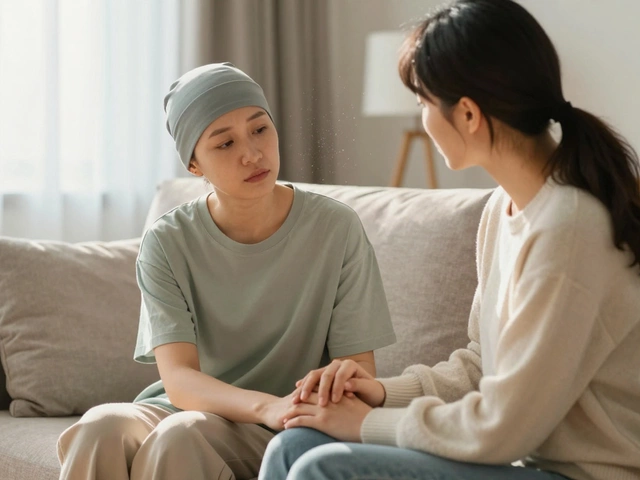
We have all heard the phrase "stay positive." It is well-meaning, but for many patients, it feels dismissive. Telling someone to smile when they are nauseous, exhausted, or terrified can create a sense of isolation. What patients need most emotionally is validation. They need people who will sit with them in the dark without trying to fix it immediately.
Emotional Support is the act of providing comfort, empathy, and understanding to help a patient cope with the psychological impact of their diagnosis. This looks less like giving advice and more like active listening.
- Avoid toxic positivity: Instead of saying "Everything happens for a reason," try "I am here with you, whatever you need."
- Normalize fear: Let them know it is okay to be scared, angry, or sad. These are normal reactions to an abnormal situation.
- Professional help: Many patients benefit from speaking with an oncology social worker or therapist who specializes in chronic illness. This is not a sign of weakness; it is a tool for resilience.
Loneliness is a silent killer in cancer care. Even surrounded by family, patients can feel alone because few people truly understand the journey. Building a connection where they feel heard-without judgment-is crucial.
Practical Help: The Logistics of Survival
If emotional support is the heart of care, practical help is the hands and feet. A patient undergoing chemotherapy may have the desire to cook dinner, but their body might be too weak. They might want to work, but brain fog (often called "chemo brain") makes focusing difficult. This is where specific, actionable assistance becomes vital.
Vague offers like "Let me know if you need anything" rarely result in action. Patients are often too tired to manage requests. Instead, offer specific tasks.
| Category | Actionable Task | Why It Matters |
|---|---|---|
| Nutrition | Drop off freezer meals or use a meal train app | Patient energy is low; cooking is exhausting. |
| Transportation | Drive them to appointments or pick up prescriptions | Chemotherapy can cause dizziness or nausea; driving may be unsafe. |
| Household | Mow the lawn, walk the dog, or do laundry | Frees up time for rest and recovery. |
| Financial/Admin | Help organize medical bills or insurance paperwork | Cognitive load is high; administrative stress adds anxiety. |
In cities like Bangalore, where traffic can be intense, having a reliable ride to the oncology center is not just a convenience-it is a necessity. For those living further away, coordinating via digital platforms can ensure no one is left stranded between treatments.

Physical Comfort and Symptom Management
While doctors fight the tumor, the patient fights the side effects. Nausea, fatigue, pain, and neuropathy are common companions during treatment. What patients need here is proactive symptom management, not just reactive pain relief.
Palliative Care is specialized medical care focused on providing relief from the symptoms and stress of a serious illness. It is important to note that palliative care is not just for end-of-life situations. It can be provided alongside curative treatment.
Patients need to advocate for themselves regarding these symptoms. If the nausea medication isn't working, they need to say so. If the pain is affecting their sleep, they need to report it. Here is how supporters can help:
- Track symptoms: Keep a simple log of side effects, diet, and mood. This data is gold for oncologists.
- Gentle movement: Encourage short walks if approved by the doctor. Movement can reduce fatigue and improve circulation.
- Nutritional adjustments: Work with a dietitian to find foods that stay down and provide energy. Small, frequent meals are often better than three large ones.
Comfort also means respecting the patient's changing body image. Hair loss, weight changes, and scars can be deeply distressing. Offering wigs, scarves, or simply complimenting their strength rather than their appearance can make a huge difference.
The Often-Overlooked Role of Caregivers
You cannot support a patient if you are burning out yourself. Caregiver burnout is real and dangerous. When the person providing care collapses from exhaustion, the entire support structure crumbles. Therefore, caring for the caregiver is indirectly caring for the patient.
Caregivers need respite. They need someone to step in for a few hours so they can shower, sleep, or just breathe. They need permission to step back without guilt. In Indian households, caregiving often falls disproportionately on women, which can lead to significant financial and emotional strain. Recognizing this dynamic and redistributing tasks among family members or hiring professional help is essential.
Signs of caregiver burnout include irritability, insomnia, and feeling detached. If you see these signs in yourself or a loved one, seek help immediately. There are support groups specifically for caregivers that can provide strategies and community.

Financial and Administrative Stability
Cancer is expensive. Even with insurance, out-of-pocket costs for medications, travel, and specialized care can add up quickly. Financial stress is a major source of anxiety for patients and families. What they need is clarity and assistance navigating the healthcare system.
In India, schemes like Ayushman Bharat can provide coverage, but understanding the eligibility and process requires time and energy that patients often lack. Family members or designated helpers should take charge of:
- Understanding insurance policies and claim processes.
- Exploring government aid or NGO support available for cancer patients.
- Budgeting for non-medical expenses like nutrition and transportation.
Transparency about finances is also key. Hiding costs can create tension. Open conversations about budget constraints allow the team to make informed decisions about treatment options and lifestyle adjustments.
Maintaining Identity Beyond the Diagnosis
Finally, cancer patients need to remember who they are outside of being a "patient." They are parents, professionals, artists, friends, and individuals with hobbies and passions. When every conversation revolves around blood counts and scan results, identity erosion occurs.
Encourage them to engage in activities they enjoy, even if modified. If they love reading, read to them. If they love music, play their favorite songs. Talk about news, movies, or memories unrelated to cancer. This helps maintain a sense of normalcy and hope.
Hope does not always mean believing in a cure. Sometimes, hope means looking forward to a good day, a nice meal, or a moment of laughter. Preserving joy is a radical act of resistance against the disease.
How can I help a cancer patient without being intrusive?
Offer specific help rather than general offers. Instead of saying "Call me if you need anything," say "I am bringing dinner on Tuesday at 6 PM. Does that work?" Respect their boundaries; if they decline, accept it gracefully and try again later. Check in regularly with simple messages that don't require a response.
Is it okay to talk about death with a cancer patient?
It depends on the patient. Some patients want to discuss end-of-life wishes openly, while others prefer to avoid the topic. Follow their lead. You can open the door by asking, "Do you ever want to talk about what worries you most?" If they change the subject, respect that. Never force a conversation about mortality.
What should I avoid saying to a cancer patient?
Avoid phrases that minimize their experience, such as "At least it's not worse," or "You look great!" Avoid offering unsolicited medical advice or alternative cures unless they ask. Do not share scary stories of other patients' outcomes. Focus on empathy and presence rather than fixing or comparing.
How long does the need for support last after treatment ends?
Support needs often continue long after treatment ends. This period, known as survivorship, brings its own challenges like fatigue, anxiety about recurrence, and reintegration into society. Maintain contact and check in regularly. The transition back to "normal" life can be jarring and lonely.
Can financial stress affect cancer treatment outcomes?
Yes, financial toxicity is a recognized issue in oncology. High stress levels can weaken the immune system and reduce adherence to treatment plans due to cost concerns. Addressing financial burdens through counseling, aid programs, and family support can indirectly improve health outcomes by reducing overall stress.