Weight Loss Medication: What Works, What Doesn’t, and What You Need to Know
When you hear weight loss medication, prescription drugs designed to help reduce body fat by affecting appetite, metabolism, or fat absorption. Also known as anti-obesity drugs, these aren’t quick fixes—they’re tools meant for people with medical needs, not just wanting to look better. Most people think these pills are like magic bullets, but the truth is simpler: they work best when paired with real lifestyle changes. And not all of them work for everyone.
The most talked-about ones today are GLP-1 agonists, a class of drugs originally developed for type 2 diabetes that also reduce hunger and slow stomach emptying. Also known as semaglutide-based treatments, these include drugs like Ozempic and Wegovy. They’re not new, but their popularity exploded because they deliver real results—people lose 15% to 20% of their body weight on average. But they come with side effects: nausea, vomiting, and in rare cases, pancreatitis. They’re also expensive, and insurance in India rarely covers them unless you have a BMI over 30 with other health issues like diabetes or high blood pressure.
Other weight loss meds exist too—like Orlistat, which blocks fat absorption, or Phentermine, an appetite suppressant. But these have their own limits. Orlistat can cause oily stools and embarrassing bathroom trips. Phentermine is only approved for short-term use because of heart risks. And none of them fix the root cause: poor diet, lack of movement, or stress-driven eating. That’s why clinics that offer these drugs also push nutrition counseling and activity tracking. Without those, the weight comes back.
There’s a big gap between what ads promise and what science shows. You won’t find a pill that lets you eat pizza and lose weight. What you will find are medications that make it easier to stick to a plan you already know works—eat less, move more, sleep better. The real question isn’t whether the drug works—it’s whether you’re ready to change your habits long enough for it to matter.
And here’s something most clinics won’t tell you: weight loss meds aren’t for everyone. If you’re not overweight by medical standards, if you don’t have insulin resistance or sleep apnea, if you’re just trying to lose a few pounds for a wedding—these drugs aren’t worth the risk. They’re meant for chronic obesity, not cosmetic tweaks. The FDA and Indian medical boards treat them like controlled substances for a reason.
What you’ll find in the articles below are real stories and data from people who’ve tried these drugs, doctors who prescribe them, and clinics that track outcomes. You’ll learn why Ozempic is so popular, what the side effects actually look like in daily life, and which alternatives might be safer or cheaper. There’s no sugarcoating here—just facts, risks, and what really happens when you start taking one of these pills.
21
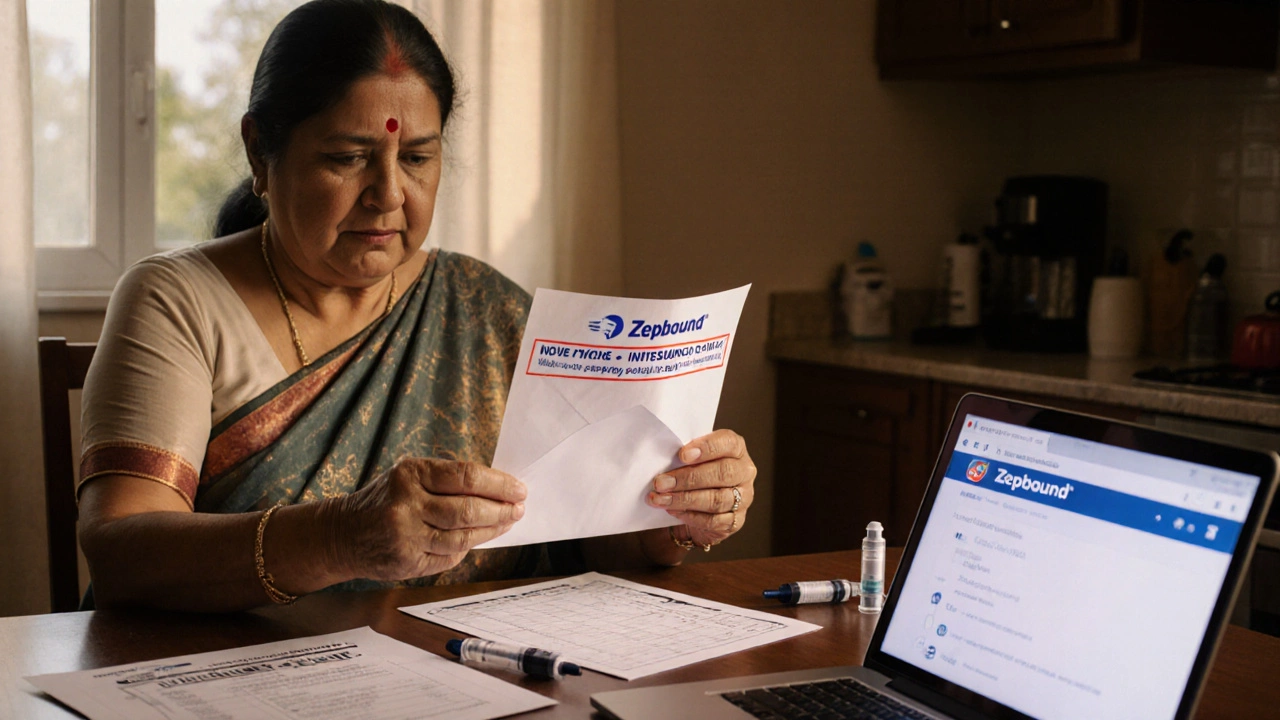
OctoberWhy Won’t Insurance Cover Zepbound? Understanding Denials and How to Get Approved
Learn why insurance often denies Zepbound, the top reasons for rejection, and step‑by‑step tactics to win approval and lower costs.
Recent posts
-
 19 Dec 2025
Which Celebrities Have Undergone IVF Treatment?
-
 8 Oct 2025
Top Destinations Where Americans Seek Medical Treatment Abroad
-
 13 Feb 2025
Do They Break Your Ribs for Open Heart Surgery?
-
 11 May 2025
Amazon Pharmacy: Is It a Real, Legit Service?
-
 28 Oct 2025
Can You Have Oral Sex After Heart Surgery? What Doctors Really Say