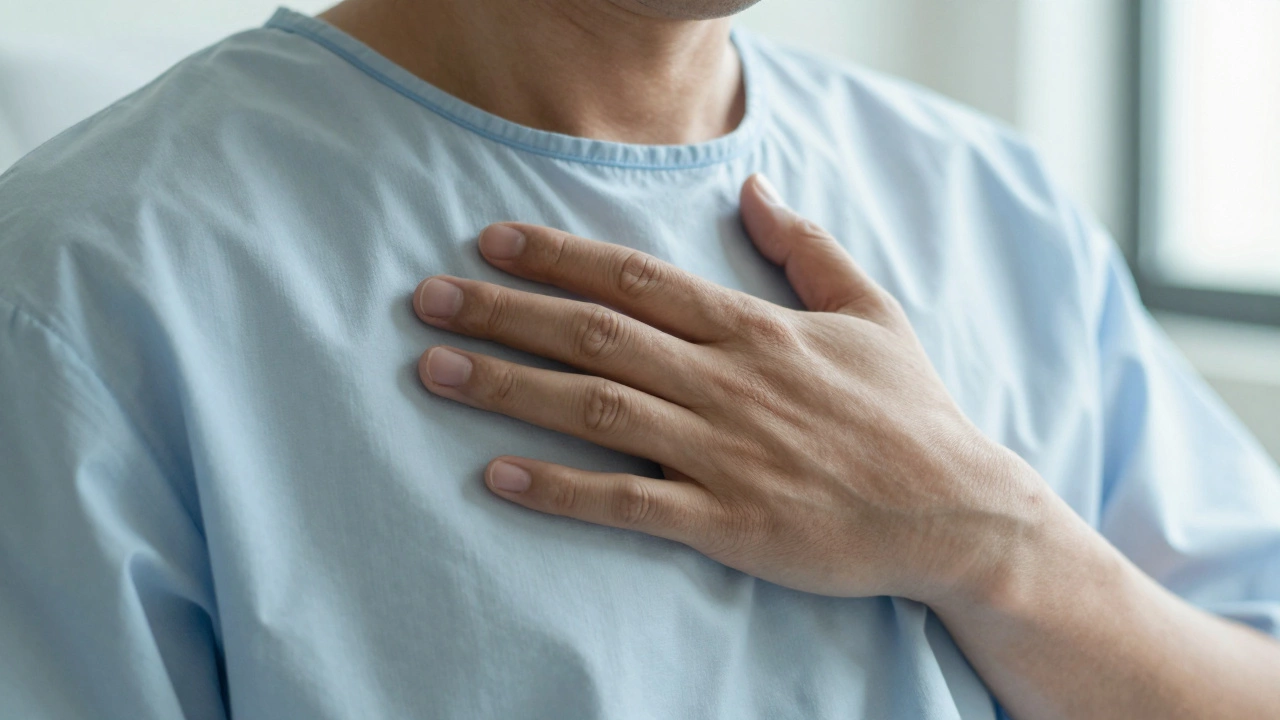
Cardiac Recovery Journey Tracker
Select your current recovery stage to see what to expect and how to manage your healing process.
Welcome to Your Recovery Guide
Click on a timeframe above to explore the physical and mental milestones of healing after open-heart surgery.
Key Takeaways:
- Physical recovery takes months, but most people regain full independence.
- Emotional shifts, including anxiety and "pump head," are common and temporary.
- Cardiac rehab is the single most effective tool for speeding up the return to normalcy.
- Lifestyle changes aren't just rules; they are the fuel for your new heart.
The Physical Reality of Healing
When you undergo Open-Heart Surgery is a complex surgical procedure where the chest is opened to allow direct access to the heart for repairs or bypasses., your body goes through a massive trauma. You aren't just healing a heart valve or an artery; you're healing a sliced sternum and several layers of muscle. For the first few weeks, you'll likely feel exhausted. This isn't just typical tiredness; it's a deep, cellular fatigue because your body is diverting every single calorie to knitting your bones and tissues back together.
One of the biggest surprises for patients is the "sternal click" or a feeling of instability in the chest. Because the Sternum is the flat bone in the center of the chest that protects the heart and lungs was cut and wired back together, it takes about 6 to 12 weeks to fully fuse. During this time, you'll be told not to lift anything heavier than a milk jug. It feels restrictive, but it's the only way to ensure the bone heals straight and strong.
You might also notice a change in how you breathe. In the early days, breaths feel shallow. This happens because the anesthesia and the surgery itself cause the small air sacs in your lungs to collapse slightly. This is why nurses insist on those annoying plastic breathing devices-they are literally inflating your lungs back to full capacity so you don't end up with pneumonia.
The Mental Fog and Emotional Rollercoaster
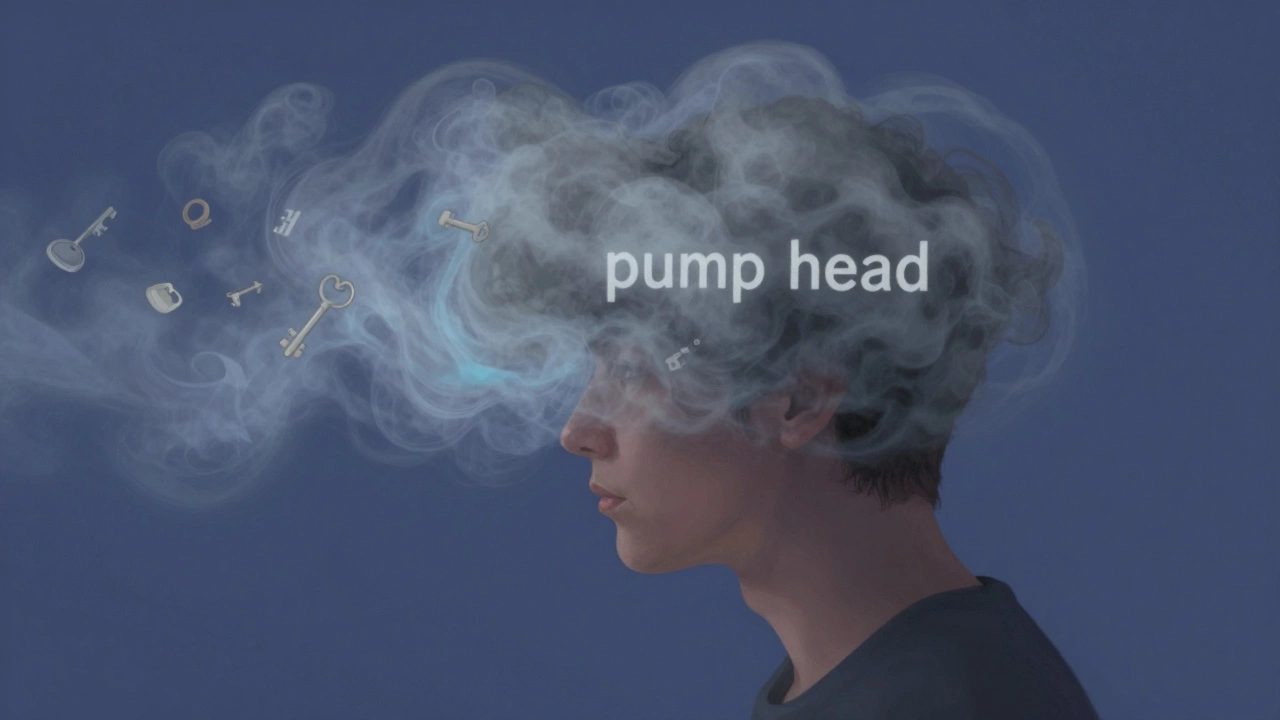
Many people expect the physical pain but are blindsided by the mental shift. You might experience what patients and doctors call "pump head." This is a bit of a colloquial term for the cognitive cloudiness that follows the use of a Heart-Lung Machine is a device that takes over the function of the heart and lungs during surgery, circulating oxygenated blood to the body. You might forget where you put your keys, struggle to find the right word in a sentence, or feel like your brain is moving through molasses.
Is this permanent? For the vast majority, no. It's usually a result of inflammation and the temporary change in blood flow to the brain during the operation. Most people find their mental clarity returns within three to six months. However, the emotional toll is different. It is incredibly common to feel a wave of depression or anxiety a few weeks after getting home. Why? Because the adrenaline of the "survival mode" wears off, and the reality of the surgery sinks in. You might find yourself crying over a commercial or feeling a sudden sense of dread about the future. This isn't a sign of weakness; it's a biological response to a major life event.
Getting Your Strength Back with Cardiac Rehab
If you want to know if you'll be the same, the answer depends largely on your commitment to Cardiac Rehabilitation is a supervised program including exercise training, education, and counseling to improve cardiovascular health after a heart event. This is where the transition from "patient" back to "person" actually happens. Rehab isn't just about walking on a treadmill; it's a controlled environment where professionals monitor your heart rate and blood pressure while you push your limits.
The magic of rehab is that it removes the fear. Many people are terrified that if they walk too fast, their heart will stop or their incision will pop open. In a clinic, you learn the difference between "good pain" (muscles working) and "bad pain" (surgical warning signs). By the time you finish a standard 12-week program, you usually have more stamina than you did before the surgery, simply because you're now exercising with a heart that actually gets the oxygen it needs.
| Timeline | Physical Feeling | Mental State | Key Goal |
|---|---|---|---|
| Weeks 1-2 | Sore chest, extreme fatigue | Confusion, relief, anxiety | Pain management & walking |
| Weeks 3-6 | Soreness fades, energy fluctuates | Mood swings, "pump head" | Starting light activity |
| Months 2-4 | Strength returning, sleep improves | Gradual return of mental clarity | Cardiac Rehab completion |
| 6 Months+ | Better endurance than pre-surgery | Emotional stability, new normal | Maintaining lifestyle changes |
The "New Normal": What Changes Forever
While you will feel "normal," some things do change permanently. You'll have a scar, and for some, there's a permanent change in sensation-perhaps a numbness around the incision area. This is just because small nerves were cut and may not grow back perfectly. It doesn't affect how you function, but it's a physical reminder of what happened.
More importantly, your relationship with your body changes. You become hyper-aware of every flutter or skip in your heartbeat. This is normal. Over time, you'll learn to distinguish between a harmless palpitation and something that needs a doctor's call. You'll also likely be on a new regimen of medications. Whether it's Beta-Blockers is medications that reduce blood pressure and slow the heart rate to reduce the heart's workload or statins, these aren't just "pills"; they are the maintenance crew for your new plumbing. They keep the new grafts open and prevent the heart from overworking.
The most positive change is often the "lifting of the veil." Many people don't realize how exhausted they were *before* surgery because they thought shortness of breath was just "getting old." Once the blood flow is restored through a Coronary Artery Bypass Graft (CABG) is a procedure that diverts blood around normally clogged main arteries to actually improve blood flow, the chronic fatigue often vanishes. You might find you have more energy to play with grandkids or go for walks than you've had in a decade.
Pitfalls to Avoid During Recovery
The road back isn't always a straight line. One of the biggest mistakes patients make is the "over-achievement trap." Around week four, you might wake up feeling great and decide to clean out the garage or carry a heavy laundry basket. This is exactly when the sternum is most vulnerable. A "pop" in the chest is a terrifying sound and can set your recovery back by weeks. Patience is a medical requirement here.
Another trap is the isolation cycle. Because you can't do your old chores or hobbies, you might stop seeing friends or avoid social gatherings. This feeds the post-surgery depression. Even if you can only sit in a chair and talk for an hour, the social connection is vital for your brain to recover from the trauma of the operation.
Lastly, don't ignore the skin. The incision needs to be kept clean and dry, but it also needs to be watched for signs of infection. If you see increasing redness or feel a fever, don't "wait and see." A small infection caught early is a quick fix; a deep sternal infection is a major complication. When in doubt, call your surgical team.

Living with the Aftermath
Eventually, the surgery becomes a footnote in your life rather than the main story. You'll stop thinking about your heart every minute, and you'll start trusting your body again. The transition from "surviving" to "thriving" happens when you stop comparing yourself to who you were *before* the surgery and start focusing on who you are *now*.
You are now a person with a heart that has been repaired, a body that has proven its resilience, and a second chance at health. That version of you isn't "the same" as the old version-they're stronger, more aware, and hopefully, more appreciative of the simple act of taking a deep breath.
How long does it take for the chest bone to heal completely?
The sternum typically takes about 6 to 12 weeks to fuse back together. While you will feel better long before then, you must follow lifting restrictions (usually nothing over 5-10 pounds) for the full period to avoid complications like sternal dehiscence.
Will my sex drive or intimacy return to normal?
Yes, for most people, it does. However, it may take time due to fatigue and the physical restriction of the chest incision. Most doctors clear patients for intimacy once they can climb a flight of stairs without extreme shortness of breath, usually around 6-8 weeks.
Is the "brain fog" after surgery permanent?
In the vast majority of cases, "pump head" or postoperative cognitive dysfunction is temporary. It usually resolves as inflammation decreases and the brain adjusts to the new blood flow levels, typically within a few months.
Can I ever go back to high-impact sports?
Many people return to active lifestyles, including hiking, swimming, and cycling. However, contact sports that risk a blow to the chest are usually discouraged until the bone is fully healed and cleared by a cardiologist. Always consult your specific surgeon for clearance.
Why do I feel more depressed now than I did right after surgery?
This is a common phenomenon. Immediately after surgery, you are in "survival mode" with high adrenaline. Once you return home and the routine sets in, the emotional weight of the experience hits. Post-pericardiotomy syndrome or general postoperative depression is common and often treatable with therapy or short-term medication.
Next Steps for Your Recovery
Depending on where you are in your journey, your focus should shift. If you are in the first month, your priority is wound care and gentle walking. If you are in months two through four, your priority is Cardiac Rehabilitation and medication adherence. If you are beyond six months, your focus should be on long-term wellness-optimizing your diet, managing stress, and staying active to protect your new grafts.
If you find that your mood isn't improving or the brain fog persists beyond six months, don't suffer in silence. Reach out to a therapist who specializes in medical trauma or a neurologist. Recovery is a holistic process; your heart is fixed, but your mind and spirit need time to heal too.