Dental Procedure Pain Calculator
Assess Your Procedure Pain Experience
Get personalized estimates for pain intensity, recovery time, and complication risks based on your specific situation.
Everyone fears the dentist chair, but the real panic starts when you have to choose between losing a tooth or replacing it. You are likely sitting there wondering if pulling the tooth out will be a quick nightmare or if putting in a screw will be a longer, more painful ordeal. The truth is not a simple yes or no. Both procedures involve cutting into your gum tissue and manipulating bone, which naturally triggers inflammation and pain signals. However, the type of pain, the duration, and the recovery experience differ significantly between the two. Understanding these differences helps you prepare mentally and physically for what comes next.
When people ask about pain levels, they are usually worried about the immediate aftermath. Will you be in agony for days? Will you need strong prescription pills? The answer depends heavily on the complexity of the case. A simple extraction of a loose tooth is very different from a surgical extraction of an impacted wisdom tooth. Similarly, placing a single implant is not the same as doing a full arch reconstruction with bone grafting. We need to break down the specifics of each procedure to see where the real discomfort lies.
Understanding Pain During Tooth Extraction
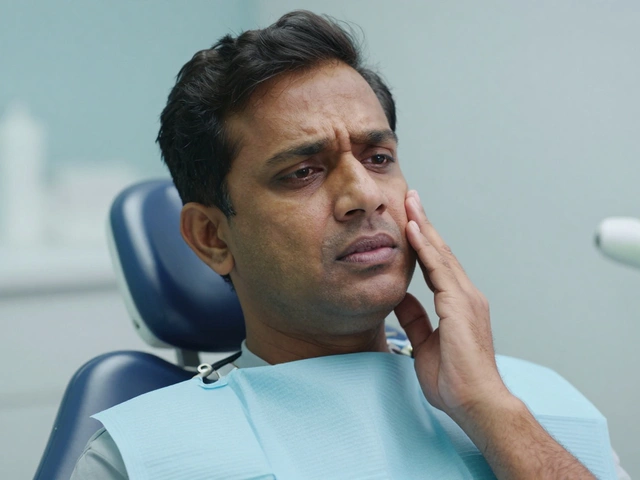
Tooth Extraction is the surgical removal of a tooth from the alveolar bone. The pain profile here is usually sharp and immediate, fading relatively quickly once the anesthesia wears off. During the procedure, you feel pressure, but you should not feel pain if the local anesthetic is working correctly. The moment the numbness leaves your mouth, typically two to four hours later, the real sensation begins.
For a simple extraction, the pain is often manageable with over-the-counter pain relievers like ibuprofen. The socket needs to fill with a blood clot to start healing. If that clot dislodges, you risk a condition called Dry Socketa painful condition where the bone is exposed due to a lost blood clot. This is the most common source of severe pain after an extraction. It can happen three to five days after the procedure and feels like a deep, throbbing ache that radiates to your ear. This specific complication is why many patients report extraction as more painful in the short term.
Surgical extractions, which involve cutting the gum or removing bone, increase the pain level significantly. If you have an impacted wisdom tooth, the surgeon might need to section the tooth into pieces. This trauma to the surrounding tissue means more swelling and a longer recovery period. You might experience difficulty opening your mouth (trismus) for a few days. The pain peaks around the second or third day as the inflammation reaches its maximum before starting to subside.
The Dental Implant Pain Experience
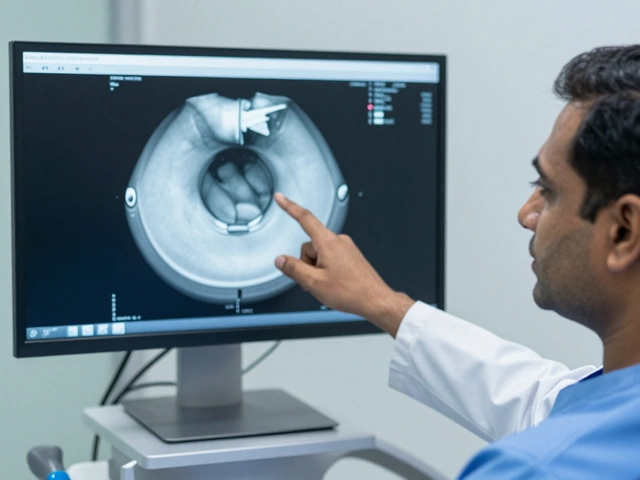
Dental Implant is a titanium post surgically placed into the jawbone to support a replacement tooth. The surgery involves drilling into the bone, which sounds scarier than pulling a tooth, but the actual sensation of pain is often reported as less severe than a difficult extraction. The bone itself does not have nerve endings, so the drilling does not hurt during the procedure. The pain comes from the soft tissue incision and the pressure on the surrounding bone.
Most patients describe implant pain as a dull ache rather than a sharp stab. Because the implant is designed to integrate with the bone, the body treats it as a foreign object initially, causing inflammation. However, this inflammation is usually controlled better than in extraction cases. You are less likely to experience the severe throbbing associated with dry socket because there is no open socket left to get infected in the same way. Instead, you have a small wound where the implant post enters the gum.
The recovery timeline is the main differentiator here. While the acute pain might be lower, the healing process is much longer. You need to wait for Osseointegrationthe biological process where bone fuses with the implant surface to occur. This can take three to six months. During this time, you might feel occasional sensitivity or mild discomfort when chewing, even after the initial surgery pain is gone. If bone grafting is required, the pain increases because more tissue is manipulated, and the graft site can be tender for weeks.

Comparing Recovery Phases and Intensity
To make a clear decision, you need to look at the timeline side by side. Extraction pain is front-loaded. You feel the worst of it in the first 48 to 72 hours, and then it improves rapidly. Implant pain is more spread out. The first few days are uncomfortable, but you might have lingering soreness for a week or two as the gum heals around the abutment. The intensity of the pain on a scale of one to ten is often higher for a surgical extraction than for a standard implant placement.
| Factor | Tooth Extraction | Dental Implant |
|---|---|---|
| Peak Pain Intensity | High (7-8/10 for surgical) | Moderate (4-6/10) |
| Duration of Acute Pain | 3 to 5 days | 5 to 7 days |
| Risk of Severe Complications | Dry Socket (2-5%) | Implant Failure (Low) |
| Swelling Level | Moderate to High | Mild to Moderate |
| Return to Normal Diet | 3 to 7 days | 1 to 2 weeks |
This table highlights that while extraction pain might feel sharper, it resolves faster. Implant pain is milder but requires patience during the integration phase. The swelling after an extraction can be quite significant, especially if multiple teeth are removed. For implants, the swelling is usually localized to the specific site and less visible to others. This cosmetic factor matters to some patients who need to return to work quickly.
Factors That Influence Your Pain Levels
Your personal pain tolerance plays a huge role, but medical factors matter more. The type of Anesthesiamedication used to numb the area during surgery determines how much you feel during the procedure. Modern dentists often use a combination of local anesthesia and oral sedation to keep you relaxed. If you are anxious, your muscles tense up, which can make the recovery feel worse. Stress releases cortisol, which can actually increase inflammation and prolong healing.
Another critical factor is the location of the tooth. Molars have deeper roots and denser bone compared to front teeth. Removing a molar is almost always more painful than removing an incisor. Similarly, placing an implant in the upper jaw is generally less painful than in the lower jaw because the bone in the lower jaw is denser and harder to drill through. If you have an infection present at the time of extraction, the pain will be higher because the tissue is already inflamed.
Age and overall health also dictate the healing speed. Older patients or those with diabetes may experience slower healing and more discomfort. Smoking is a major risk factor for both procedures. It restricts blood flow, which is essential for healing. Smokers are at a much higher risk of dry socket after extraction and implant failure after surgery. If you smoke, the pain is likely to be more intense and last longer regardless of which procedure you choose.

Effective Pain Management Strategies
Managing the pain starts before you even leave the clinic. Your dentist will likely prescribe a regimen of medications. For extractions, they often recommend alternating ibuprofen and acetaminophen. This combination is more effective than opioids for dental pain and has fewer side effects. For implants, the same approach works, but you might need a short course of antibiotics to prevent infection at the surgical site. Do not wait until the pain becomes unbearable to take your medication. Keep a schedule and take them before the anesthesia fully wears off.
Cold compresses are your best friend for the first 24 hours. Apply ice to the outside of your cheek for 15 minutes on and 15 minutes off. This reduces blood flow to the area, minimizing swelling and numbing the tissue. After 48 hours, switch to warm compresses to increase circulation and help the body clear out inflammatory fluids. Diet also plays a role. Stick to soft foods like yogurt, mashed potatoes, and smoothies. Avoid using a straw for the first week, as the suction can dislodge the blood clot in an extraction site.
Oral hygiene is tricky but necessary. You should not brush the surgical site directly for the first few days. Instead, gently rinse with a saltwater solution to keep the area clean. This prevents food particles from getting trapped, which can cause infection and increased pain. If you feel a sudden spike in pain after the third day, contact your dentist immediately. It could be a sign of infection or dry socket that needs professional treatment.
Cost vs. Pain Consideration
While pain is a primary concern, you must weigh it against the long-term value. An extraction is cheaper upfront, but it leaves you with a gap. This can cause neighboring teeth to shift, leading to bite problems and more pain later. An implant costs significantly more, but it restores function and prevents bone loss. The initial pain of the implant surgery is an investment in your long-term oral health. If you choose extraction and do not replace the tooth, you might face more complex and painful procedures down the road to fix the shifting teeth.
Many patients worry that the implant surgery is too much hassle compared to just pulling the tooth. However, with modern techniques, the implant procedure is often more predictable. The risk of complications like dry socket is lower with implants. When you factor in the longevity of the solution, the temporary discomfort of the implant surgery is often viewed as more manageable. You are trading a short-term sharp pain for a long-term stable solution.
Does a tooth extraction hurt more than an implant?
Generally, a surgical tooth extraction causes more immediate and intense pain than a dental implant placement. Implant pain is often described as a dull ache, while extraction pain can be sharp and throbbing, especially if dry socket develops.
How long does the pain last after a dental implant?
The acute pain typically lasts for 3 to 5 days. However, mild soreness or sensitivity can persist for up to two weeks as the gum tissue heals around the implant post.
What is the worst pain after tooth extraction?
The worst pain usually comes from a dry socket, where the blood clot dislodges and exposes the bone. This causes severe, radiating pain that peaks 3 to 5 days after the procedure.
Can I take painkillers before the procedure?
You should consult your dentist first. Some patients are advised to take an anti-inflammatory medication before the anesthesia wears off to stay ahead of the pain, but this depends on your medical history.
Is bone grafting more painful than the implant itself?
Yes, bone grafting involves harvesting or placing bone material, which increases tissue trauma. This usually results in more swelling and discomfort compared to a standard implant placement without grafting.