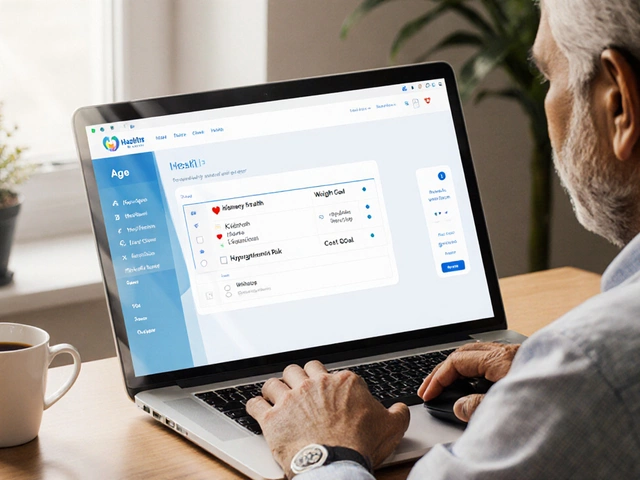
Universal Healthcare Comparison Tool
Select a Country
No selectionCoverage Scope
Typical Gaps & Notes
When people ask which country has free healthcare, they usually mean a system where you don’t pay out of pocket at the doctor’s office or hospital. The short answer? No major country offers 100% free healthcare for everyone, but several nations come close through universal health coverage. These systems are funded by taxes, so while your wallet isn’t hit directly during treatment, you’re contributing through your income tax. For travelers and medical tourists, understanding these distinctions is crucial because it affects wait times, service quality, and what is actually covered.
The Myth of 'Free' vs. Publicly Funded Care
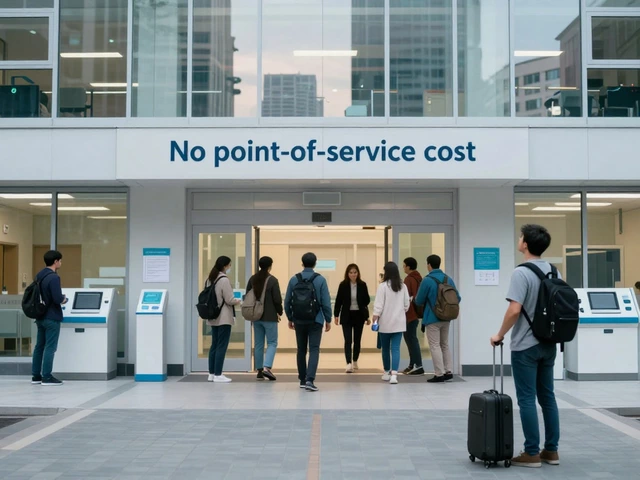
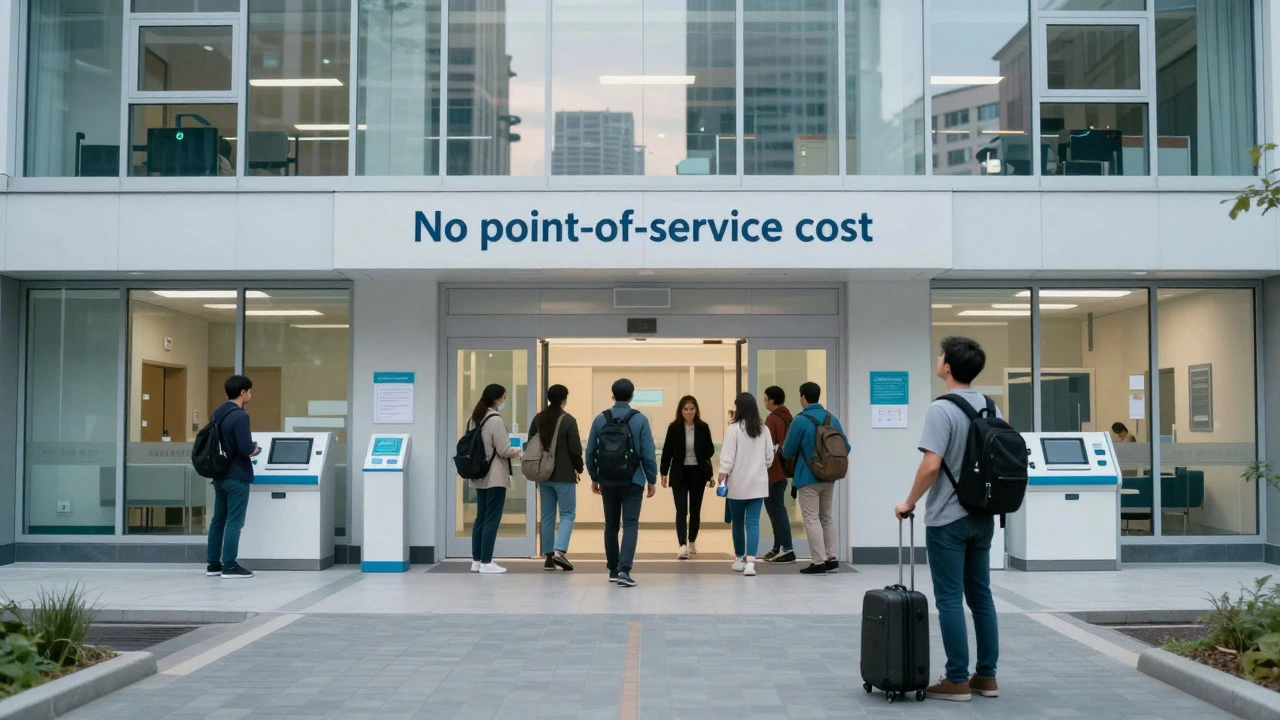
To understand where to seek care, we have to clear up a common misconception. In economics, nothing is truly free; it is just paid for by someone else. In countries like the United Kingdom, Canada, and Australia, healthcare is publicly funded. This means the government collects taxes from citizens and residents to build hospitals, hire doctors, and buy medicine. When you walk into an emergency room in London or Toronto, there is no bill on the counter. However, if you are a tourist without insurance, you might still face charges unless you have specific reciprocal agreements or travel insurance. The term "free" is a colloquialism for "no point-of-service cost."
Key Countries with Universal Coverage Systems
Several nations stand out for their robust public health infrastructure. If you are considering international care or simply curious about how other societies handle health, here are the top contenders:
- National Health Service (NHS) in the United Kingdom: One of the oldest and most comprehensive systems. It covers nearly all medical needs for residents. Wait times can be long for non-urgent procedures, but emergency care is accessible.
- Medicare in Australia: A hybrid model that provides free public hospital care and subsidizes private doctor visits. It is known for high-quality rural and urban services.
- Socialized Medicine in Canada: Each province runs its own health plan. Hospital and physician services are free for residents. Dental and vision are often excluded, requiring private insurance.
- Beveridge Model implementation in Nordic Countries (Sweden, Norway, Denmark): High taxes fund excellent healthcare. These countries consistently rank high in patient satisfaction and health outcomes.
- Single-Payer System in Portugal and Spain: Southern European nations offer low-cost or free primary and secondary care to residents, with strict referral processes to manage specialist access.
How These Systems Impact Medical Tourists
If you are planning to travel for medical reasons, knowing which system operates in a destination changes your strategy. In Universal Health Coverage nations, public hospitals may have long waiting lists for elective surgeries. This is why many patients opt for private clinics within these same countries, paying out-of-pocket for faster access. Conversely, in countries without universal coverage, like the United States, costs are transparent but high, making it a less attractive destination for budget-conscious medical tourists unless specialized high-tech care is required.
For example, a patient needing a hip replacement in the UK might wait six months on the NHS list. However, the same patient could go to a private clinic in Manchester and get the procedure in two weeks for a fraction of the US price. This dual-system approach is common in many "free healthcare" countries, offering a safety net for emergencies and a market option for speed.

Comparing Top Healthcare Models
Let’s look at the practical differences between these systems. The table below highlights key attributes that matter to anyone seeking care abroad.
| Country | System Type | Coverage for Residents | Typical Wait Time (Elective) | Out-of-Pocket Costs |
|---|---|---|---|---|
| United Kingdom | NHS (Beveridge) | Comprehensive | 3-6 months | Low (Prescriptions co-pay) |
| Canada | Provincial Single-Payer | Hospital & Physician | 2-5 months | Moderate (Dental/Vision extra) |
| Australia | Medicare (Hybrid) | Public Hospital & Subsidized GP | 1-4 months | Low-Moderate (Gap fees apply) |
| Sweden | Tax-Funded Public | Comprehensive | 1-3 months | Low (Annual cap on costs) |
| Spain | Public + Private Mix | Comprehensive | 2-4 months | Low (Small copays) |
What Is Actually Covered?
Even in countries with "free" healthcare, not everything is included. Understanding the gaps helps you budget correctly. Here is what typically falls outside the public umbrella:
- Dental Care: Often limited to children or emergency extractions. Routine cleanings and fillings usually require private payment.
- Eyeglasses and Contact Lenses: Prescription eyewear is rarely covered by the state, though eye exams might be.
- Private Room Upgrades: You will likely share a room in public hospitals. Single rooms are a paid luxury.
- Alternative Therapies: Chiropractic, acupuncture, and physiotherapy are often partially subsidized or entirely private.
- Non-Emergency Travel: If you need treatment abroad due to long wait times, approval and reimbursement can be a bureaucratic hurdle.

Practical Tips for Navigating Foreign Health Systems
If you find yourself needing care in one of these countries, preparation is key. First, always carry proof of residency or visa status, as eligibility is tied to legal presence. Second, check if your home country has a bilateral health agreement with the destination. For instance, EU citizens can use the European Health Insurance Card (EHIC) to access necessary care in any EU member state at reduced or zero cost. Finally, consider travel insurance even in "free" countries. While hospitalization might be covered, repatriation flights, dental emergencies, and private consultations are almost never included in the public package.
Remember, the goal of these systems is population health, not individual convenience. They prioritize equitable access over speed. If time is critical, be prepared to navigate the private sector within these public frameworks.
Frequently Asked Questions
Is healthcare really free in the UK?
It is free at the point of use for residents funded by taxes. However, prescription drugs have a small charge, and dental/optical care often requires additional payments. It is not 100% free for every single service.
Can tourists get free treatment in Canada?
Generally, no. Emergency care is provided to everyone, but bills are sent later. Non-emergency care for non-residents is typically billed privately. Tourists should rely on travel insurance.
Which country has the best wait times for free healthcare?
Wait times vary by region and specialty. Nordic countries like Sweden and Denmark tend to have shorter waits than the UK or Canada due to higher funding per capita, but they are still longer than private systems.
Does free healthcare cover mental health?
In most universal systems, yes. Psychiatric care, therapy, and medication are covered under the general health plan. However, availability of private therapists and wait times for counseling can be significant issues.
Why do some people say healthcare isn't free anywhere?
Because the cost is shifted to taxation. Everyone pays through income tax, VAT, or other levies. The "freedom" refers to not having a bill when you visit the doctor, not the absence of cost to society.