
Amazon Mail Order Pharmacy Savings Calculator
Input Your Medication Details
Results Summary
Imagine needing your monthly blood pressure medication but being stuck in traffic or dealing with a packed schedule. You don't have time to stand in line at the local drugstore. This is where Amazon Mail Order Pharmacy comes into play. But what exactly is it? Is it just another way to buy pills, or is there more to the story?
Many people confuse general online shopping with specialized pharmaceutical services. While you can buy vitamins on Amazon, getting actual prescription drugs requires a different system entirely. Understanding this distinction is crucial for your health and wallet. Let's break down how it works, who runs it, and whether it’s safe for you.
The Core Concept: What Actually Is It?
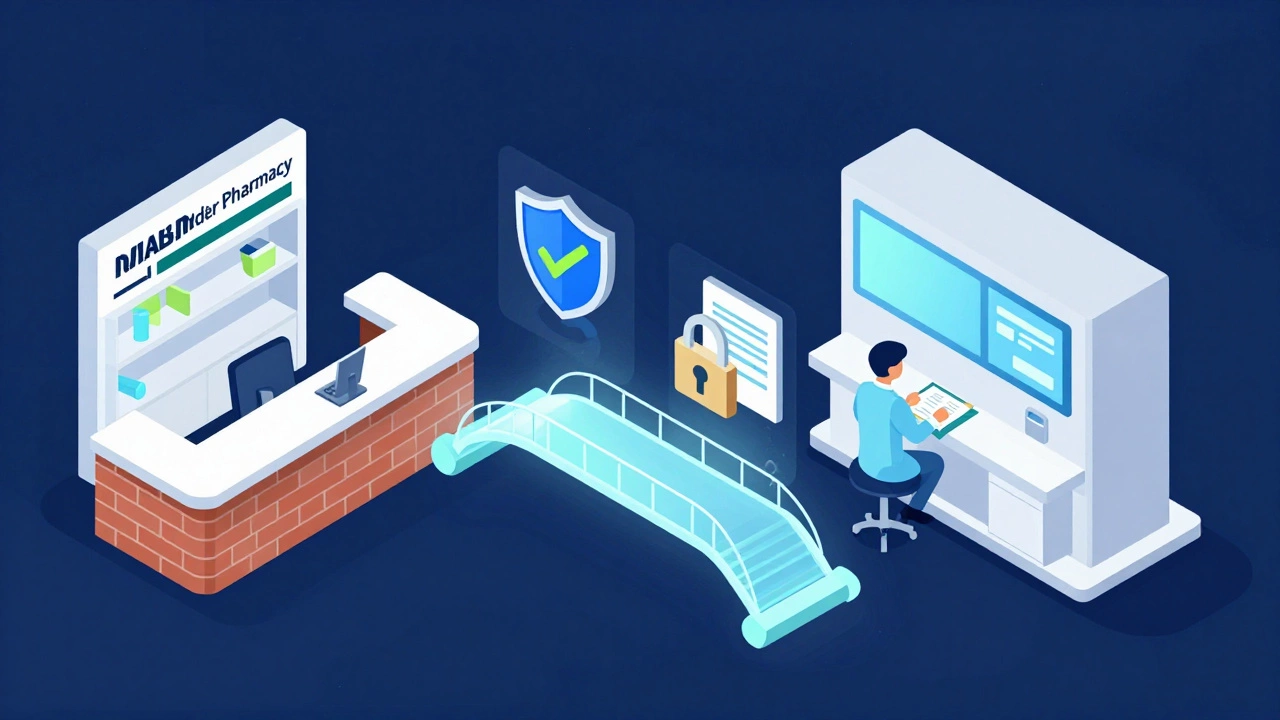
Amazon Mail Order Pharmacy is not a single product you click and buy like a pair of shoes. Instead, it refers to a suite of services offered by Amazon that connects patients with licensed pharmacies to fill and ship prescription medications directly to their homes. Think of it as a digital bridge between your doctor’s prescription and the medicine cabinet.
Historically, "mail order" meant sending a paper prescription via fax or mail to a centralized warehouse. Today, Amazon has digitized this process. You transfer your existing prescriptions from your local pharmacy to an Amazon-affiliated partner. These partners are typically large, accredited chains like Walgreens, CVS Health, or specialized providers like PrimeRx.
The key difference here is convenience and integration. Amazon doesn’t manufacture the drugs. They provide the platform, the logistics network (thanks to Amazon Logistics), and often the customer service interface. The actual compounding and verification are handled by state-licensed pharmacists working within these partner networks.
How Does the Process Work Step-by-Step?
If you decide to try this service, the journey is surprisingly straightforward, but it does require some initial setup. Here is how you actually get your medication:
- Transfer Your Prescription: You log into the Amazon Health or Amazon Pharmacy section. You’ll need your current pharmacy details. Amazon contacts your old pharmacy to pull the record. This ensures continuity of care.
- Insurance Verification: You link your insurance plan. Amazon checks your coverage in real-time. This step is vital because prices can vary wildly depending on whether your insurer accepts the specific mail-order partner.
- Pharmacist Review: A licensed pharmacist reviews your profile. They check for interactions with other meds you might be taking. This is a critical safety net that automated systems alone cannot provide.
- Fulfillment and Shipping: Once approved, the medication is packaged securely. If you are an Amazon Prime member, shipping is often free and fast. For non-members, standard rates apply.
- Delivery and Refills: The box arrives at your door. You can set up automatic refills so you never run out. You receive notifications before each shipment leaves the facility.
This workflow removes the friction of physical visits. However, it relies heavily on accurate data entry during the transfer phase. Always double-check that the dosage and frequency match your doctor’s orders after the transfer is complete.
Safety and Legitimacy: Is It Safe?
This is the biggest question on everyone’s mind. Can you trust an e-commerce giant with your heart medication? The short answer is yes, provided you use the official channels.
Amazon operates under strict regulatory oversight. All partner pharmacies must be accredited by bodies like the National Association of Boards of Pharmacy (NABP). They also comply with federal laws enforced by the Food and Drug Administration (FDA) and the Drug Enforcement Administration (DEA).
However, caution is still necessary. Scammers sometimes create fake websites that look like Amazon to sell counterfeit drugs. Always ensure you are on the official `amazon.com` domain. Never buy prescription medications through third-party sellers on the marketplace unless they are clearly identified as authorized pharmacy partners.
Another safety layer is privacy. Amazon claims to handle Protected Health Information (PHI) according to HIPAA standards. Your medical records are encrypted and stored separately from your general shopping history. Still, if privacy is your top concern, read their privacy policy carefully. Data usage policies change, and staying informed is part of being a smart consumer.
Cost Analysis: Do You Really Save Money?
Price transparency is one of Amazon’s selling points. But does it hold up against local independent pharmacies or big-box retailers?
In many cases, yes. Amazon leverages its massive buying power to negotiate lower rates with manufacturers. Additionally, they offer programs like Amazon RxPass, which caps the price of certain generic medications at $35 per month for Prime members. This is a significant saving for chronic conditions requiring daily medication.
However, savings aren't guaranteed for everyone. If your insurance has a preferred pharmacy network that excludes Amazon’s partners, your copay might be higher. Always compare the final out-of-pocket cost before transferring. Use the "Compare Prices" feature if available. Sometimes, a local pharmacy running a promotion will beat the mail-order price, especially for specialty drugs.
| Feature | Local Pharmacy | Amazon Mail Order |
|---|---|---|
| Convenience | Requires travel/waiting | Delivered to door |
| Pricing | Variable, often negotiable | Transparent, capped options (RxPass) |
| Personal Interaction | High (face-to-face) | Low (digital/chat) |
| Speed | Same-day pickup possible | 1-3 days shipping |
| Privacy | Standard | Enhanced digital security |
Who Should Use This Service?
Not every patient benefits equally from mail-order pharmacies. It works best for specific profiles.
Chronic Condition Patients: If you take the same medications every month for diabetes, hypertension, or cholesterol, this is ideal. You set it and forget it. No more remembering to refill next Tuesday.
Rural Residents: For those living far from urban centers, traveling to a pharmacy can be a burden. Amazon bridges that gap effectively.
Busy Professionals: If your work schedule makes midday pharmacy visits impossible, home delivery saves hours.
On the flip side, if you frequently need new prescriptions, adjust dosages often, or rely on immediate access to medication for acute issues, a local pharmacy might serve you better. Mail order introduces a delay of a few days, which isn't suitable for emergencies.
Troubleshooting Common Issues
Even with smooth processes, hiccups happen. Here is how to handle them:
- Lost Package: Contact Amazon Customer Support immediately. They track packages closely. In rare cases of loss, they will reship the medication quickly.
- Wrong Medication: This is extremely rare due to barcode scanning protocols. If it happens, call the pharmacist directly using the number on the bottle label. Do not take the wrong med.
- Insurance Rejection: If your claim is denied, check if the partner pharmacy is in-network. You may need to switch your mail-order provider within the Amazon ecosystem or go back to a local option.
Always keep a small buffer of medication at home. Don’t wait until the last pill is gone to request a refill. Aim for a 7-day lead time to account for processing and shipping delays.
The Future of Digital Pharmacies
Amazon is just the beginning. We are seeing a shift toward integrated health ecosystems. In the future, your smartwatch might detect an irregular heartbeat and automatically prompt your doctor to send a prescription update to your mail-order pharmacy. Telehealth platforms are increasingly merging with retail giants.
This trend emphasizes accessibility. By removing physical barriers, companies like Amazon aim to make healthcare a seamless part of daily life. However, as technology advances, maintaining the human touch-empathy, personalized advice, and trust-remains the challenge for all digital health providers.
Can I control my own prescriptions on Amazon?
Yes, once transferred, you manage refills, delivery schedules, and payment methods through your Amazon account. However, any changes to dosage or medication type must come from your prescribing physician.
Is Amazon Mail Order Pharmacy available in all US states?
Availability varies by state due to differing regulations. Most major states are covered, but you should check the service page for your specific location to confirm eligibility.
Do I need an Amazon Prime membership to use the pharmacy?
No, you do not need Prime to use the pharmacy service. However, Prime members often get free shipping and access to exclusive pricing programs like RxPass.
How do I talk to a pharmacist if I have questions?
You can usually contact the pharmacist via secure messaging within the app or by phone. The contact information is listed on your prescription label and in the order details.
What happens if I move to a new address?
Update your shipping address in your Amazon account settings before placing your next refill order. Ensure the new address is verified to prevent delivery failures.