International Medical Cost Estimator
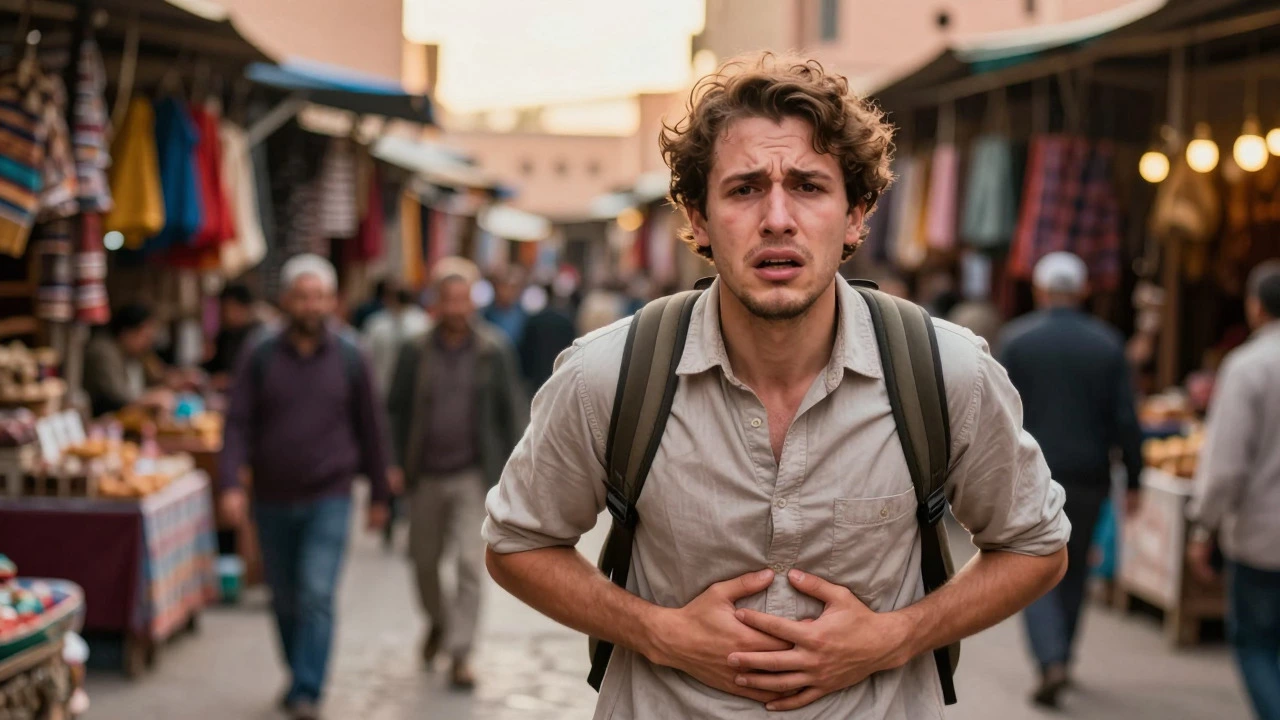
Imagine this: you are standing in the middle of a bustling market in Marrakech, or perhaps hiking through the misty hills of Kyoto. Suddenly, your stomach twists with pain, or you slip and break an arm. The excitement of travel vanishes instantly, replaced by panic. You are far from home, speaking a language you barely understand, and staring at a bill that could wipe out your savings.
This is not just a worst-case scenario; it is a reality for thousands of travelers every year. Whether you are on a planned vacation, a business trip, or exploring as part of medical tourism, getting sick in another country requires immediate action and smart preparation. Without the right knowledge, a minor illness can turn into a financial nightmare or a dangerous situation.
The Immediate Reality: Costs and Access
The first thing you need to understand is that healthcare systems vary wildly around the world. In some countries, like Spain or Italy, public hospitals may treat you for free or at a low cost if you have the right European Health Insurance Card (EHIC). However, for most international travelers, especially those visiting the United States, Japan, or private facilities in Europe, the costs can be astronomical.
Consider the United States. It has some of the best medical technology in the world, but it also has the highest prices. A simple emergency room visit for a broken bone can easily cost between $3,000 and $10,000 USD. Add in X-rays, surgery, and hospital stays, and you are looking at tens of thousands of dollars. Contrast this with countries like Thailand or India, where high-quality care might cost a fraction of that price. But even "cheap" care isn't free. If you don't pay upfront, you could face legal issues or detention in certain jurisdictions.
Access is another hurdle. In rural areas of developing nations, specialized care might be hours away. In major cities, wait times can be long. Knowing where to go-and how to get there-is critical before you even leave home.
Your First Line of Defense: Travel Insurance
If there is one thing you must do before booking your flight, it is buying comprehensive travel insurance. This is not optional. Your standard domestic health insurance often provides little to no coverage outside your home country. Even if it does, reimbursement processes can take months, leaving you to front thousands of dollars.
Good travel insurance covers three main things:
- Medical Expenses: Pays for doctor visits, hospital stays, medications, and surgeries.
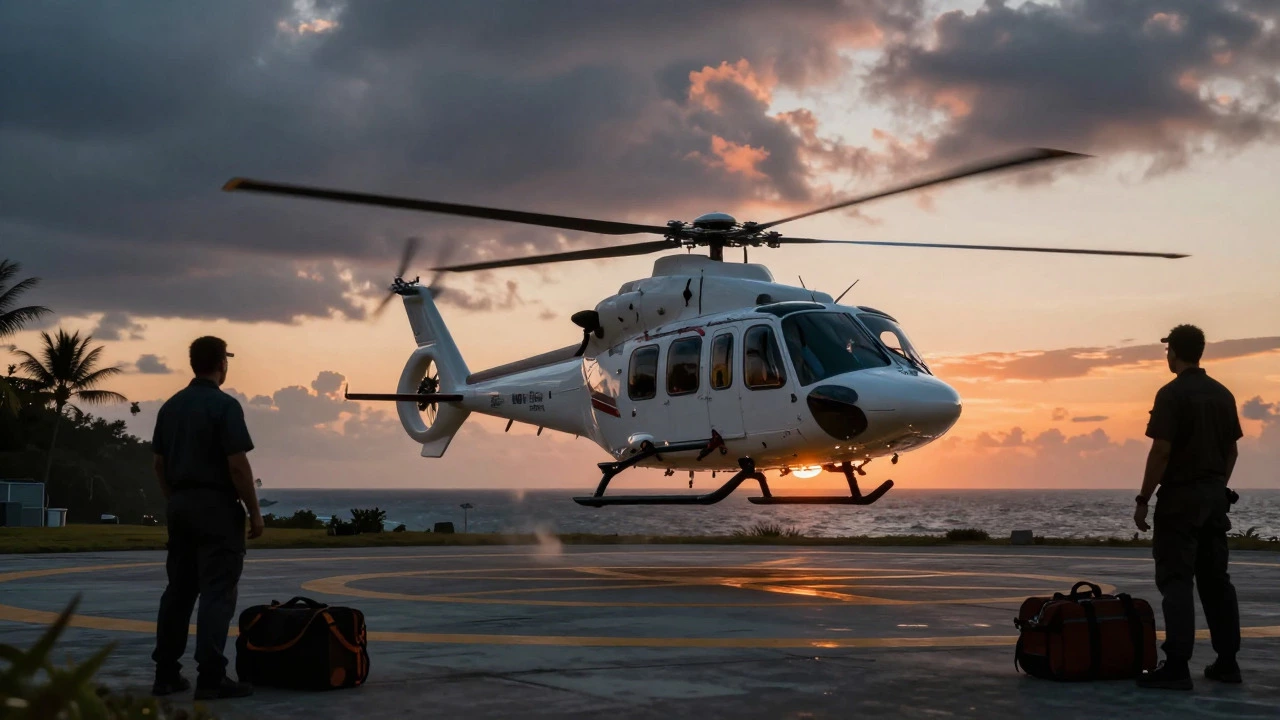
- Emergency Medical Evacuation: Covers the cost of flying you to the nearest adequate facility or back home. Air ambulances can cost upwards of $50,000.
- Repatriation: Covers the cost of returning your remains home in the tragic event of death.
When choosing a policy, look for high limits-at least $100,000 for medical expenses and $250,000 for evacuation. Check the exclusions carefully. Many policies exclude pre-existing conditions or high-risk activities like skiing or scuba diving unless you buy add-ons.
Step-by-Step: What to Do When You Get Sick
Panic is your enemy. Here is a practical checklist to follow if you fall ill or injured abroad:
- Assess the Severity: Is this a life-threatening emergency? If yes, call the local emergency number immediately. In many European countries, it is 112. In the US, it is 911. In Australia, it is 000. Keep these numbers saved in your phone before you travel.
- Contact Your Insurance Provider: Most insurers have a 24/7 assistance hotline. Call them before going to the hospital if possible. They can direct you to network providers who will handle billing directly, saving you from paying out of pocket.
- Go to a Reputable Facility: Avoid small, unverified clinics for serious issues. Look for hospitals accredited by international bodies like Joint Commission International (JCI) or those recommended by your embassy.
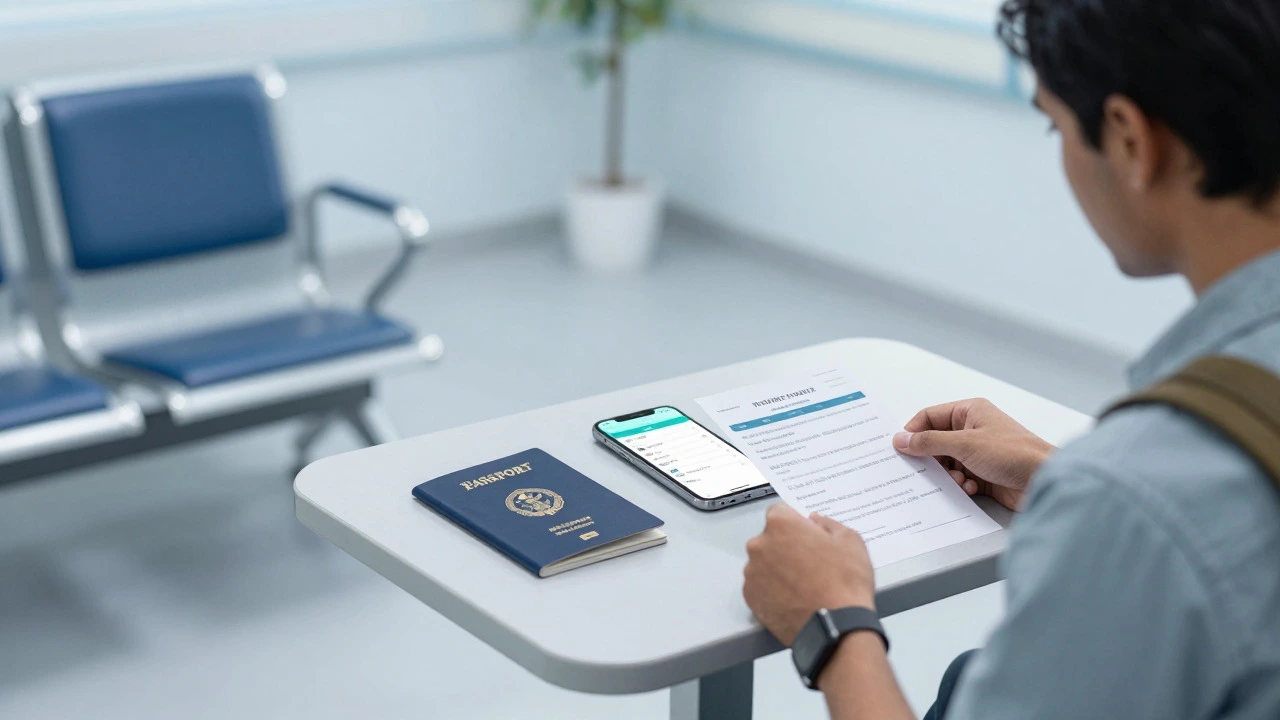
- Keep All Documentation: Save every receipt, invoice, medical report, and prescription. You will need these for insurance claims. Take photos of documents if originals are held by the hospital.
- Notify Your Embassy: For serious illnesses or legal issues, contact your country's nearest embassy or consulate. They can provide lists of local doctors, help contact family, and assist with translation services.
Navigating Language Barriers
Explaining your symptoms in a foreign language is stressful. Miscommunication can lead to misdiagnosis. To mitigate this risk:
- Use Translation Apps: Download offline translation apps like Google Translate or DeepL before you travel. Use the camera feature to translate menus or medical instructions.
- Carry a Medical Summary: Create a digital and physical card listing your allergies, current medications, blood type, and chronic conditions. Have it translated into the local language of your destination.
- Hire a Medical Interpreter: For complex procedures, ask the hospital if they offer professional interpreters. Some insurance plans cover this service.
Prescriptions and Medications
Running out of medication is a common issue. Laws regarding drugs vary significantly. What is over-the-counter in one country might be illegal in another. For example, codeine-containing cough syrups are restricted in many Asian and Middle Eastern countries.
Always carry enough medication for your entire trip plus a few extra days. Keep prescriptions in their original containers with your name on them. Carry a letter from your doctor explaining your condition and the necessity of the medication. This helps avoid confiscation at customs.
If you need a refill abroad, bring a copy of your prescription. Note that generic names for drugs differ globally. Acetaminophen is Paracetamol in most of the world. Ibuprofen is Brufen in parts of Asia. Learn the local names for your essential meds.
| Region/Country | Cost Level | Quality of Care | Key Considerations |
|---|---|---|---|
| United States | Very High | Excellent | High out-of-pocket costs; insurance mandatory |
| Western Europe | Moderate to High | Very Good | EHIC/GHIC helps EU citizens; private care fast but pricey |
| Thailand/Malaysia | Low | Good to Excellent | Popular for medical tourism; English widely spoken in top hospitals |
| India | Low | Variable | World-class specialists in metros; hygiene varies by facility |
| Rural Developing Nations | Low | Limited | Basic care only; evacuation often necessary for serious issues |
Special Scenarios: Pre-Existing Conditions and Chronic Illness
If you manage a chronic condition like diabetes, hypertension, or asthma, planning is even more critical. Fluctuations in time zones can disrupt medication schedules. Changes in altitude can affect breathing. Heat can exacerbate heart conditions.
Consult your doctor before traveling. Ask about potential drug interactions with local foods or supplements. Ensure you have enough insulin or inhalers for the whole trip. Identify hospitals near your accommodation that can handle your specific condition. For diabetics, knowing where to buy glucose strips and syringes locally is vital.
Avoiding Common Pitfalls
Many travelers make mistakes that worsen their situation. One common error is self-medicating. Buying random pills from street vendors can lead to counterfeit drugs or incorrect dosages. Stick to pharmacies with licensed pharmacists.
Another pitfall is ignoring vaccination requirements. Some countries require proof of Yellow Fever or Polio vaccination upon entry. Getting sick with a preventable disease like Hepatitis A or Typhoid is painful and expensive. Visit a travel clinic four to six weeks before departure to get recommended vaccines.
Finally, don't neglect food and water safety. "Delhi Belly" or traveler's diarrhea is common but can become severe quickly. Drink bottled water, avoid ice, peel fruits, and eat only well-cooked food. Carry oral rehydration salts and anti-diarrheal medication in your first-aid kit.
Conclusion: Preparation is Power
Getting sick in another country doesn't have to be a disaster. With the right insurance, knowledge of local emergency numbers, and a clear plan of action, you can navigate medical crises confidently. The goal is not to fear travel, but to respect the differences in global healthcare systems. By preparing ahead, you ensure that your health remains in your hands, no matter where you are in the world.
Does my regular health insurance cover me abroad?
Most domestic health insurance plans offer limited or no coverage outside your home country. Some may cover emergencies but require you to pay upfront and reimburse later. Always check your policy details and consider buying additional travel insurance for comprehensive protection.
What should I do if I lose my passport and get sick?
Contact your nearest embassy or consulate immediately. They can issue an emergency travel document. Meanwhile, use any form of ID you have (driver's license, photocopies) to access medical care. Hospitals often accept alternative identification in emergencies.
How much does emergency medical evacuation cost?
Emergency medical evacuation via air ambulance can cost between $50,000 and $150,000 depending on distance and complexity. This is why having travel insurance with high evacuation limits is crucial.
Are antibiotics available over the counter in other countries?
In many countries in Asia, South America, and parts of Europe, antibiotics are available without a prescription. However, this varies. In the US, UK, and Australia, a prescription is strictly required. Be cautious about self-prescribing due to resistance risks.
What is the EHIC card and who needs it?
The European Health Insurance Card (EHIC) or its successor, the Global Health Insurance Card (GHIC), allows UK and EU citizens to access state-provided healthcare in Europe at reduced or no cost. It does not replace travel insurance, as it doesn't cover private care or repatriation.