Surgery in Mexico
When people talk about surgery in Mexico, medical procedures performed in Mexico by licensed providers, often at a fraction of U.S. or Canadian prices. Also known as medical tourism, it’s not just about saving money—it’s about access, timing, and sometimes, better care. For many, it’s the only realistic option when insurance denies coverage, waitlists stretch for months, or costs in their home country are unbearable. But it’s not a gamble. It’s a decision that needs facts, not just promises.
Common procedures include joint replacements, surgeries like knee or hip replacements that are among the most frequent in medical tourism, dental implants, tooth replacements that require multiple visits and precise planning, and bariatric surgery, weight-loss procedures like gastric bypass that are in high demand due to lower costs and shorter wait times. These aren’t fringe treatments—they’re standard, well-documented procedures. But the quality varies wildly. A hospital in Monterrey might have U.S.-trained staff and Joint Commission accreditation, while a clinic in Tijuana might cut corners on sterilization or aftercare. You can’t assume safety just because it’s cheap.
What makes surgery in Mexico risky isn’t the country—it’s the lack of oversight. No federal regulations force clinics to publish complication rates. No system tracks whether a surgeon has been sued. And if something goes wrong? Getting legal help or medical records can be nearly impossible. Many patients don’t realize that U.S. malpractice insurance doesn’t cover complications abroad. Even if you find a reputable hospital, follow-up care back home is often patchy. Your doctor might refuse to manage your recovery because they weren’t involved in the surgery. That’s not hypothetical—it’s common.
So who does it right? People who treat it like a business decision, not a vacation. They check credentials—look for hospitals accredited by international bodies like JCI. They talk to past patients, not just marketing brochures. They plan for recovery time, not just the surgery date. They know that the cheapest option is rarely the safest. And they don’t skip pre-op blood work or post-op physical therapy just because it’s "not included."
The posts below cover real stories and hard truths. You’ll find what actually happens after surgery in Mexico, which clinics get repeat patients, and which red flags to walk away from. You’ll see how recovery times compare to the U.S., what insurance won’t tell you, and why some people end up back in emergency rooms months later. This isn’t about pushing you to go. It’s about making sure you know exactly what you’re signing up for—if you decide to go at all.

4
DecemberIs Going to Mexico for Surgery Safe? What You Need to Know Before You Go
Is going to Mexico for surgery safe? Learn the real risks, how to pick a trustworthy hospital, which procedures are safest, and what to do if something goes wrong after you return home.
Recent posts
-
 17 Oct 2025
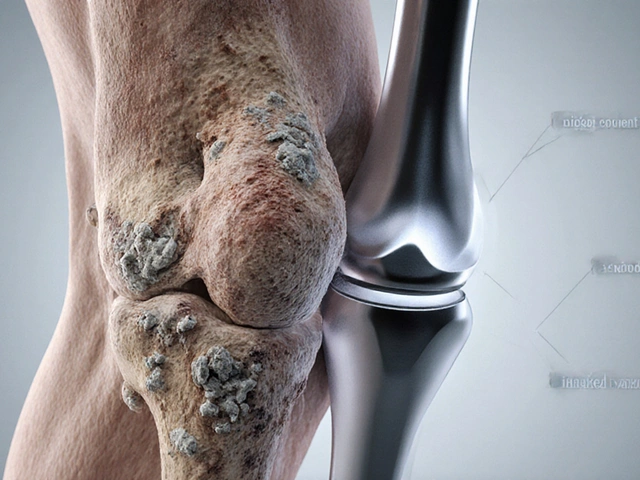
Who Is a Bad Candidate for Knee Replacement? Risks & Contraindications
-
 19 Jun 2025
Gold in Ayurveda: What Is It and How Is It Used?
-
 31 May 2025
Easiest Cancer to Treat: What You Need to Know Right Now
-
 23 Oct 2025
Ozempic Side Effects: What Weight‑Loss Clinics Need to Know
-
 13 Feb 2026
What Are Some Examples of Herbal Supplements and How They're Used