Recovery After Rotator Cuff Surgery: What to Expect and How to Speed Up Healing
When you undergo recovery after rotator cuff surgery, the process of healing and regaining shoulder function following repair of a torn tendon in the shoulder. Also known as rotator cuff repair recovery, it’s not just about waiting for the wound to close—it’s about rebuilding strength, mobility, and confidence in your arm. This isn’t a quick fix. Most people need 4 to 6 months to fully recover, and some take up to a year to get back to heavy lifting or sports. The surgery itself is just the first step. What happens next—how you move, what you avoid, and how you stick to therapy—makes all the difference.
Many people assume that once the pain fades, they’re done healing. That’s where things go wrong. physical therapy after shoulder surgery, a structured program of exercises and manual techniques designed to restore shoulder movement and strength after injury or surgery. Also known as shoulder rehabilitation, it’s not optional—it’s the core of your recovery. Skipping sessions or pushing too hard too soon can tear the repair. On the flip side, staying consistent—even when it’s boring or painful—can get you back to lifting your kid, reaching for a top shelf, or throwing a ball without fear. Your therapist will guide you through phases: first, protecting the repair; then, gentle motion; then, strengthening. Each phase has rules. Break them, and you risk setbacks.
rotator cuff repair, a surgical procedure to reattach torn tendons in the shoulder’s rotator cuff to the bone. Also known as shoulder tendon repair, it’s one of the most common orthopedic surgeries in India, especially among people over 40 who’ve worn out their shoulders through years of work or activity. But surgery doesn’t fix everything. If you had a big tear, or if your muscles were already weak before surgery, healing takes longer. Your age, overall health, and whether you smoke all play a role. One study from a Mumbai hospital found that patients who quit smoking before surgery healed 30% faster than those who didn’t. Small changes matter. So does patience. You won’t get back to normal overnight. But you will get there—if you follow the plan.
Don’t fall for quick fixes. No magic cream, no miracle supplement, and no YouTube video will replace the slow, steady work of rehab. Some people try to rush back to the gym too soon. Others stay too still, afraid to move. Both extremes hurt. The goal isn’t to be pain-free in two weeks—it’s to be strong and stable in six months. That means listening to your body, not your impatience. It means doing your exercises even when you’re tired. It means calling your doctor if something feels off.
Below, you’ll find real stories and clear advice from people who’ve walked this path. They’ve been where you are—wearing a sling, wondering if they’ll ever lift their coffee cup again. They’ve learned what works, what doesn’t, and how to avoid the traps that slow recovery down. Whether you’re just out of surgery or months in and feeling stuck, there’s something here that’ll help you move forward—safely, steadily, and for good.
26
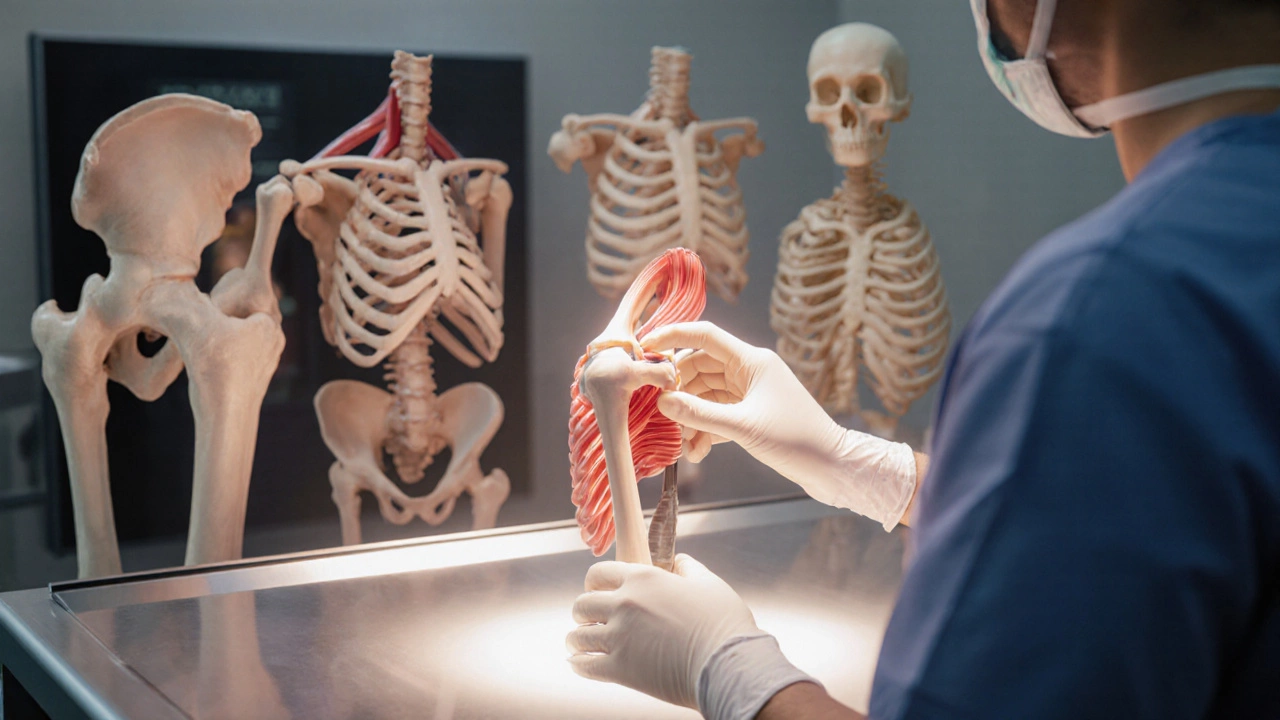
OctoberWhat Is the 5th Most Common Orthopedic Surgery? - Rotator Cuff Repair Explained
Discover why rotator cuff repair is the 5th most common orthopedic surgery, its procedure details, recovery timeline, costs, and how it compares to other top surgeries.
Recent posts
-
 2 Aug 2025
How to Choose Herbal Supplements: Safety, Quality, and Smart Shopping Guide
-
 25 Oct 2025
IVF Timeline: How Long Until You Get Pregnant?
-
 8 Nov 2025
What Is the Hardest Cancer to Cure? Real Challenges and Current Outlook
-
 4 Dec 2025
Is Going to Mexico for Surgery Safe? What You Need to Know Before You Go
-
 28 Nov 2025
Which Type of Diabetes Is Hardest to Control?