Cancer Hospice Care: What It Is and How It Helps Families in India
When cancer can't be cured, cancer hospice care, a specialized form of comfort-focused care for people with advanced illness. Also known as palliative care, it’s not about giving up—it’s about choosing how to live the time you have left. In India, where many families face cancer without access to clear information or support systems, hospice care often gets misunderstood. It’s not a place you go to die. It’s a way to live with less pain, more peace, and real emotional support—for the patient and everyone around them.
Palliative care, a medical approach that relieves symptoms and improves quality of life for serious illnesses is the backbone of cancer hospice care. It doesn’t wait until the final weeks. It starts when treatment stops working, or when the burden of treatment outweighs the benefit. This kind of care includes managing pain, nausea, breathing trouble, and anxiety—not with heavy drugs alone, but with touch, conversation, music, and presence. In India, where home is often the center of care, hospice teams bring this support right to the bedside. Nurses, social workers, and counselors visit families in cities like Delhi, Mumbai, and Chennai, and even in rural towns where hospitals are far away.
Many people think hospice means no more medicine. That’s not true. It means switching focus—from fighting the disease to fighting the suffering. A patient might still get chemotherapy to shrink a tumor causing pain, or antibiotics for an infection. But the goal isn’t to extend life by months. It’s to make every day feel like a day worth living. Families often don’t know they can ask for this. They think doctors only offer hope through surgery or drugs. But sometimes, the bravest choice is asking for comfort instead.
End-of-life care, the final phase of medical support focused on dignity and emotional well-being includes talking about what matters most. What does the patient want to do before they’re gone? Who do they want to see? What rituals or traditions are important? These aren’t just nice-to-haves—they’re essential. In India, where family bonds are strong, hospice care helps families navigate guilt, grief, and unspoken fears together. It gives space to say goodbye without rushing.
There’s still a big gap in access. Not every hospital in India offers hospice services. Insurance rarely covers it. Many families pay out of pocket, or rely on charities. But things are changing. More doctors are learning to talk about it. More communities are starting home-based programs. And more people are realizing: dying doesn’t have to mean suffering alone.
What you’ll find in these articles are real stories from families who chose comfort over chaos, from nurses who show up when others can’t, and from experts who explain how to get help—even when the system feels broken. You’ll learn what to ask for, who to call, and how to prepare when the time comes. This isn’t about fear. It’s about knowing your options, so you can make choices that honor love, not just medicine.
7
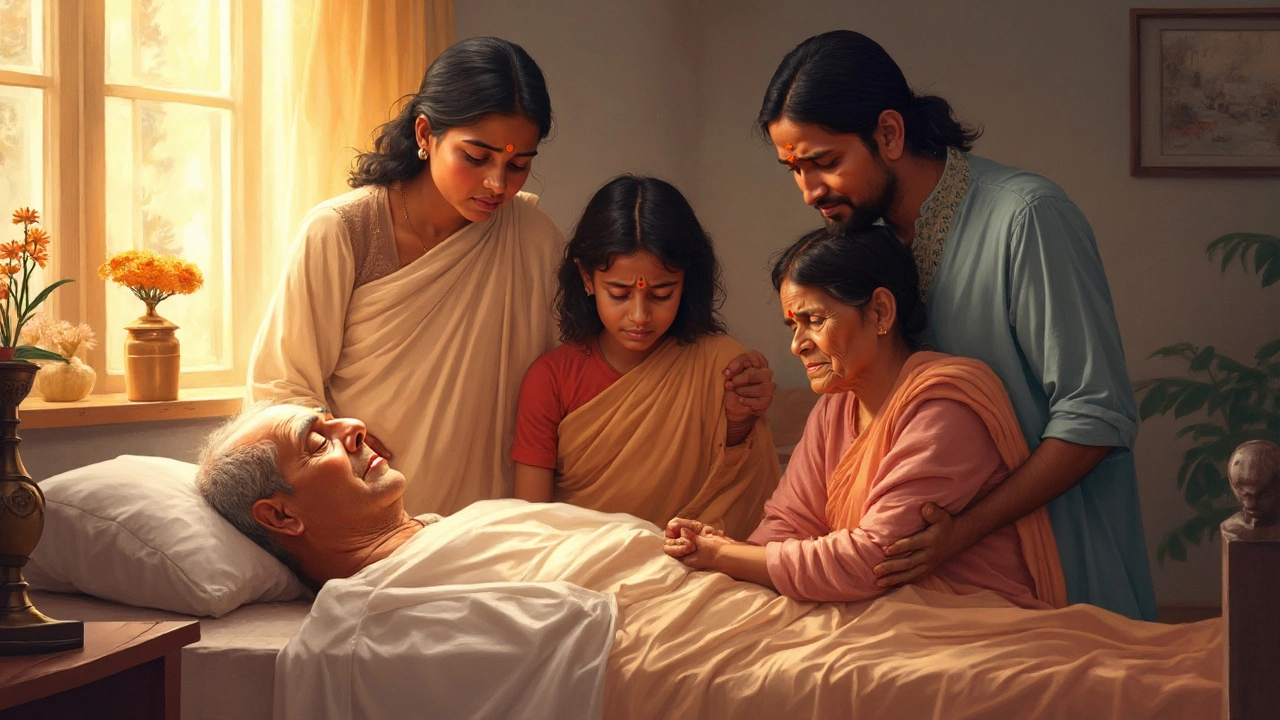
AugustRecognizing the Final Signs: How Cancer Causes the Body to Shut Down
Catching the unmistakable signs that cancer is shutting someone's body down can help families make decisions and prepare physically and emotionally.
Recent posts
-
 15 May 2025
What Country Gets Sick the Most? Eye-Opening Facts for Medical Travelers
-
 9 Mar 2025
How to Shed 20 Pounds in a Month
-
 24 Oct 2025
Which Doctor Treats Joint and Muscle Pain Best?
-
 20 Mar 2026
What is the best treatment for aging face? Top proven options in 2026
-
 13 Jul 2025
Stage 5 Cancer: Myth or Reality? Understanding Cancer Staging Explained