Herbal Interaction Checker
Select your current supplements and medications to identify potential conflicts. This tool highlights common risks like serotonin syndrome, bleeding, and reduced drug efficacy.
Disclaimer: This tool provides general information based on known pharmacological interactions. It is not a substitute for professional medical advice. Always consult your doctor or pharmacist before starting new supplements, especially if you have pre-existing conditions or are taking prescription medications.
You think because it’s a plant, it’s automatically safe. That’s the biggest myth in natural health. While St. John’s Wort might lift your mood, it can also render your birth control useless or spike your blood pressure if mixed with certain antidepressants. Herbs are pharmacologically active substances. They contain compounds that interact with enzymes in your liver, alter blood clotting, and change how your body absorbs medication. Mixing them incorrectly isn’t just ineffective; it can be dangerous.
If you’re juggling multiple supplements-say, taking Ashwagandha for stress, Turmeric for inflammation, and maybe some Ginseng for energy-you need to know which combinations clash. This guide breaks down the specific herb-herb and herb-drug interactions that matter most, helping you build a safer regimen without guessing.
The Liver Enzyme Problem: Why CYP450 Matters
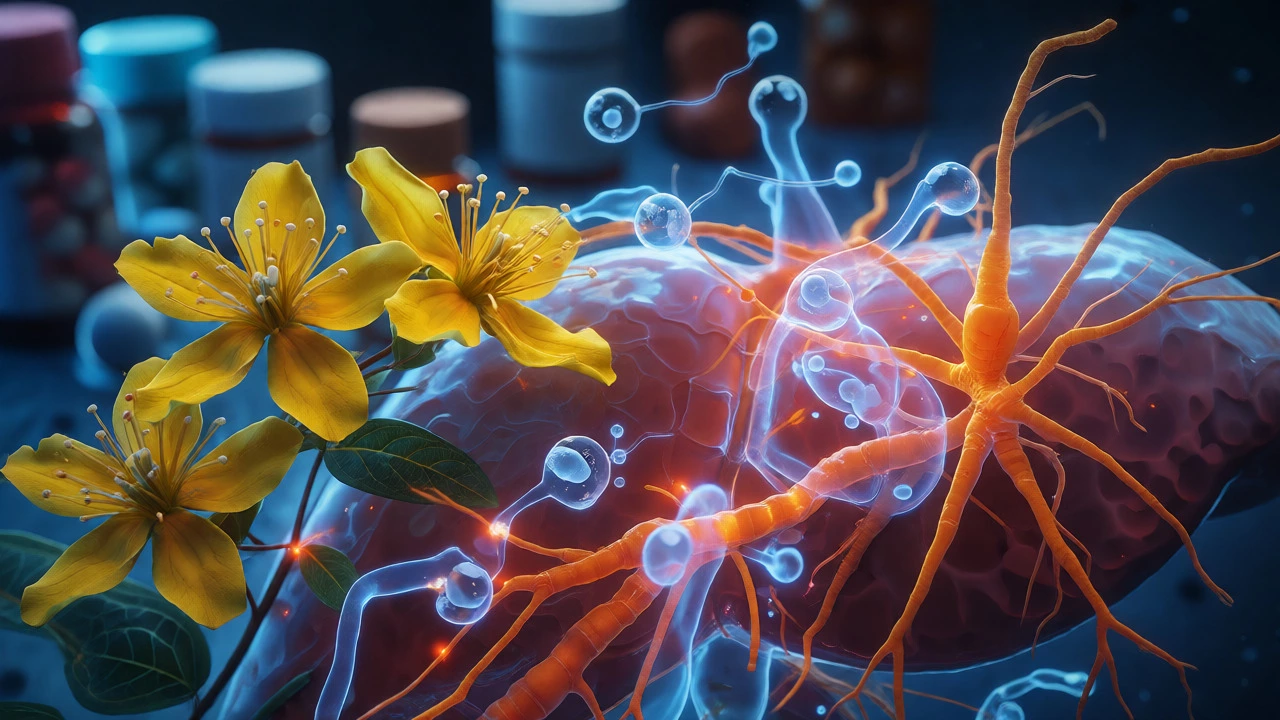
Your liver uses a family of enzymes called Cytochrome P450 (CYP450) to break down drugs and toxins. Think of these enzymes as bouncers at a club-they decide what gets processed and how fast. Some herbs act as strong inhibitors or inducers of these bouncers.
St. John’s Wort is a potent inducer of CYP3A4, one of the main enzymes in this family. When you take St. John’s Wort, it speeds up the processing of other medications. The result? Your drug levels drop too low to work. This is critical for people on HIV medications, immunosuppressants after transplants, or oral contraceptives. If you’re taking an SSRI antidepressant like sertraline alongside St. John’s Wort, you risk serotonin syndrome-a potentially life-threatening condition caused by excessive serotonin buildup.
On the flip side, some herbs inhibit these enzymes, causing drug levels to rise dangerously high. Goldenseal inhibits CYP2D6. If you take codeine (which needs CYP2D6 to convert into morphine for pain relief), Goldenseal blocks that conversion, leaving you with no pain relief but potential toxicity from unprocessed codeine.
Blood Thinning Risks: The Bleeding Combo
Many popular anti-inflammatory herbs have mild blood-thinning effects. Individually, they’re usually fine. But stack three or four of them, and you create a significant bleeding risk, especially if you’re already on anticoagulants like Warfarin or aspirin.
Here are the heavy hitters in the bleeding department:
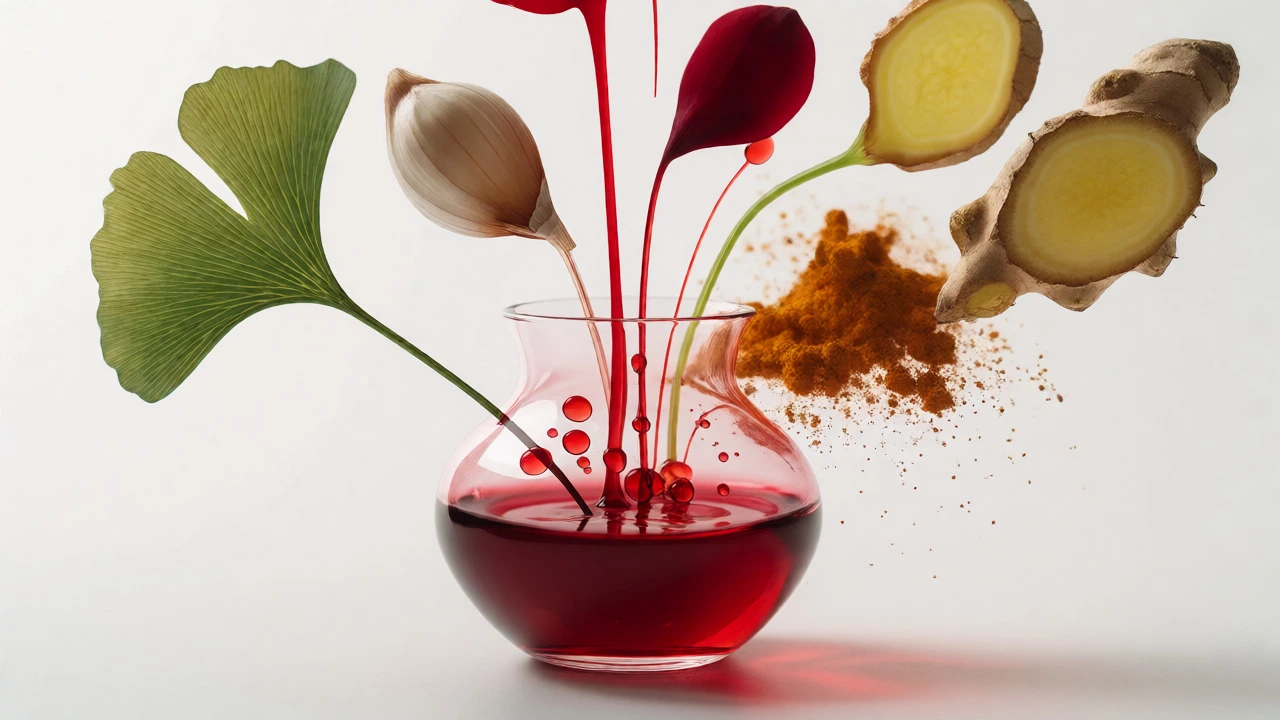
- Ginkgo Biloba: Improves circulation but inhibits platelet aggregation.
- Garlic: High-dose garlic supplements reduce clotting ability.
- Ginger: Similar to garlic, it has antiplatelet properties.
- Turmeric (Curcumin): Enhances the effect of blood thinners.
- Vitamin E: Often paired with herbs, it also thins blood.
Taking Ginkgo, Garlic, and Fish Oil together is a common recipe for easy bruising and prolonged bleeding from minor cuts. If you have surgery scheduled within two weeks, stop all of these immediately. Surgeons hate unexpected bleeding during procedures.
Hormonal Disruptions: Phytoestrogens vs. Synthetic Hormones
Some herbs contain phytoestrogens-plant compounds that mimic estrogen. For women undergoing hormone replacement therapy (HRT) or taking birth control pills, adding high-dose phytoestrogenic herbs can disrupt the delicate hormonal balance.
Black Cohosh and Red Clover are classic examples. While often used for menopause symptoms, their interaction with synthetic estrogens is complex. In some cases, they compete for receptor sites, reducing the efficacy of HRT. In others, they add to the estrogenic load, potentially increasing risks for those sensitive to estrogen dominance.
Saw Palmetto is another tricky one. It affects dihydrotestosterone (DHT) production. Men taking finasteride (Proscar) for hair loss or prostate issues should avoid Saw Palmetto unless directed by a doctor, as the mechanisms overlap and can lead to unpredictable hormonal shifts.
Ayurvedic Specifics: When Traditional Combinations Clash
In India, Ayurveda is deeply ingrained. However, even traditional texts warn against incompatible combinations, known as "Viruddha Aahara." Modern science confirms many of these concerns.
Ashwagandha is an adaptogen that lowers cortisol and blood sugar. If you’re diabetic and taking metformin, Ashwagandha can cause hypoglycemia (low blood sugar). Monitor your glucose levels closely. Similarly, Tulsi (Holy Basil) also lowers blood sugar. Combining Tulsi, Ashwagandha, and diabetes meds creates a triple threat for sudden drops in glucose.
Triphala, a popular digestive blend, acts as a mild laxative. Taking it with electrolyte-depleting diuretics (like furosemide) can worsen dehydration and electrolyte imbalances, leading to muscle cramps or heart palpitations.
Common Dangerous Pairings: A Quick Reference
Not sure if your current stack is safe? Check this table for frequent conflicts. Note that individual responses vary based on dosage and genetics.
| Herb | Conflicts With | Potential Risk |
|---|---|---|
| St. John’s Wort | SSRIs, Birth Control, Blood Thinners | Serotonin Syndrome, Reduced Drug Efficacy, Bleeding |
| Ginkgo Biloba | Aspirin, Ibuprofen, Warfarin | Increased Bleeding Risk |
| Echinacea | Immunosuppressants (e.g., Prednisone) | Reduced Effectiveness of Medication |
| Licorice Root | Blood Pressure Meds, Diuretics | High Blood Pressure, Low Potassium Levels |
| Valerian Root | Sedatives, Alcohol, Benzodiazepines | Excessive Drowsiness, Respiratory Depression |
| Yohimbe | Blood Pressure Meds, Antidepressants | Hypertensive Crisis, Anxiety |

Licorice Root: The Silent Blood Pressure Spiker
Licorice root contains glycyrrhizin, which mimics aldosterone, a hormone that regulates sodium and potassium. Chronic use leads to water retention and increased blood pressure while depleting potassium. This is particularly dangerous for people with hypertension or heart failure.
If you’re taking hydrochlorothiazide (a common diuretic) and licorice tea daily, you’re fighting a losing battle. The diuretic tries to lower BP; the licorice raises it. Plus, the combined potassium loss can cause dangerous arrhythmias. Always check labels for "deglycyrrhizinated licorice" (DGL) if you need licorice for gut health without the blood pressure side effects.
How to Safely Stack Herbs
You don’t have to abandon herbs entirely. You just need to be strategic. Here’s a simple protocol to minimize risks:
- One Change at a Time: Never start three new herbs on Monday. Add one every two weeks. This lets you spot side effects clearly.
- Check for Overlapping Mechanisms: If two herbs both lower blood pressure, space them out or reduce dosages. Don’t assume more is better.
- Watch the Clock: Take herbs that affect absorption (like fiber-rich psyllium or calcium) away from medications. Aim for a 2-hour gap between meds and supplements.
- Consult Your Pharmacist: Pharmacists are underutilized resources. Show them your full list of prescriptions and supplements. They have databases specifically for herb-drug interactions.
Remember, quality matters. Contaminated supplements with heavy metals or undeclared pharmaceutical additives can cause interactions that aren’t listed on the label. Look for third-party tested brands (USP, NSF, or ConsumerLab verified).
Can I take turmeric and ginger together?
Yes, generally speaking, turmeric and ginger are safe to take together for most people. Both have anti-inflammatory properties and are commonly used in cooking. However, both have mild blood-thinning effects. If you are on anticoagulants like Warfarin or have a bleeding disorder, consult your doctor before combining high-dose supplements of both, as the cumulative effect could increase bleeding risk.
Why does St. John's Wort interfere with so many drugs?
St. John's Wort induces the cytochrome P450 enzyme system in the liver, specifically CYP3A4. This means it accelerates the metabolism of many drugs, clearing them from your body faster than intended. This reduces the effectiveness of medications such as oral contraceptives, statins, immunosuppressants, and certain antivirals. It can also increase the breakdown of warfarin, making it less effective at preventing clots.
Are herbal teas considered supplements for interaction purposes?
It depends on the concentration. Occasional cups of chamomile or peppermint tea are rarely problematic. However, drinking large quantities of concentrated herbal teas (like hibiscus or green tea extracts) daily can reach supplement-level doses. Hibiscus, for example, can lower blood pressure significantly if consumed in excess, potentially interacting with antihypertensive medications. Always treat medicinal teas with the same caution as capsules if you consume them frequently.
What is serotonin syndrome and how do herbs trigger it?
Serotonin syndrome is a serious condition caused by too much serotonin in the brain. Symptoms include agitation, rapid heart rate, high blood pressure, dilated pupils, and muscle rigidity. Herbs like St. John's Wort, Kava, and Valerian root can increase serotonin activity. If taken concurrently with SSRIs (selective serotonin reuptake inhibitors) or MAOIs, the combined effect can push serotonin levels to toxic ranges.
Should I stop herbs before surgery?
Yes, standard medical advice is to stop most herbal supplements at least two weeks before scheduled surgery. Herbs like Ginkgo, Garlic, Ginger, and Fish Oil increase bleeding risks. Others like Valerian and Kava may interact with anesthesia, prolonging sedation. Always inform your surgeon and anesthesiologist about every supplement you take, including vitamins and minerals.
Is Ashwagandha safe for everyone?
No. While popular, Ashwagandha can raise thyroid hormone levels, which is risky for people with hyperthyroidism. It also lowers blood sugar, requiring dose adjustments for diabetics. Pregnant women should avoid it due to potential uterine stimulant effects. People with autoimmune diseases should use caution as it may stimulate the immune system, potentially worsening conditions like lupus or rheumatoid arthritis.