Cancer Pain & Symptom Risk Checker
Most people assume that if they don't feel pain, they aren't sick. It’s a comforting thought, but when it comes to cancer, this assumption can be dangerously misleading. The truth is that many cancers are silent killers in their early stages. By the time pain becomes your primary complaint, the disease has often progressed significantly. But does that mean pain always equals late-stage diagnosis? Not necessarily. Understanding the relationship between tumor location, growth speed, and nerve involvement is key to knowing what to watch for.
The Myth of the Silent Early Stage
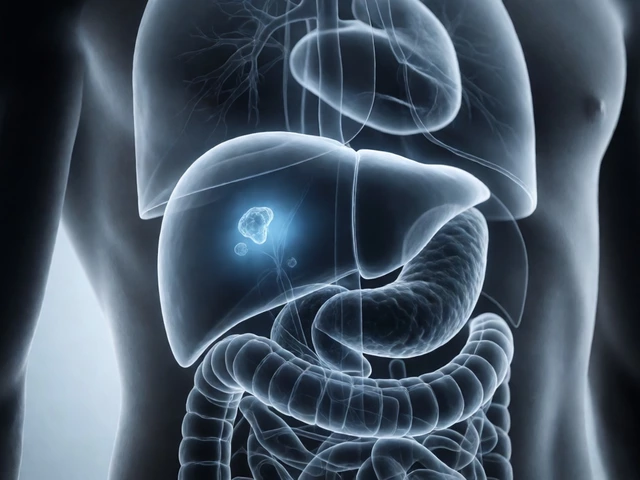
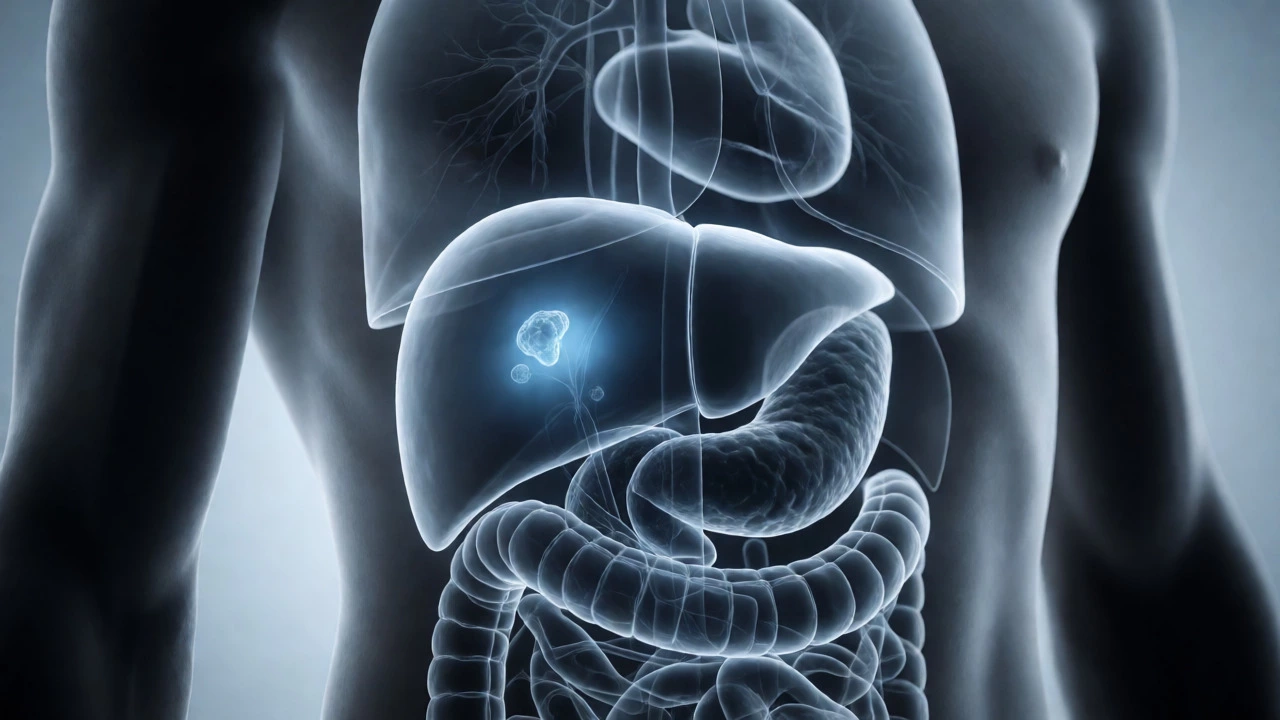
It is widely believed that Stage I and Stage II cancers are painless. For many types, like breast or prostate cancer, this is largely true. A small lump in the breast usually doesn't hurt. An enlarged prostate rarely causes sharp pain in its early days. However, "usually" isn't "always." Some aggressive tumors grow fast enough to stretch the capsule surrounding an organ, causing discomfort even when small. Think of the liver. It has no pain receptors inside it, but the capsule around it does. If a tumor pushes against that capsule, you might feel a dull ache in your upper right abdomen long before other symptoms appear.
Pain perception is also highly individual. Two people with the same stage of pancreatic cancer might report vastly different experiences. One might feel nothing; the other might describe constant back pain. This variability makes self-diagnosis tricky. You cannot rely solely on pain levels to determine severity. Instead, look at the type of pain and its persistence.
When Does Pain Typically Start?
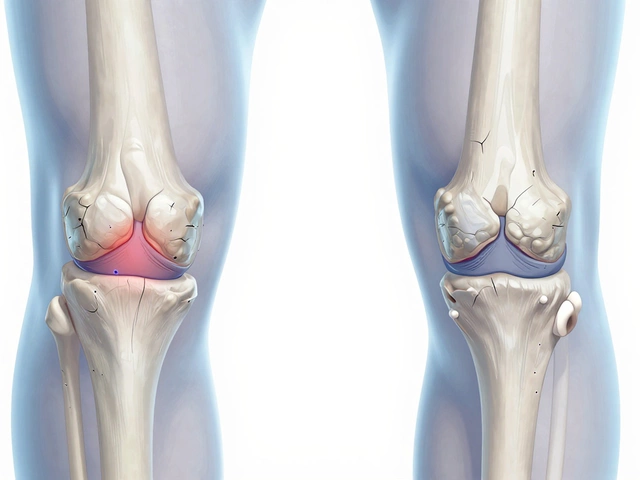
For most solid tumors, noticeable pain often emerges during Stage III and Stage IV. At these stages, the tumor has likely grown large enough to press on nearby nerves, bones, or organs. Or, it may have spread (metastasized) to other parts of the body. Bone metastasis, for instance, is notoriously painful because bones are rich in nerve endings. When cancer cells invade bone tissue, they disrupt normal structure and trigger inflammation, leading to deep, gnawing pain that worsens at night.
However, certain cancers break this rule. Pancreatic cancer is a prime example. Because the pancreas sits deep in the abdomen near major nerves, pain-often radiating to the back-can appear relatively early, sometimes even in Stage II. Similarly, lung cancer might cause chest pain or shoulder pain if the tumor touches the pleura (the lining of the lungs) or invades the chest wall, potentially before distant spread occurs.
Location Matters More Than Stage
Where the cancer starts dictates whether you will feel pain early. Here is a breakdown of how location influences symptom onset:
- Bone Cancers: Pain is often the first symptom. Whether it's osteosarcoma or metastatic bone disease, the pain is local and persistent.
- Brain Tumors: Headaches are common, but they aren't always present initially. As the tumor grows and increases intracranial pressure, headaches become severe, especially in the morning.
- Gastrointestinal Cancers: Stomach or colon cancers often start with bloating, changes in bowel habits, or bleeding. Pain is usually a later sign, indicating obstruction or invasion.
- Skin Cancers: Melanoma or basal cell carcinoma rarely hurts until they ulcerate or grow deep into subcutaneous tissue.
| Cancer Type | Common Early Symptoms | When Pain Usually Appears |
|---|---|---|
| Breast | Lump, skin dimpling, nipple discharge | Late stage (if touching chest wall) |
| Lung | Cough, shortness of breath, fatigue | Middle to Late (chest/shoulder) |
| Colon | Blood in stool, change in bowel habits | Late (abdominal cramps/obstruction) |
| Pancreas | Jaundice, weight loss, indigestion | Early to Middle (back/abdomen) |
| Prostate | Urinary frequency, weak stream | Late (bone pain from spread) |
Types of Cancer Pain: It’s Not Just One Feeling
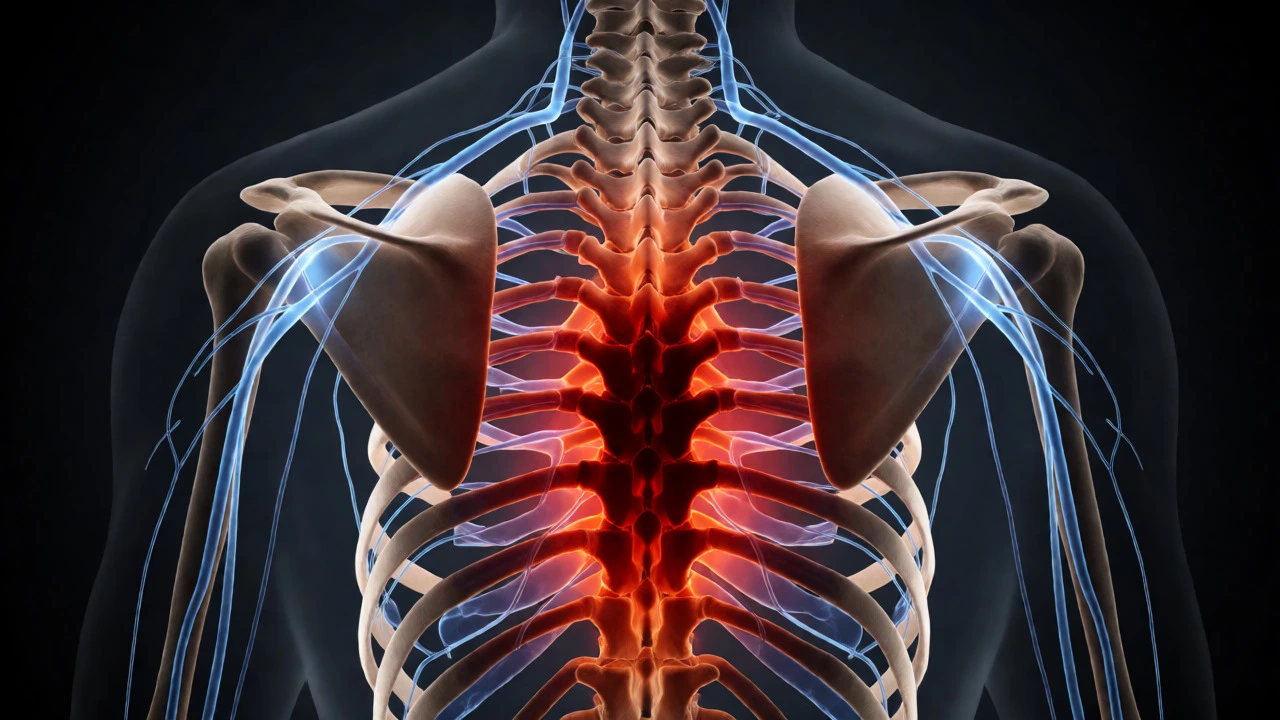
Not all cancer pain feels the same. Recognizing the type can help your doctor treat it more effectively. There are three main categories:
- Nociceptive Pain: This is caused by damage to tissues. It feels like aching, throbbing, or soreness. It’s common when a tumor presses on organs or muscles. Anti-inflammatory drugs often help here.
- Neuropathic Pain: This happens when nerves are damaged or compressed. It feels like burning, shooting, tingling, or electric shocks. Opioids alone often fail to control this; you might need specific nerve-pain medications like gabapentin.
- Breakthrough Pain: This is sudden spikes of intense pain that occur even when background pain is controlled. It’s unpredictable and requires fast-acting medication.
If you experience any of these, don’t just say "I hurt." Describe the quality. Is it sharp? Dull? Constant? Intermittent? These details guide treatment choices.
Pain Doesn’t Always Mean Worsening Disease
Here’s a crucial nuance: pain can increase during treatment, not just because the cancer is growing. Surgery leaves scars and nerve damage. Radiation therapy can cause inflammation and fibrosis (scarring) in treated areas, leading to stiffness and pain weeks after sessions end. Chemotherapy often causes peripheral neuropathy-numbness and pain in hands and feet due to nerve toxicity.
So, if you’re undergoing treatment and pain increases, it doesn’t automatically mean the cancer is spreading. It could be a side effect. Conversely, some patients feel relief as tumors shrink. Communicating openly with your oncology team about pain patterns helps distinguish between disease progression and treatment side effects.

Managing Pain: Don’t Wait Until It’s Unbearable
A common mistake patients make is waiting until pain is excruciating before asking for help. They fear addiction or think pain means failure. Both are myths. Modern palliative care focuses on quality of life. Treating pain early prevents the nervous system from becoming hypersensitive, a condition known as central sensitization. Once nerves are over-sensitized, pain becomes harder to manage.
Start with non-drug approaches: heat packs, gentle movement, massage, and mindfulness techniques. Use medications as prescribed. If one drug doesn’t work, ask about switching classes. Multimodal therapy-combining meds, physical therapy, and psychological support-is the gold standard.
Red Flags: When to See a Doctor Immediately
You don’t need to wait for a cancer diagnosis to take pain seriously. Certain red flags warrant immediate investigation:
- Pain that wakes you up at night.
- New pain that lasts more than two weeks without an obvious cause (like injury).
- Pain accompanied by unexplained weight loss, fever, or night sweats.
- Headaches that are new, severe, and worse in the morning.
- Bone pain that doesn’t improve with rest.
While these symptoms don’t guarantee cancer, they signal something needs checking. Early detection saves lives, regardless of whether pain is present.
Frequently Asked Questions
Is cancer pain always severe?
No. Many patients with advanced cancer have manageable pain or none at all. Pain intensity varies based on tumor location, nerve involvement, and individual pain tolerance. Effective management can keep pain mild for years.
Can stress make cancer pain worse?
Yes. Stress and anxiety lower pain thresholds and increase muscle tension, which can amplify nociceptive pain. Psychological support and relaxation techniques are vital parts of comprehensive cancer care.
Do blood tests show cancer pain?
No, there is no blood test for pain. Blood markers like PSA or CA-125 indicate tumor presence or activity, but they do not measure pain sensation. Pain is subjective and assessed through patient reporting and clinical examination.
Is bone pain a sign of metastasis?
Often, yes. Persistent bone pain, especially in the spine, hips, or ribs, can indicate that cancer has spread to the bones. However, arthritis and other benign conditions also cause bone pain, so imaging is required for confirmation.
Will I become addicted to painkillers?
Physical dependence is possible, but addiction (psychological craving) is rare in cancer patients using opioids for legitimate pain. Doctors monitor usage closely. Fear of addiction should not prevent adequate pain control.