Diabetes Medication Selector
This tool helps you explore potential medication pathways based on common clinical guidelines. It is not a substitute for professional medical advice.
You walk into a pharmacy in Bangalore or anywhere else, and you ask for "the" diabetes pill. The pharmacist might look at you with a mix of amusement and concern. Why? Because there isn't just one. But if we had to pick the single most prescribed, most talked-about, and most foundational drug for managing Metformin, it would be the answer for millions of people living with Type 2 diabetes.
It’s not the newest drug on the block. It’s not the flashiest. In fact, it’s been around since the 1950s. Yet, nearly 70 years later, global health bodies like the World Health Organization still list it as an essential medicine. If you’ve recently been diagnosed, or if you’re helping a family member manage their condition, understanding why Metformin holds this crown-and when other drugs take over-is crucial for making smart health decisions.
| Medication Class | Primary Function | Typical Use Case |
|---|---|---|
| Metformin | Reduces liver glucose production | First-line treatment for Type 2 |
| Insulin | Directly lowers blood sugar | Type 1 & advanced Type 2 |
| SGLT2 Inhibitors | Excretes sugar via urine | Heart/Kidney protection focus |
| GLP-1 Agonists | Boosts insulin, slows digestion | Weight loss + Blood sugar control |
Why Metformin Dominates the Conversation
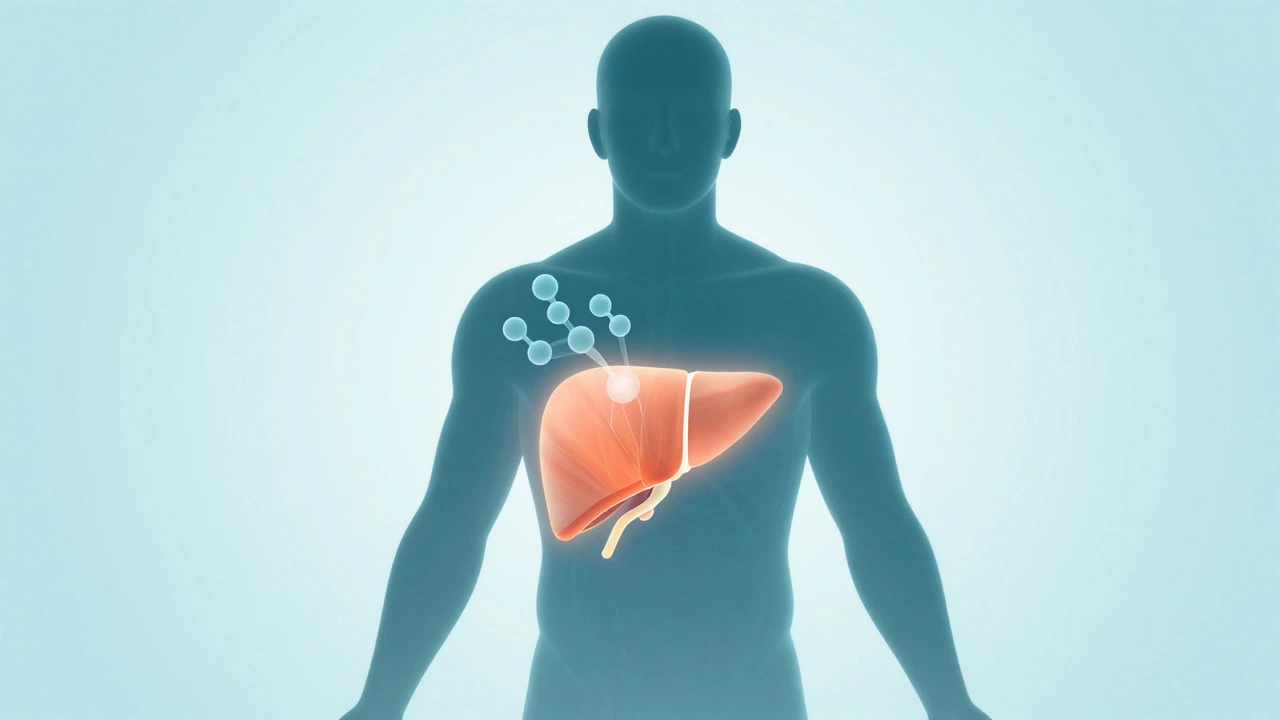
So, what makes Metformin so popular? It’s not magic, but it is remarkably effective for its price tag. When you have Type 2 Diabetes, your body becomes resistant to insulin. Your cells stop listening to the signal that says "let sugar in." Meanwhile, your liver keeps pumping out more glucose than you need. Metformin tackles both problems. It tells the liver to chill out on producing sugar, and it helps your muscles respond better to the insulin you already have.
For beginners, this is often the first step. Doctors prescribe it because it rarely causes weight gain-in fact, some people lose a few kilos-and it almost never causes hypoglycemia (dangerously low blood sugar) on its own. That safety profile is huge. You aren’t walking around shaky and sweating because your levels dropped too fast. Plus, it’s cheap. In India, generic Metformin costs pennies compared to newer branded drugs. For a chronic condition requiring lifelong management, cost matters.
When One Pill Isn’t Enough: The Rise of Newer Drugs
While Metformin is the king of first-line treatments, it doesn’t work for everyone forever. Over time, beta cells in the pancreas can tire out. Or maybe you have heart disease or kidney issues that need extra protection. This is where the landscape gets interesting. The market has shifted from just "lowering sugar" to "protecting organs."
Two classes of drugs have surged in popularity among specialists: SGLT2 inhibitors (like dapagliflozin or empagliflozin) and GLP-1 receptor agonists (like semaglutide or liraglutide). These aren't just about glucose numbers. SGLT2 inhibitors make your kidneys dump sugar through urine, which also lowers blood pressure and reduces strain on the heart. GLP-1 drugs mimic a hormone that tells your brain you're full and prompts your pancreas to release insulin only when you eat.
Why are these gaining traction? Real-world results. Studies show they reduce the risk of heart attacks and slow down kidney damage. If you’re carrying extra weight, GLP-1 drugs offer a double benefit: better blood sugar control and significant weight loss. However, they come with a higher price tag and potential side effects like nausea or urinary tract infections. So, while Metformin remains the most *prescribed*, these newer agents are becoming the most *recommended* for high-risk patients.
The Role of Insulin in Modern Treatment
We can’t talk about diabetes medication without addressing Insulin. For those with Type 1 diabetes, insulin isn't an option-it's life support. Without it, ketoacidosis sets in quickly. But for Type 2 diabetics, insulin is often seen as a last resort. Many patients fear needles or weight gain associated with older insulin types.
However, modern analog insulins are cleaner and more predictable than the animal-derived insulins of decades past. They act faster or last longer, mimicking natural bodily rhythms better. If oral meds fail to keep your HbA1c (a measure of average blood sugar over three months) below target levels, adding basal insulin might be necessary. It’s not a failure; it’s a progression of care. The goal is always to prevent complications like nerve damage, vision loss, or foot ulcers.
How to Choose the Right Path
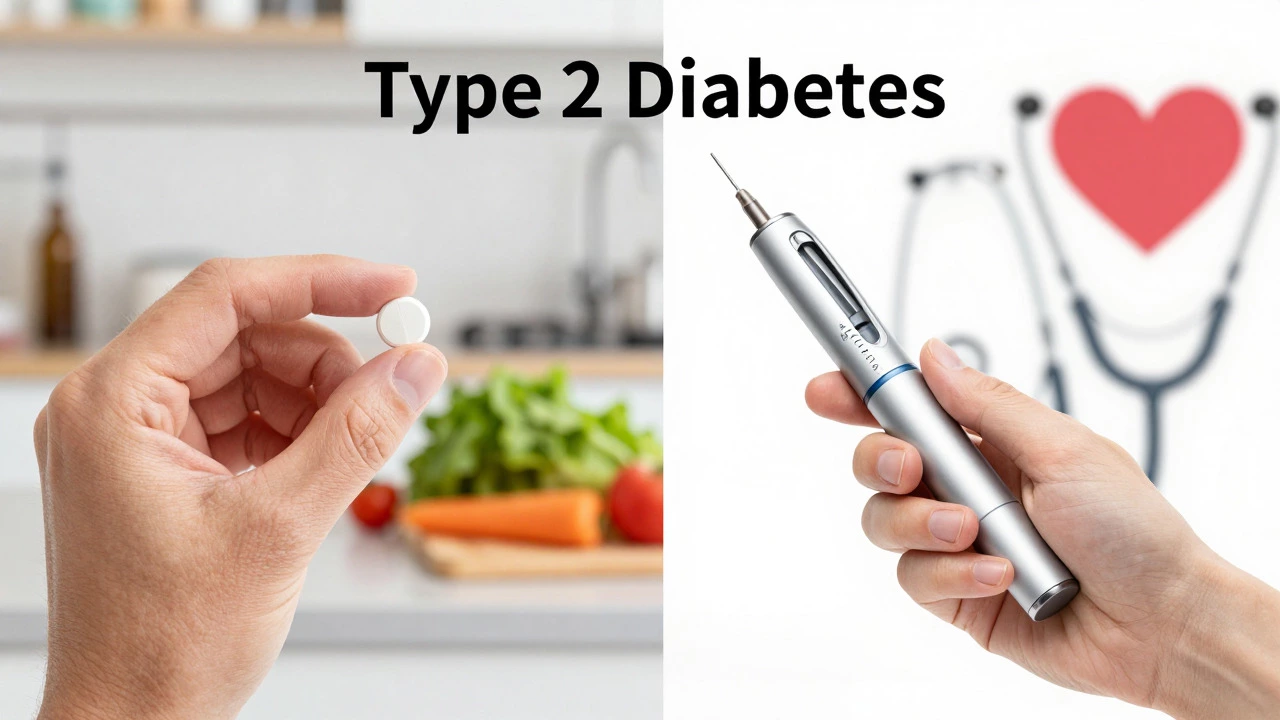
Picking a medication isn't a one-size-fits-all decision. It depends on your specific health profile. Are you overweight? Do you have heart issues? Can you afford monthly injections?
- If you are newly diagnosed with Type 2: Expect Metformin. It’s safe, effective, and affordable.
- If you have cardiovascular disease: Ask about SGLT2 inhibitors or GLP-1 agonists alongside Metformin.
- If you struggle with obesity: GLP-1 agonists might offer the best dual benefit.
- If you have Type 1: Insulin is non-negotiable, potentially combined with other adjunct therapies.
Don't ignore lifestyle factors. No pill fixes a diet high in refined sugars and a sedentary routine. Medication works best when paired with consistent exercise and mindful eating. Think of drugs as tools in a toolbox, not magic wands.
Side Effects and Management Tips
Every drug has trade-offs. Metformin is notorious for gastrointestinal issues-nausea, diarrhea, stomach upset-especially when starting. Tip: Take it with food. Start with a low dose and increase slowly. Extended-release versions often cause less stomach trouble.
SGLT2 inhibitors require good hygiene to prevent genital yeast infections due to sugary urine. Stay hydrated. GLP-1 agonists can cause delayed gastric emptying, leading to fullness or nausea. Eating smaller meals helps mitigate this. Always report severe symptoms to your doctor immediately. Never adjust doses based on internet forums alone.
Is Metformin safe for long-term use?
Yes, Metformin has been used safely by millions of people for decades. Long-term studies confirm its safety and effectiveness. However, prolonged use can sometimes lead to Vitamin B12 deficiency, so periodic monitoring of B12 levels is recommended.
Can I stop taking diabetes medication if my sugar levels normalize?
Never stop medication abruptly without consulting your doctor. Normalized levels often indicate the medication is working, not that the disease is cured. Stopping suddenly can cause blood sugar spikes. Lifestyle changes may allow for dose reduction under medical supervision.
Which is better for weight loss: Metformin or GLP-1 agonists?
GLP-1 agonists are generally more effective for significant weight loss compared to Metformin. While Metformin is weight-neutral or may cause slight weight loss, GLP-1 drugs actively suppress appetite and slow digestion, leading to more substantial reductions in body weight.
Does diabetes medication cure diabetes?
No, current medications manage the condition but do not cure it. Type 2 diabetes can go into remission with significant lifestyle changes and weight loss, but ongoing monitoring is required. Type 1 diabetes requires lifelong insulin therapy.
Are herbal supplements a replacement for prescribed diabetes medication?
Generally, no. While some herbs like fenugreek or bitter gourd may help lower blood sugar slightly, they lack the robust clinical evidence of prescription drugs. Relying solely on supplements can lead to uncontrolled glucose levels and serious complications. Always inform your doctor about any supplements you take.