Safe Weight Loss Goal Calculator
Plan Your 30-Day Journey
Based on the 1-2 lbs/week safety guideline
Your 30-Day Analysis
Have you ever looked at the scale and wished you could shed ten pounds before your next vacation or a big family event? It’s a common thought. We all want results fast. But when it comes to dropping weight in just thirty days, there is a thin line between effective progress and dangerous deprivation. The short answer to how many pounds you should lose in 30 days is simple: aim for one to two pounds per week, which totals four to eight pounds in a month. Anything beyond that usually means you are losing water, muscle, or risking your metabolic health.
Let’s break down why this number matters, what happens if you push too hard, and how to actually hit those targets without starving yourself or burning out by day twenty-one.
The Science Behind the Four-to-Eight Pound Rule
Why do doctors and nutritionists stick to the one-to-two pound rule? It isn’t just arbitrary advice; it’s based on basic biology. To lose one pound of body fat, you need to create a calorie deficit of approximately 3,500 calories is the energy equivalent required to burn one pound of adipose tissue. If you want to lose four pounds in thirty days, you need a total deficit of 14,000 calories over the month. That breaks down to about 467 calories less per day than you burn.
This is achievable. You can cut 200 calories from your diet by skipping a sugary latte and a small snack, and burn another 250 through an hour of moderate exercise like brisk walking or cycling. However, if you aim for ten pounds in thirty days, you’d need a daily deficit of nearly 1,167 calories. For most people, especially those who aren’t significantly overweight, creating such a massive gap requires extreme measures that the body fights back against.
Your body has survival mechanisms. When you starve it or push it too hard, your metabolism is the rate at which your body converts food into energy slows down. It enters "conservation mode," holding onto every bit of energy it can find. This is why crash diets often lead to immediate regain once you start eating normally again. You haven’t lost fat; you’ve just confused your system.
Water Weight vs. Real Fat Loss
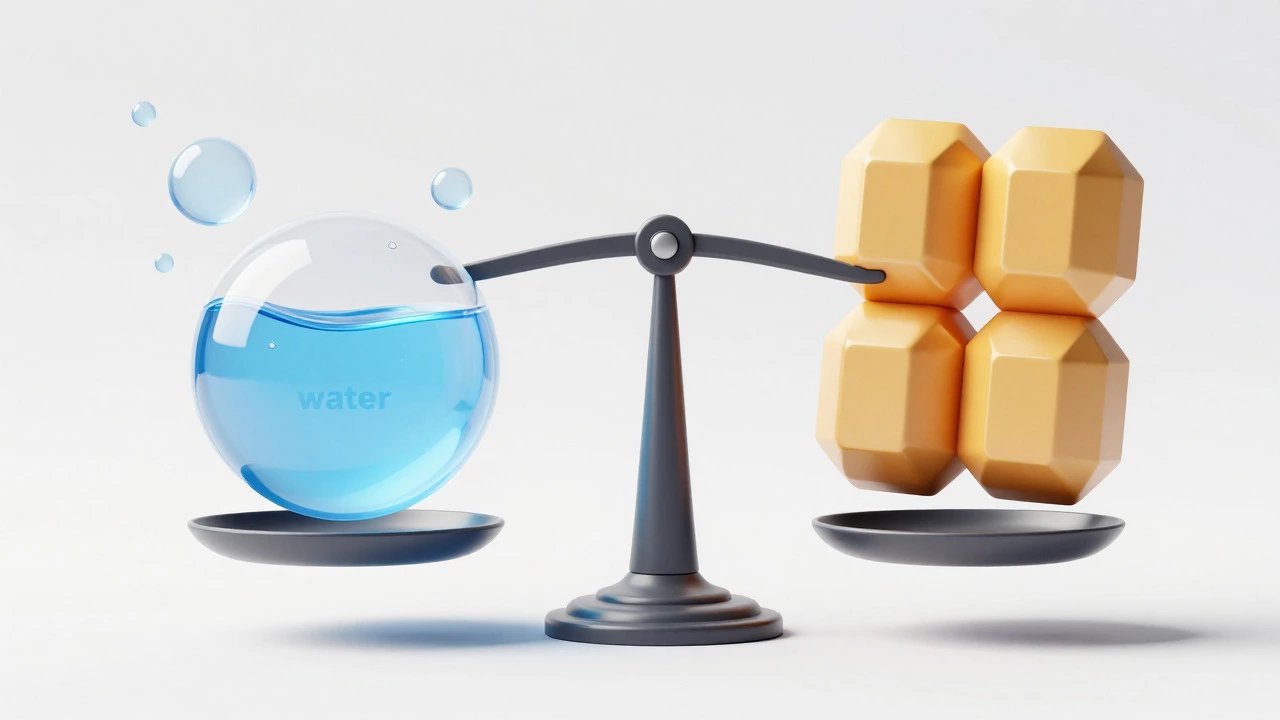
If you step on the scale after five days of strict dieting and see a drop of six pounds, don’t celebrate yet. Most of that initial drop is water weight is fluid stored in tissues and cells, heavily influenced by carbohydrate and sodium intake, not fat. Carbohydrates hold water in the body. When you cut carbs drastically, your glycogen stores deplete, and the water attached to them leaves with them. This creates a false sense of success.
Real fat loss is slow. It takes time for your body to mobilize fatty acids and use them for fuel. Aiming for more than two pounds of pure fat loss per week is physiologically difficult for the average person without medical intervention. If you chase numbers higher than eight pounds in a month, you are likely dehydrating yourself or breaking down lean muscle mass is the metabolically active tissue responsible for strength and metabolic rate, which is the exact opposite of what you want. Muscle burns more calories at rest than fat does. Losing it makes long-term weight management harder.
Who Can Safely Lose More Than Eight Pounds?
There are exceptions to the general rule. Individuals with a higher starting weight have more energy reserves and can safely create larger calorie deficits. If you weigh 250 pounds, a 1,000-calorie deficit might represent only a small fraction of your daily needs, allowing for faster initial loss. In these cases, losing up to 10-12 pounds in the first month might be possible and even expected under medical supervision.
However, for someone weighing 150 pounds, trying to lose 10 pounds in 30 days would require cutting so much food that they might fall below their basal metabolic rate (BMR). This leads to nutrient deficiencies, hair loss, fatigue, and hormonal imbalances. Always consider your starting point. If you are already close to your ideal weight, expect slower progress. If you have significant weight to lose, you may move faster initially, but you should still aim for sustainable habits rather than quick fixes.
The Dangers of Rapid Weight Loss
Pushing for unrealistic numbers brings real risks. Beyond slowing your metabolism, rapid weight loss can cause:
- Gallstones: When you lose weight quickly, your liver secretes extra cholesterol into bile. At the same time, your gallbladder doesn't empty as regularly. This combination increases the risk of forming painful gallstones.
- Muscle Loss: Without adequate protein and resistance training, your body will break down muscle for amino acids. This weakens your frame and lowers your resting calorie burn.
- Nutrient Deficiencies: Cutting calories aggressively often means cutting out entire food groups. You might miss out on essential vitamins like B12, iron, and calcium, leading to anemia, bone weakness, and brain fog.
- Hormonal Disruption: Extreme dieting can lower leptin (the satiety hormone) and raise ghrelin (the hunger hormone), making you feel constantly ravenous. In women, it can disrupt menstrual cycles.
These aren't minor inconveniences. They are signals that your body is under stress. Sustainable weight loss preserves your health while changing your physique.
How to Hit Your 30-Day Goal Safely
If you want to lose four to eight pounds in the next month, focus on these three pillars: diet quality, activity consistency, and sleep hygiene.
- Create a Moderate Calorie Deficit: Use a TDEE (Total Daily Energy Expenditure) calculator to find out how many calories you burn daily. Subtract 500 calories from that number. This gives you a target that supports steady loss without starvation. Track your intake for the first week to understand portion sizes, then rely on visual cues.
- Prioritize Protein: Aim for 0.7 to 1 gram of protein per pound of your goal body weight. Protein keeps you full longer and protects muscle mass during a deficit. Include sources like chicken breast, fish, eggs, tofu, or Greek yogurt in every meal.
- Move Every Day: Combine cardio with strength training. Cardio burns calories during the session, but strength training builds muscle that burns calories all day. Try 150 minutes of moderate aerobic activity plus two days of resistance exercises per week.
- Sleep Seven to Nine Hours: Poor sleep increases cortisol, a stress hormone that promotes belly fat storage and cravings. It also messes with hunger hormones. Treat sleep as part of your diet plan.

Tracking Progress Beyond the Scale
The scale lies. It fluctuates based on hydration, salt intake, and time of day. Don’t let a bad morning reading derail your efforts. Instead, use multiple metrics to gauge your true progress.
| Method | What It Measures | Frequency |
|---|---|---|
| Body Weight | Total mass including water, muscle, and fat | Once a week, same time |
| Tape Measurements | Circumference of waist, hips, chest | Every two weeks |
| Progress Photos | Visual changes in body composition | Start and end of month |
| Clothing Fit | Practical indication of fat loss | As you notice |
If the scale stalls but your waist measurement drops, you are losing fat and gaining muscle. That is a win. Celebrate non-scale victories like having more energy, sleeping better, or climbing stairs without getting winded.
When to See a Professional
If you’ve tried consistent diet and exercise but still can’t lose weight, or if you have underlying conditions like thyroid issues, PCOS, or diabetes, consult a healthcare provider. Sometimes, medication or specialized programs can help. But always seek guidance before starting any extreme regimen. A registered dietitian can create a personalized plan that fits your lifestyle, ensuring you get enough nutrients while reaching your goals.
Remember, the best weight loss plan is the one you can stick to for life, not just thirty days. Aim for four to eight pounds this month, build good habits, and let the rest follow naturally.
Is it safe to lose 10 pounds in 30 days?
For most people, losing 10 pounds in 30 days is not considered safe or sustainable. It typically involves losing water weight and muscle mass rather than fat. Only individuals with a high starting body weight may achieve this under medical supervision. For the average person, aiming for 4-8 pounds is safer and more effective for long-term health.
How many calories should I eat to lose weight in 30 days?
You should eat enough to maintain a moderate calorie deficit, usually 500 calories below your Total Daily Energy Expenditure (TDEE). Never drop below 1,200 calories per day for women or 1,500 for men without medical advice, as this can slow your metabolism and cause nutrient deficiencies.
Will I gain the weight back after 30 days?
You might regain some water weight if you return to old habits. However, if you use the 30 days to build sustainable routines like regular exercise and balanced eating, you can keep the fat off. Crash diets lead to regain because they are temporary; lifestyle changes last forever.
Does exercise alone help lose weight in 30 days?
Exercise helps, but diet plays a bigger role in weight loss. It’s hard to out-train a bad diet. Combining a slight calorie deficit with regular physical activity yields the best results, preserving muscle while burning fat.
What foods help speed up weight loss?
High-protein foods like lean meats, eggs, and legumes keep you full. High-fiber vegetables like broccoli, spinach, and beans aid digestion and provide volume with few calories. Avoid processed sugars and refined carbs, which spike insulin and promote fat storage.