Post-Bypass Longevity Estimator
Your Profile
Enter your details to see your estimated long-term survival probability.
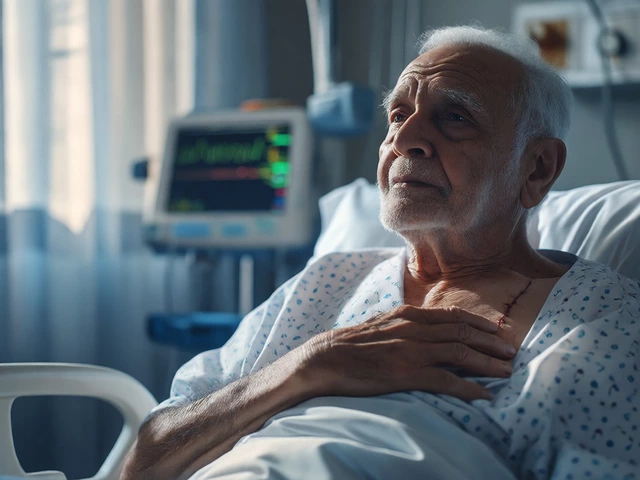
You’ve just come out of the operating room. The chest pain that kept you up at night is gone, but a new worry has taken its place: "How much time do I actually have left?" It’s the question every patient asks their cardiologist in that first post-op check-up. And honestly? The answer isn't a simple number. It’s not a countdown clock. It’s more like a steering wheel.
The truth is, open-heart surgery doesn’t just fix a blocked pipe; it resets your biological baseline. For millions of people worldwide, this procedure adds years-sometimes decades-to their lives. But those extra years aren't guaranteed by the surgeon’s skill alone. They are earned through what you do in the months and years following the incision.
The Real Numbers Behind Survival Rates
Let’s look at the data without the medical jargon. When we talk about "long life," we usually mean surviving past the critical five-year mark and beyond. According to long-term studies from institutions like the Cleveland Clinic and Mayo Clinic, the five-year survival rate for patients undergoing coronary artery bypass grafting (CABG) hovers around 90% for those under age 65. That’s huge. It means nine out of ten people are still alive and thriving half a decade later.
But here’s where it gets interesting. The ten-year survival rate drops slightly, often cited between 70% and 80%. Why the drop? Because while the surgery fixes the immediate blockage, it doesn’t cure the underlying disease causing the blockages: atherosclerosis. This is the hardening and narrowing of arteries due to plaque buildup. If you don’t manage the risk factors driving atherosclerosis, the new grafts can clog up too.
| Timeframe | Survival Rate (Approx.) | Key Factor Influencing Outcome |
|---|---|---|
| 30 Days Post-Op | 95-98% | Surgical complications, infection control |
| 1 Year | 90-95% | Adherence to medication, cardiac rehab participation |
| 5 Years | 80-90% | Lifestyle changes, smoking cessation, diabetes management |
| 10+ Years | 60-75% | Graft patency, prevention of native vessel disease progression |
It’s Not Just About the Heart: The Role of Lifestyle
Think of your body as a house. Open-heart surgery was the major renovation that fixed the cracked foundation. But if you leave the roof leaking and let termites eat the woodwork, the house won’t stand long. Your lifestyle choices are the maintenance plan.
Smoking is the biggest enemy. Period. If you continue to smoke after bypass surgery, your risk of death increases significantly compared to non-smokers. Nicotine constricts blood vessels and damages the lining of your arteries, accelerating plaque formation in both your natural arteries and the new grafts. Quitting isn’t just advice; it’s a survival requirement.
Diet plays an equally critical role. You don’t need to eat bland cardboard, but you do need to shift toward a heart-healthy pattern. In India, where our diets can be heavy on refined carbs and fried snacks, this means rethinking how we approach meals. Focus on whole grains, legumes, fresh vegetables, and lean proteins. Limit saturated fats found in red meat and full-fat dairy. The Mediterranean diet or a modified DASH (Dietary Approaches to Stop Hypertension) diet has shown remarkable results in reducing cardiac events post-surgery.
Medication Adherence: Your Daily Shield
After surgery, you’ll likely go home with a handful of pills. Antiplatelets (like aspirin), statins, beta-blockers, and ACE inhibitors. It’s tempting to skip them when you feel fine. Don’t.
Statins do more than lower cholesterol; they stabilize existing plaque so it doesn’t rupture and cause a sudden heart attack. Beta-blockers reduce the workload on your heart, allowing it to heal and beat more efficiently. Missing doses creates gaps in protection. A study published in the Journal of the American College of Cardiology highlighted that patients who strictly adhered to their prescribed medications had significantly better long-term outcomes than those who were inconsistent. Think of these meds as insurance premiums you pay daily to keep your policy active.

The Power of Cardiac Rehabilitation
Many patients fear moving after surgery. They think rest equals healing. While initial rest is necessary, prolonged inactivity is dangerous. Cardiac rehabilitation is a medically supervised program designed to improve cardiovascular health. It combines exercise training, education, and counseling.
Why does it matter? Because structured exercise helps build collateral circulation-tiny new blood vessels that form around blocked areas, providing alternative routes for blood flow. It also helps control weight, blood pressure, and stress levels. Patients who participate in cardiac rehab programs have been shown to have lower rates of readmission to the hospital. It’s not just about walking on a treadmill; it’s about rebuilding confidence in your body’s capabilities.
Mental Health Matters More Than You Think
We often ignore the mind-body connection in cardiac care. Depression and anxiety are common after open-heart surgery. The trauma of the procedure, the fear of another event, and the physical limitations can take a toll. This is known as "post-cardiotomy depression."
Chronic stress releases cortisol and adrenaline, which raise blood pressure and heart rate, putting extra strain on your recovering heart. Ignoring mental health can sabotage physical recovery. Engaging in mindfulness practices, staying connected with family, and seeking professional help if needed are crucial components of longevity. A positive outlook isn’t fluffy self-help advice; it’s a physiological advantage.

Age and Pre-Existing Conditions: What Changes?
Your age at the time of surgery influences your trajectory. Younger patients (under 60) generally have higher long-term survival rates because their bodies heal faster and they have fewer comorbidities. However, older adults (over 75) can still live fulfilling lives post-surgery, though their focus might shift more towards quality of life and managing other conditions like arthritis or kidney issues.
Diabetes is a major variable. Diabetics have a higher risk of graft failure because high blood sugar damages blood vessels. Tight glucose control is non-negotiable. Similarly, chronic kidney disease complicates recovery and requires careful monitoring of medications and fluid intake. Knowing your specific risk profile helps tailor your longevity strategy.
When to Worry: Signs of Graft Failure
While most grafts last 10-15 years, some may narrow earlier. Watch for return of symptoms: chest discomfort (angina), shortness of breath during exertion, or unusual fatigue. These don’t always mean a heart attack is imminent, but they signal that your heart needs attention. Regular follow-ups with your cardiologist, including stress tests or angiograms if indicated, catch these issues early when they are manageable.
Practical Steps to Maximize Your Lifespan
- Know your numbers: Keep track of blood pressure, LDL cholesterol, HbA1c (for diabetics), and BMI. Aim for BP below 130/80 mmHg and LDL below 70 mg/dL.
- Move daily: Aim for at least 150 minutes of moderate-intensity aerobic activity per week, as tolerated.
- Sleep well: Poor sleep disrupts hormonal balance and increases inflammation. Aim for 7-8 hours of quality sleep.
- Stay socially engaged: Isolation increases mortality risk in cardiac patients. Join support groups or community activities.
- Regular check-ins: Never skip your annual cardiology review, even if you feel perfect.
Living a long life after open-heart surgery isn’t about luck. It’s about partnership. Your surgical team did their part by restoring blood flow. Now, you take over the reins. By combining medical adherence with proactive lifestyle choices, you’re not just adding years to your life-you’re adding life to your years.
How long does it take to fully recover from open-heart surgery?
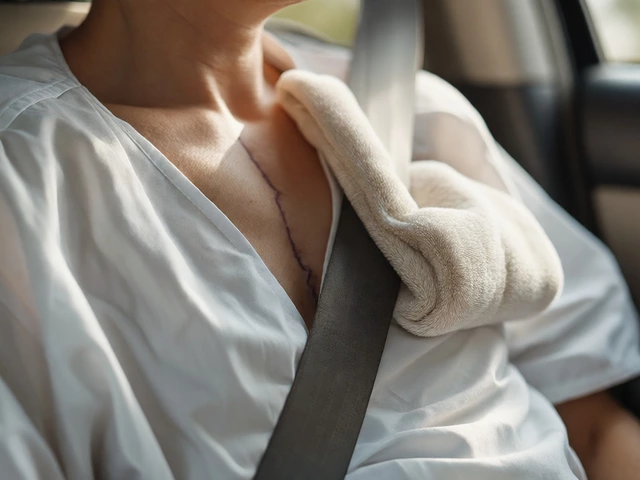
Most patients return to normal activities within 6 to 12 weeks. Bone healing of the sternum takes about 8 weeks, while full energy levels may take 3 to 6 months to restore completely.
Can bypass grafts fail?
Yes, grafts can narrow or become blocked over time. Vein grafts tend to have a shorter lifespan (10-15 years) compared to arterial grafts (like the internal mammary artery), which can last 20+ years. Lifestyle factors heavily influence graft longevity.
Is it safe to travel after open-heart surgery?
Generally, yes, once you have cleared your initial recovery phase (usually 4-6 weeks). Always consult your doctor before flying, especially within the first few months, to ensure there are no complications like fluid retention or arrhythmias.
Do I need to take heart medications forever?
For most patients, yes. Medications like statins and antiplatelets protect against future events. Stopping them abruptly can increase the risk of heart attack or stroke. Your doctor may adjust dosages, but complete cessation is rare without significant clinical reasons.
Can I exercise vigorously after surgery?
Once cleared by your cardiologist, many patients can engage in vigorous exercise. Cardiac rehab helps determine safe limits. Many post-bypass patients run marathons or cycle competitively years after surgery.