
Interactive 3-3-3 Anxiety Grounding Tool
Use this guided tool to practice the 3-3-3 rule. It helps pull your brain out of panic mode and back into the present moment by engaging your senses.
How it works:
- Step 1: Name three things you see around you right now.
- Step 2: Name three sounds you can hear in your environment.
- Step 3: Move three parts of your body (wiggle toes, roll shoulders, flex fingers).
Have you ever felt your heart race so fast it felt like it might burst out of your chest? Maybe your hands started shaking, or the room seemed to spin just a little too much. This is what an anxiety spike feels like. It’s scary, and honestly, it can feel like you are losing control. But here is the good news: you don’t need a prescription or a long therapy session right this second to calm down. You have a tool in your pocket that costs nothing and takes less than two minutes.
This tool is called the 3-3-3 rule for anxiety. It is a simple grounding technique designed to pull your brain out of panic mode and back into the present moment. While many people look toward herbal supplements or medication for long-term management, immediate relief often comes from changing how your brain processes sensory information. The 3-3-3 rule does exactly that. Let’s break down how it works, why it helps, and how it fits into a broader plan for managing stress naturally.
How the 3-3-3 Rule Works Step-by-Step
The beauty of this technique lies in its simplicity. When you are anxious, your brain is stuck in a loop of "what ifs" about the future or regrets about the past. The 3-3-3 rule forces your brain to switch gears by focusing on external reality. Here is how you do it:
- Name three things you see. Look around you. Pick three specific objects. Don’t just say "furniture." Say, "I see a blue mug, a crack in the wall, and a green plant." Be specific. Notice the color, the shape, and the texture.
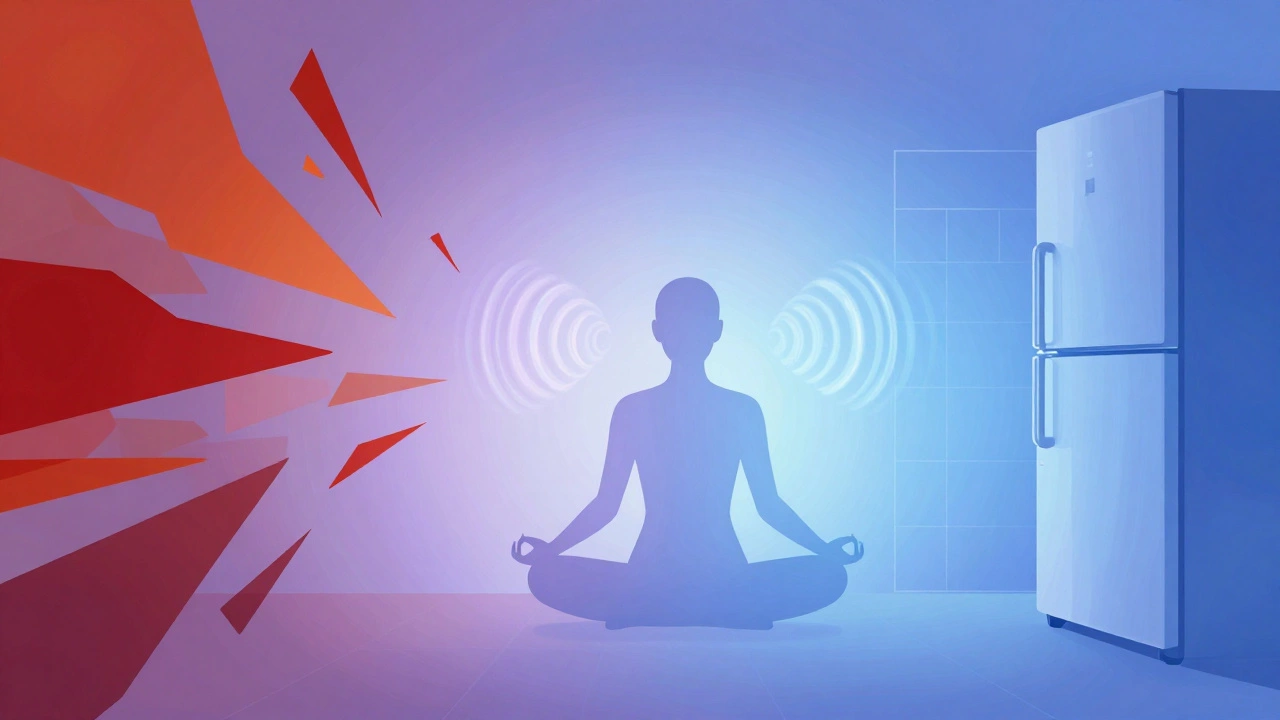
- Name three sounds you hear. Close your eyes if you can. Listen carefully. What do you hear? Perhaps the hum of the refrigerator, a car passing outside, or your own breath. Focus on these sounds without judging them as annoying or nice. Just notice them.
- Move three parts of your body. Wiggle your toes. Roll your shoulders. Flex your fingers. Feel the physical sensation of movement. This reconnects your mind with your body.
That’s it. You have now grounded yourself. By engaging your visual, auditory, and kinesthetic senses, you interrupt the panic cycle. Your brain cannot fully process fear while it is also processing detailed sensory data from the present environment.
Why Grounding Techniques Stop Panic Attacks
To understand why this works, we need to look at what happens during anxiety. When you feel threatened-whether it’s a real danger or a stressful email-your amygdala (the brain’s alarm system) fires off signals to your sympathetic nervous system. This triggers the "fight or flight" response. Your cortisol levels spike, your heart rate increases, and your muscles tense up.
Grounding techniques like the 3-3-3 rule activate the parasympathetic nervous system, which is responsible for "rest and digest." By forcing your prefrontal cortex (the logical part of your brain) to engage in a task, you dampen the activity in the amygdala. It’s like hitting a reset button. Studies in cognitive behavioral therapy (CBT) show that shifting focus from internal thoughts to external stimuli reduces physiological arousal significantly within minutes.
Does the 3-3-3 rule work for everyone?
While highly effective for many, individual results vary. Some people find visual grounding more helpful, while others prefer tactile methods like holding ice cubes. If the 3-3-3 rule doesn't click immediately, try variations like naming five things you touch or four things you smell.
Integrating Herbal Supplements for Long-Term Balance
While the 3-3-3 rule is excellent for acute moments, managing chronic anxiety often requires a holistic approach. Many people turn to herbal supplements natural plant-based compounds used to support mood and reduce stress as part of their daily routine. These aren't quick fixes like grounding techniques, but they help lower your baseline stress level over time.
One popular option is Ashwagandha an adaptogenic herb known to reduce cortisol levels and improve resilience to stress. Research suggests that taking Ashwagandha root extract can significantly lower serum cortisol concentrations. Another common choice is Lavender oil an aromatic essential oil often used in aromatherapy to promote relaxation and sleep quality, which has been shown in clinical trials to alleviate symptoms of generalized anxiety disorder when taken orally in standardized forms.
| Method | Type | Time to Effect | Best For |
|---|---|---|---|
| 3-3-3 Rule | Behavioral Technique | Immediate (1-2 mins) | Panic attacks, acute stress spikes |
| Ashwagandha | Herbal Supplement | Gradual (2-4 weeks) | Chronic stress, high cortisol |
| Lavender Oil | Aromatherapy/Supplement | Short-term (minutes-hours) | Sleep issues, mild agitation |
| Deep Breathing | Physiological Technique | Immediate (1-5 mins) | Racing heart, shallow breathing |
It is important to note that herbal supplements interact with your body differently than behavioral techniques. They build up in your system. Think of the 3-3-3 rule as a fire extinguisher and herbal supplements as smoke detectors-they serve different but complementary roles in keeping your mental health safe.
Other Grounding Techniques to Try
If the 3-3-3 rule feels too rigid, there are other variations. The 5-4-3-2-1 method a sensory grounding exercise involving five things seen, four touched, three heard, two smelled, and one tasted is perhaps the most famous alternative. It expands the sensory engagement even further.
- Five things you see: Look for details like shadows or light reflections.
- Four things you can touch: Feel the fabric of your shirt, the coolness of a table, the warmth of your skin.
- Three things you hear: Listen for distant and near sounds.
- Two things you can smell: Notice scents in the air or bring a scent source close.
- One thing you can taste: Sip water, chew gum, or notice the aftertaste of coffee.
Another effective method is the "Temperature Shift." Holding an ice cube in your hand or splashing cold water on your face triggers the mammalian dive reflex, which instantly slows down your heart rate. This is particularly useful if you are feeling physically overwhelmed by heat or tension.
Building a Resilient Mental Health Routine
Using the 3-3-3 rule occasionally is helpful, but integrating it into a broader lifestyle change yields better results. Consistency is key. Try practicing grounding techniques even when you aren't anxious. This builds neural pathways that make it easier to access calm states during crises.
Combine these techniques with regular physical activity. Exercise burns off excess adrenaline and releases endorphins, which are natural mood lifters. Even a 10-minute walk can reset your nervous system. Pair this with adequate sleep hygiene-keeping your bedroom dark and cool-and you create a foundation where anxiety has less power to take hold.
Also, consider your diet. High caffeine intake can mimic anxiety symptoms, making your heart race and your mind jittery. Reducing caffeine and increasing magnesium-rich foods like spinach, almonds, and avocados can support nerve function and relaxation. Magnesium is often called the "relaxation mineral" because it plays a crucial role in regulating neurotransmitters that calm the nervous system.

When to Seek Professional Help
While tools like the 3-3-3 rule and herbal supplements are powerful, they are not substitutes for professional care if your anxiety is severe or persistent. If you find that you are unable to function in daily life, experiencing frequent panic attacks, or relying heavily on substances to cope, it is time to talk to a healthcare provider.
Therapists specializing in Cognitive Behavioral Therapy (CBT) can help you identify the root causes of your anxiety and develop personalized coping strategies. In some cases, medication may be necessary to balance brain chemistry. There is no shame in seeking help; in fact, it is a sign of strength and self-awareness. Combining professional therapy with self-help techniques like grounding and natural supplements often provides the most comprehensive relief.
Making Grounding a Habit
To make the 3-3-3 rule second nature, practice it daily. Set a reminder on your phone to pause for two minutes every afternoon. Use this time to scan your environment, listen to the sounds around you, and move your body slightly. Over time, this becomes a mental muscle memory. When anxiety strikes unexpectedly, your brain will automatically know where to find calm.
Remember, anxiety is a normal human emotion. It is your body’s way of signaling that something needs attention. By learning to manage it with tools like the 3-3-3 rule, you are not suppressing your feelings; you are learning to navigate them with grace and control. You have the power to shift your state from panic to peace, one breath and one observation at a time.
Can I use the 3-3-3 rule during a panic attack?
Yes, absolutely. The 3-3-3 rule is specifically designed for acute moments of high anxiety or panic. Its simplicity allows you to engage it even when your cognitive abilities are compromised by fear. Start with naming three visible objects to anchor yourself in reality.
Are herbal supplements safe to take with anxiety medication?
Not always. Some herbs like St. John's Wort can interact dangerously with SSRIs and other psychiatric medications. Always consult your doctor or pharmacist before adding any new supplement to your regimen, especially if you are currently prescribed medication for anxiety or depression.
How long does it take for Ashwagandha to work?
Ashwagandha is an adaptogen, meaning it works gradually. Most studies show significant reductions in stress and cortisol levels after 4 to 8 weeks of consistent daily use. It is not intended for immediate relief during a panic attack but rather for long-term stress resilience.
What should I do if the 3-3-3 rule doesn't stop my anxiety?
If the 3-3-3 rule isn't enough, try combining it with deep breathing exercises, such as box breathing (inhale for 4 seconds, hold for 4, exhale for 4, hold for 4). You can also try the temperature shift method by holding an ice cube. Everyone responds differently, so experiment to find what calms your nervous system best.
Is the 3-3-3 rule backed by science?
While the specific "3-3-3" formulation is a modern simplification, the underlying principle of sensory grounding is well-supported by psychological research. Grounding techniques are a core component of Dialectical Behavior Therapy (DBT) and Cognitive Behavioral Therapy (CBT), both of which are evidence-based treatments for anxiety disorders.