Who Should Not Get Knee Replacement? Key Risks and Alternatives
When knee replacement, a surgical procedure to replace a damaged knee joint with an artificial implant. Also known as total knee arthroplasty, it’s one of the most common orthopedic surgeries in India—but it’s not for everyone. Many assume it’s the only solution for bad knees, but doctors often recommend against it if the risks outweigh the benefits. This isn’t about being too young or too old—it’s about your overall health, how your body heals, and whether there’s a safer way to manage pain.
People with uncontrolled diabetes, a chronic condition that impairs healing and increases infection risk are often turned down for knee replacement. High blood sugar slows tissue repair and makes surgical wounds prone to serious infections. Similarly, those with active infections, whether in the skin, urinary tract, or elsewhere, must treat them first. A knee implant can become a breeding ground for bacteria if your body is already fighting an infection. Even severe obesity, a condition that puts extra stress on joints and complicates anesthesia, raises the chance of complications like blood clots, poor wound healing, or implant failure.
Then there’s the mental and emotional side. If you’re dealing with severe depression, a disabling mental illness that affects motivation, pain perception, and recovery effort, surgery alone won’t fix your pain. Recovery requires daily movement, physical therapy, and discipline—things that are hard to stick to when you’re overwhelmed by low mood. And if your knee pain isn’t from arthritis but from nerve damage, muscle weakness, or another condition, replacing the joint won’t help. That’s why doctors always check for rheumatoid arthritis, an autoimmune disease that attacks joint linings, or other systemic issues before approving surgery.
Some people think if they’ve tried everything else, knee replacement is the last resort. But sometimes, the last resort isn’t surgery—it’s better pain management. Physical therapy, weight loss, braces, injections, or even lifestyle changes can delay or avoid surgery entirely. And if you’re not physically ready, waiting a few months to get stronger or healthier might give you a much better outcome later.
You’ll find real stories below—from people who were told no, those who waited and succeeded, and others who found relief without cutting into their knee. These aren’t theoretical opinions. They’re lessons from actual patients and doctors in India, where access to care, insurance limits, and recovery support vary widely. Whether you’re considering surgery, got turned down, or just want to know your options, the posts here will show you what actually matters before you sign anything.
17
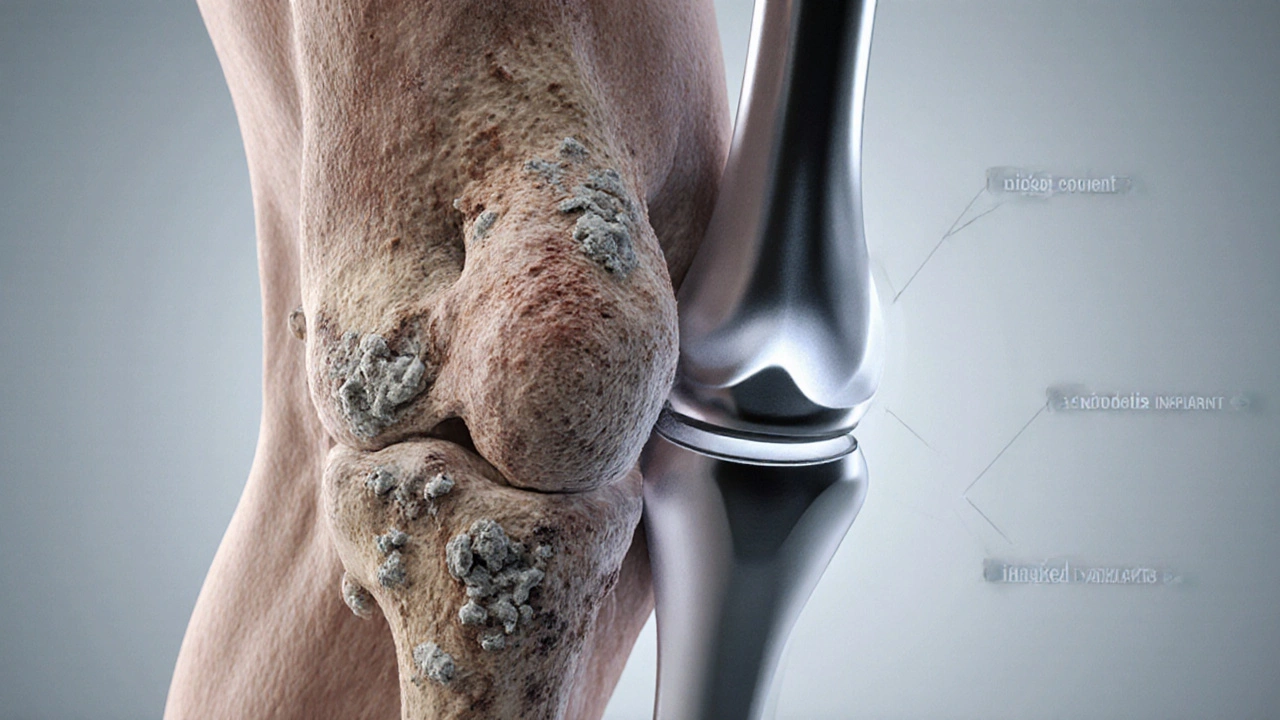
OctoberWho Is a Bad Candidate for Knee Replacement? Risks & Contraindications
Find out which medical conditions, lifestyle habits and age factors make someone a poor candidate for knee replacement, and learn how surgeons assess eligibility.
Recent posts
-
 20 Nov 2025
How Soon Can You Do IVF After Having a Baby?
-
 28 Jun 2025
Does Health Insurance Pay for Medical Tourism? Tips for Global Coverage
-
 18 May 2025
4 Principles of Ayurveda: Your Guide to Natural Balance
-
 10 Oct 2025
Best Diabetes Medicine: Comprehensive Comparison of Top Treatments (2025)
-
 6 Jan 2026
Can Too Much Therapy Be Harmful? Signs You Might Be Overdoing It