Type 2 Diabetes Medication: What Works, What Doesn’t, and What You Need to Know
When you’re diagnosed with type 2 diabetes medication, oral or injectable drugs used to manage high blood sugar in people with type 2 diabetes. Also known as diabetes pills, these drugs don’t cure the disease—but they help your body handle sugar better, reduce complications, and give you more control over your daily life. It’s not about taking pills because you have to. It’s about picking the right ones for your body, your habits, and your goals.
Not all metformin, the most commonly prescribed first-line drug for type 2 diabetes that reduces liver sugar production and improves insulin sensitivity is the same for everyone. Some people tolerate it fine. Others get stomach issues and need something else. That’s why doctors now often start with GLP-1 agonists, a class of injectable medications that slow digestion, reduce appetite, and help lower blood sugar—often leading to weight loss as a side effect like Ozempic or Mounjaro. These aren’t just for weight loss. They’re proven to protect your heart and kidneys, which matters if you’ve had diabetes for years.
But here’s the thing: no pill fixes poor food choices or inactivity. Medications work best when they’re part of a plan—not the whole plan. Some people think switching from metformin to a newer drug means they can eat whatever they want. That’s a trap. The real win comes from combining the right medicine with real changes: moving more, cutting back on sugar, and sleeping well. The type 2 diabetes medication you take should match your lifestyle, not fight against it.
Cost matters too. Some newer drugs are powerful but expensive—and insurance doesn’t always cover them. That’s why many people end up on metformin, even if it’s not perfect. Others try SGLT2 inhibitors, which help your kidneys flush out extra sugar. These can lower your risk of heart failure and kidney damage, but they come with their own risks, like urinary infections. There’s no one-size-fits-all. What works for your neighbor might cause problems for you.
And let’s not forget side effects. Nausea from GLP-1 drugs? Common. Low blood sugar from sulfonylureas? That’s dangerous if you’re older or skip meals. Weight gain from insulin? It happens. You need to know what you’re signing up for before you start. That’s why checking your blood sugar regularly, talking to your doctor about how you feel, and tracking what works (or doesn’t) is just as important as the prescription itself.
Below, you’ll find real breakdowns of the most talked-about diabetes pills, what they actually do to your body, how they compare, and which ones come with the least risk. No marketing spin. No vague advice. Just clear, practical info from people who’ve been there—whether they’re managing diabetes themselves or helping others do it. You’ll see what’s safe, what’s overhyped, and what’s worth asking your doctor about next time you walk into the clinic.
10
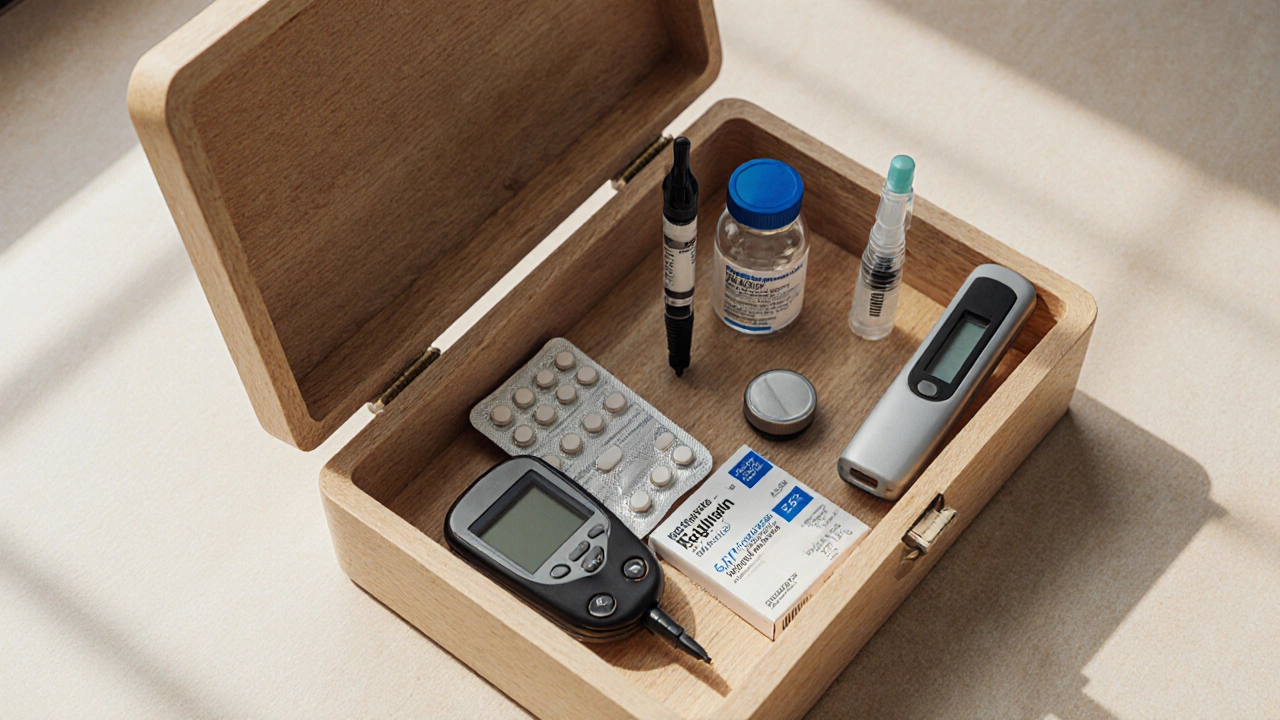
OctoberBest Diabetes Medicine: Comprehensive Comparison of Top Treatments (2025)
A 2025 guide comparing top diabetes medicines, covering efficacy, side effects, cost, and how to pick the right treatment for type 2 and type 1 patients.
Recent posts
-
 3 Aug 2025
Does ADHD Get Worse with Age? Understanding Adult ADHD Symptoms and Treatment
-
 26 Dec 2025
What Is the Best Age to Have a Knee Replacement?
-
 30 Oct 2025
How Long Do Orthopedic Surgeries Take? Real-Time Estimates for Common Procedures
-
 11 May 2025
Amazon Pharmacy: Is It a Real, Legit Service?
-
 13 Jan 2026
How Many Rounds of IVF Does It Take to Get Pregnant? Real Stats and What to Expect